










World on the brink of escalation Two wars, one global risk
Both the Middle Eastern and Ukrainian wars are in a state where escalation has become almost inevitable. The risks of horizontal escalation appear particularly dangerous. These risks can be reduced through readily available instruments, but their successful use requires the will and courage of politicians.
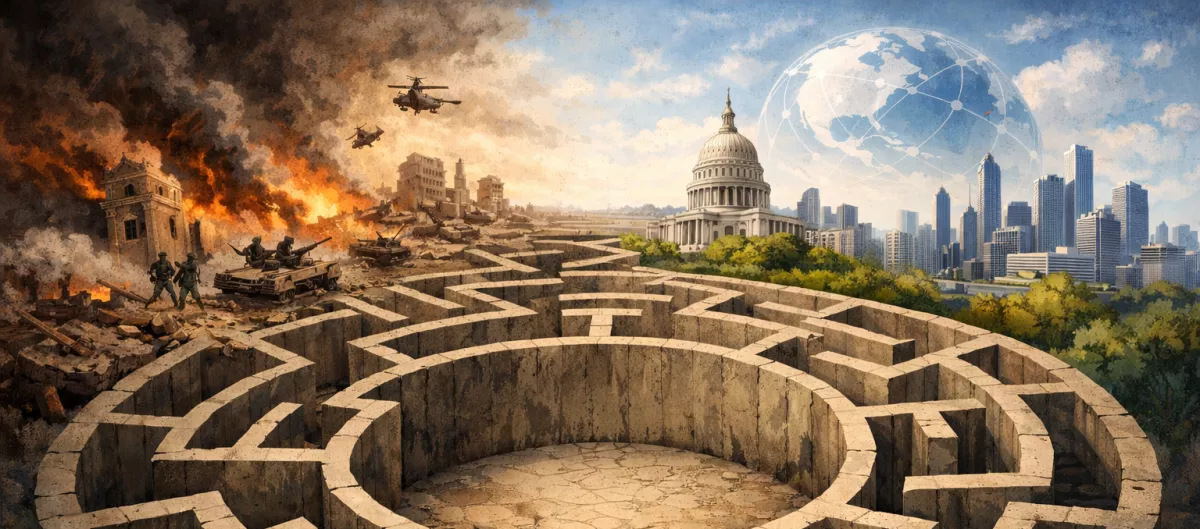
On March 28, the war in the Middle East surpassed the four-week mark. A month earlier, on February 24, another large-scale war – the Russian-Ukrainian war – marked its fourth anniversary. As of today, both of these wars are in a state that makes the escalation of hostilities almost inevitable, at least in terms of vertical escalation, meaning an increase in intensity and destructiveness. At the same time, the likelihood of horizontal escalation in both conflicts, which carries the risk of spreading the war to new territories and countries, is also rising.
War in the Middle East
Clearly, the U.S. and Israeli military campaign against Iran is not unfolding according to the scenario that Washington and Tel Aviv initially anticipated. Whatever its real political and military objectives, achieving them quickly by unleashing the shocking power of the combined American-Israeli strike has not worked. As a result, the initiators of the campaign are facing increasingly complex dynamics that require additional forces and resources and potentially draw Israel and the U.S. into a larger, longer, and more unpredictable war.
Despite the incomparably greater overall combat potential of the U.S. and Israel, Iran is skillfully employing a “mosaic” strategy in defense along with various asymmetric warfare capabilities. This is particularly evident in the pace and cost characteristics of the missile confrontations. To intercept a single relatively inexpensive Iranian ballistic missile, the Americans must use three to four very costly interceptor missiles. In some cases, they even have to use seven or eight.
At the same time, the U.S. military in the region has numerous targets to protect from Iranian missile attacks: from its own troops and military facilities to the critical infrastructure of allies in the Persian Gulf monarchies. Iran, meanwhile, retains the capability to deliver fairly massive strikes on a daily basis. U.S. intelligence confidently confirms the destruction of only about one-third of Iran’s missile stockpiles. In this context, the initial disparity in the military and economic potential of the conflicting parties no longer seems so clear-cut. Unsurprisingly, the issue of critically depleting missile and anti-missile stocks has become a top topic in American policy-making circles and the media.
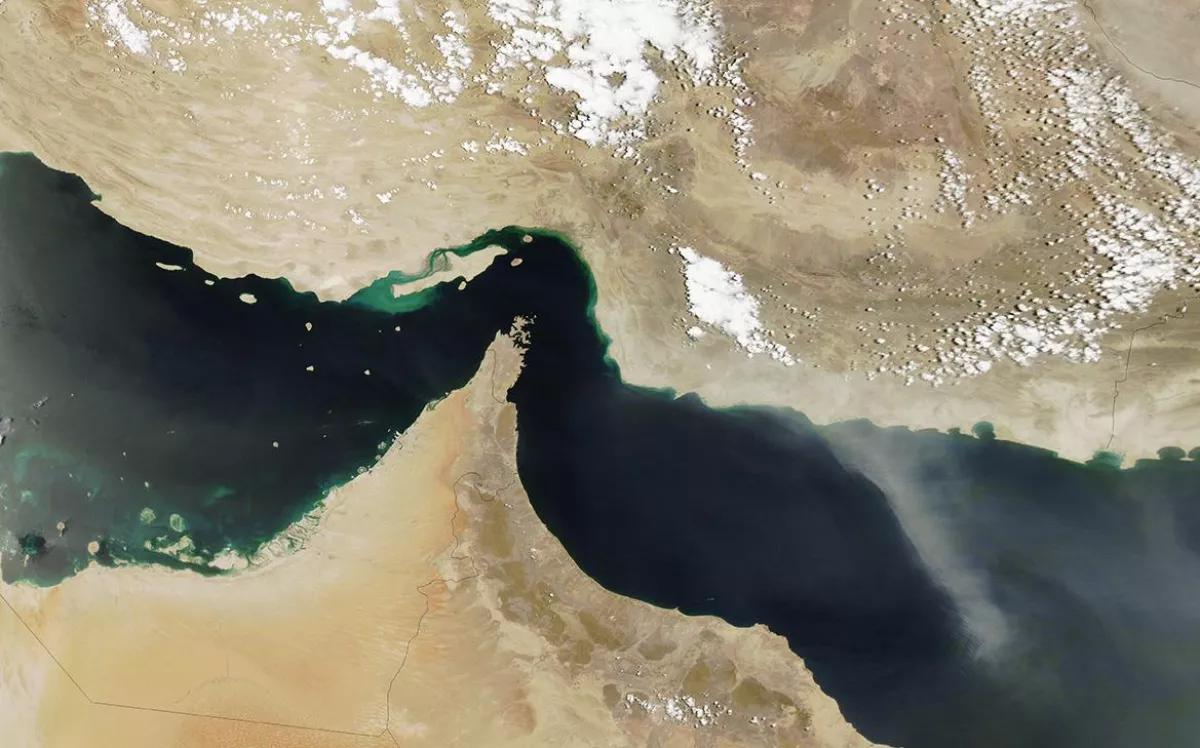
Moreover, whether the Americans expected it or not, Tehran did not hesitate to use its primary geoeconomic leverage: the ability to restrict traffic through the Strait of Hormuz. It can do this even if it has lost all—or nearly all—of its own fleet. As a result, a large part of the world instantly felt the consequences of the new Middle Eastern war in their wallets. The sharp rise in energy prices hit American society as well, despite the U.S. having corresponding resource reserves on its territory. In addition, U.S. authorities are acutely aware of the “Hormuz effect” through the growing global political demand to prevent a self-inflicted worldwide recession.
The U.S. fleet currently available for deployment in the Middle East is insufficient to quickly and relatively painlessly resolve the Strait of Hormuz issue. Forming an international coalition to ensure the free passage of ships through the strait has also so far been unsuccessful. Therefore, alternative options need to be explored.
The ideal alternative for the Trump administration would have been to conclude the active phase of hostilities as soon as possible, declare the objectives achieved, and close the matter through political agreements with Iran. This explains the increasingly visible diplomatic activity surrounding the war, as evidenced by numerous statements from the American president himself, as well as, for example, information from the Pakistani foreign minister.
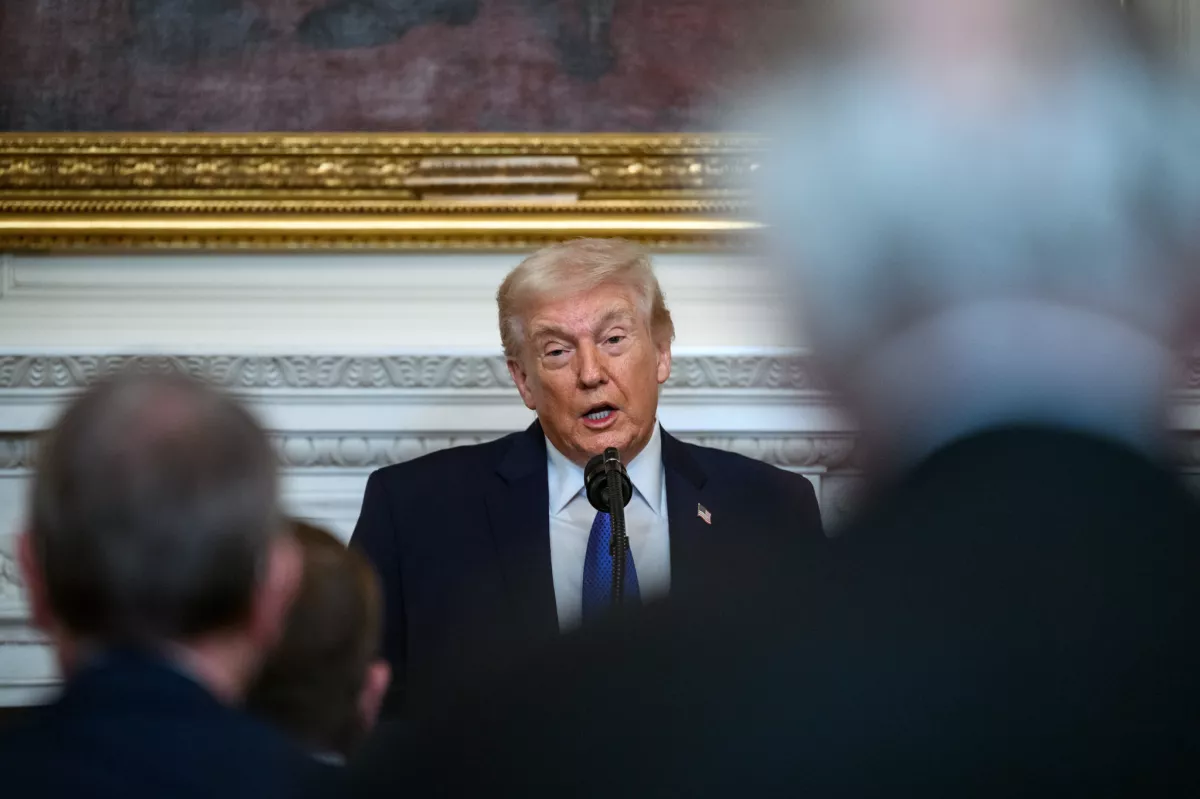
On March 26, he reported that the Iran–U.S. negotiation process is proceeding in an indirect format, with Pakistani representatives facilitating the transmission of messages. According to him, these diplomatic efforts are also supported by Türkiye and Egypt.
For now, it is difficult to assess how willing the parties are in this communication to make substantive mutual compromises necessary to advance the dialogue. More likely, they are not yet ready. The Americans, by their own admission, presented the Iranians with a 15-point plan to end the conflict. Tehran, however, rejected this plan as unrealistically maximalist and responded with its own maximalist plan, which is obviously unacceptable to Washington.
Most negotiations begin this way: opposing sides state their maximalist demands. What follows must be a mutual movement toward some model of compromise, which usually occurs either as a result of political will or even greater escalation of military confrontation. In the current Middle Eastern situation, all indications point to further escalation ahead. Moreover, both sides have the capability to escalate.
The most likely way for the United States to raise the stakes is to increase the destructiveness and long-term impact of its airstrikes on Iran—for example, targeting electricity generation and distribution infrastructure. Another option would be to initiate a ground invasion. A large-scale ground operation is not currently under discussion and is unlikely to be expected later, as it would require extraordinary organisational, human, material, and—perhaps most importantly—political resources. However, the deployment of a limited amphibious landing force appears increasingly realistic with each passing day.
Iran, for its part, also has options for further military escalation. First and foremost, it has numerous potential targets in the Gulf countries that could be subjected to escalatory strikes. Moreover, Tehran is signalling that it does not rule out missile attacks on Israel’s nuclear facilities. About a week ago, Iranian missiles already struck the city of Dimona in the south of the country, where one of the nuclear warhead storage sites is located. According to experts, Iran possesses the technical capabilities to hit these facilities; the only remaining factor is the corresponding political decision. The likelihood that such a decision will ultimately be made is increasing with each new day of the war.
War in Ukraine
The Russian-Ukrainian war has also reached the brink of another escalation. The active diplomatic efforts undertaken by Washington over the past year to bring Moscow and Kyiv to the negotiating table have now been suspended for understandable reasons. They had not been producing the desired results anyway, as the compromise model under discussion had not yet put the parties on a trajectory that would allow them to resolve the fundamental contradictions that led to the conflict in the first place. At present, the United States also lacks the necessary personnel and time resources to continue effective mediation. Moreover, the course of the war in the Middle East is directly or indirectly altering many of the geopolitical variables that influence the calculations of Russia, Ukraine, and other involved actors.
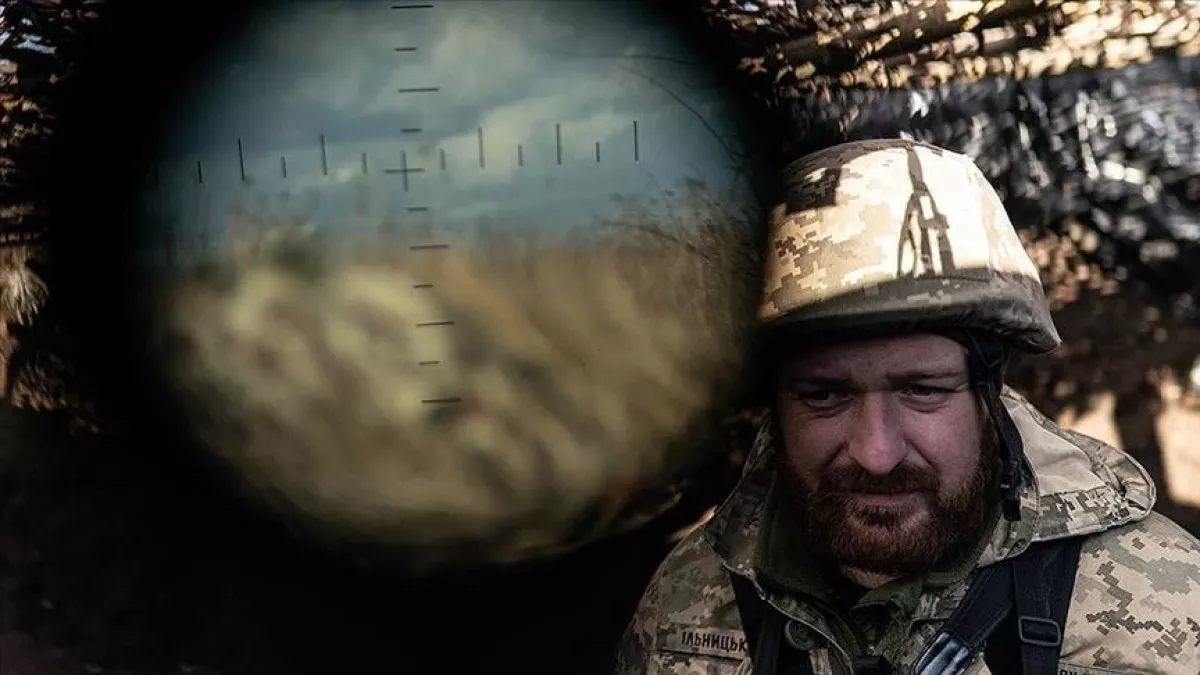
Under these circumstances, escalation again appears to be the most likely scenario going forward. Some of its elements are already visible in the growing waves of mutual missile and drone strikes. Moreover, unlike the situation in the Middle East, the prospects for the geographical expansion of hostilities here seem particularly dangerous.
In just the past few days, several drones (as it turned out, Ukrainian) have crashed on the territories of Lithuania, Latvia, Estonia, and Finland. In addition, tensions are rising along the perimeter of the conflict. For example, the risks of incidents at sea are increasing, where European states are pursuing Russia’s so-called “shadow fleet.” The trends toward the militarisation of NATO’s eastern flank also continue to exhibit an escalatory dynamic.
The fact that the authorities of the Baltic states and Finland so quickly acknowledged that the UAVs that violated their airspace in recent days were indeed Ukrainian reflects their natural desire to avoid further escalation on their own territory. However, military-political tensions between Russia and European NATO countries have already reached such extreme levels that the mere desire to stay out of it may not be enough. Against this backdrop, a single “spark” could, as has happened many times in history, ignite a massive regional conflagration.
What can and should be done?
The consequences of a possible escalation of both wars can only be guessed at today. Neither the direct parties to the conflicts nor those who would later have to bear the consequences of an uncontrolled expansion of escalation can calculate it with any reasonable degree of accuracy. This is precisely the main danger now facing the entire international community—especially given the increasingly close interconnection of the dynamics and driving forces behind the wars in Ukraine and the Middle East.
The issue is not that the world is on the brink of sliding into a Third World War, as many analysts and commentators are currently suggesting.

As Ukrainian political scientist Mykola Kapitonenko rightly notes, there are currently no grounds to describe the intertwining dynamics and logics of today’s two main theatres of conflict as a Third World War—at least not if one approaches the term “world war” with full historical rigour. However, there are clear grounds to describe both the Ukrainian and the Iranian wars as systemic. Taken together, their interconnection makes this even more evident. The future of the global order will largely depend on their outcomes.
Yet the determination of future balances within the global system, which will emerge as a result of these (and possibly other) wars, is a matter of time—likely a considerable amount of time. Even the world’s most powerful states cannot currently shape the exact contours of the next system through any simple or one-dimensional actions. Everything will be determined through numerous complex and, for now, unpredictable events and processes. Only time will tell.
At the same time, interested states can influence the prospects of escalation in both the Iranian and Ukrainian wars—especially the potential for their horizontal escalation into new countries. The set of measures needed to limit escalation risks is clear and readily available: political and military dialogue, confidence- and security-building measures, and increased military transparency. This toolkit is well-developed, institutionalised, and codified in long-standing bilateral and multilateral agreements. The problem, however, lies in the political will to apply it—or even in the political courage, which in today’s conditions is worth its weight in gold.







 editor@caliber.az
 +994 55 444-88-98
 Азербайджан, Баку, ул. Низами, 203, Af Business House, 5-й этаж