










Africa: from object to subject in global decision-making G20 summit highlights continent’s strategic clout
It is no secret that for most of its history, Africa remained on the periphery of the international relations system. Yet nothing stays the same—everything flows, everything changes. In November 2025, the continent captured the world’s attention when the G20 summit was held in South Africa.
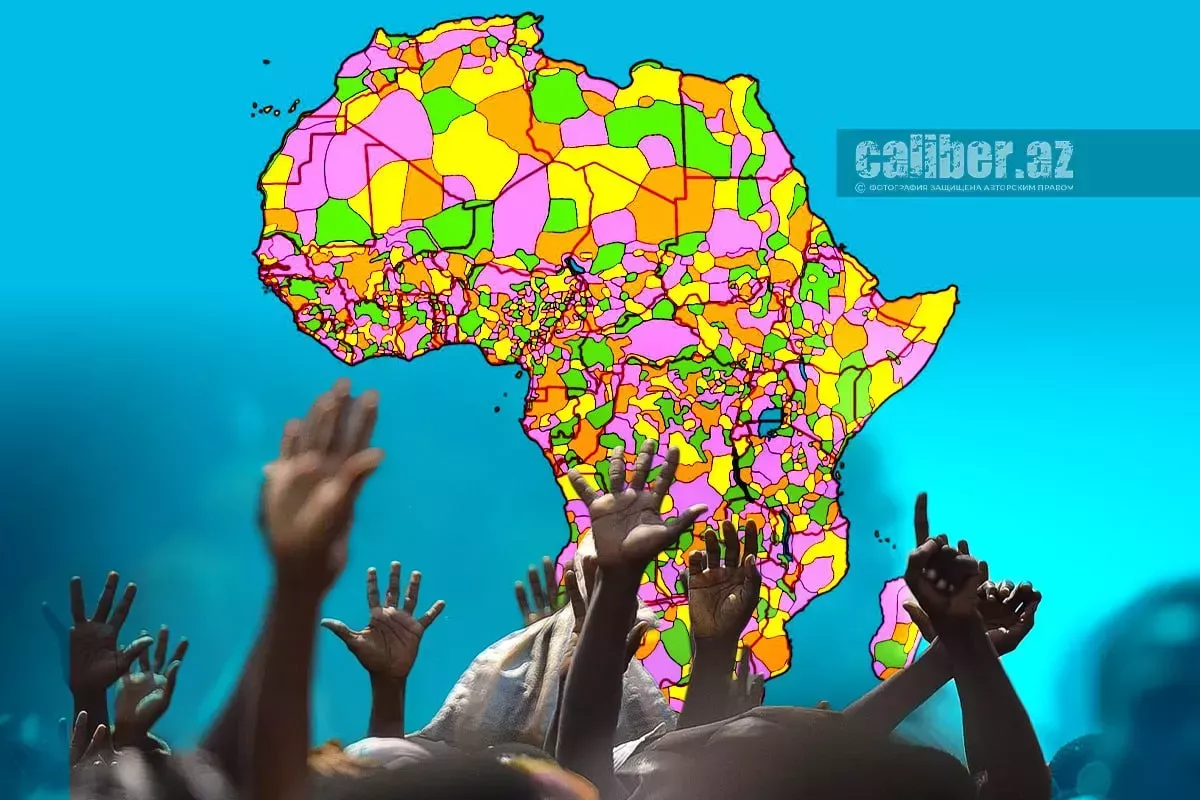
This became possible thanks to the active stance of African states, which on various global platforms spoke out against the insufficient representation of the continent in the system of international relations, as well as the support of their position by a number of world leaders. In particular, the President of Türkiye, Recep Tayyip Erdoğan, has repeatedly articulated in his speeches the following principles formulated by Türkiye: “The world is bigger than five” and “A fairer world is possible,” which have become an official part of the foreign policy vision of the Republic of Türkiye.
Background information: Today, the population of the African continent amounts to approximately 1.5 billion people, or 21% of the world’s population, while the 54 African states (recognised by the UN) account for nearly one third of all countries in the world. In addition, Africa produces about 30% of the world’s key mineral resources, possesses a significant share of global reserves of natural resources and energy, and plays an enormous strategic role. Rare earth minerals, energy resources, and a young population have made Africa a focal point of attention for global powers, while current investments by major international actors in infrastructure, security, and the energy sector further enhance its importance on the global chessboard.
On the other hand, the geostrategic significance of the African continent in global politics is determined not only by its advantageous geographical location, but also by the direct impact of crises unfolding in regions such as Sudan, the Democratic Republic of the Congo, the Sahel, and Libya on global security and migration flows, which turns Africa into an arena of rivalry among competing powers. In 2023, at the summit held in India, the African Union (AU) was admitted to the G20 as a full-fledged member, enabling it to assert its interests before the entire world and to play an active role in global decision-making. Established in 1999, the G20 brings together 19 leading countries of the world, as well as the EU and the AU.

Overall, the holding of the G20 summit in Johannesburg demonstrates that Africa is now being positioned not only as an object, but also as a subject in the process of international decision-making. Moreover, participation in such platforms as the G20 facilitates the integration of the continent into the global security architecture. Thus, South African President Cyril Ramaphosa, speaking at the G20 summit in Johannesburg, noted that “South Africa has sought to ensure that the development priorities of the Global South and the African continent find expression firmly and permanently on the agenda of the G20.”
The November summit was held in line with the fundamental principles of South Africa’s G20 presidency—solidarity, equality, and sustainability—and focused on issues of sustainable economic growth, development, and financing. In addition, the Johannesburg meeting addressed such topics as debt relief for low-income countries, adaptation to climate change, and the transition to clean energy.
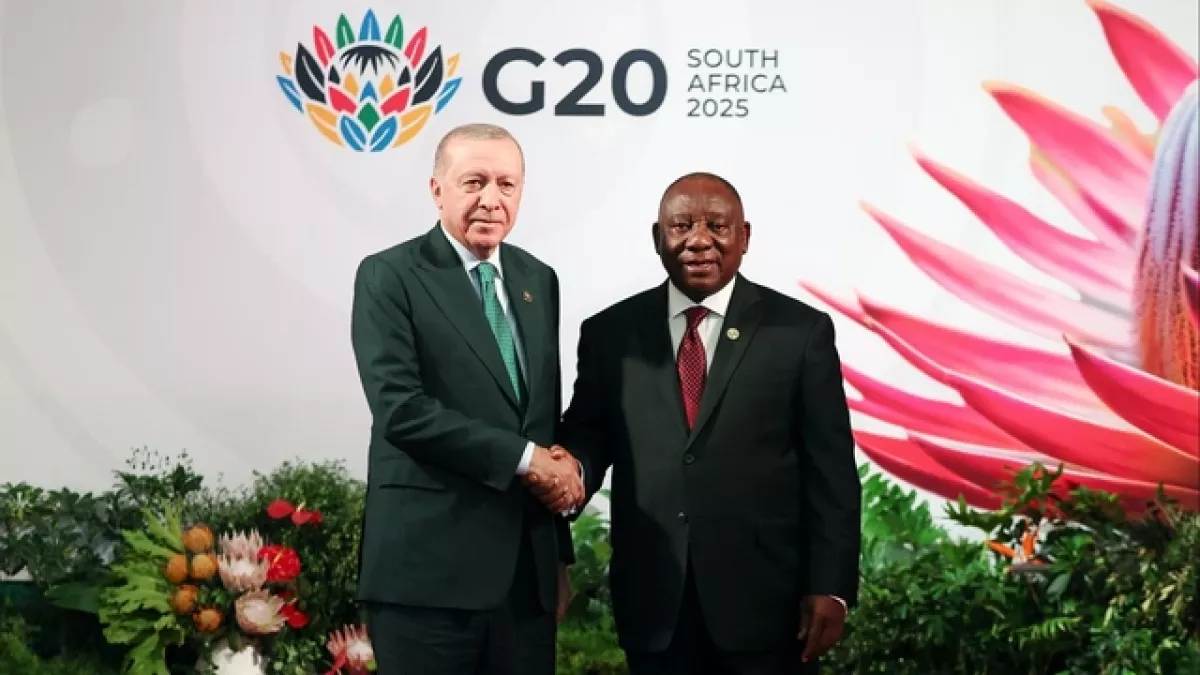
In particular, Recep Tayyip Erdoğan stated in his speech that strong international cooperation, resilient supply chains, and fair debt restructuring are necessary to revitalise global trade.
In the joint declaration of the leaders—which, notably, was adopted at the very beginning of the event at the initiative of Cyril Ramaphosa—the seriousness of the climate crisis is emphasised, along with a call to triple the capacity of renewable energy sources.
The document also places special emphasis on the rights of migrants and on preventing illegal migration through the regulation of migration processes. It takes into account the interests of poor countries, in particular by stressing the need to assist developing states in mitigating the consequences of climate disasters, easing the debt burden, and financing the transition to “green” energy.
The parties also spoke in favour of the speedy resolution of military conflicts. Thus, the declaration underlines that the G20 will work toward achieving a just, inclusive, and lasting peace in Sudan and the Democratic Republic of the Congo, as well as toward ending other conflicts and wars around the world.
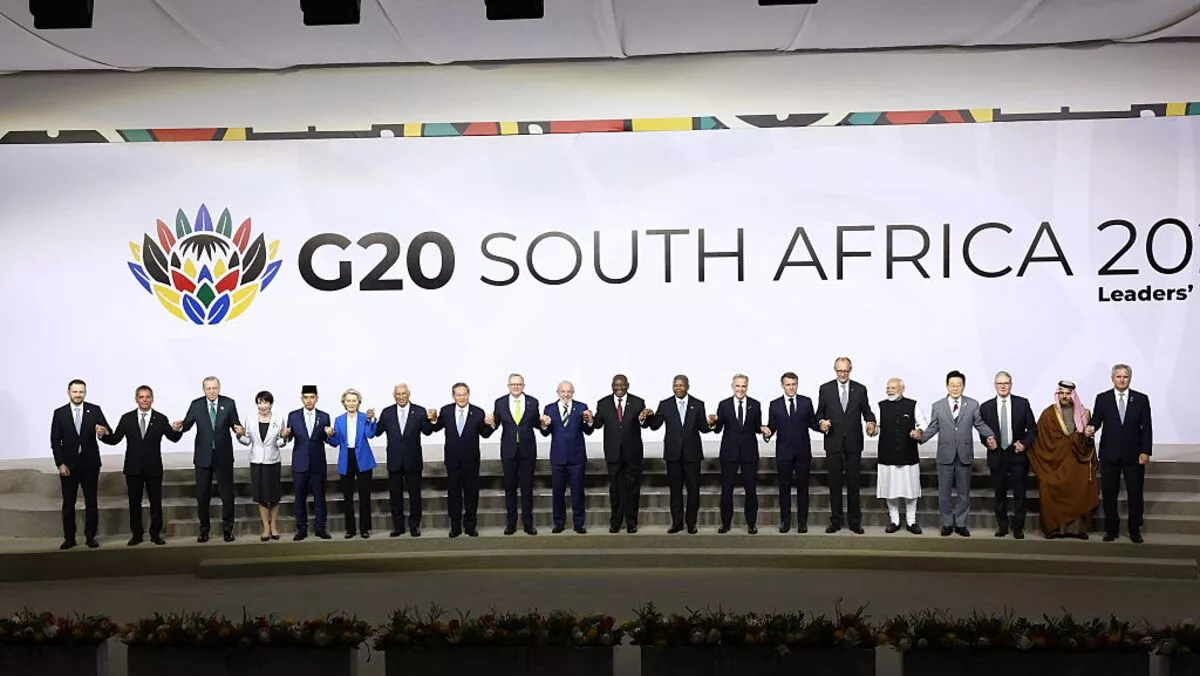
Notably, the G20 leaders’ declaration emphasises that the summit is being held in Africa for the first time, and states the following:
"In the spirit of Ubuntu, we recognise that individual nations cannot thrive in isolation. The African philosophy of Ubuntu, often translated as ‘I am because we are’, emphasises the interconnectedness of individuals within a broader communal, societal, economic, and environmental context. We understand our interconnectedness as a global community of nations and reaffirm our commitment to ensure that no one is left behind through multilateral cooperation, macro policy coordination, global partnerships for sustainable development and solidarity."
The reference to African philosophy in the text of an official G20 document can be seen as highlighting Africa’s priorities, as well as signalling that South Africa and the AU will continue to serve as the voice of the continent within the global political and economic system.
Thus, it can be argued that Africa is becoming a factor capable of shaping the agenda in the process of global decision-making, and, as a result, the key question now is how events will unfold in the future.
Clearly, the local level of the summit provided Johannesburg with short-term economic growth through investments in infrastructure and security. However, strategic benefits require a long-term policy. The historic summit reinforced Africa’s ambitions to become more visible and have a voice in global decision-making. Yet, for these aspirations to translate into concrete outcomes, political will and appropriate financing mechanisms are necessary. At the same time, many view the African Union’s participation in the G20 as a bid for a seat on the UN Security Council, a position the continent has sought for many years.
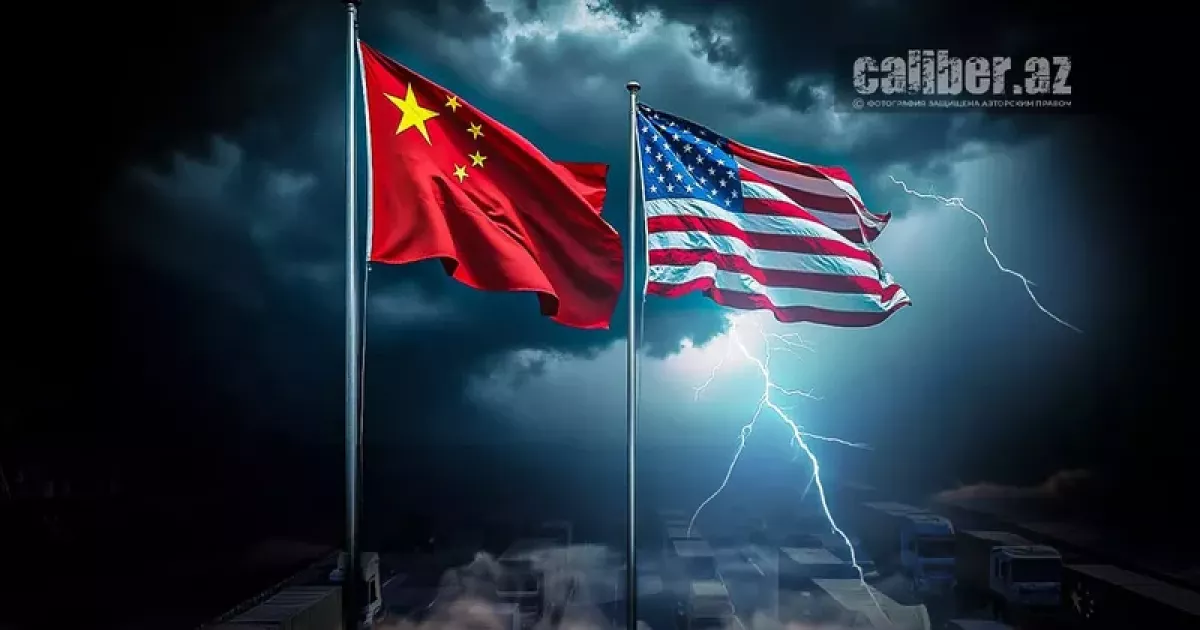
Although the G20 summit in Johannesburg can be regarded as a success, the absence of certain leaders and disagreements among global players clearly demonstrated that the unity and legitimacy of this platform remain in question. For the first time since the G20’s inception, the leaders of the U.S., China, and Russia did not participate in the summit: the U.S. boycotted the event, while Russia and China were represented by delegations. One reason for this appears to be disagreements between Beijing and Washington. Perhaps for this reason, Premier Li Qiang, heading the Chinese delegation to the G20, called at the summit for the protection of free trade and an open global economy against rising protectionist tendencies and trade wars, which contradicts the policies of the current U.S. administration.
For this reason, experts believe that the next G20 meeting, scheduled to take place in the United States, will serve as a strategic test that will determine the future of this structure.







 editor@caliber.az
 +994 55 444-88-98
 Азербайджан, Баку, ул. Низами, 203, Af Business House, 5-й этаж