










Azerbaijan at the heart of the modern Silk Road Review by Teymur Atayev
On the eve of the closing press conference of the 51st Annual Meetings of the Islamic Development Bank (IsDB) Group, Chairman Muhammad Sulaiman Al Jasser announced that 67 agreements worth a total of 6 billion US dollars had been signed within the framework of the event. According to him, these projects will contribute to strengthening connectivity among member countries, advancing sustainable development goals, and addressing a range of other challenges.
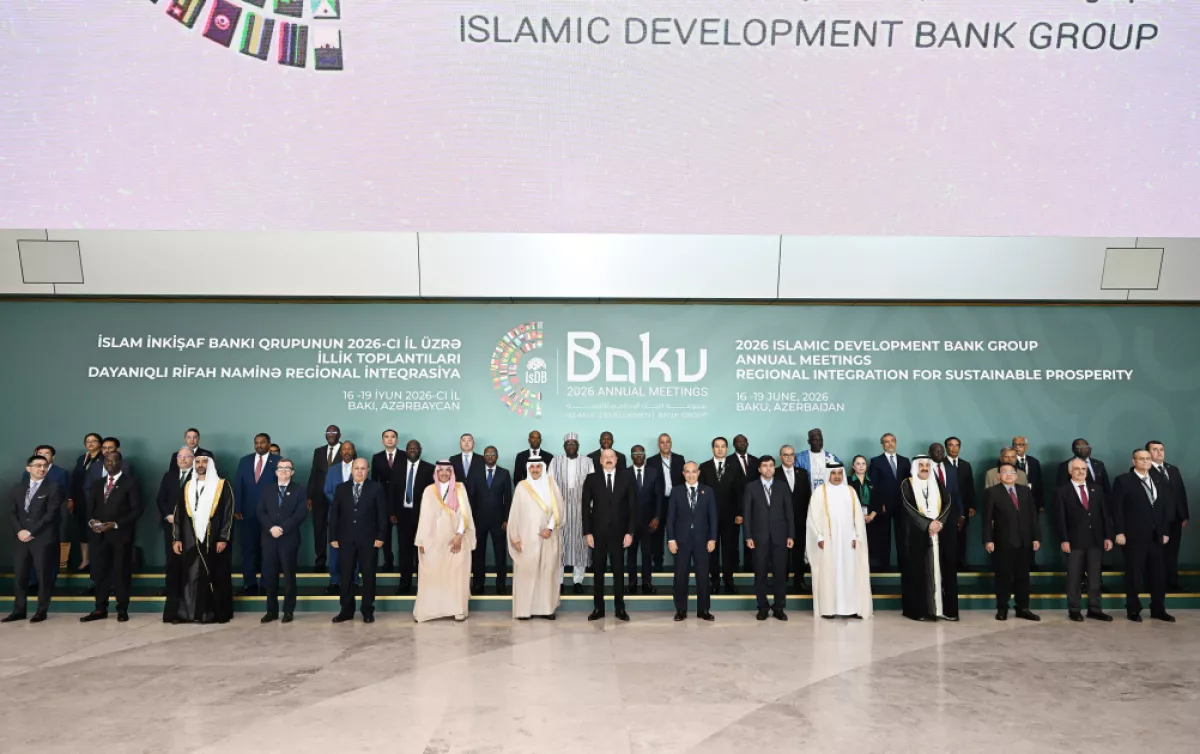
The figures cited by Al Jasser are highly significant, which is hardly surprising. The Baku international platform—whether COP29, WUF13, or the current event—consistently demonstrates that global forums held in Azerbaijan deliver particularly tangible results.
It is no coincidence that during the opening of the current meeting in Baku, Al Jasser highlighted the high level of organisation and the symbolic coincidence of the event with Azerbaijan’s National Salvation Day, which, as he noted, marked a pivotal moment in the country’s history and opened a new chapter in its development. He also stated that Azerbaijani soil, “From the ancient Silk Road to today’s Middle Corridor, this land has, for centuries, linked East and West, North and South, transforming geography into shared opportunity.”
On the one hand, these words reflect the geopolitical significance of Azerbaijan, and on the other, they highlight historical continuity. One may recall the 1998 International Conference in Baku on the restoration of the historical Great Silk Road (GSR).
The National Leader, Heydar Aliyev, then emphasised the immense role that transport routes have always played in the history of human civilisation, shaping politics, the economy, and culture. He described the Great Silk Road as a unique global phenomenon encompassing thousands of years of history of many countries and peoples, including Azerbaijan, which, from ancient times, has been an important link in this chain and has served as a bridge between Europe and Asia.
Heydar Aliyev also stressed that the involvement of new countries and regions in the Great Silk Road would provide a powerful impetus for the rapprochement and mutual enrichment of peoples, the strengthening of the independence and sovereignty of states, and would contribute to ensuring peace, stability, and security for all.
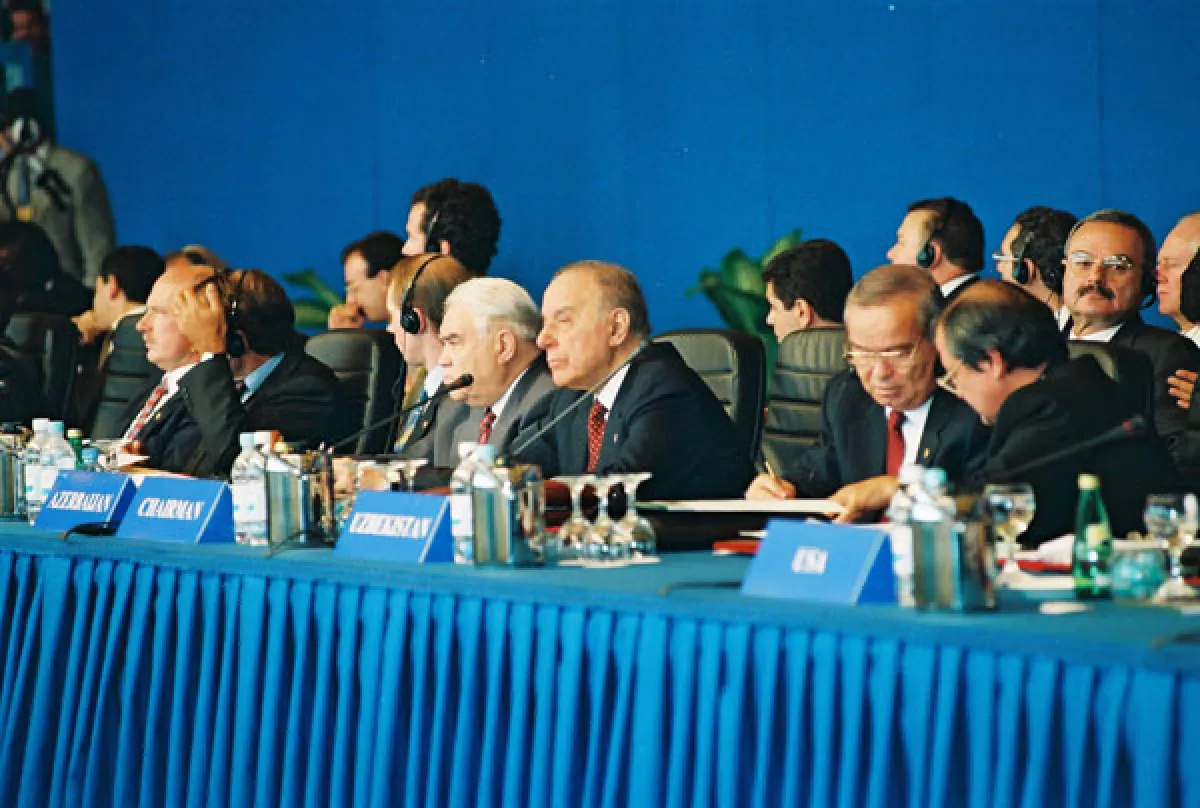
The National Leader described the Great Silk Road as a project rooted in the past and simultaneously a road to the future, expressing confidence that “if we move along it together, cooperating, respecting, and supporting one another,” this path would lead our peoples to prosperity and development.
It is impossible not to acknowledge how accurate Heydar Aliyev’s vision proved to be. This line, of course, had to be consistently supported and developed. The foundation he laid enabled President Ilham Aliyev, in 2017 at the World Economic Forum in Davos, to state not only that Azerbaijan was investing directly in the reconstruction of its segment of the Silk Road and giving momentum to initiatives promoting regional cooperation, but also that it was providing political support to the project.
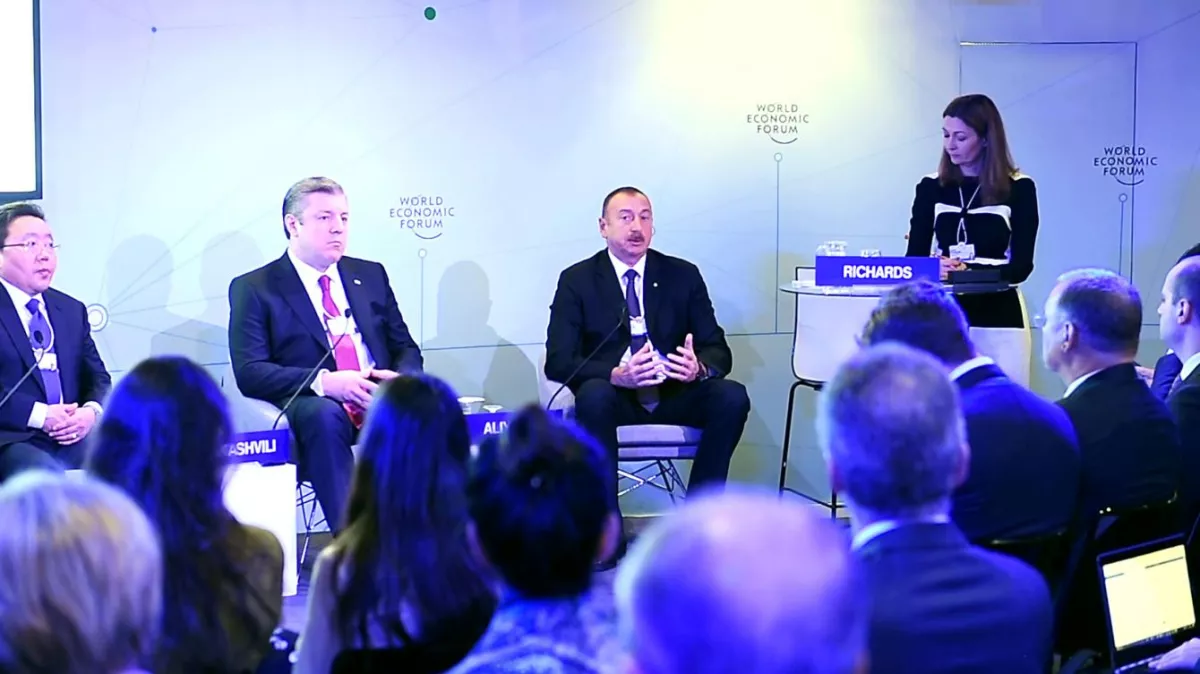
At the same time, President Aliyev emphasised that Azerbaijan is one of the few countries that is simultaneously a member of the Council of Europe and the Organisation of Islamic Cooperation.
The country’s geographical position between Europe and Asia, combined with its historical heritage and political agenda, facilitates the implementation of this initiative.
In parallel, Baku is also developing the “North–South” project, which, once integrated with the Silk Road, will open a new transport route.
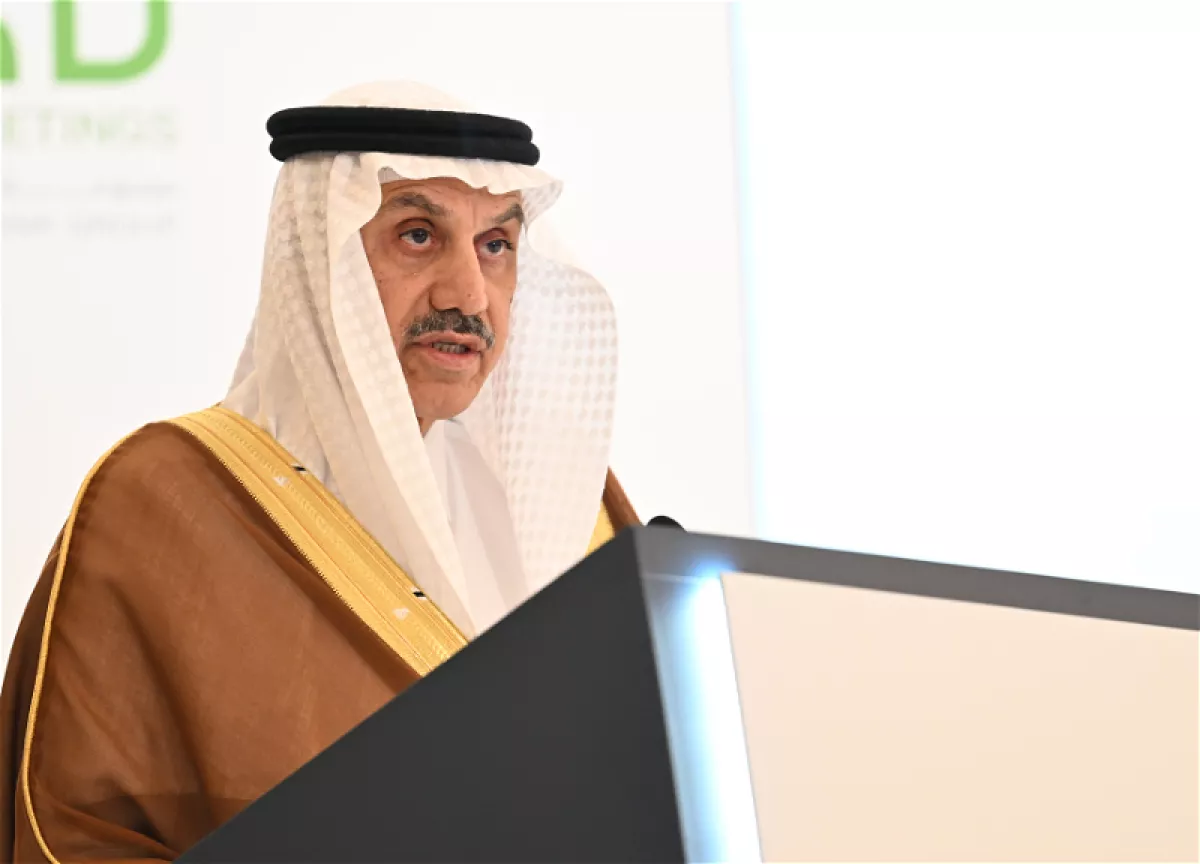
By doing so, Al Jasser, at the opening of the Baku Forum, effectively demonstrated how consistently and carefully Azerbaijan has pursued its chosen course over the past decades, which has led to the country becoming what the world sees today.
Against the backdrop of the current global crisis of political leadership—when loud statements and public promises made by many self-proclaimed “first among equals” often turn out to be empty words—another approach becomes especially noticeable. Both Heydar Aliyev and President Ilham Aliyev have always backed their words with concrete actions. It is precisely for this reason that Azerbaijan today is counted among influential middle powers whose opinion cannot be ignored.
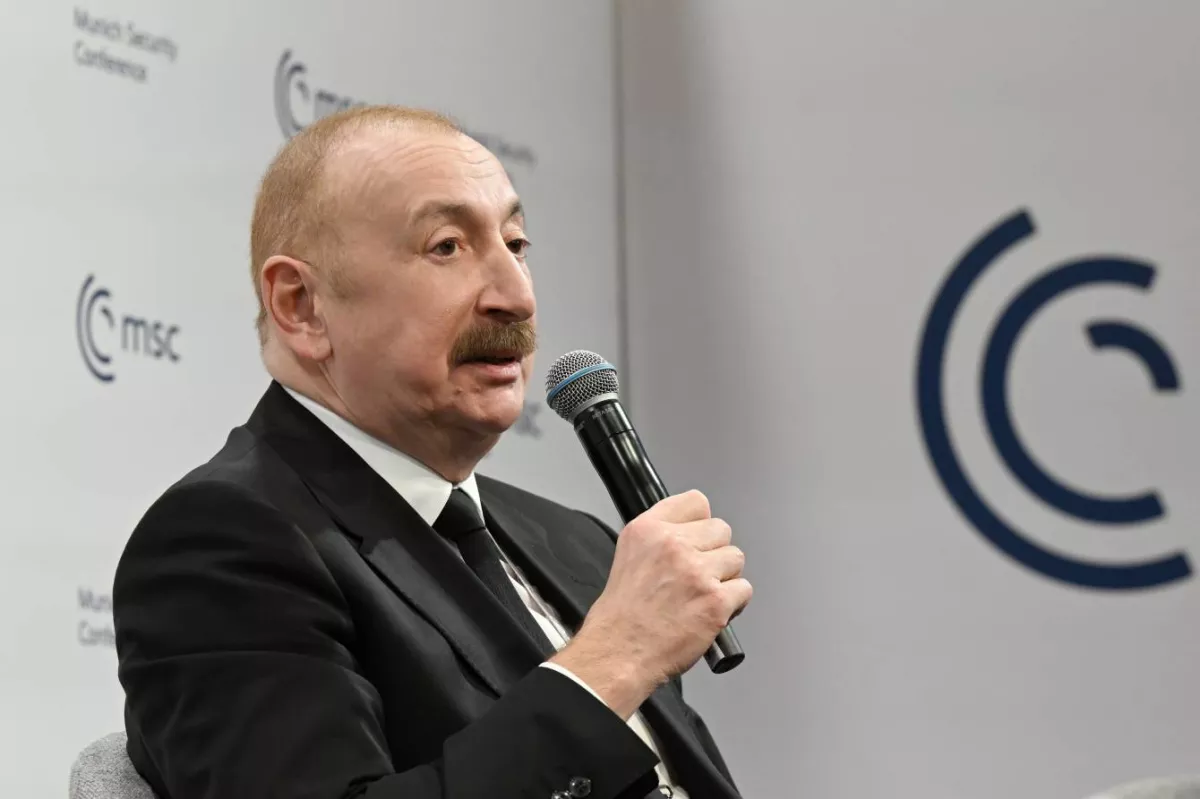
In February, speaking at the Munich Security Conference, President Ilham Aliyev stated that in order to become a regional transport hub, it is necessary to maintain good-neighbourly relations with surrounding countries. At the same time, the foundation of success lies not only in Azerbaijan’s favourable geographical position between Europe and Asia, but also in the availability of modern physical infrastructure.
At the 2026 Baku meeting of the IsDB Group, President Ilham Aliyev noted that in Azerbaijan’s case, geography has become not a burden but a real advantage—not only for the country itself but also for many other states, as the transport corridors passing through its territory form a unified and coordinated logistics system. Is this not the kind of development scenario the National Leader referred to back in 1998, as noted above?
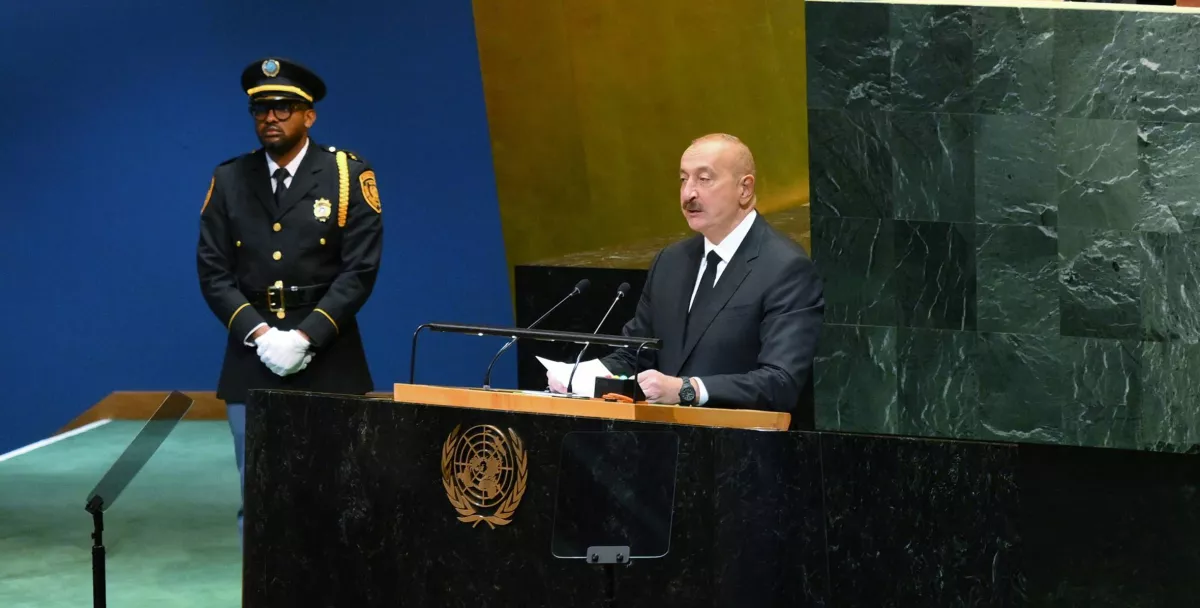
It was not by chance that, at the 80th session of the United Nations General Assembly in 2025, the Head of State expressed Azerbaijan’s readiness to share its positive experience.
It may be suggested that Al Jasser effectively drew the international community’s attention once again to Azerbaijan’s approach, emphasising the importance of transforming solidarity into collective action and shared responsibility.
Thus, today it is the real—not merely declarative—global leaders who recognise Baku’s leading role in a range of key political and economic issues. This has become particularly evident in recent years against the backdrop of global geopolitical turbulence.







 editor@caliber.az
 +994 55 444-88-98
 Азербайджан, Баку, ул. Низами, 203, Af Business House, 5-й этаж