










Baku’s emphasis and arguments President Aliyev’s key messages from Aghdam
The implementation of the State Program “Great Return,” under which modern residential complexes, transport infrastructure, schools, kindergartens, and medical facilities are being built on the Azerbaijani lands liberated from occupation, and industrial parks and various production enterprises are being established, is one of the main priorities of the Azerbaijani state’s policy. A clear demonstration of this was the participation of President Ilham Aliyev and First Lady Mehriban Aliyeva in the ceremony inaugurating the second residential complex in the city of Aghdam, which took place on December 24.
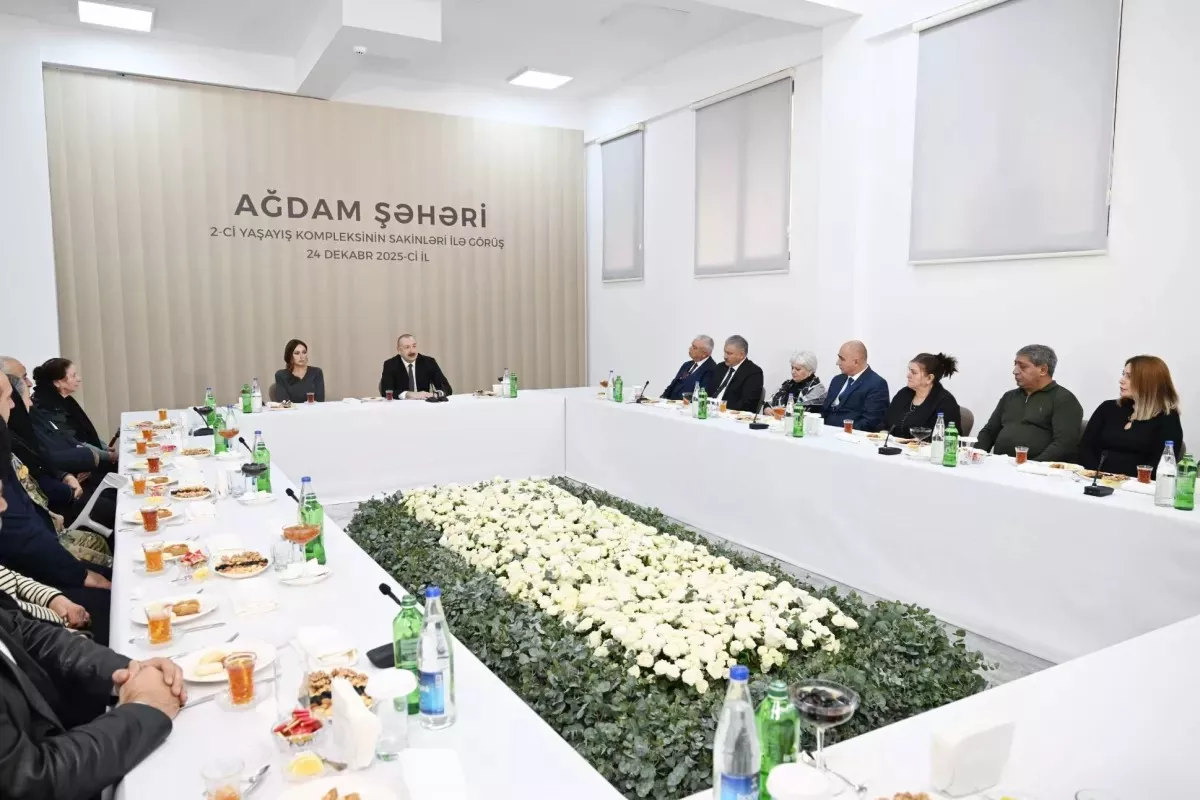
This new residential complex once again vividly demonstrated that the large-scale reconstruction of Karabakh and East Zangezur is progressing at a rapid pace. In this context, Ilham Aliyev, during a meeting with residents who had moved to the city of Aghdam, emphasised the great importance of implementing social projects in the liberated territories, while also drawing attention to the factor of Armenian separatism and its associated aspects.
First of all, the head of state emphasised that during the period of occupation, Aghdam was practically subjected to urbicide:
“In other words, the city was razed to the ground by the Armenian state. This was a clear example of a deliberate policy by Armenia and an expression of its hostility toward us. Their goals were also clear. First and foremost, it was looting, as the stones of all the buildings were dismantled one by one and sold in various places in Armenia. On the other hand, the Armenian state sought to fully erase the historical heritage of the Azerbaijani people in these regions. A third goal was to render the city uninhabitable, so that Azerbaijanis could never think of returning. But they made a mistake. We, the people of Azerbaijan, lived all these painful years with only one goal in mind: to return to our native ancestral land and restore these territories, cities, and villages. The people of Azerbaijan never came to terms with the occupation.”
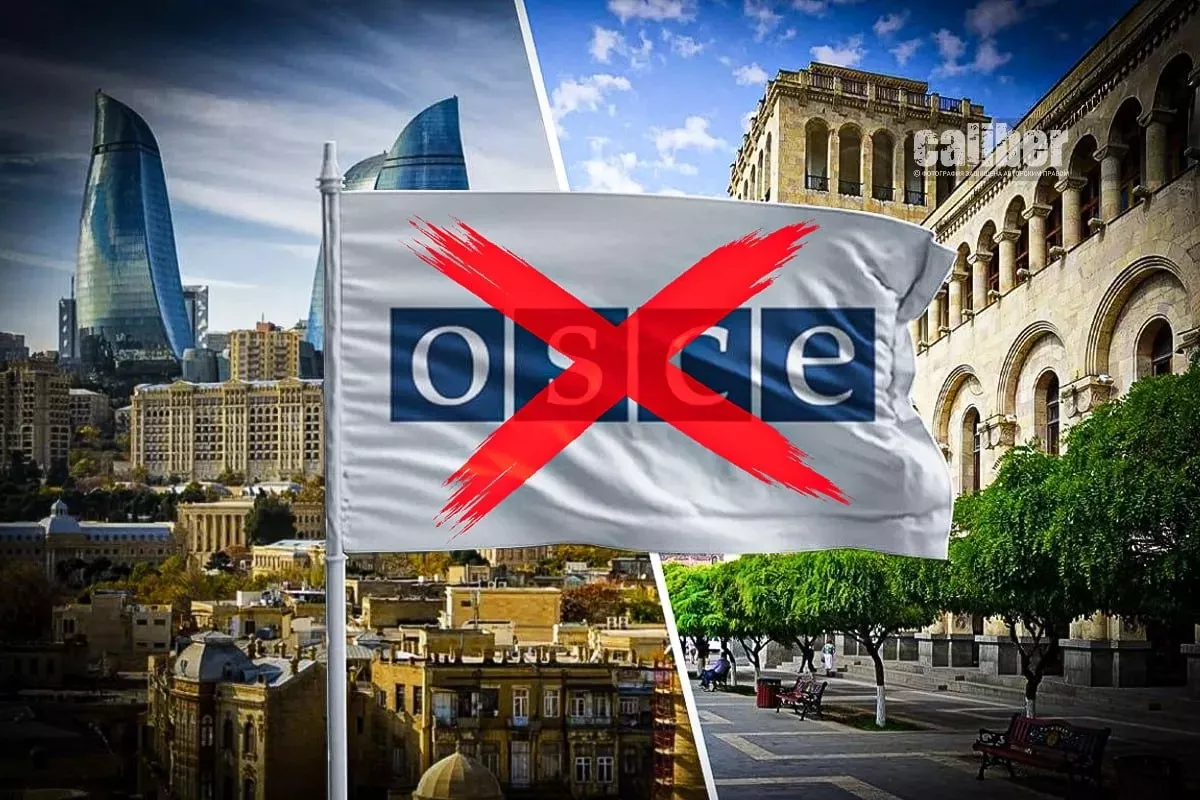
Clearly, this message from President Aliyev was addressed not only to Armenia but also to the accomplices of Armenian separatism in the form of certain countries and individual international structures. In his speech, Ilham Aliyev once again delivered a firm but fair assessment of the now-defunct OSCE Minsk Group, which, in essence, acted as a guarantor of support for the Armenian occupation throughout its existence.
“However, the institutions dealing with the Armenia-Azerbaijan conflict, including those empowered by international organizations, held a different opinion. They were often in solidarity with Armenia, the occupying and plundering state. I would like to specifically note the incompetent and anti-Azerbaijani activities of the OSCE Minsk Group. This group was established in 1992, coinciding with the first stage of the occupation of our lands. Instead of resolving the issue, the goal of the group and its co-chairs was to make the occupation permanent, justify Armenia, and coerce the Azerbaijani people and state into accepting it. I had been in contact with the OSCE Minsk Group co-chairs for 17 years, holding numerous meetings. Over the years, I observed that their goal was not to resolve the issue, end the occupation, or implement UN Security Council resolutions, but to make the occupation permanent,” said Ilham Aliyev.
On September 1, the Council of Ministers of the Organization for Security and Cooperation in Europe (OSCE) decided to close the Minsk process and its related structures, marking another diplomatic success for the Azerbaijani state. This decision is the logical outcome of the Washington negotiation format involving the leaders of Azerbaijan, Armenia, and the United States, which became a turning point in the regional politics of the South Caucasus and, more broadly, in the system of international relations. This fact put a definitive end to the more than 30-year history of the fruitless existence of the amorphous OSCE Minsk Group.
Returning to the speech of the head of state in Aghdam, Ilham Aliyev particularly emphasised the activities of certain international organisations that, according to him, made correct decisions during the Armenian-Azerbaijani war and afterward, but did not take a single step to implement those decisions.
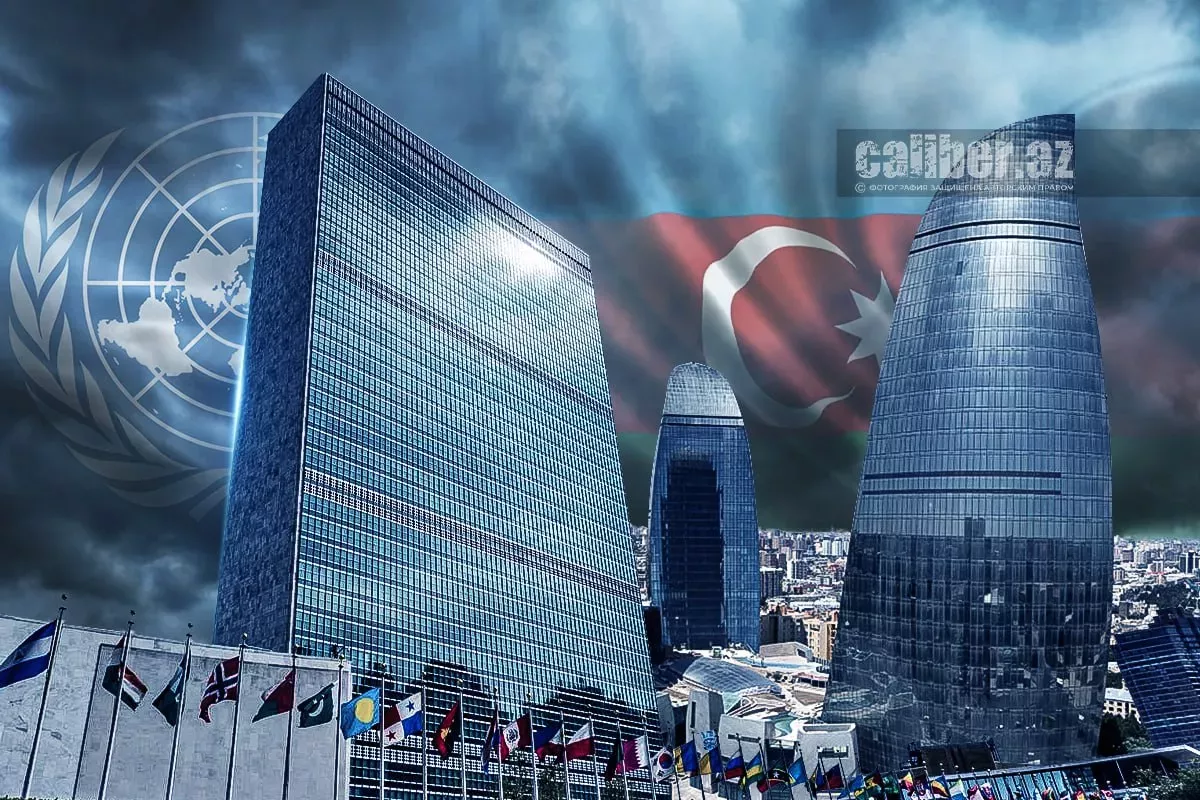
Evidently, this primarily concerns the United Nations Security Council (UNSC), whose resolutions demanded the immediate and unconditional withdrawal of all Armenian armed forces from the occupied territories of Azerbaijan—resolutions that were never implemented, as Armenia ignored them. Yet the UN exerted no pressure on Yerevan on this issue, repeatedly limiting itself to declarative calls expressed on paper. Meanwhile, strict pressure measures were applied to other states.
In other words, the structures that, by logic, are supposed to uphold the norms and principles of international law created an environment in which the so-called “Karabakh regime” felt quite at ease, opening offices in several countries and enjoying the support of certain Western politicians, including U.S. congressmen, who visited the occupied territories of Azerbaijan, thereby effectively legitimizing the illegal regime.
In his speech, Aliyev, based on strong arguments, exposed the hypocritical policies of these institutions, noting that the Armenian occupation could have been ended if leading states had imposed sanctions on Armenia.

We all clearly remember the malicious efforts when, under the guise of good intentions, certain countries and institutions effectively provided financial support to the aggressor state. In this context, an example can be cited of fundraising in the United States and the annual allocation of significant sums by Europe under the pretext of humanitarian aid in favour of the illegal entity.
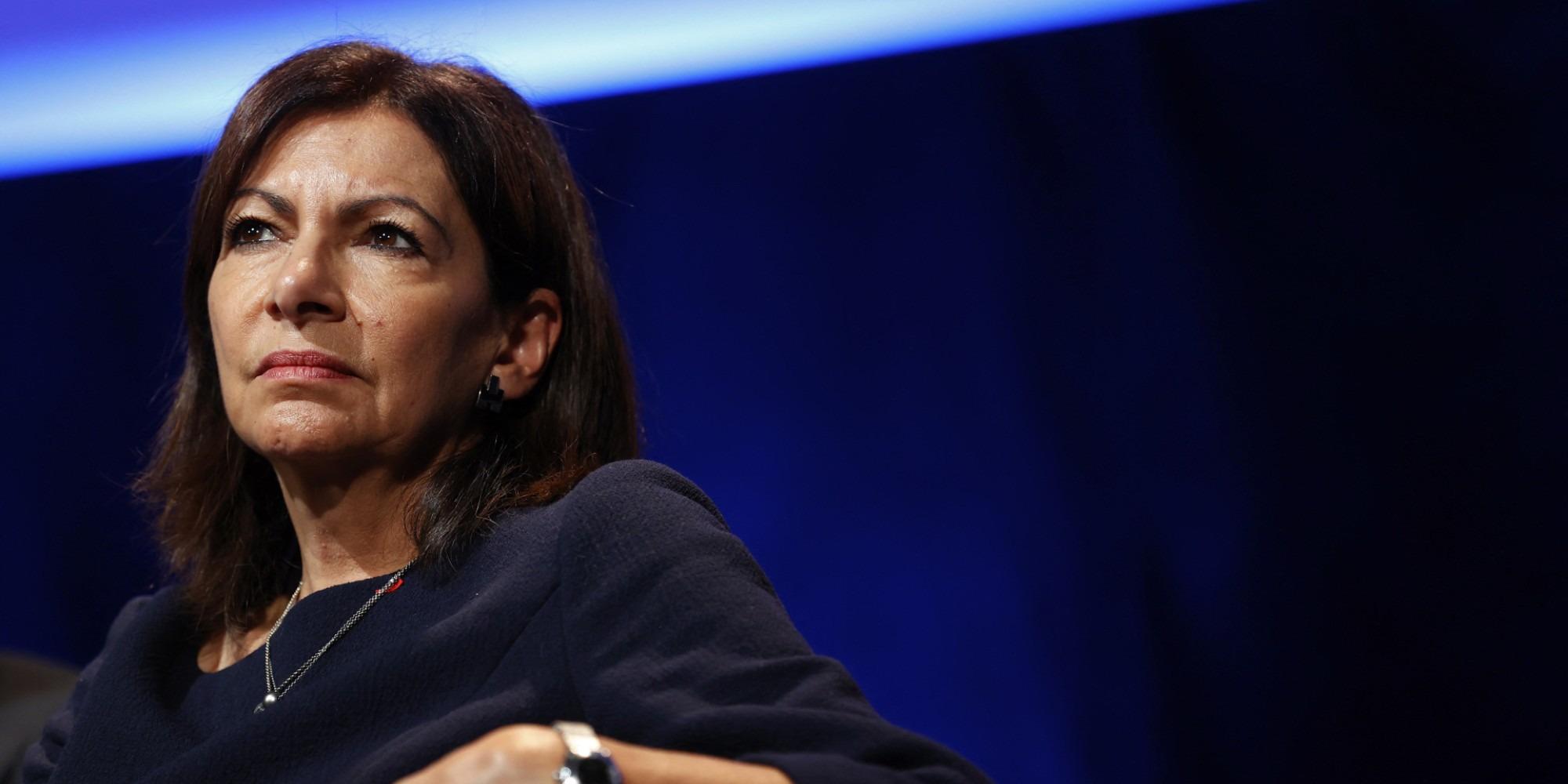
Here is another illustrative example of such actions by certain Western countries. In September 2023, the Romanian online publication Stiri pe surse reported in an article about financial assistance provided by Paris Mayor Anne Hidalgo to Armenian separatists in Karabakh. The article emphasised that she frequently held meetings with the separatists and sent letters to the French Minister of Foreign Affairs requesting recognition of the so-called “Artsakh.” Additionally, in August of the same year, several vehicles were sent toward the Lachin border checkpoint under the guise of “humanitarian cargo,” accompanied by officials from several French cities, including Hidalgo.
The active militarisation of Armenia by France, including during the post-conflict period, also fits into the pattern of Paris’s openly hostile policy toward Azerbaijan. This is further confirmed by a report submitted in November 2025 by the French Ministry of Armed Forces to the Parliament, which states that in 2023–2024, Armenia signed contracts with France for the supply of weapons totalling more than 274 million euros.
Notably, despite the peace process, attempts are being made, with the support of an influential Armenian lobby in the West, to reinterpret the outcome of the war and promote claims of alleged “forced displacement” of Armenians from Karabakh. Therefore, certain international structures and politicians are fostering ideas of revanche within Armenian society and creating conditions that could lead to a new conflict in the region.
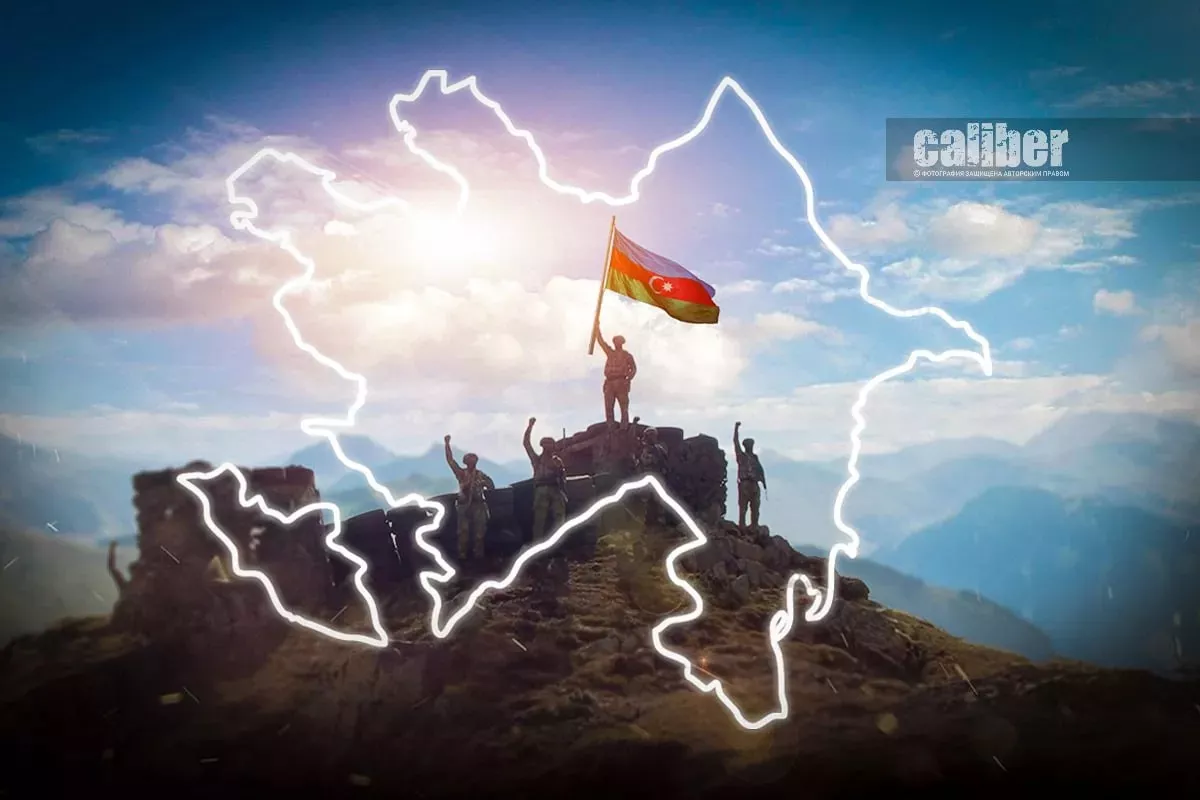
Taking this into account, in his speech in Aghdam, Ilham Aliyev particularly emphasised the following: “We must be vigilant. We must always be strong [...] In order to achieve eternal peace, we must always be several times stronger than our potential enemies.”
These words of the head of state serve as a guide for the current generation and should become a principle for future generations entrusted with preserving and protecting our homeland—the independent and sovereign Republic of Azerbaijan. Adversaries of our country should also remember that Azerbaijan’s “Iron Fist” grows stronger and more formidable with each passing day.







 editor@caliber.az
 +994 55 444-88-98
 Азербайджан, Баку, ул. Низами, 203, Af Business House, 5-й этаж