










Baku+ strategy: unlocking Azerbaijan’s regional tourism potential Overview by Khazar Akhundov
Over the past two decades, Azerbaijan — primarily Baku — has managed to build a relatively developed tourism industry. In terms of the number of five-star hotels operated by renowned international brands, high-end leisure facilities and restaurants, as well as mountain and balneological resorts, the country is among the leaders of the Caspian region.
However, despite the post-pandemic growth of inbound tourism, Azerbaijan’s tourism sector has yet to return to the record levels achieved in 2019. Measures aimed at overcoming stagnant trends and the prospects for further development of the sector were discussed at a World Bank event held in Baku titled “Unlocking Azerbaijan’s Tourism Potential for Economic Growth and Diversification.”
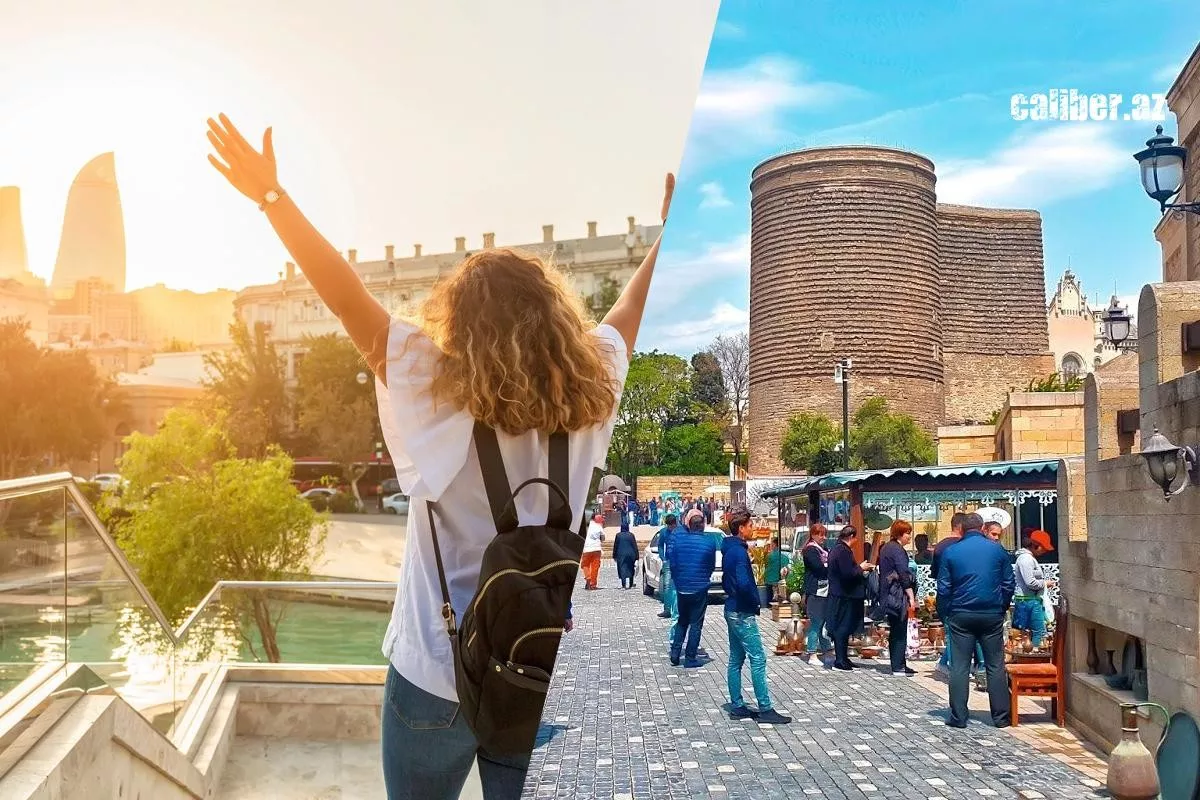
The recovery of Azerbaijan’s tourism sector in the post-pandemic period has been largely driven by the efforts of the State Tourism Agency and the Azerbaijan Tourism Board, which have actively promoted domestic tourism products and new destinations at specialised exhibitions and forums, while expanding marketing campaigns in the Gulf countries, Central and South Asia, Europe, as well as Russia and other post-Soviet states.
As a result, despite starting from a low base, Azerbaijan’s tourism sector recovered by more than 80% of pre-crisis levels during 2022–2024, with inbound tourism serving as the main driver of this growth.
The benchmark in this regard remains the pre-crisis year of 2019, when Azerbaijan achieved an all-time record since gaining independence, welcoming 3.2 million foreign tourists. The country has not yet returned to this level; however, in 2024, Azerbaijan received nearly 2.627 million foreign visitors and stateless persons from 196 countries, marking a 25.9% increase compared with the previous year. The total spending of international tourists in Azerbaijan exceeded $5.1 billion.
Unfortunately, Azerbaijan failed to build on the momentum achieved two years ago. Due to a number of geopolitical factors, 2025 saw a noticeable decline in the number of visitors from Russia and India, while arrivals from several post-Soviet countries and Middle Eastern states also decreased.
In January–May 2026, the tourism sector’s performance indicators, regrettably, also showed no signs of improvement. During the reporting period, Azerbaijan welcomed 871,700 foreign visitors from 186 countries, 11% fewer than in the same period last year. Moreover, international tourists spent 943.99 million manats ($555 million) in the country, 22.9% less than in the previous year.
In addition, global economic challenges continue to affect tourism development in most countries worldwide. These include high inflation, signs of recession, and an unprecedented rise in aviation fuel prices caused by conflicts in the Middle East, which, in turn, has resulted in higher airfares.

However, geopolitical, climate, fuel and other challenges are far from being the only reasons behind this situation. Speaking at the event “Unlocking Azerbaijan’s Tourism Potential for Economic Growth and Diversification,” World Bank (WB) Regional Director for the South Caucasus Rolande Pryce noted that Azerbaijan’s economic growth rate stood at 1.4% in 2025, driven by the continued decline in oil production and slower growth in the non-oil sector.
“As hydrocarbon production gradually declines, the non-oil sector will play a greater role in supporting sustainable economic growth and creating quality jobs. In this context, tourism is viewed as one of the sectors with the greatest potential to boost growth and diversify the economy,” she said.
According to Pryce, Azerbaijan has a unique combination of advantages for the development of the tourism industry, including a rich cultural heritage, diverse natural landscapes, well-developed international transport connectivity, and a strategic location between Europe and Asia.
However, compared with neighbouring countries, the potential of Azerbaijan’s tourism sector has yet to be fully realised — both in terms of the number of visitors attracted, the creation of new jobs, and its contribution to regional development.
According to the World Bank’s Regional Director, further progress in the sector requires a transition from a model focused primarily on Baku and the hosting of major events to a more diversified tourism ecosystem that unlocks the potential of the country’s regions.
“Tourism destinations must be better managed, transport accessibility to regions improved, accommodation and services expanded outside the capital, local entrepreneurs supported, investments in workforce training increased, and air connectivity and access to international markets further developed,” she said.
Importantly, these and other proposals have been incorporated into a World Bank-developed roadmap containing a set of recommendations aimed at accelerating the development of Azerbaijan’s tourism sector.
Particular attention should be paid here to issues related to the liberalisation of air connectivity. When choosing a holiday destination, international travellers generally take the cost of air tickets into consideration. This factor also plays an important role in boosting the growth of outbound tourism.
As World Bank Senior Private Sector Development Specialist Shaun Mann noted at the forum, “expanding air connectivity plays an important role in tourism development: the growth of tourism destinations should be accompanied by close cooperation with the aviation industry to open new air routes.”
At the same time, according to the World Bank representative, efforts are needed to broaden the geographic base of inbound tourism. Currently, just three or four major markets account for 66% of all foreign tourists arriving in Azerbaijan, creating structural risks for the country’s tourism sector.
Progress in air connectivity, along with the simplification and digitalisation of the visa regime between 2017 and 2025, has contributed to a certain diversification of Azerbaijan’s tourism markets. In particular, the number of tourists arriving in Azerbaijan from India, Saudi Arabia, Israel, China, Pakistan, and Türkiye has increased.
This is particularly important, as dependence on tourist flows from a limited number of countries may lead to a sharp decline in demand, especially in the event of economic or political changes in those markets. As Shaun Mann emphasised, further tourism growth in Azerbaijan requires a systematic approach to investing in tourism destinations and the market segments for which these destinations can be attractive.
In his view, all tourism destinations go through a certain development life cycle, and at the initial stage, investment in fundamental institutions and infrastructure is of key importance. Azerbaijan has already made significant progress in this direction: international brands are represented in the country, major investments have been made, and global events have been hosted, helping Azerbaijan gain international recognition and appear on the global tourism map.
Today, the task is to increase the economic value of tourism, invest in the development of tourism products and new destinations — especially in the country’s regions — by offering international visitors the “Baku+” tourism model.
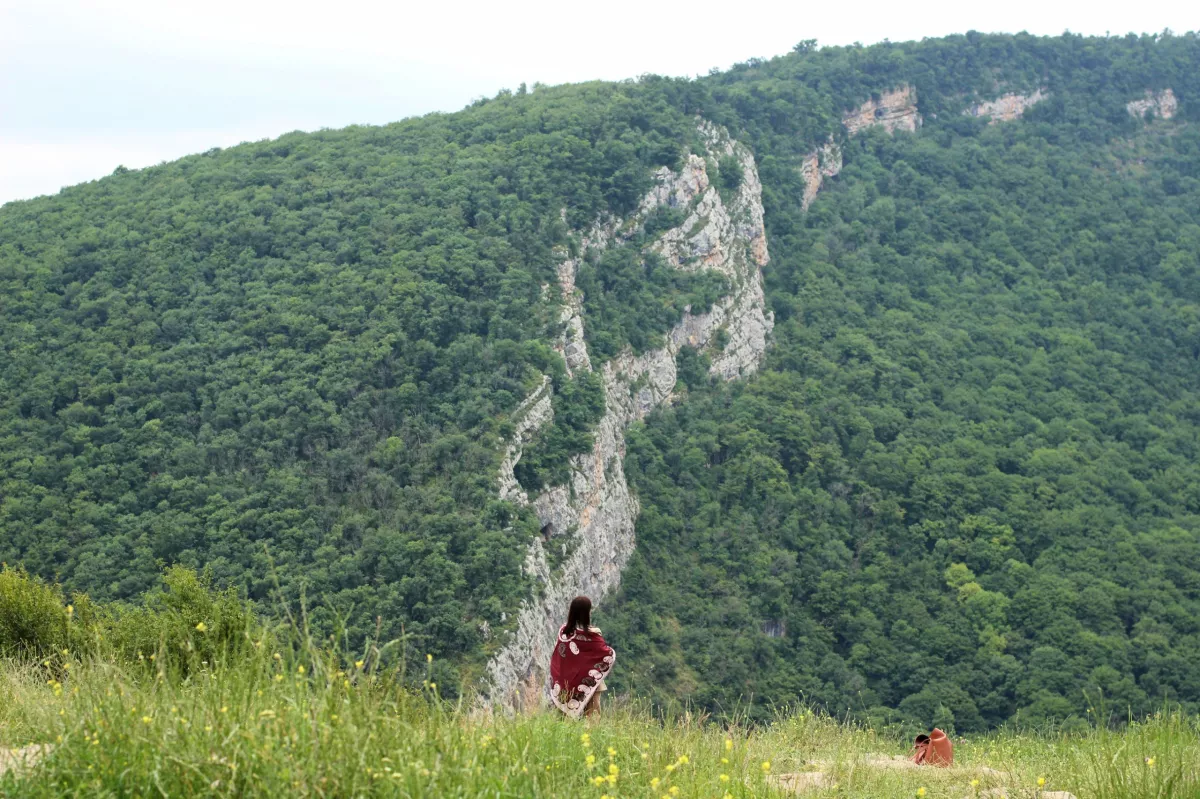
In this regard, the development of the recreational potential of the liberated territories appears to be a promising direction.
Speaking at the forum, Chairman of the Board of the Azerbaijan Tourism Board Florian Sengstschmid stated that “Karabakh has significant potential for the development of Azerbaijan’s tourism industry.”
“When we talk about tourism, we are talking about roads, electricity supply, and all the necessary infrastructure that must be put in place before a tourist can receive quality service and enjoy a memorable travel experience. The new State Program aims to unite the efforts of various government agencies to develop the tourism industry, primarily in the regions. Azerbaijan’s tourism industry employs about 178,000 people, 73% of whom work in the country’s regions. Three-quarters of those employed in tourism work specifically in the regions,” he said.
According to Sengstschmid, the program identifies improving transport accessibility — including “last-mile” infrastructure — enhancing state support mechanisms, and subsidising infrastructure projects as part of tourism sector development among its priority objectives.
Investment in regional tourism infrastructure is of critical importance, taking into account the multiplier effect generated by the creation of a strong tourism ecosystem. Such an ecosystem can stimulate the development of transport, agriculture, and retail trade, support initiatives of small and medium-sized enterprises, and, most importantly, contribute to the creation of permanent jobs — particularly for women and young people — in the hospitality industry.
In this regard, the World Bank notes that the Azerbaijani government has already identified tourism as a strategic priority. The next key task is to transform plans and state programs into concrete investment projects, including through the strengthening of public-private partnership mechanisms. This, undoubtedly, would enhance the competitiveness of Azerbaijan’s regions in the international tourism market.







 editor@caliber.az
 +994 55 444-88-98
 Азербайджан, Баку, ул. Низами, 203, Af Business House, 5-й этаж