










Brussels’ Armenian asset: what lies behind EU aid? Article by Matanat Nasibova
Following the victory of the Civil Contract led by Nikol Pashinyan in the parliamentary elections held in Armenia on June 7, the European Union intends to significantly expand its support for the country, as stated by the EU’s chief diplomat, Kaja Kallas, at a press conference following the meeting of the Foreign Affairs Council in Luxembourg.
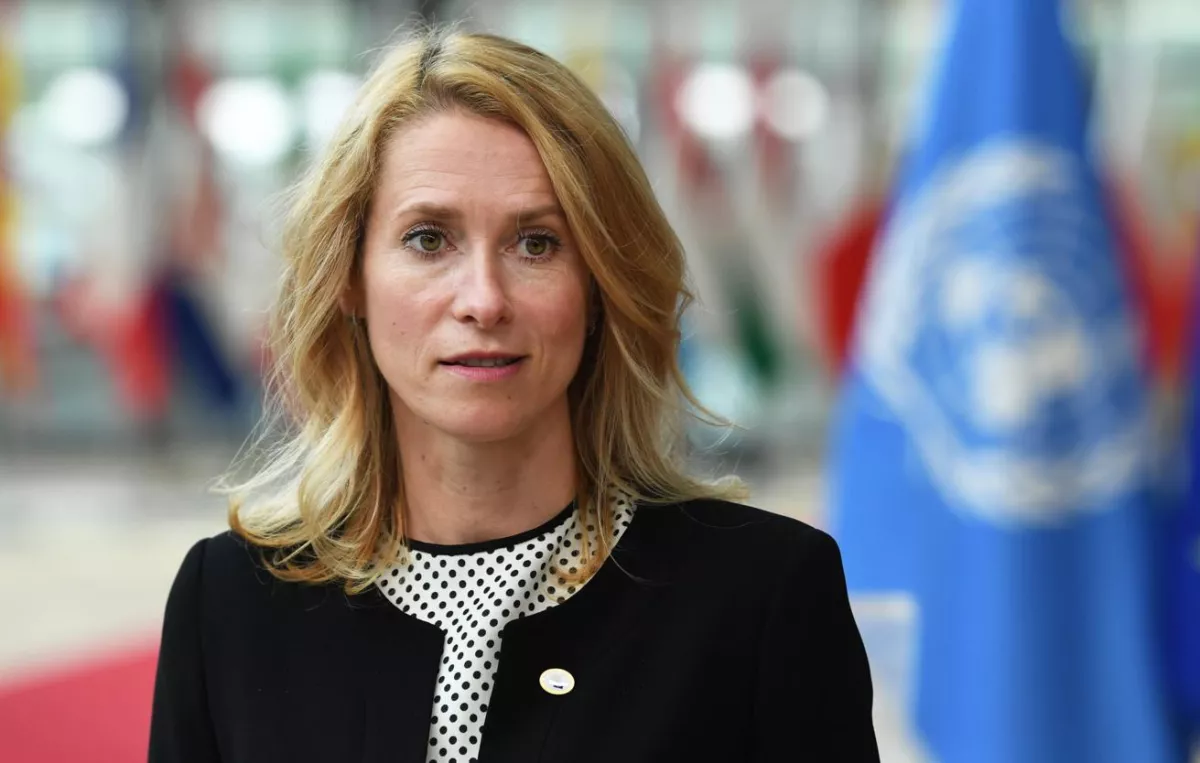
“The EU is already working on a major economic support package to help Armenia withstand Russia's unfair trading restrictions,” said the head of European diplomacy, adding that despite strong pressure and economic coercion from Russia, Armenian voters supported the course of rapprochement with the European Union. In addition, a new EU mission will soon begin operations in Armenia, with the formal tasks of countering cyberattacks, combating illicit financial flows, and responding to other security threats.
Thus, as we can see, the European Union’s plans regarding Armenia are quite extensive, which allows us to speak of Brussels’ far-reaching intentions not only toward this country itself, but also toward the entire South Caucasus region. In this context, the announced support measures should be viewed not merely as another financial aid package, but as a step aimed at achieving specific goals, the first of which is to ensure that Yerevan continues moving along the path of European integration despite external pressure.
In this context, the aid package can be seen as a signal to Armenian citizens that the course of rapprochement with the EU may yield tangible results in the form of investments, modernisation programs, support for infrastructure projects, and expanded international opportunities for this small South Caucasus country with limited economic potential. According to Brussels, this should serve as a strong incentive for Armenian society to continue supporting the European orientation of the country’s leadership.
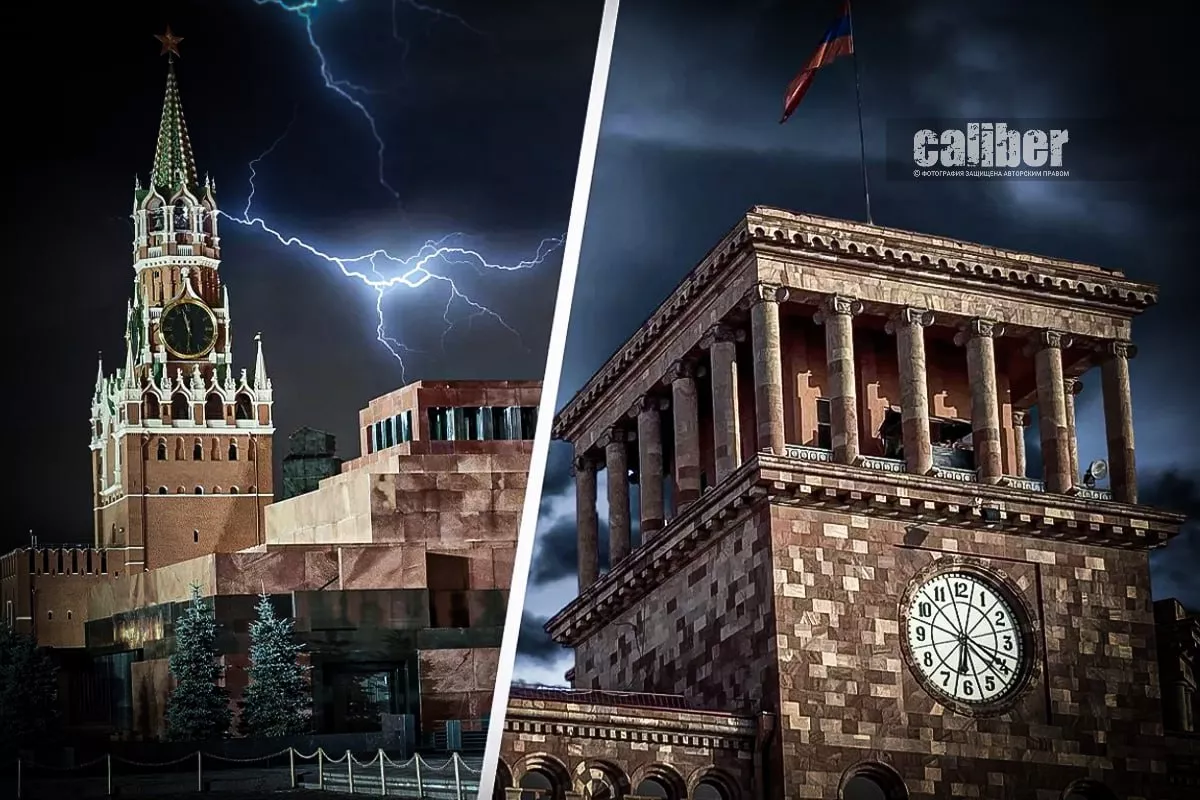
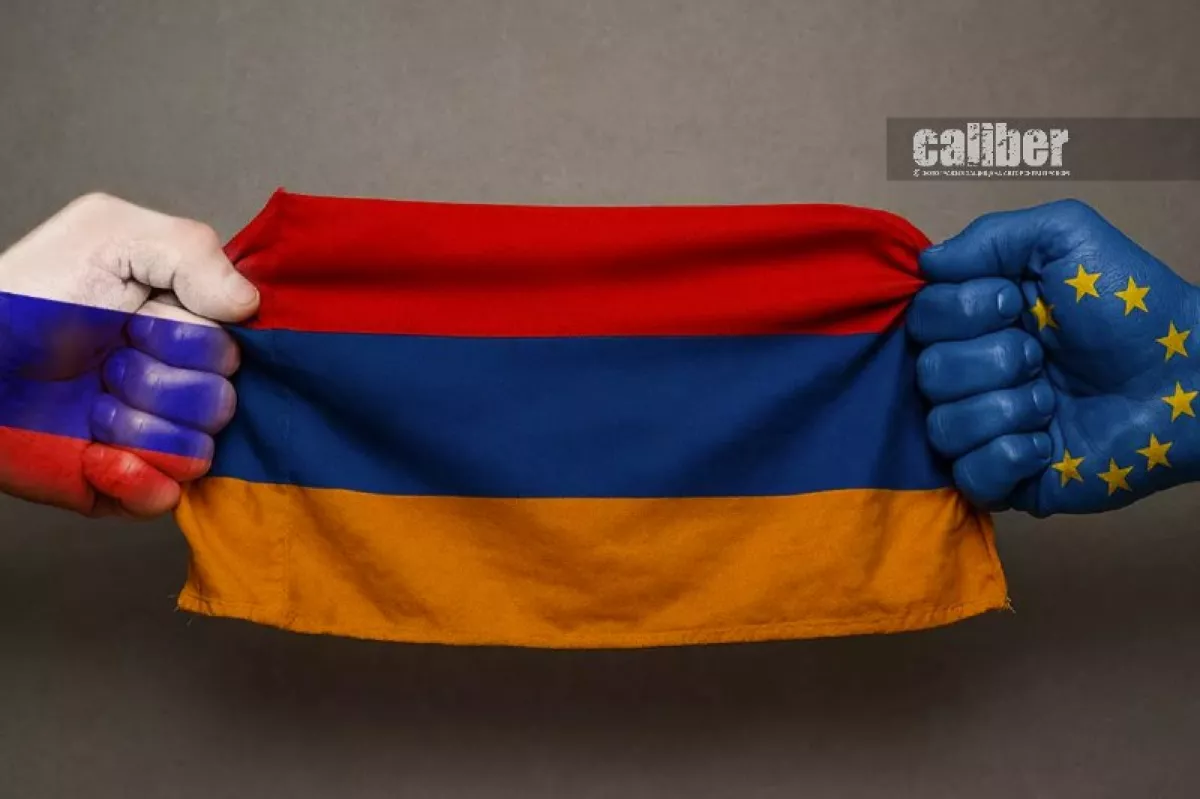
The second dimension of the mentioned aid package lies in the geostrategic sphere and concerns the EU’s conceptual strategy of strengthening its position in the South Caucasus through Armenia in particular. In simple terms, against the backdrop of the diminishing Russian influence in the region, Brussels is seeking to occupy this vacuum, and thus this country is becoming one of the arenas of global competition between the European Union and Russia.
This conclusion is also supported by statements made by Russian officials, which are sometimes filled with thinly veiled threats, comparisons of the actions of the Armenian authorities to a geopolitical trap similar to Ukraine, and warnings about possible severe consequences of Armenia’s rapprochement with the EU, such as a multiple increase in gas prices and the termination of duty-free supplies of goods.
In particular, at a press conference following the meeting of the Council of Foreign Ministers of the Collective Security Treaty Organisation (CSTO), the Russian foreign minister, in a blunt manner, criticised the Armenian authorities for what he described as dishonest conduct, noting that Armenia is systematically expanding cooperation with NATO. “While not participating in the CSTO, and formally remaining a member for more than two years, as I understand, Armenian colleagues do not attend events, and at the same time they are actively expanding cooperation with NATO member states: military exercises are being conducted, defence products are being purchased, [there is] an exchange of delegations on the military line both with NATO and with the EU, which is also now turning into a militarised structure.”
In turn, State Duma Speaker Vyacheslav Volodin, just on the eve of the parliamentary elections in Armenia, stated in an interview with “Vesti” that the country would lose its identity if it joined the European Union, as it had already lost the right to call its brand “cognac.” He also noted that the EU promises Armenia economic growth, as it once did to Ukraine, but Ukrainian products were never admitted to European markets because they were uncompetitive.
At the same time, Armenia, despite pressure from Russia, does not intend to cancel its European agenda, while also refraining from announcing its withdrawal from the Eurasian Economic Union despite all the announced EU support programmes.
These two aspects indicate that, in order to preserve internal stability, Yerevan will continue to attempt to balance between these centres of power, making maximum use of support from the European Union while avoiding open confrontation with Russia. This approach is most acceptable for the Armenian authorities, but it will inevitably lead to increased competition between Brussels and Moscow, leaving open the following question: “What will all this ultimately mean for the Republic of Armenia itself?”







 editor@caliber.az
 +994 55 444-88-98
 Азербайджан, Баку, ул. Низами, 203, Af Business House, 5-й этаж