










Choice without illusions: Belgrade sets its priorities Article by Matanat Nasibova
Relations between Serbia and the European Parliament (EP) have never been particularly smooth, but their steady downward trajectory began in earnest between 2020 and 2022. During this period, Strasbourg abandoned its policy of gentle admonition in favour of a far more confrontational approach, adopting a series of critical and hard-hitting resolutions targeting Belgrade.
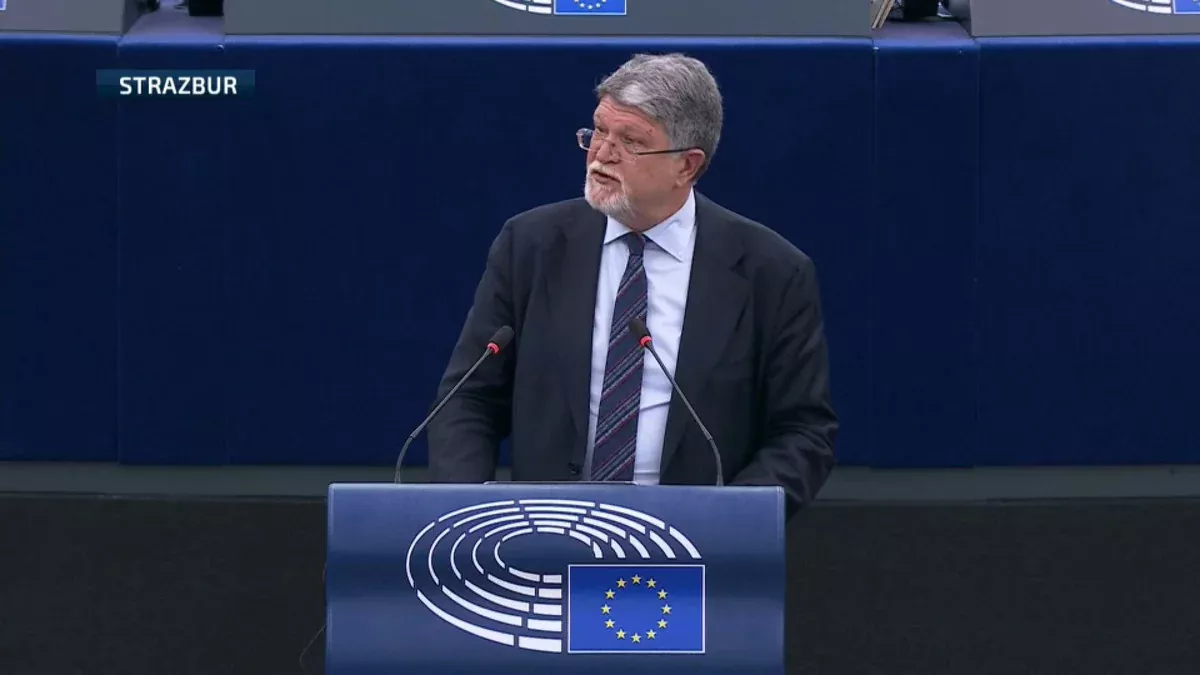
Particularly notable was the resolution adopted in October 2025, in which the European Parliament condemned the authorities' handling of protests that erupted following the tragedy in the city of Novi Sad. It also issued an ultimatum demanding that Serbia align itself with EU sanctions against Russia, warning that failure to do so would effectively rule out the country's accession to the European Union.
However, this demand is only one aspect of the European Parliament's broader grievances. Brussels' position is that Belgrade should bring both its domestic and foreign policies fully into line with the EU's course. For example, MEPs have repeatedly stressed the need for Serbia to implement all recommendations issued by the OSCE Office for Democratic Institutions and Human Rights (ODIHR) following parliamentary and local elections as a prerequisite for resolving the country's prolonged political crisis.
Most recently, the European Parliament took another step in its pressure campaign against Belgrade. The Parliament's rapporteur for Serbia, Tonino Picula, called on the European Commission to consider suspending financial assistance to Serbia under the Western Balkans Growth Plan, citing the findings of the EU's latest enlargement report on the country. "The Serbian government has said that accession to the Union is a strategic goal, but the facts do not support this," he said.
Following the principle of objectivity, it should be noted that the EU's latest Annual Enlargement Report indeed concludes that Serbia has made insufficient progress, while in several key areas it has even experienced backsliding. The report also expresses deep concern over growing political polarisation amid mass protests and highlights the country's inadequate efforts to combat corruption. In short, the EU institutions believe that Serbia "has so far demonstrated limited political will to undertake reforms or to align with the values and policies required for accession," placing the country's access to European funding at risk.
In this context, it is worth recalling that in April this year, EU Commissioner for Enlargement Marta Kos stated that the European Commission was considering suspending €1.5 billion in funding for Serbia due to these concerns. "We will continue to support Serbia on its EU path. But we expect the authorities to fully align its judicial laws with the Venice Commission's recommendations and to restore the independence of its media," she said. Against this backdrop, the initiative voiced by the influential Croatian politician and MEP from the Progressive Alliance of Socialists and Democrats, Tonino Picula, is essentially a continuation of an already established trend.
This is far from Picula's first attack on Belgrade. Known for his active involvement in EU foreign policy and enlargement issues in the Western Balkans, he has consistently criticised the Serbian leadership and is the author of several hard-line resolutions and reports on Serbia adopted by the European Parliament. His remarks on what is arguably Belgrade's most sensitive issue are particularly revealing. In an interview with Jutarnji List in October 2025, he stated that Serbia would have no prospect of joining the European Union without fully normalising its relations with Kosovo.
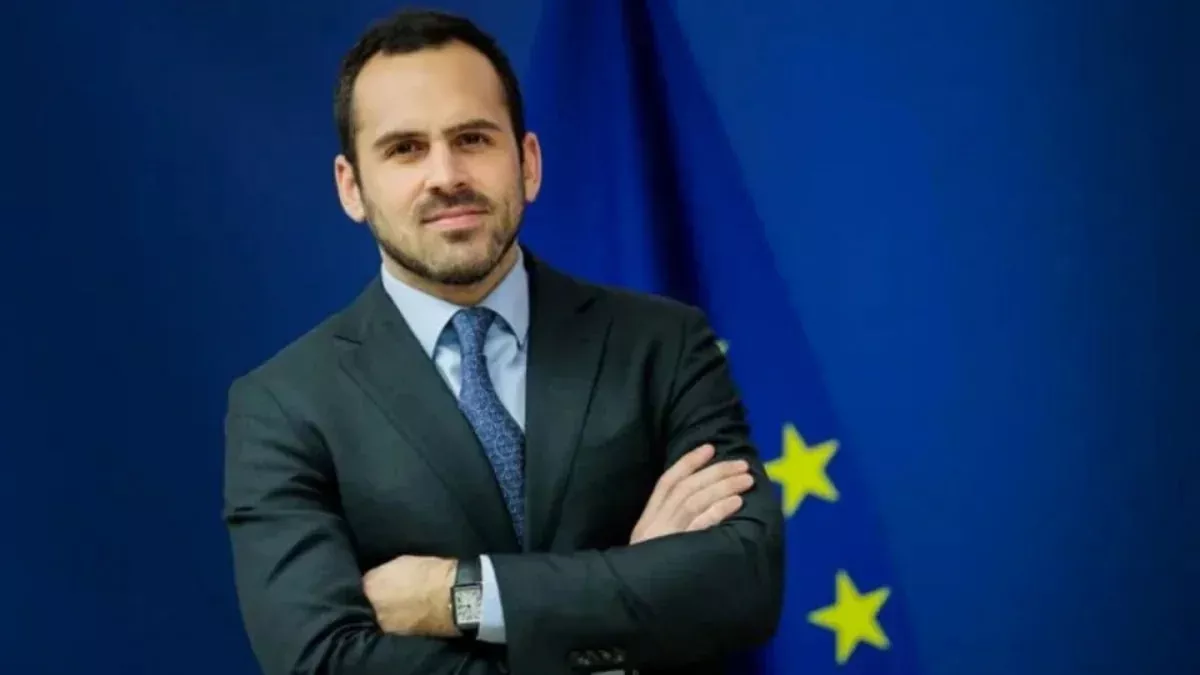
Nevertheless, despite these concerns, the European Commission has concluded that Serbia has fulfilled its key reform commitments, according to its spokesperson, Guillaume Mercier, speaking at a briefing in Brussels.
"Our assessment concludes that Serbia has recently implemented important elements of the commitments undertaken at the end of 2024, namely as regards the judicial reforms, the media regulatory body (REM Council) and the electoral legal framework [...] The Commission is of the view that Cluster 3 should be opened in July 2026 considering Serbia’s efforts on key matters and that the overall balance necessary for this step is currently ensured," he said.
At the same time, in keeping with the EU's customary approach, Mercier stressed that the European Commission would continue to closely monitor Serbia's implementation of reforms and their practical application. He added that Brussels expects the country to fully implement the recommendations of the Venice Commission and meet its commitments under the EU-facilitated dialogue on the normalisation of relations with Kosovo.
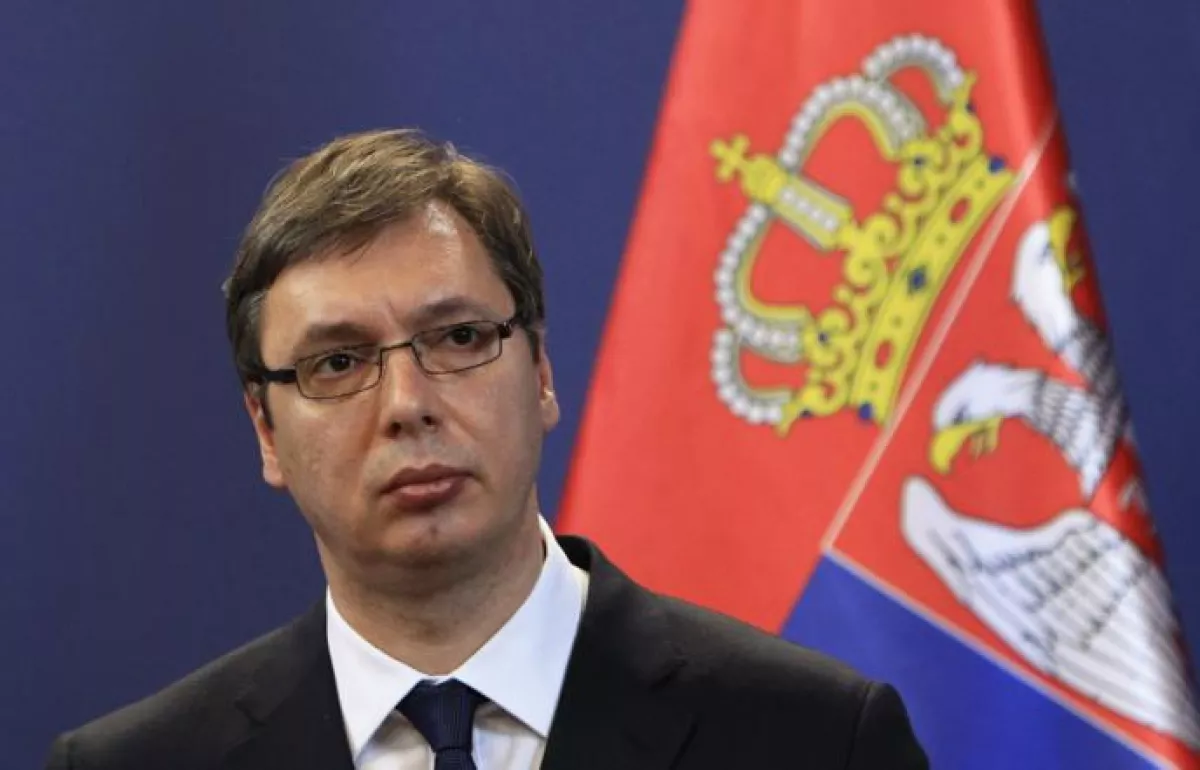
Meanwhile, describing Belgrade's response to these conflicting assessments, statements, initiatives and political signals as restrained would hardly be an exaggeration. President Aleksandar Vučić, in particular, delivered a statement clearly outlining Serbia's top national priorities.
Commenting on the possible opening of the third negotiation cluster, Vučić said that Belgrade had understood the European Union's message. At the same time, he stressed that Serbia's overriding priority was to improve its citizens' standard of living and achieve economic results that would allow the country to outperform both its regional neighbours and some EU member states.
"For Serbia, the main priority is raising living standards and overtaking European Union countries, as well as states that are supposedly ahead of us on the European path. We have already surpassed some of them. In terms of income levels and wages, we have outperformed every country in the region and at least one EU member state. It used to be believed that progress and prosperity could only be achieved by becoming a member of the European Union. But neither Serbia, nor Ukraine, nor many other countries will join the EU anytime soon. Today, there are other pressing issues as well — Kosovo and Metohija, relations with Russia and China, as well as increasingly active engagement with the United States," he said.
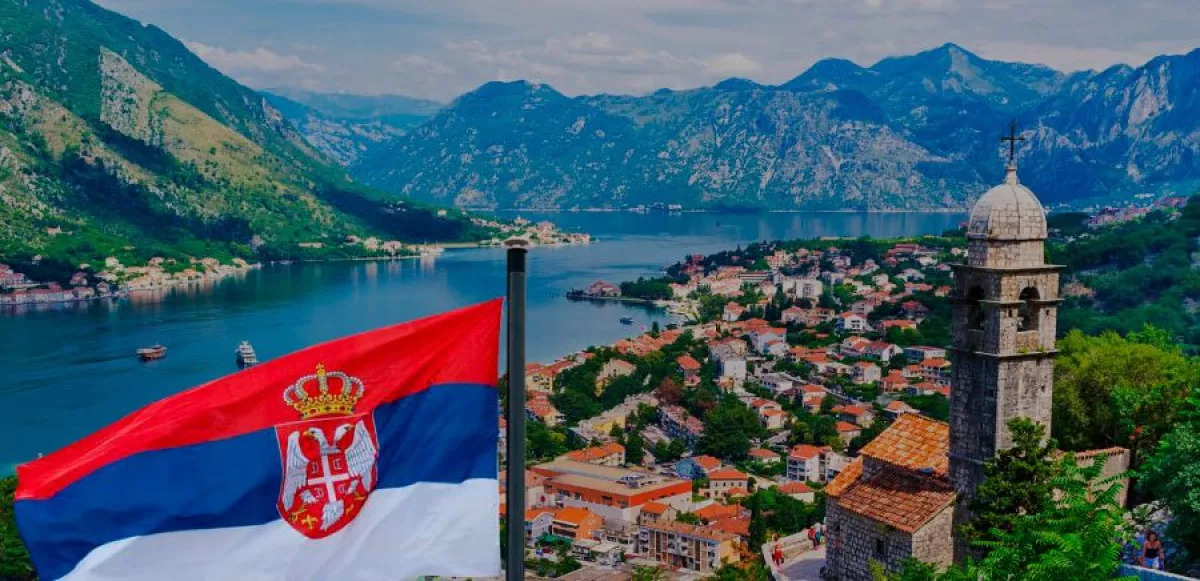
Vučić's remarks suggest that, despite continuing to make diplomatic overtures toward the European Union, the Serbian leadership intends to stay the course. First, this means that Belgrade has no intention of making concessions on the Kosovo issue. The Serbian government remains firmly opposed to recognising Pristina either de facto or de jure and will continue to resist Kosovo's membership in the United Nations.
Second, the Serbian president openly outlined his country's foreign policy priorities, sending a clear message to Brussels that Belgrade will continue to pursue an independent foreign policy without aligning itself automatically with the European Union.
Third, in a broader sense, Vučić's statement reflects a wider European trend of slowing EU enlargement.
It also gives the European Union reason to reflect on whether its increasingly stringent accession requirements are driven more by a desire to preserve its own privileged standing in the international system than by a genuine commitment to promoting democratic values. After all, history has repeatedly shown that an unwavering belief in one's own exceptionalism often produces the opposite effect, ultimately eroding rather than reinforcing political credibility and authority.







 editor@caliber.az
 +994 55 444-88-98
 Азербайджан, Баку, ул. Низами, 203, Af Business House, 5-й этаж