










EAEU, sanctions, and Trump Route Armenia between Moscow and Brussels
Amid Armenia’s increasing engagement with the West, Moscow has been regularly reminding Yerevan of the key points of the Armenian-Russian agenda through diplomatic channels. This task was recently carried out in an interview with Armenian media by Russian Ambassador to Armenia Sergey Kopirkin, who once again outlined Moscow’s priorities in the South Caucasus.
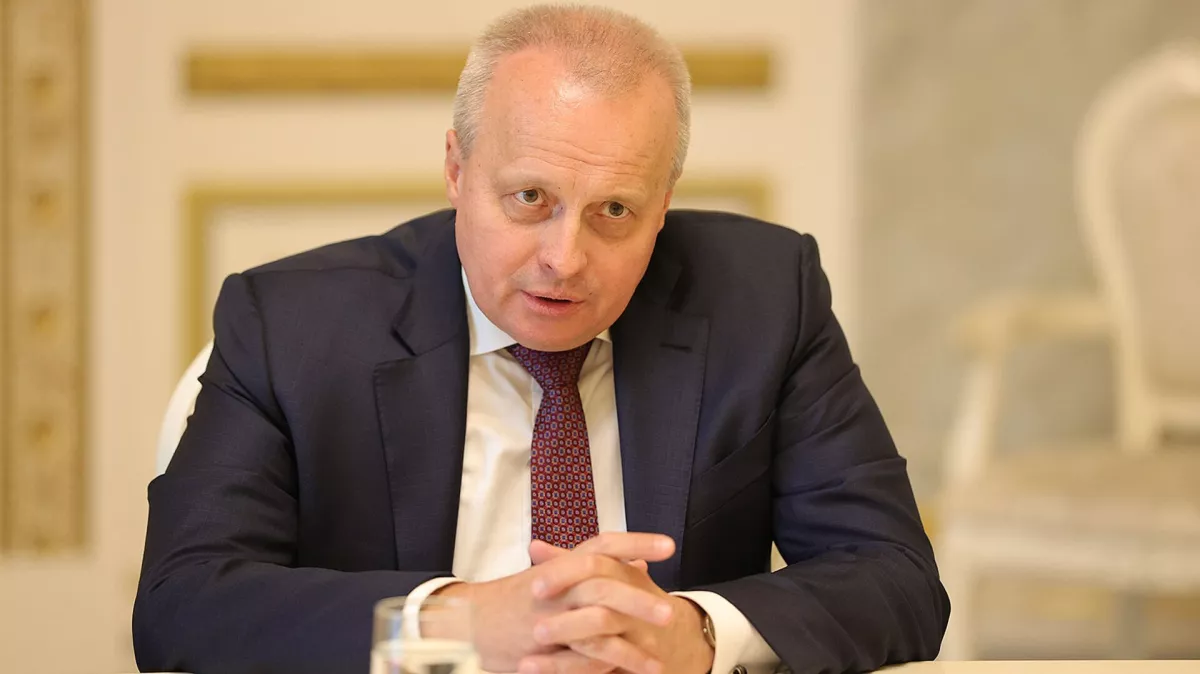
“For us, what is happening in the South Caucasus is very important. Russia is a Caucasian power,” Kopirkin stated, noting that Moscow cannot physically withdraw from the region.
This message appears primarily aimed at the West, which Russia claims is seeking to strengthen its presence in the South Caucasus through Armenia in order to push Russia out. At the same time, it serves as a reminder to Yerevan of the inevitability of making a foreign policy choice. Kopirkin also stressed that “current Armenian-Russian relations are going through a difficult stage and are being tested for resilience amid geopolitical turbulence,” reflecting Moscow’s insistence on maintaining its influence in the region.
Despite statements from the Kremlin that Armenia’s choice of foreign policy course is its sovereign right, Moscow periodically exerts pressure on Yerevan on this issue, reminding it of the incompatibility of simultaneous membership in the Eurasian Economic Union (EAEU) and the European Union (EU). The Russian ambassador did not fail to reiterate this point.
“In April of this year, Armenia’s course toward European integration received a legal basis in the form of the law ‘On the Start of the Republic of Armenia’s Accession to the European Union.’
However, it is obvious, and this has been repeatedly emphasised by the Russian leadership, that simultaneous membership in the EAEU and the EU is impossible,” Kopirkin noted, highlighting the economic benefits for Armenia from participation in the EAEU and, more broadly, from cooperation with Russia.
“Russia remains Armenia’s leading trade, economic, and investment partner, as well as a time-tested guarantor of the country’s energy and food security. Companies with Russian participation rank among the largest taxpayers in the Armenian budget and make a substantial contribution to the socio-economic well-being of Armenian citizens. I would also point out the significant impact of Armenia’s 11-year membership in the EAEU: in the first nine months of this year, the volume of mutual trade reached nearly 5 billion US dollars,” the ambassador emphasised.
Essentially, the EAEU remains Moscow’s most important tool in its relations with Yerevan, frequently highlighted in Russia to underscore its financial and economic significance for Armenia. This framework not only allows Moscow to manoeuvre strategically but also provides a means of exerting pressure, including economic leverage, on related political issues—most notably, Armenia’s potential alignment with anti-Russian sanctions.
It is no coincidence that the Russian ambassador reminded Armenia of the European Union’s expectations that it conform to sanctions against Russia.
“On December 3, the EU High Representative for Foreign Affairs and Security Policy, Kaja Kallas, made it clear that she expects Armenia to join the illegal anti-Russian sanctions. In Brussels, apparently, they do not consider the consequences this could have for the Armenian economy,” Kopirkin stated, effectively signalling the potential severe economic repercussions for the country.
Thus, Moscow made it clear that Yerevan’s accession to anti-Russian sanctions could deal a serious blow to the Armenian economy. A series of stern statements by Russian Deputy Prime Minister Alexey Overchuk regarding the potential consequences of Armenia joining the European Union, repeatedly made over the year, further underscores this line. In particular, he has repeatedly stressed that such a step would inevitably lead to Armenia leaving the EAEU and losing access to the Eurasian market.
“For us, this is a signal that the start of Armenia’s accession to the European Union is the beginning of its exit from the EAEU,” he said at the beginning of this year.
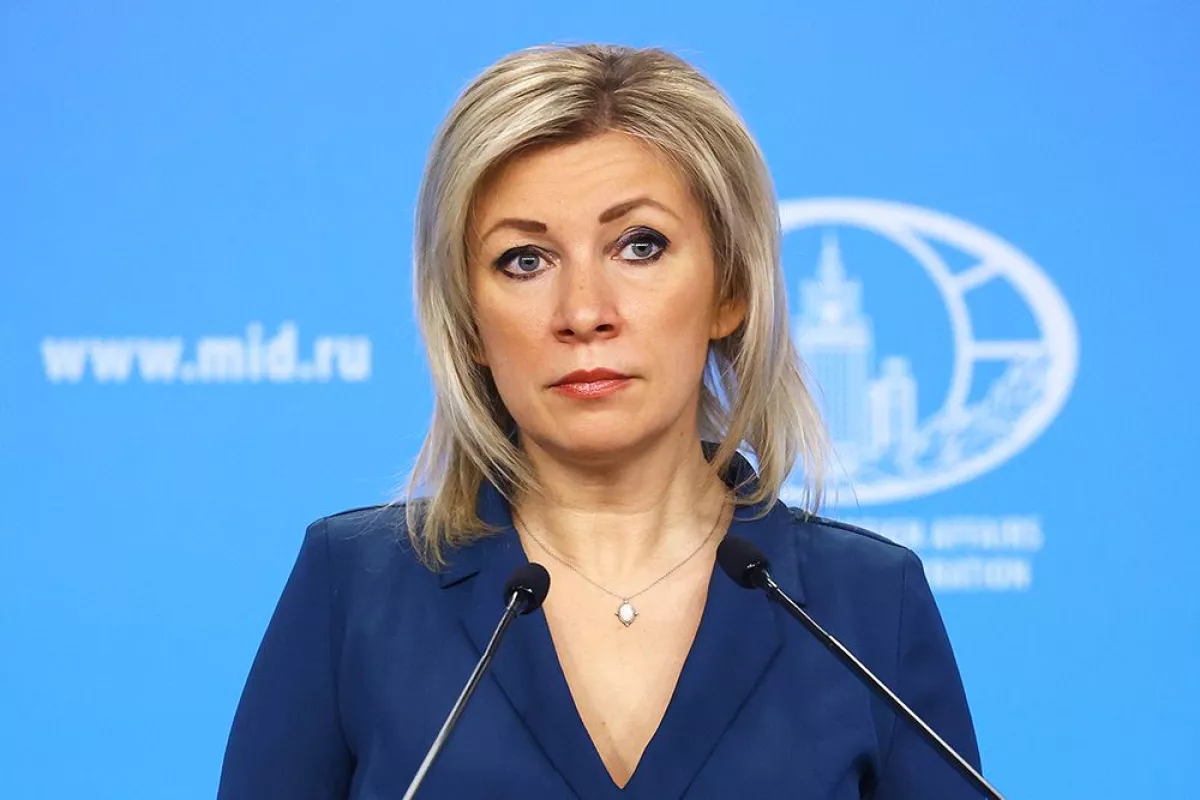
Similar signals have previously been voiced at the level of the Russian Foreign Ministry. In October of this year, Russian Foreign Ministry spokeswoman Maria Zakharova, commenting on Armenia’s plans to join the European Union, warned of serious political consequences of this step, primarily the loss of part of the country’s state sovereignty.
“Countries joining the European Union must give up part of their sovereignty, for example, in making foreign policy decisions. Even at the initial stage, candidates — not yet member states but applicant countries — are required to impose sanctions on those whom the European Union has designated as its opponents, and so on. Of course, this entails a relinquishment of sovereignty in areas such as law, monetary policy, migration policy, and many other spheres,” Zakharova stated. Her remarks largely echo the recent statements made by the Russian ambassador to Armenia.
In this context, there is little doubt that Russia will continue to steadily increase diplomatic pressure on Yerevan, seeking either a complete abandonment of Armenia’s EU accession plans or, at the very least, a freezing of the issue for an indefinite period.

However, let us return to the Russian ambassador’s interview, specifically to another important point related to the TRIPP project. In mid-December, Russia announced its readiness to join the “Trump Route for International Peace and Prosperity” (TRIPP) initiative — a section of the Zangezur corridor that is to pass through Armenian territory. In particular, Mikhail Kalugin, Director of the Fourth Department for CIS Countries at the Russian Foreign Ministry, stated that “Moscow is ready to hold consultations with Yerevan on the parameters of the ‘Trump Route’ (TRIPP) initiative and discuss Russia’s possible participation in the project.”
In turn, Sergey Kopirkin, commenting on Moscow’s interest in this project, directly linked Russia’s potential involvement to Armenia’s membership in the Eurasian Economic Union.
“The ‘Trump Route’ may affect Armenia’s EAEU membership, since cargo transit through the republic is regulated, among other things, by the law of the Eurasian union. We are ready for substantive consultations with our Armenian partners on this topic,” the Russian diplomat noted, thereby effectively reaffirming Mikhail Kalugin’s earlier statements regarding the role of Russian railway infrastructure in Armenia.
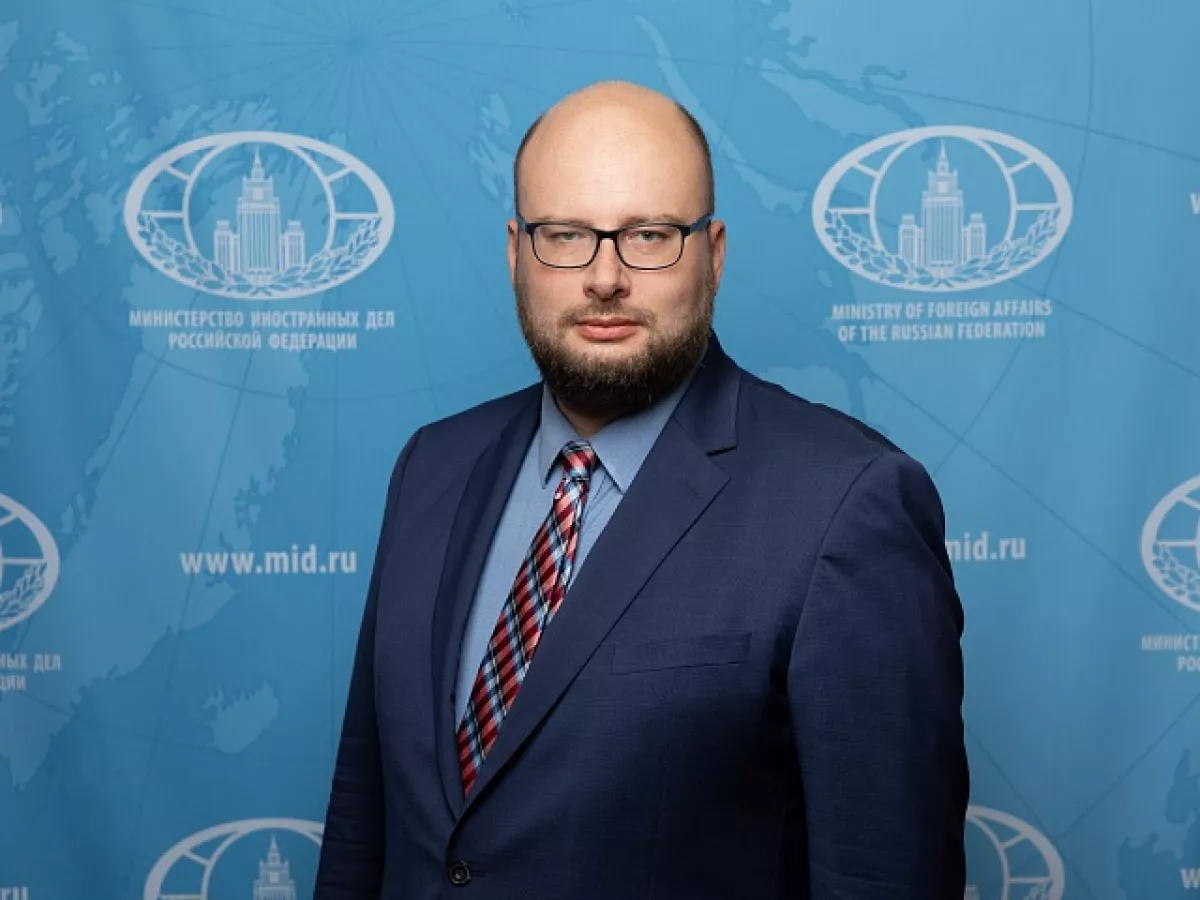
Earlier, Kalugin stated that the company “South Caucasus Railway” — a subsidiary of JSC “Russian Railways” (RZD) — holds a concession to manage Armenia’s railway network, and that Russian railway gauge is used in the region.
Based on statements from the Russian side, it can be assumed that against the backdrop of Armenia’s uncertain position regarding Moscow’s involvement in the TRIPP project, Russia is signalling that Yerevan will have to take Russian interests in the region into account in any case. At the same time, amid Armenia’s gradual rapprochement with the European Union, tensions in the already complex Moscow–Yerevan relationship may potentially escalate into a systemic crisis. So far, Yerevan has been able to delay making a decision. However, judging by the increasing frequency and firmness of Russia’s signals, Armenia will likely not be allowed to postpone this issue indefinitely.







 editor@caliber.az
 +994 55 444-88-98
 Азербайджан, Баку, ул. Низами, 203, Af Business House, 5-й этаж