










"Jars of Freedom" and Georgian reality of Armenian exports Article by Vladimir Tskhvediani
The Russian-Armenian "trade war" is beginning to have repercussions for Georgia as well. Exports from Armenia to Georgia have surged for those categories of goods that have been subjected to restrictions by Russia's Federal Service for Veterinary and Phytosanitary Surveillance (Rosselkhoznadzor) and the Federal Service for Surveillance on Consumer Rights Protection and Human Wellbeing (Rospotrebnadzor), including fruits, vegetables, and flowers. Any incidents involving the import of Armenian products into Georgia are quickly taking on a political dimension.
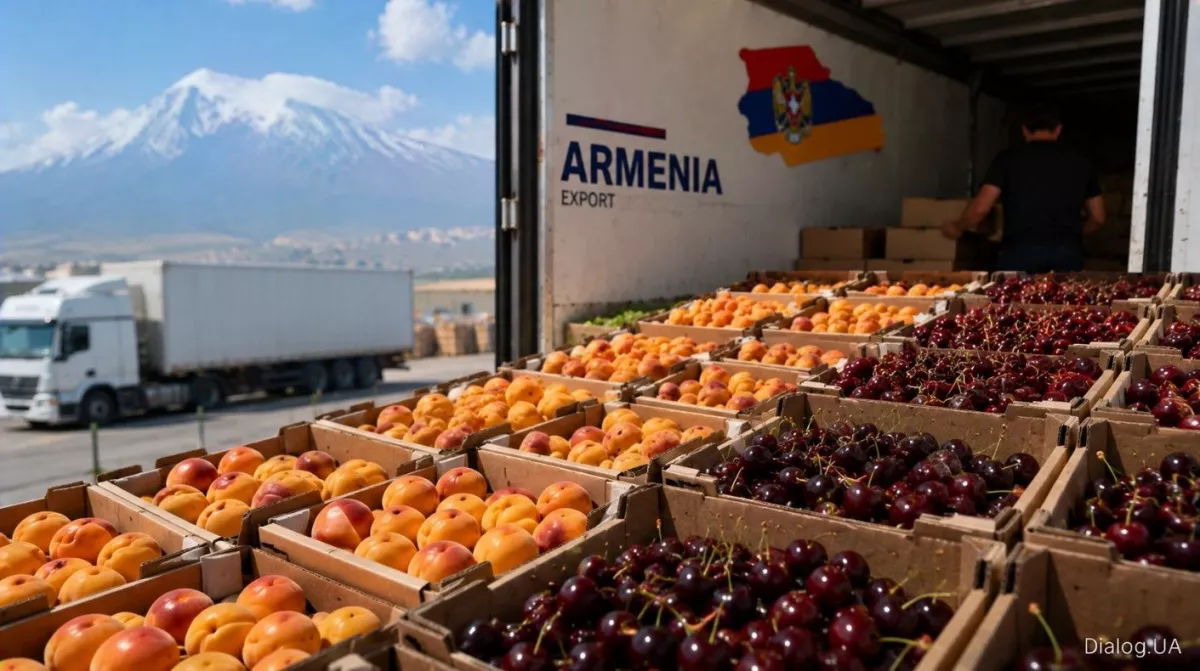
The Georgian authorities accuse Armenia of facilitating the re-export of Armenian goods to Russia by labelling them as Georgian or Turkish products.
Recently, the Armenian newspaper Hraparak, which is considered close to the anti-Pashinyan opposition, reported that officials in Yerevan have been boasting behind closed doors that locally grown strawberries are being shipped to Georgia and then re-exported to Russia disguised as Turkish produce.
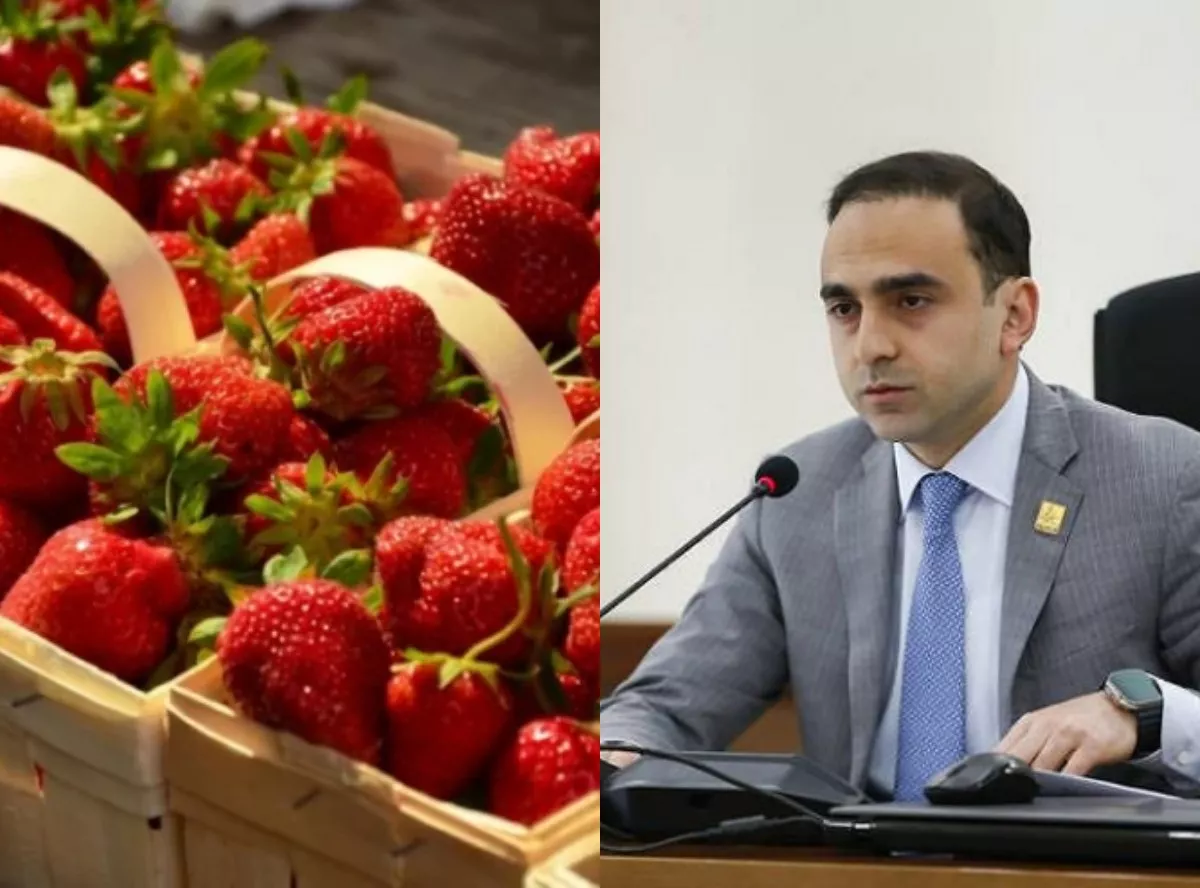
The scheme is allegedly being used to supply strawberries grown in greenhouses linked to the family of Yerevan Mayor Tigran Avinyan.
Еврокомиссар по вопросам расширения ЕС Марта Кос рассказала, что после официального визита в Армению вернулась в Брюссель с корзиной местных абрикосов, которые, по ее мнению, символизируют происходящие в стране перемены.
Georgia’s Ministry of Environmental Protection and Agriculture was forced to deny reports claiming that Armenian agricultural products were reaching Russia through Georgian territory disguised as Turkish goods. The ministry described such publications as speculative and stated that these allegations do not correspond to reality, harm the economic relations between the two countries, and drag Georgia into the domestic political processes of a neighbouring state.
At the same time, Armenia’s “drive toward Europe,” which has contributed to the country's export difficulties in the Russian market, has become the subject of a large-scale public relations campaign in the European Union involving senior European officials.
European Commissioner for Enlargement Marta Kos said that after her official visit to Armenia, she returned to Brussels carrying a basket of locally grown apricots, which, in her view, symbolise the changes taking place in the country.
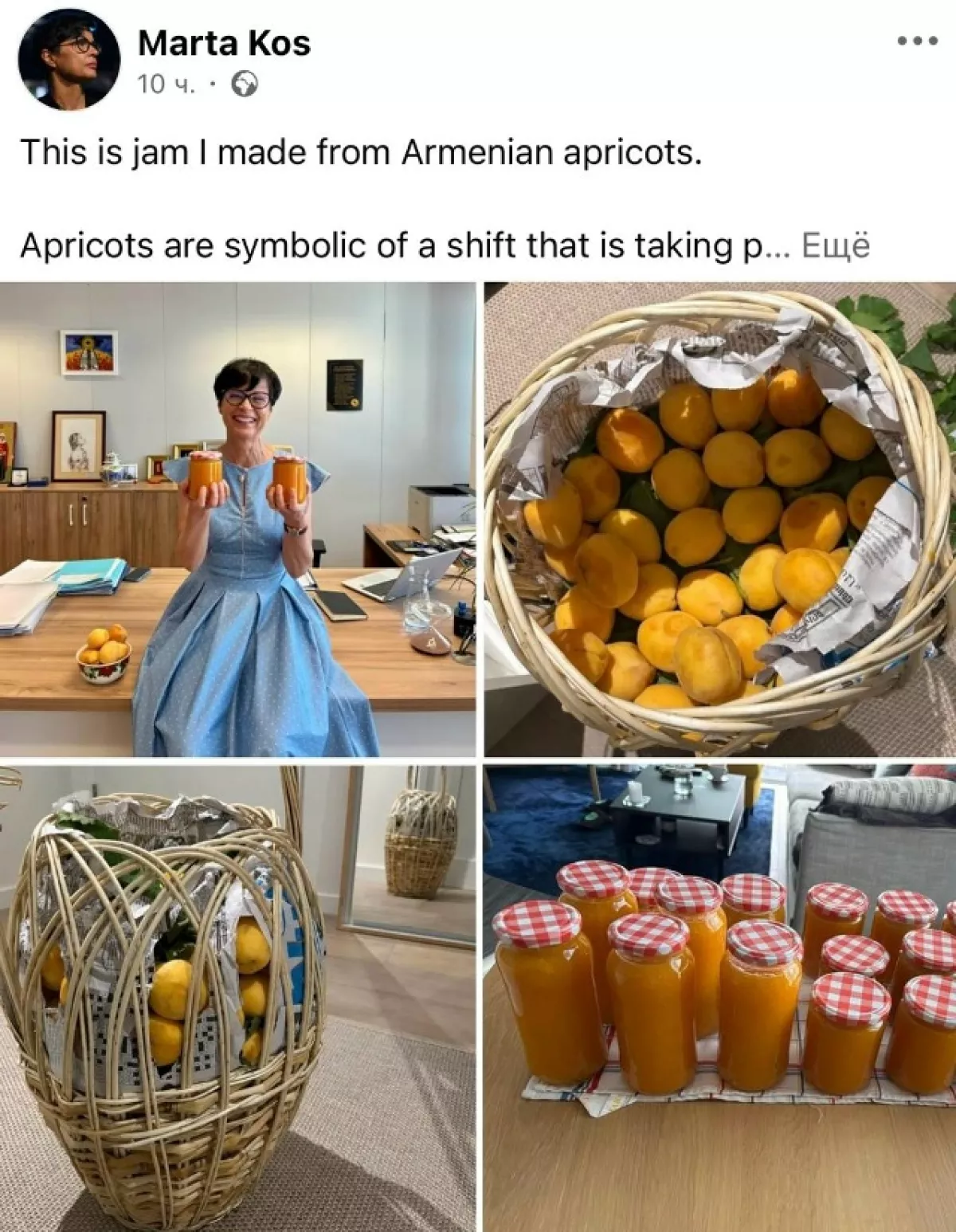
“Apricots are symbolic of a shift that is taking place in Armenia. At last month’s election, the majority of Armenians voted for parties that want a closer partnership with the EU. Russia had tried to influence the vote by restricting imports of Armenian fruit and flowers. In turn, the EU helped Armenia by opening its market to many of these products,” Kos wrote on social media.
She said that she gave some of the Armenian apricots to friends and used the rest to make jam.
“A friend looked at the jam and said, ‘Jars of freedom.’ I thought that was a beautiful way of putting it,” Kos wrote.
The EU Commissioner also encouraged Europeans to look for Armenian apricots, plums, and cherries in supermarkets, saying that doing so would help Armenian farmers and support Armenia’s “democratic choice.”
Meanwhile, the real lifeline for Armenian farmers specialising in apricots, strawberries, cherries, and flowers has come not from EU officials, their friends, or European retail chains. The fact that the Georgian market is currently far more important for Armenian agricultural products than the European one is something the EU prefers not to emphasise. Nor does it highlight the fact that Armenia’s route to Europe effectively runs through Georgia, and that, under current conditions, Armenian agricultural exports cannot reach the EU without passing through Georgian territory.
At the same time, incidents in which Georgia has refused entry to Armenian products previously restricted by Russia have become grounds for accusations that the Georgian authorities are acting “in sync with Moscow” to economically suffocate Armenia for having “chosen the European path.”
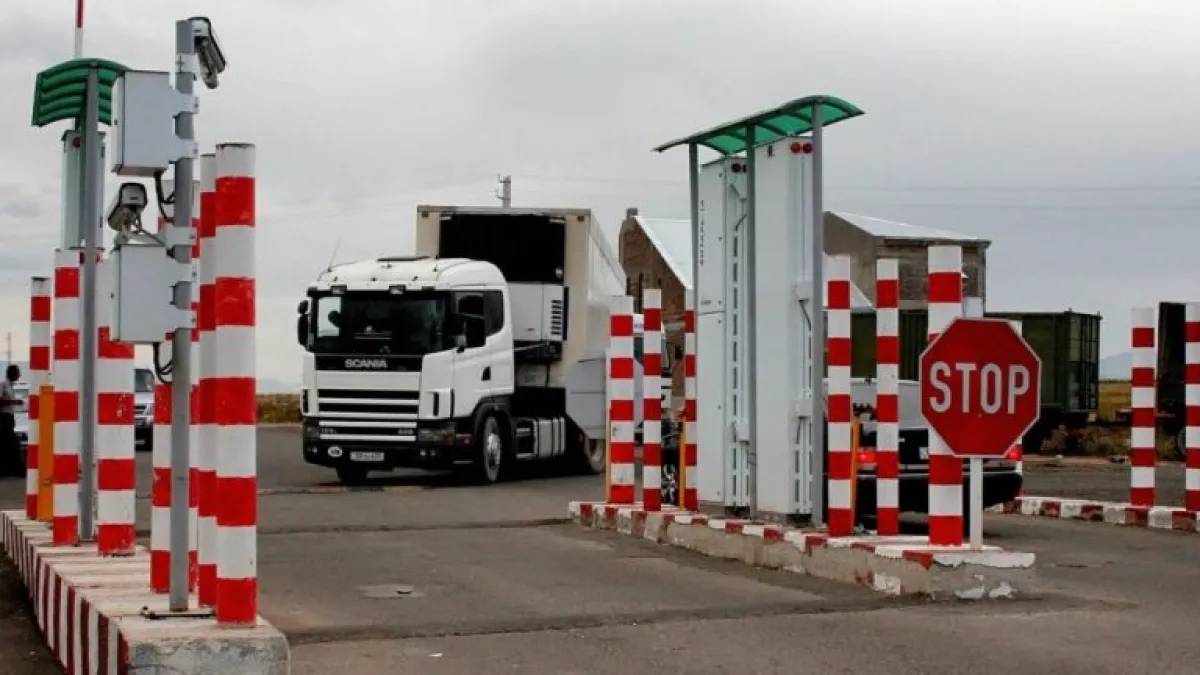
Similar comments appeared on social media after more than 22,000 roses were denied entry into Georgia through the Sadakhlo and Ninotsminda road border checkpoints on the Georgian-Armenian border. According to Georgia's Revenue Service, inspectors found live pests and evidence of their activity on the flowers, which violated the country's phytosanitary regulations. The entire shipment was returned to the sender.
Following the "flower incident," representatives of Georgia's pro-Western opposition quickly took to social media to accuse the country's authorities of effectively "working for the Kremlin." The refusal to allow the flowers across the border due to their failure to meet phytosanitary standards was portrayed as the Georgian government's assistance in Russia's "punishment" of "freedom-loving" Armenia for having "chosen the path of European integration."
At the same time, other shipments of flowers from Armenia that successfully passed Georgia's phytosanitary inspections have crossed the border without any difficulties and are being sold on the Georgian market. Unlike Russia, Georgia has not imposed a blanket ban on the import of Armenian flowers, and its market has become a genuine lifeline for many Armenian flower growers.
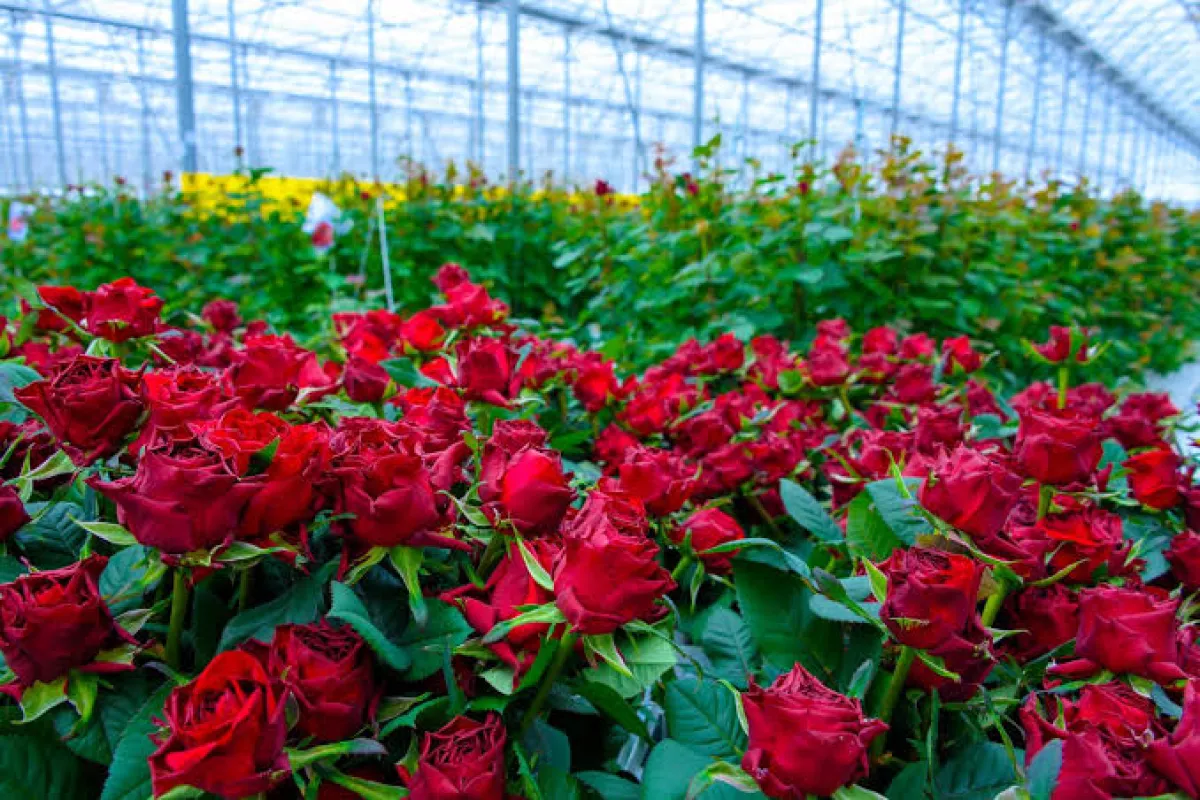
In May 2026 alone, flower imports from Armenia to Georgia increased 2.9-fold, reaching 218.2 metric tons. During that month, Armenian flowers accounted for 63.86 per cent of Georgia's total flower imports, and according to preliminary data, this share is expected to increase even further in June and July. Armenia has become by far the leading supplier of flowers to the Georgian market, significantly outperforming other exporters, including Ecuador and the Netherlands.
The Georgian authorities have shown no bias against Armenian products. Since Russia imposed its restrictions, flowers, strawberries, cherries, and apricots from Armenia have been sold on the Georgian market in significantly larger volumes than in previous years. The key requirement is simply that Armenia export high-quality products to Georgia rather than spoiled goods or produce infested with insect pests.
By Vladimir Tskhvediani, Georgia, exclusively for Caliber.Az







 editor@caliber.az
 +994 55 444-88-98
 Азербайджан, Баку, ул. Низами, 203, Af Business House, 5-й этаж