










Lithuania’s nuclear dilemma: when the Constitution confronts a new reality Article by Matanat Nasibova
The complex geopolitical configuration that has emerged in the world against the backdrop of ongoing armed conflicts and regional disputes is forcing a number of European countries to reconsider long-established principles of state policy, including the issue of deploying nuclear weapons on their territory.

A clear example of this trend was the statement by Lithuania’s Minister of Defence, Robertas Kaunas, made during an interview with the radio station Žinių radijas. In particular, he said that the Ministry of Defence supports removing the ban on the deployment of weapons of mass destruction, including nuclear weapons, from the country’s Constitution.
“Lithuania is virtually the only NATO country that prohibits nuclear weapons. This prevents us from fully utilising the alliance’s defence potential; therefore, I support the repeal of the relevant article of the Constitution,” the minister emphasised.

It is also important to note that the tone of such discussions was set by the newly appointed Prime Minister of the country, Mindaugas Sinkevičius. “I believe that, out of considerations of political correctness, we should delete this ban from the Constitution, as the constitutions of neighbouring countries say nothing about this,” the politician said during a meeting with the parliamentary faction of the Union of Farmers and Greens, stressing that such a step could be justified by “considerations of political correctness.”
It should be recalled that the debate on this issue intensified after, at the end of May, the Seimas supported President Gitanas Nausėda’s veto on the entry of ships carrying nuclear weapons into the Klaipėda State Seaport. The head of state then reminded that Article 137 of the Lithuanian Constitution explicitly prohibits the presence of weapons of mass destruction on the country’s territory.
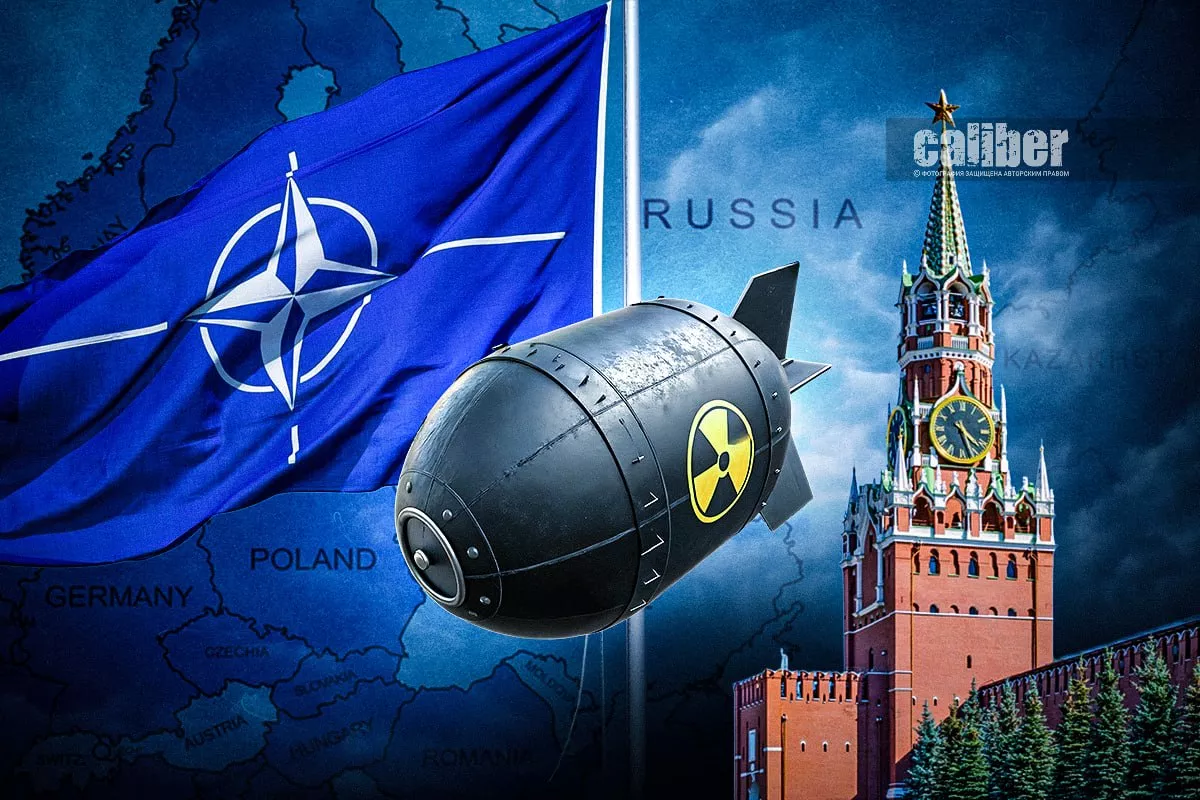
So, let us try to understand what specific factors are pushing this country located on the shores of the Baltic Sea towards the potential deployment of nuclear weapons on its territory.
However, before proceeding with the analysis, an important clarification must be made: this is not about Lithuania developing its own nuclear weapons, as this is prohibited under the Treaty on the Non-Proliferation of Nuclear Weapons, of which it is a signatory. The subject of debate in the country concerns the legal enshrinement of permission to host nuclear weapons of NATO allies on its territory, for example, those of the United States. Moreover, consultations on this issue between Washington and Vilnius have already begun.
As for the reasons prompting the Lithuanian side to raise this issue, the primary factor in this context is the risks that Vilnius perceives in the transfer of Russian nuclear weapons to Belarus, a fact confirmed by Russian and Belarusian official statements. To clarify the matter fully, it should be noted that the weapons are physically stationed on Belarusian territory but remain under the full control of Moscow; in other words, they have not been formally transferred to Minsk. It is precisely this fact that the Lithuanian side regards as a potential security threat, while viewing the nuclear capabilities of NATO allies as a high-level deterrence factor.
Secondly, against the backdrop of a reduction in the U.S. military presence in EU countries, Lithuania is seeking to secure guarantees that any aggression against it would be treated as a direct challenge to all NATO member states, including the United States. This is indirectly reflected in President Nausėda’s statements that Lithuania does not wish to become the weak link in NATO’s defence system and intends to respond flexibly to the evolving European nuclear strategy.
In addition, the Lithuanian president, who as noted earlier had opposed the entry of vessels carrying nuclear weapons into ports, is now attempting to bring the leaders of political parties to a consensus on a possible amendment of the country’s Constitution. In other words, it is evident that at the highest levels of government a process of reassessing the ban on the deployment of nuclear weapons in Lithuania is already well underway.
Such a trajectory fully aligns both with the EU’s policy of strengthening its “nuclear umbrella” and with Washington’s approach aimed at discouraging Europe from developing its own costly arsenals, as the physical presence of American weapons on the continent serves as a visible confirmation of the United States’ status as the world’s leading power.
Thus, as we can see, Lithuania is moving towards a revision of its non-nuclear policy and is likely drawing inspiration from Finland, which lifted its legal prohibition on the deployment of nuclear weapons in order not to lag behind in adapting to new threats, as well as from Germany, Belgium, the Netherlands, and Italy, where American tactical nuclear weapons are already stationed.
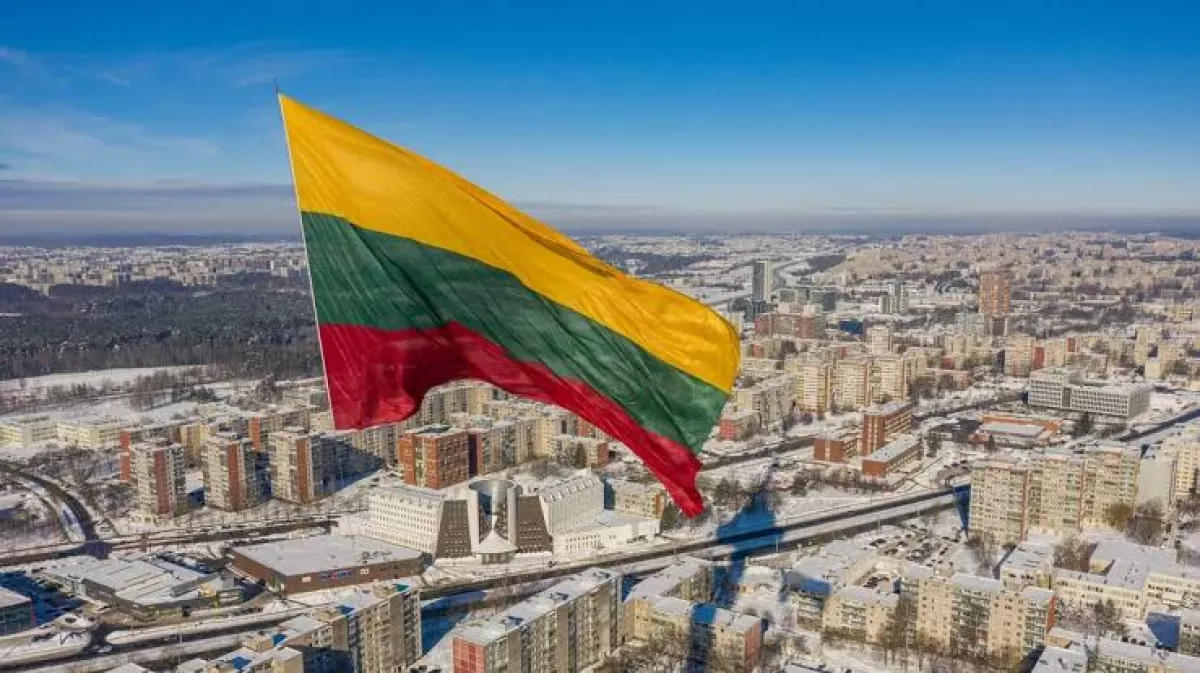
At the same time, and notably, alongside the United States, Vilnius is also keeping France’s nuclear potential within its field of attention. France is a close strategic partner and ally of the Baltic state, and Lithuania is engaging in active consultations regarding the initiative to expand Paris’s nuclear doctrine.
It will therefore be particularly interesting to observe which path Lithuania will ultimately choose after potentially lifting the ban on the deployment of nuclear weapons on its territory: whether it will favour the Americans, opt for Parisian security guarantees, or attempt to combine the American and French nuclear umbrellas into a single shield.
It is reasonable to assume that, in addressing this complex issue, Lithuanian authorities will select from this trio the option that most effectively serves as a deterrent factor vis-à-vis Russia on NATO’s eastern flank.







 editor@caliber.az
 +994 55 444-88-98
 Азербайджан, Баку, ул. Низами, 203, Af Business House, 5-й этаж