










Mamrukh Temple: Azerbaijan’s hidden jewel of Caucasian Albania A journey through history on Caliber.Az
Over the centuries, the territory of Azerbaijan—owing to its geographical location and diverse ethnic composition—has served as a meeting point for various religious traditions. In different historical periods, paganism, Zoroastrianism, Judaism, Christianity, Islam, and other spiritual currents spread and interacted here. These religions not only coexisted but also influenced one another, shaping the region’s unique cultural environment.

Even today, Azerbaijan preserves its traditions of religious tolerance, where representatives of different faiths live peacefully side by side. Among these religious traditions, Christianity holds a special place, having left a notable mark on the history of the people and finding expression in a rich heritage of architectural monuments.
One of the oldest states to have existed on the territory of modern Azerbaijan was Caucasian Albania, which, according to most scholars, emerged between the late 2nd and mid-1st centuries BC. However, some historical sources and archaeological evidence suggest an even earlier formation of the state—dating back to the 8th century BC. These accounts are supported by both written records and archaeological discoveries. As early as the 4th century, Christianity was adopted in Caucasian Albania, becoming an important factor in the spiritual and cultural unification of the multi-ethnic Albanian state.
The spread of the new religion had a significant impact on the development of the country’s culture and architecture. The territory of Caucasian Albania had long been situated at the crossroads of major trade routes linking East and West, which facilitated an active exchange of ideas and architectural traditions.
The peoples inhabiting these lands created unique architectural structures distinguished by the originality of their forms and the richness of their decorative design. These buildings embodied expressive spatial and compositional solutions, as well as the high level of craftsmanship of Albanian architects.
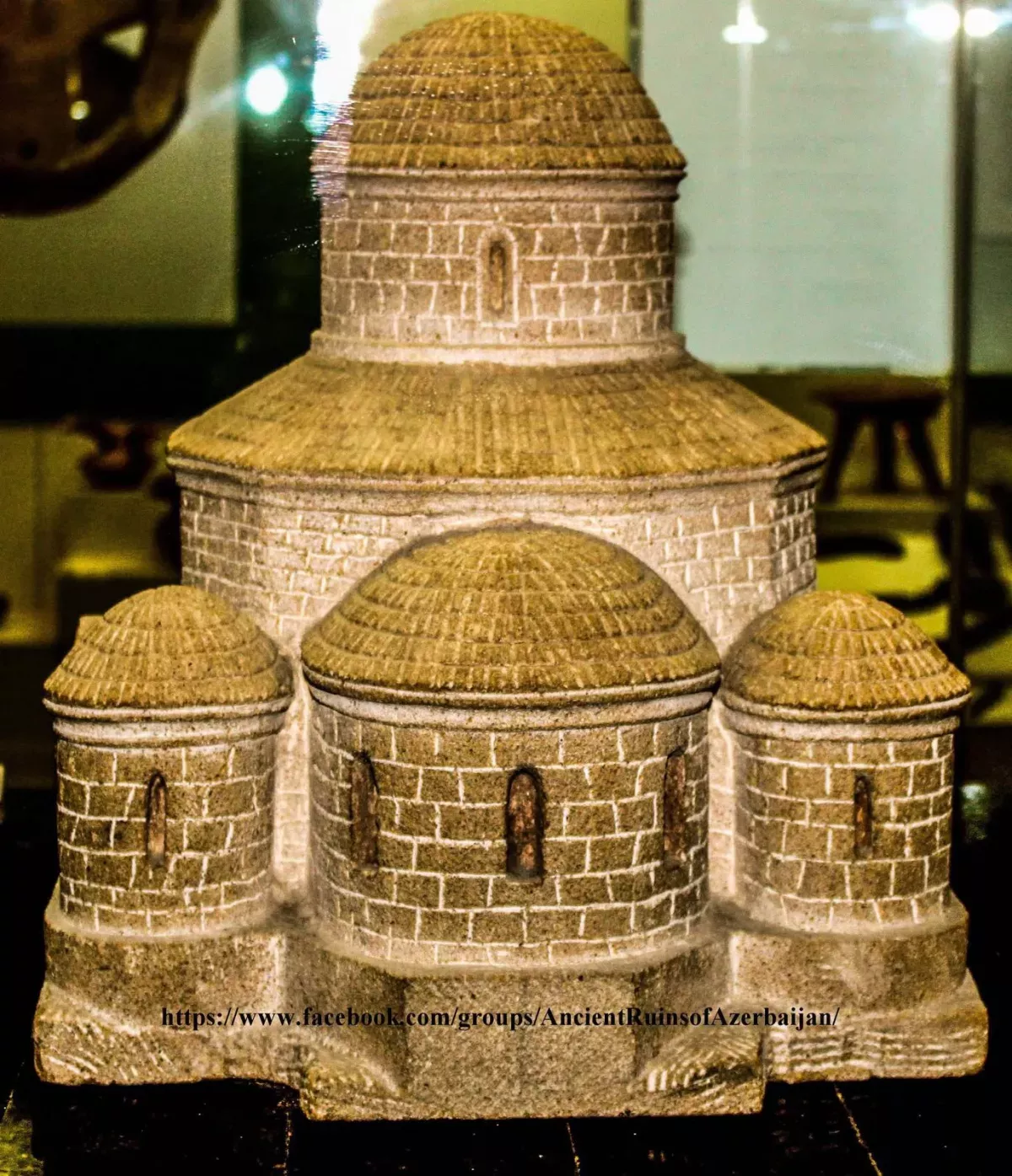
One such unique architectural monument is the Mamrukh Temple, a vivid testament to the rich spiritual and cultural heritage of Caucasian Albania.
The Mamrukh Temple is an ancient Albanian church located near the village of Mamrukh in the Zagatala District. Based on an analysis of its layout and spatial composition, researchers date its construction to between the 12th and 14th centuries. Its architectural features are largely characteristic of central-domed structures found across the South Caucasus and the Middle East, reflecting the region’s close cultural and artistic ties with the broader architectural world.
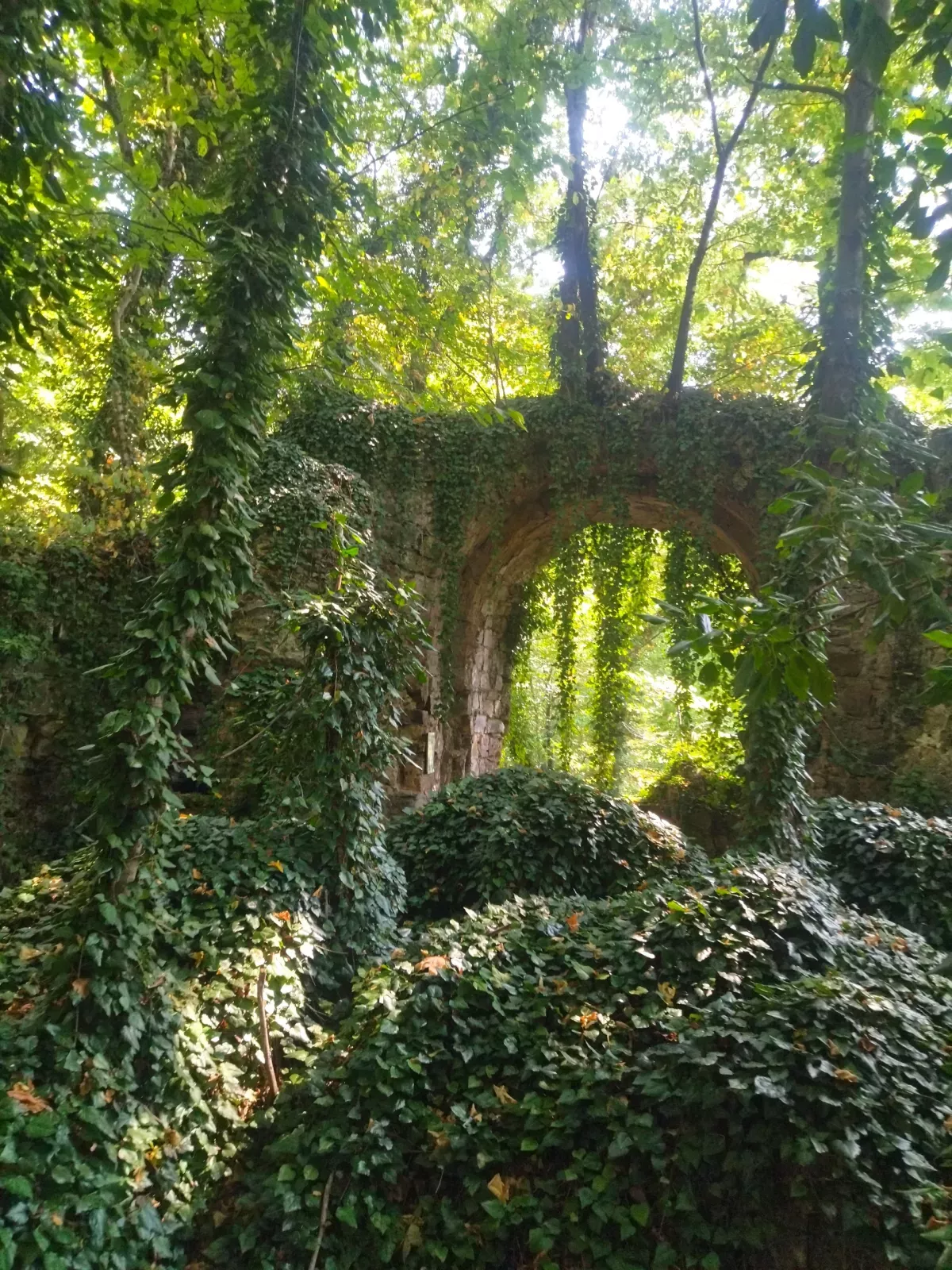
In the past, a monastic complex stood on this site. Today, only the remains of the temple itself have survived, along with fragments of the defensive walls that once surrounded its territory, as well as three small, round tower-like buttresses. Despite its ruined state, the structure’s layout remains clearly discernible: the altar section with adjoining small chambers has been preserved, and some sections of the walls rise more than a metre above ground level, allowing us to envisage the building’s original appearance.
The temple featured a circular main volume with entrances on the southern, northern, and western sides. On the eastern side, it was adjoined by the altar section with a semi-circular apse and two small side chapels. The narrow and deep entrance portals gave the structure an austere and monumental character. The walls were constructed of rubble stone, in keeping with the building traditions of the region.
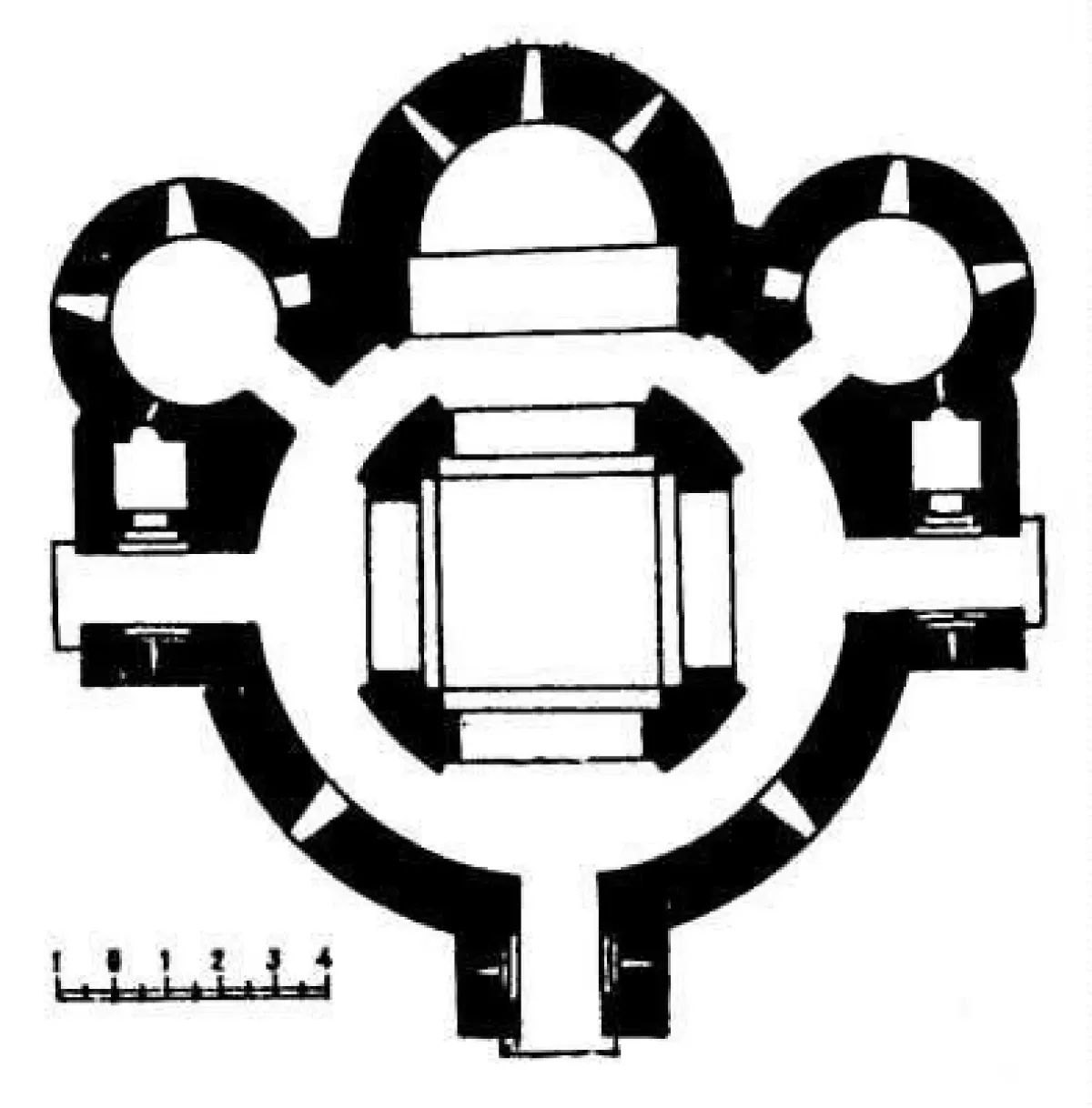
The structure had a three-tiered composition. The lower level contained the altar and entrance spaces, above which ran an ambulatory gallery, while the building was crowned by a drum supporting a dome.
Although the upper coverings have not survived, researcher G. Mammadova suggests that the gallery was vaulted, while the central space was completed with a dome. Four massive piers replaced a system of columns, forming a stable and cohesive architectural framework. The altar, positioned along the main axis, was clearly visible from the western entrance, underscoring its central role within the spatial composition of the temple.
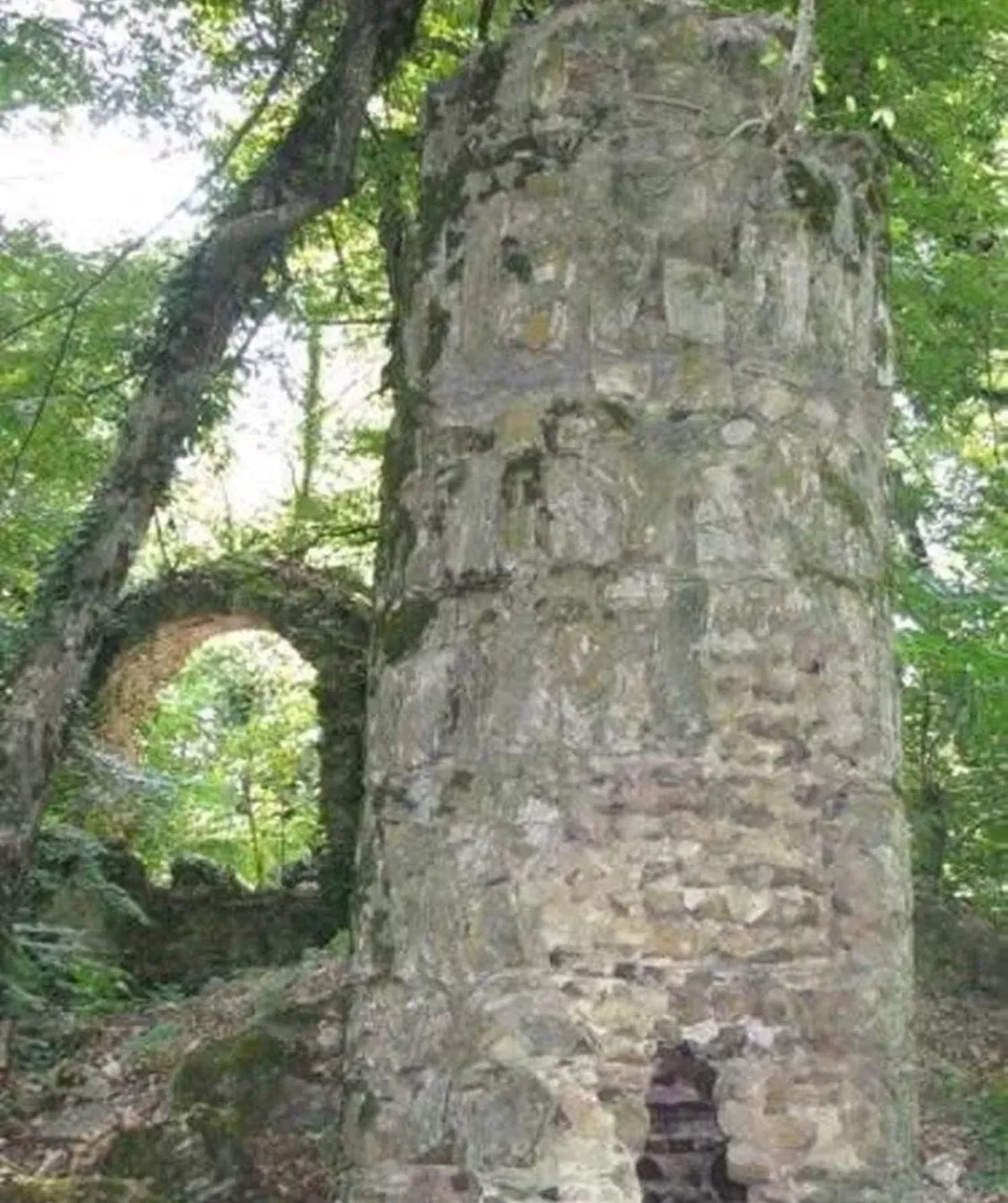
Today, the ancient temple lies partially in ruins and is gradually being reclaimed by dense vegetation. Yet even in this state, it retains a sense of grandeur, continuing to impress with its architectural strength and the depth of its historical legacy.
Christian monuments located across Azerbaijan form an important part of the country’s cultural and spiritual heritage. They serve as reminders of the rich history of Caucasian Albania and the significant role Christianity played in shaping both the architecture and spiritual life of the population. Having endured changing eras and shifting political realities, these temples are now perceived not merely as architectural structures, but as symbols of the centuries-long coexistence of diverse cultures and traditions.
Archaeological research and scholarly study of such monuments provide deeper insight into the region’s historical development and spiritual heritage. The preservation and careful protection of these unique structures are of particular importance, as they represent a vital key to understanding our history and culture.
By Vahid Shukurov, exclusively for Caliber.Az







 editor@caliber.az
 +994 55 444-88-98
 Азербайджан, Баку, ул. Низами, 203, Af Business House, 5-й этаж