










Minsk’s Southeast Asian pivot: markets, investments, and new partnerships Analysis by Limansky
On July 3, Belarusian Independence Day, Alexander Lukashenko returned to Minsk, concluding a series of foreign visits to Southeast Asian countries. What connects the republic in the heart of Europe with the distant Indo-Pacific region?
Gateway to Southeast Asia
On July 1, Belarusian President Alexander Lukashenko arrived in the Republic of Indonesia on an official visit.
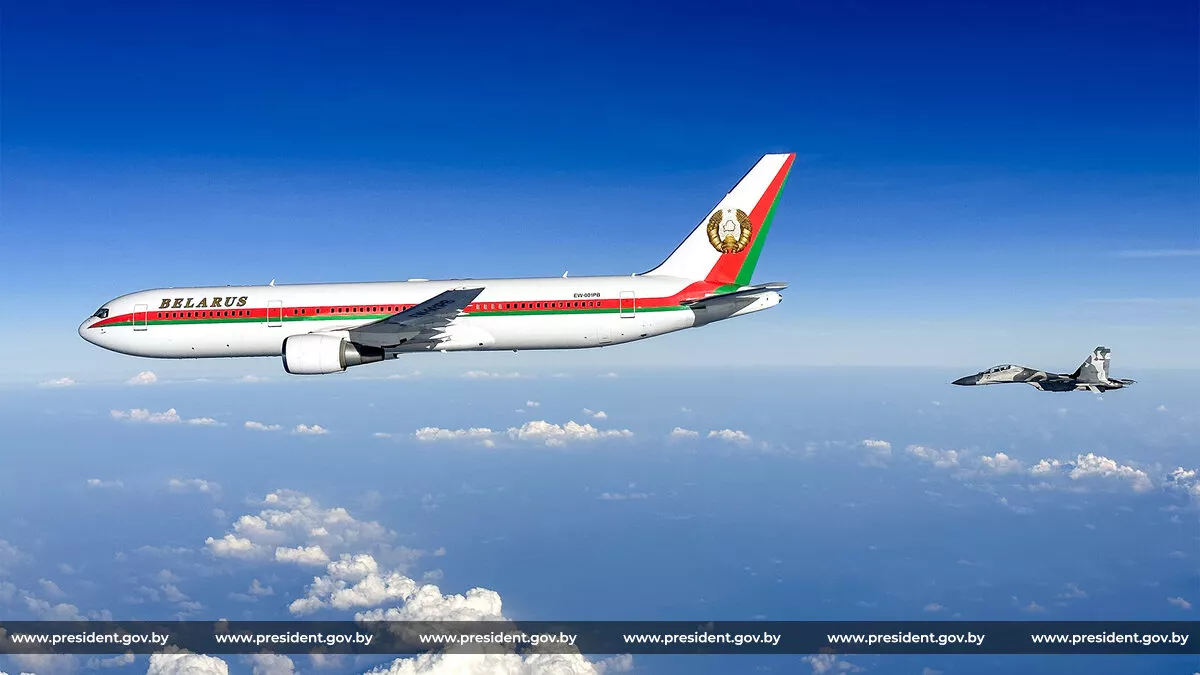
As the presidential aircraft approached Indonesian airspace, it was met and escorted by Indonesian Air Force fighter jets. The escort was carried out by Su-30MK aircraft that had previously undergone modernisation in Belarus.
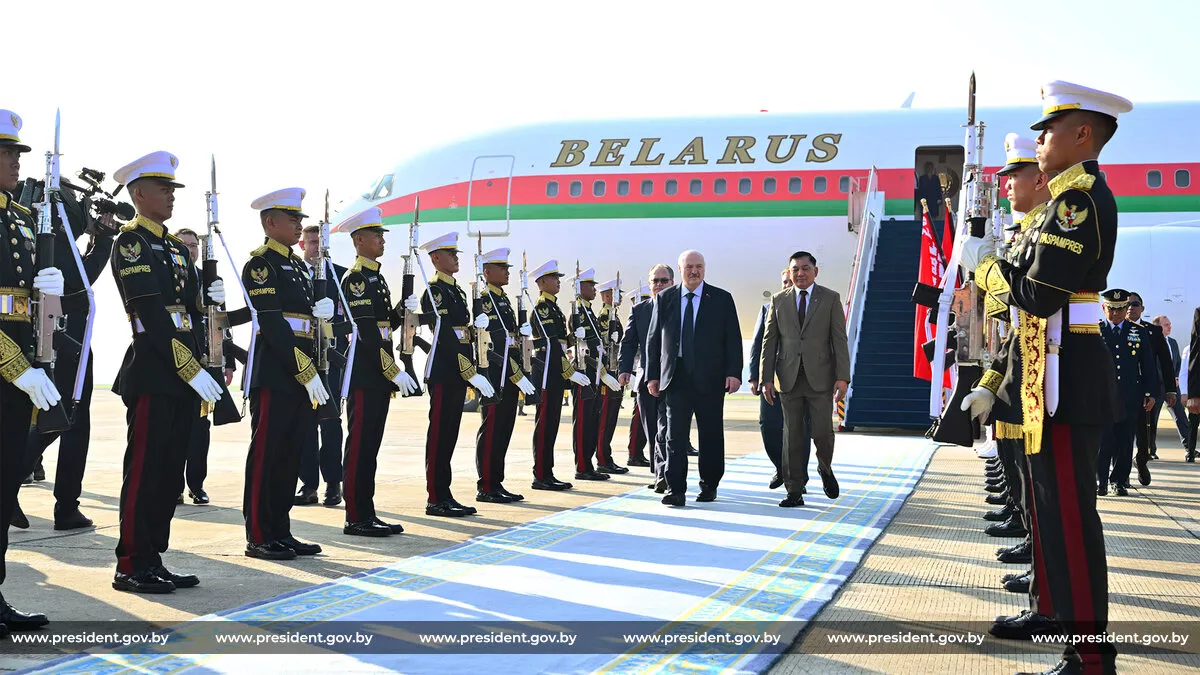
At Jakarta's airport, President Lukashenko was welcomed by an honour guard, while young women dressed in vibrant traditional attire performed customary dances, creating a distinctive ceremonial atmosphere for the Belarusian leader's arrival. President Lukashenko was accommodated in one of the palaces of the presidential residence, a gesture that itself reflected the special significance attached to the visit.
Later that day, the Belarusian president met with members of the Indonesian government, with joint investment projects serving as the central topic of discussion. Alexander Lukashenko invited the Indonesian side to consider investment opportunities in Belarus and expressed Minsk's readiness to invest in Indonesia's economy.
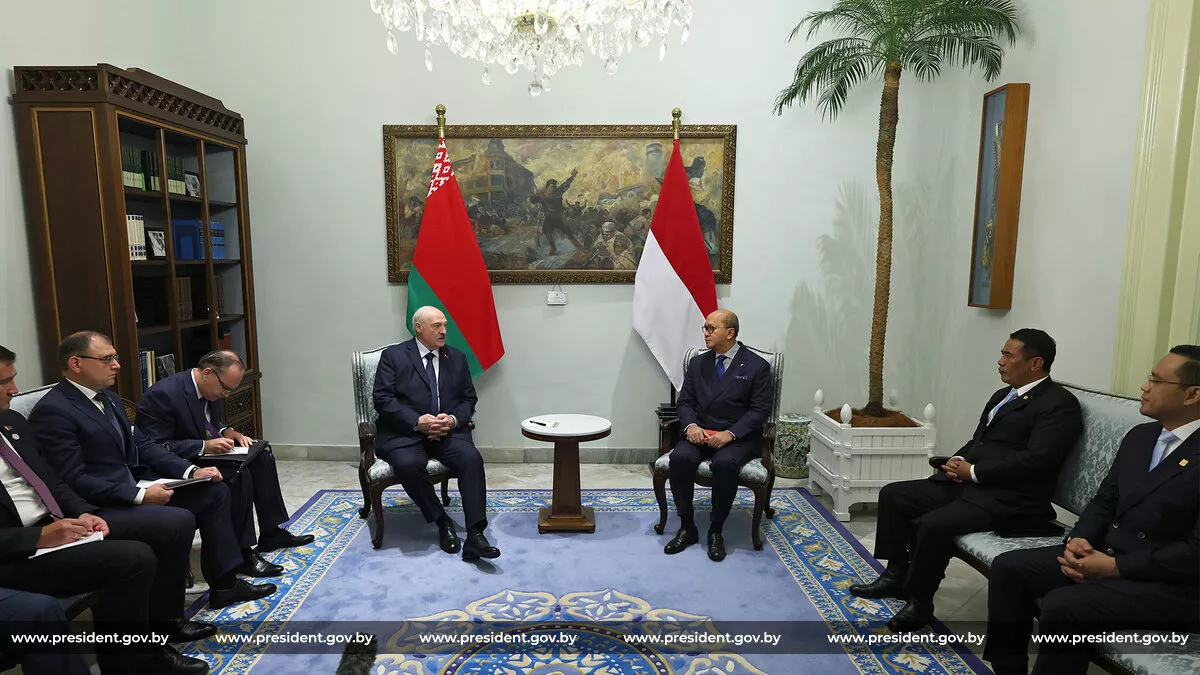
"No topics are off limits in cooperation with Indonesia. On the contrary, we want to expand our cooperation. So let's make agreements. If you wish to invest in any enterprises, we will consider any of your proposals. Reciprocally, we would like issues to be resolved without any red tape or delays (if we are to establish joint production facilities here for goods of interest to you)," the Belarusian leader said.
The talks focused in particular on cooperation in industrial manufacturing, agriculture, and the food industry. Belarus also expressed its readiness to assist Indonesia in modernising its agricultural sector by supplying Belarusian machinery, establishing service centres for maintenance, and training local specialists. In the longer term, the two sides discussed the possibility of setting up assembly facilities for agricultural, commercial, and mining equipment.
The agenda also included the joint production of medical and veterinary pharmaceuticals in both countries, as well as cooperation with Indonesia's state-owned oil and gas corporation Pertamina in technology transfer and personnel training.
The Belarusian delegation included the ministers of foreign affairs, industry, agriculture and food, and healthcare, along with the head of the National Academy of Sciences of Belarus and the chief executives of the Belneftekhim and Belgospishcheprom state concerns.
Ahead of the presidential visit, the Belarusian delegation participated in a business forum in Jakarta, where contracts worth more than $60 million were signed.
Belarus as Indonesia's key partner in Eurasia
Later that evening, the leaders of Belarus and Indonesia held a joint dinner followed by an informal meeting.
On July 2, Alexander Lukashenko held official talks with Indonesian President Prabowo Subianto in both one-on-one and expanded formats.
The Belarusian leader's motorcade was escorted to the Independence Palace by an honorary motorcycle unit and later by a cavalry squadron. In addition to the honour guard, representatives of Indonesia's indigenous communities, dressed in traditional attire and carrying ceremonial weapons, took part in the welcoming ceremony.
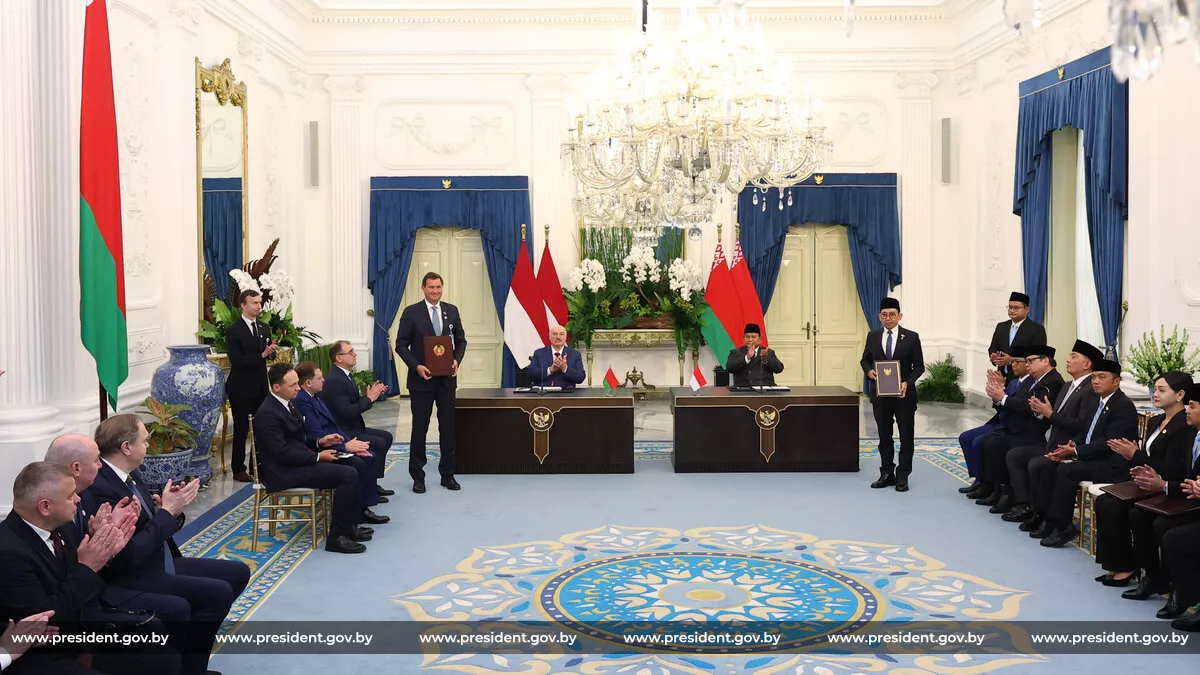
"Our peoples know the value of sovereignty and independence. Both Indonesians and Belarusians defended their sovereignty and independence in the most brutal struggle against foreign invaders," the Belarusian president said during his meeting with President Subianto. "The experience gained in the fight for the right to determine their own future and govern their own land has been laid at the foundation of the peaceful, yet firm and consistent policy of the Belarusian state at the present stage."
Indonesia waged a long struggle to free itself from Dutch colonial rule and was later occupied by Japan during the Second World War.
Lukashenko also emphasised that Belarus possesses a broad range of technologies it is prepared to share with its Indonesian partners. He noted that engineers could be trained either at Belarusian universities or directly at joint manufacturing facilities established in Indonesia. Lukashenko further highlighted Belarus's strategic location in the heart of Europe, which offers additional opportunities for Indonesian exports to access European markets.
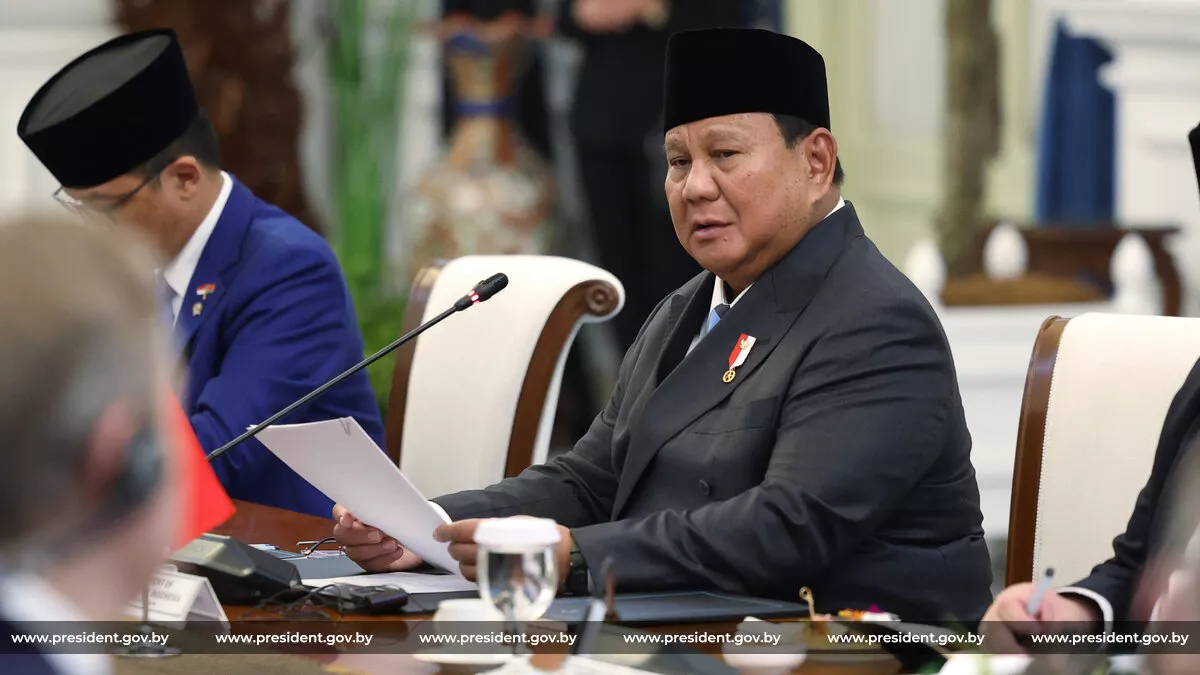
"This visit underscores our friendship, which continues to deepen amid an ever-changing global landscape. Belarus is Indonesia’s key partner in Eurasia, and we greatly value our relationship, which is based on mutual benefit," said Prabowo Subianto.
Following the talks, the two sides signed several documents, including the Roadmap for the Development of Bilateral Cooperation for 2026–2030.
To date, contracts have been signed for the supply of 20,000 tonnes of skimmed milk powder from Belarus to Indonesia, valued at $76 million. At the same time, Indonesia has expressed its readiness to increase imports of Belarusian dried dairy products to as much as 100,000 tonnes. Belarusian milk powder is valued for its high quality and competitive pricing. To strengthen Indonesia's food security, Belarus will also support the development of the country's domestic dairy processing industry.
Belarus, which is well known for its large-scale land reclamation projects, has accumulated extensive expertise in this field. Belarusian specialists are prepared to assist their Indonesian counterparts in expanding the area of land cultivated for rice production.
Indonesia is the largest economy in Southeast Asia and, at the same time, a vast consumer market. The country's economic potential, large population, and strategic location between the Pacific and Indian Oceans make it one of the leading members of the Association of Southeast Asian Nations. Indonesia also pursues an independent and multi-vector foreign policy and is not bound by commitments to any military-political bloc, a factor of particular importance to Minsk.
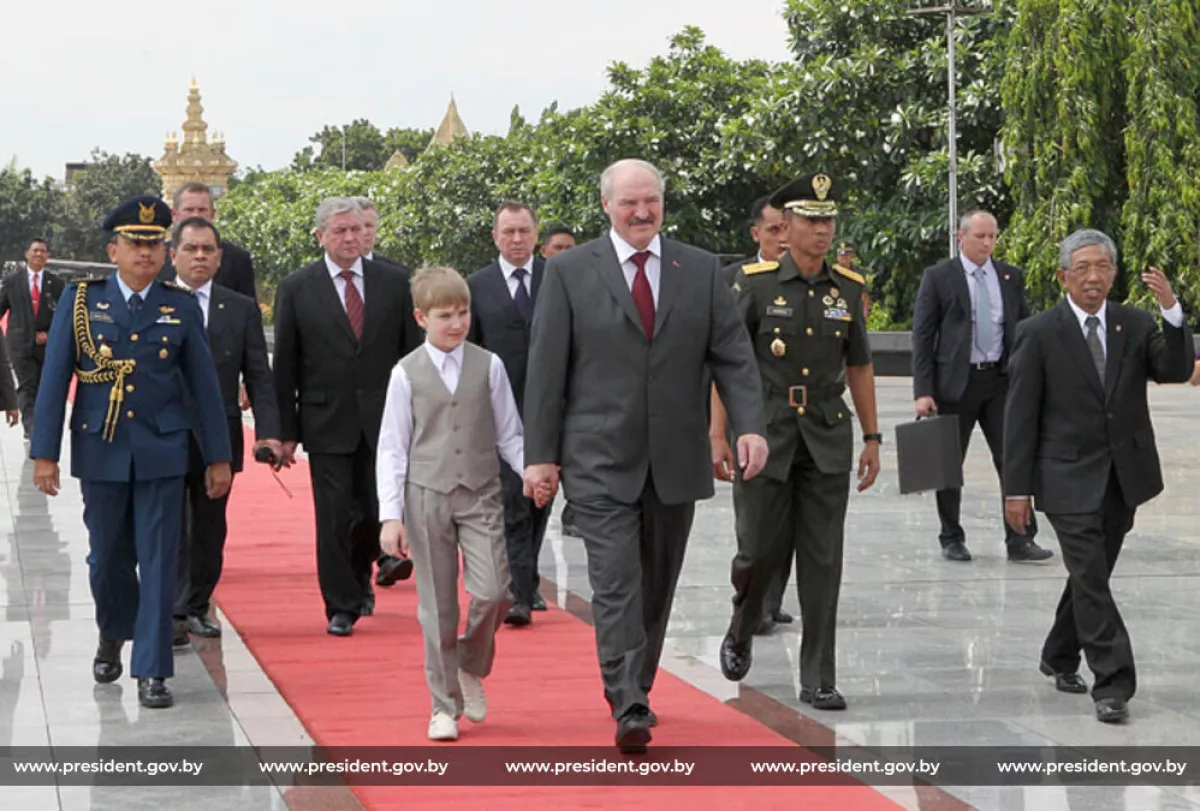
In 2013, Alexander Lukashenko paid his first state visit to Jakarta. At that time, bilateral trade between the two countries amounted to approximately $130 million.
By the end of 2025, trade in goods and services had increased to $640 million.
Jakarta has also decided to open an embassy in Minsk. In addition, the two countries plan to introduce a short-term visa-free regime and establish direct air links.
By the end of 2025, Indonesia also plans to sign a free trade agreement with the member states of the Eurasian Economic Union.
Myanmar: Cooperation in a businesslike rhythm
Following his visit to Indonesia, Alexander Lukashenko paid a working visit to Myanmar.
Having previously visited the country in November 2025, the Belarusian leader used the latest trip to review the implementation of the agreements reached during that visit. Progress on the planned projects and other issues was discussed during talks between President Lukashenko and Myanmar's leader, Min Aung Hlaing.
"We should build relations between our countries that will be viewed as an example for other states in the region," the Belarusian leader said. "The well-being of our peoples will be the basis of our relations. We are not joining forces against anyone. We are strengthening our friendship and developing relations for the benefit of our peoples."
Myanmar is currently preparing to launch assembly facilities for machinery produced by Belarus's MTZ and MAZ plants. Joint projects are also being implemented through Bellegprom, while cooperation in the pharmaceutical sector continues to expand. Supplies of Belarusian food products to Myanmar are also increasing.
In turn, Belarus is preparing to import seafood, palm oil, rubber, and tropical fruits and vegetables from Myanmar.
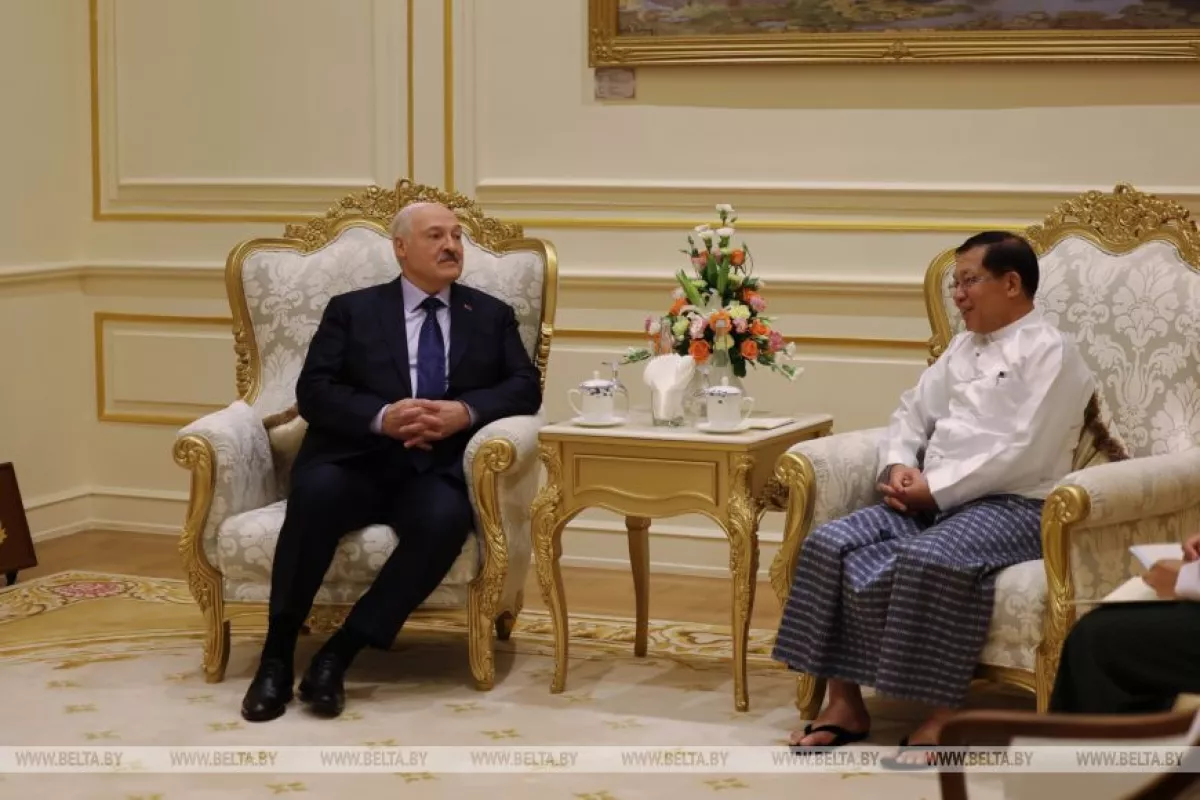
On July 3, Myanmar's leader, Min Aung Hlaing, celebrated his 70th birthday. Marking the occasion, the Belarusian side announced its decision to open the Embassy of Belarus in Myanmar's capital, Naypyidaw, by November 1, 2026.
...
Southeast Asia is developing rapidly, and Minsk's growing interest in this promising region is no coincidence. Economic growth across Southeast Asia is roughly twice the global average. Indonesia's economy alone expanded by 5.1 per cent in 2025, reinforcing its role as the principal engine of growth within the region. Strengthening the partnership between Minsk and Jakarta, including the establishment of joint assembly facilities in Indonesia, could provide Belarusian products with access to markets across the Association of Southeast Asian Nations.
Myanmar's economy, which faced significant challenges for many years, is also showing signs of recovery. Its GDP is projected to grow by 3 per cent in 2026, with annual growth expected to reach 7–8 per cent by the end of the decade.
Today, competition for Southeast Asian markets is intensifying. Early entry into these markets, combined with competitive pricing, high product quality, reliability, and a consistent record of fulfilling commitments, could provide Belarus with significant advantages.
Expanding Minsk's cooperation with the countries of the Global South is viewed as a means of strengthening the country's sovereignty and creating new opportunities amid the emergence of a more balanced multipolar world—one to which Belarus seeks to make its own contribution.







 editor@caliber.az
 +994 55 444-88-98
 Азербайджан, Баку, ул. Низами, 203, Af Business House, 5-й этаж