










Modi’s dilemma: between a rock and a hard place How India plays the global energy game
Although India’s economic growth currently outpaces that of many other countries as a result of its catch-up development, Modi’s government faces a dual challenge that could jeopardise the country’s ongoing modernisation.
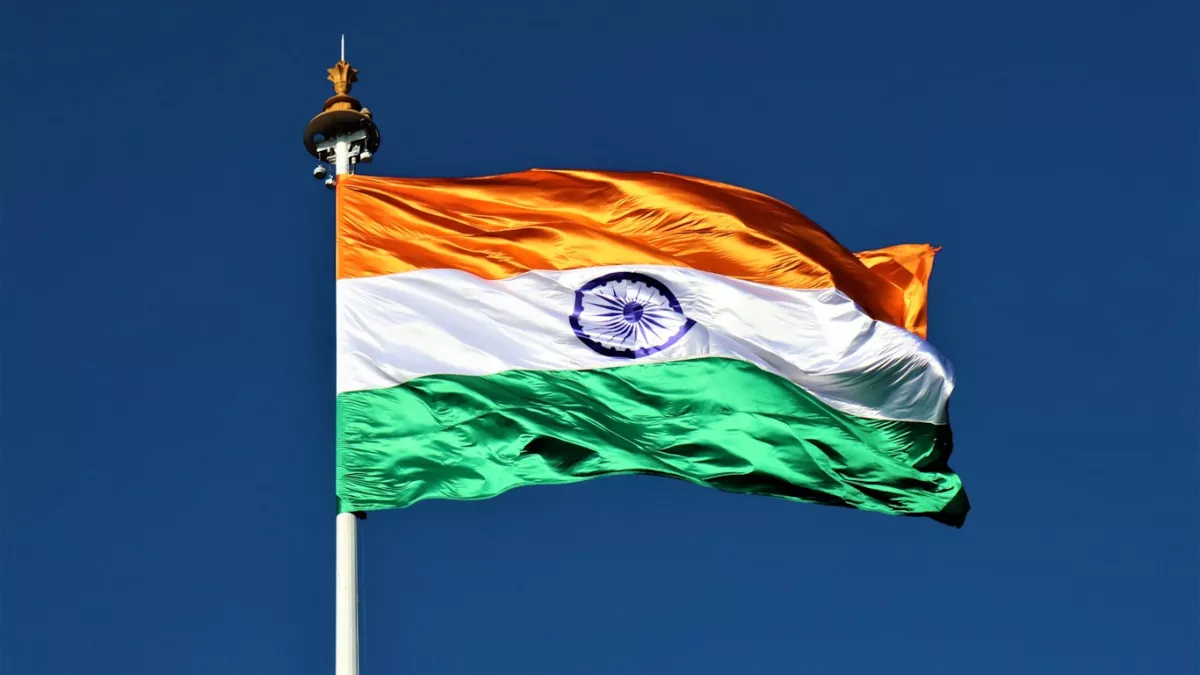
On one hand, the issue concerns ensuring energy security to support the existing growth of industry and consumption; on the other, the country must navigate the risks associated with international conflicts and sanctions. This delicate balancing act led New Delhi, at the beginning of 2026, to take a series of steps that have radically reshaped the nation’s trade and energy policies.
And this is not about tactical manoeuvres or minor deals—it is about a global competition involving the European Union, the United States, and the United Arab Emirates, all of which are seeking to draw India into their sphere of influence while simultaneously attempting to reduce the country’s reliance on Russian energy resources, which constitute a significant portion of its imports.
The first stage of this political-energy drama was marked by the agreement reached on January 19, 2026, between the UAE and India for liquefied natural gas (LNG) supplies worth up to three billion U.S. dollars. Under this deal, one of India’s largest state-owned companies will receive half a million metric tons of LNG annually for ten years, starting in 2028.
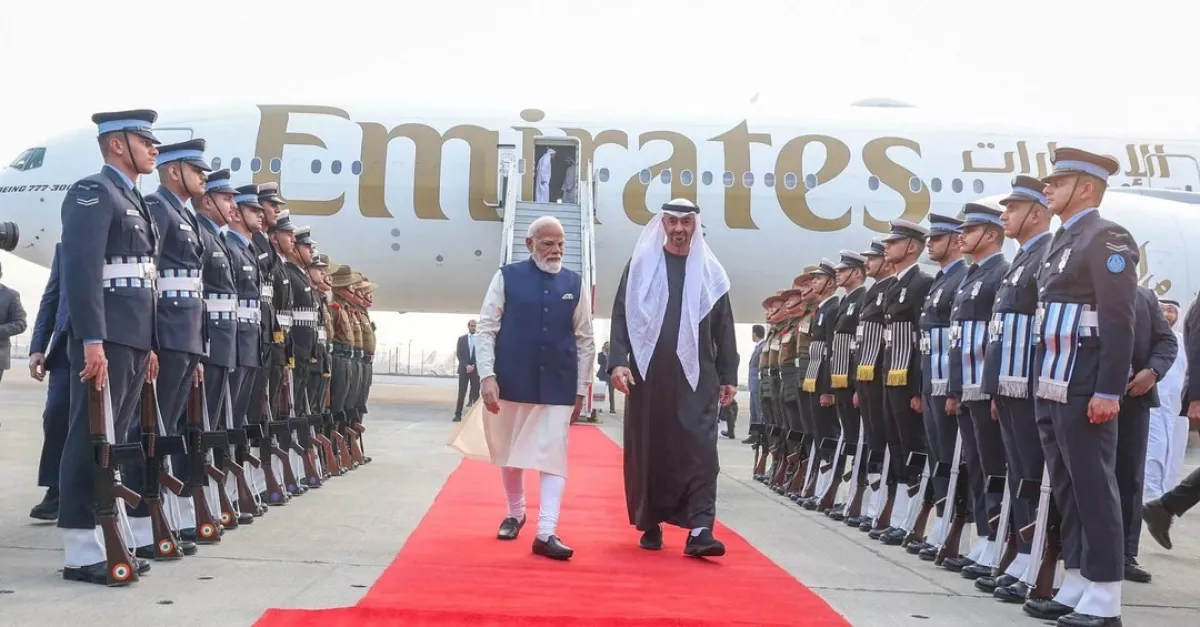
Notably, this agreement also carries a broader strategic significance, aimed at strengthening the partnership between Abu Dhabi and New Delhi not only in the energy sector but also in defence, trade, and investment.
In addition, the UAE, as one of the leading energy-producing countries in the Middle East, aims to use the contract with India to strengthen its position as a reliable supplier of clean energy in Asia. Meanwhile, the Indian government seeks to reduce its dependence on coal and conventional crude oil, gradually increasing the use of gas as a transitional fuel to help the country achieve its stated environmental and climate goals.
In this context, the visit of UAE President Sheikh Mohamed bin Zayed Al Nahyan to New Delhi confirmed that energy has become an effective diplomatic tool for deepening political ties and security cooperation. From now on, both sides view each other as strategic partners with whom they can jointly address regional challenges.
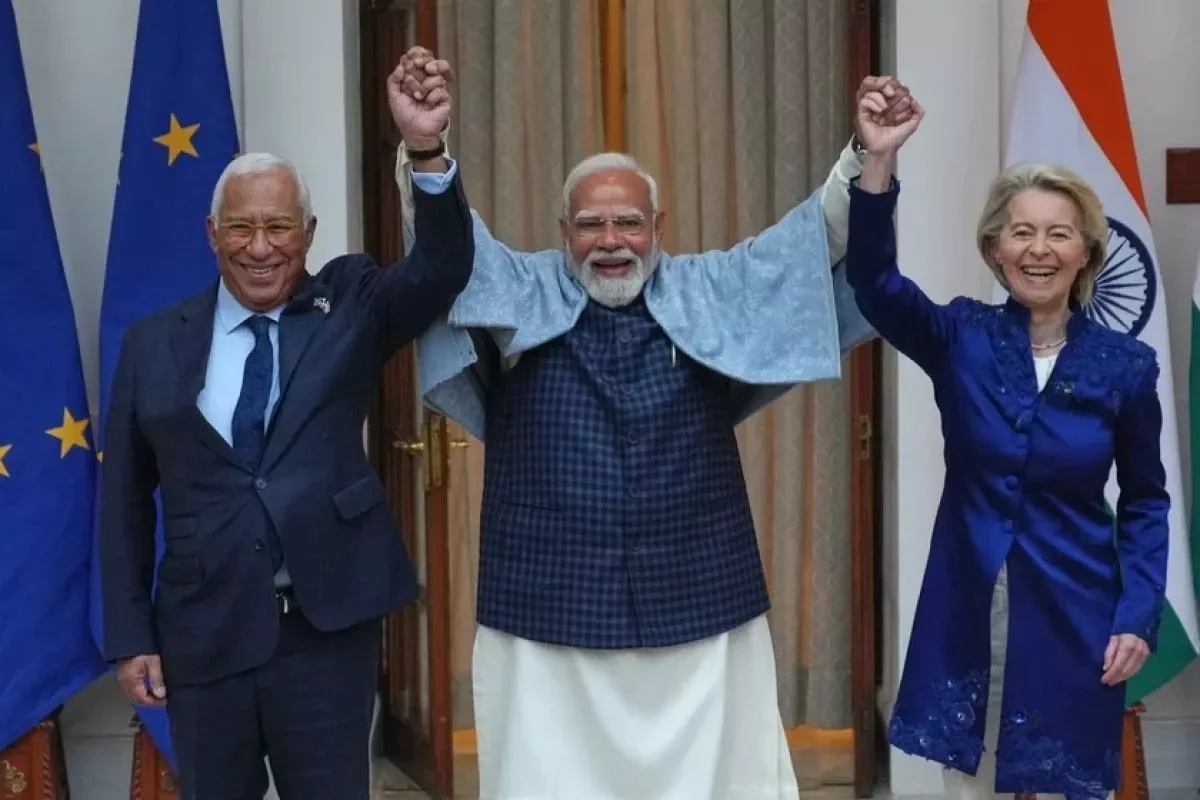
Just days after finalising the energy deal with the UAE, the European Union announced the successful conclusion of negotiations on a historic trade agreement with India, marking one of the largest free trade deals in the history of both sides. The agreement provides for the elimination or reduction of tariffs on more than 96 per cent of trade between India and the EU, opening significant opportunities for European exports in sectors such as automotive, engineering, pharmaceuticals, and agriculture, in exchange for substantial benefits for Indian exports in textiles, services, and industrial goods.
The negotiations spanned several decades and included long pauses, but in recent years, they gained momentum. Their conclusion at this particular juncture reflects Europe’s response to global geopolitical challenges, amid trade tensions with the United States and the need to diversify economic relations.
But the most dramatic development occurred at the end of January, when the United States offered New Delhi the opportunity to resume purchases of Venezuelan oil as an alternative to Russian “black gold.” Previously, the U.S. had imposed sanctions and tariffs on countries importing Venezuelan oil, including India.
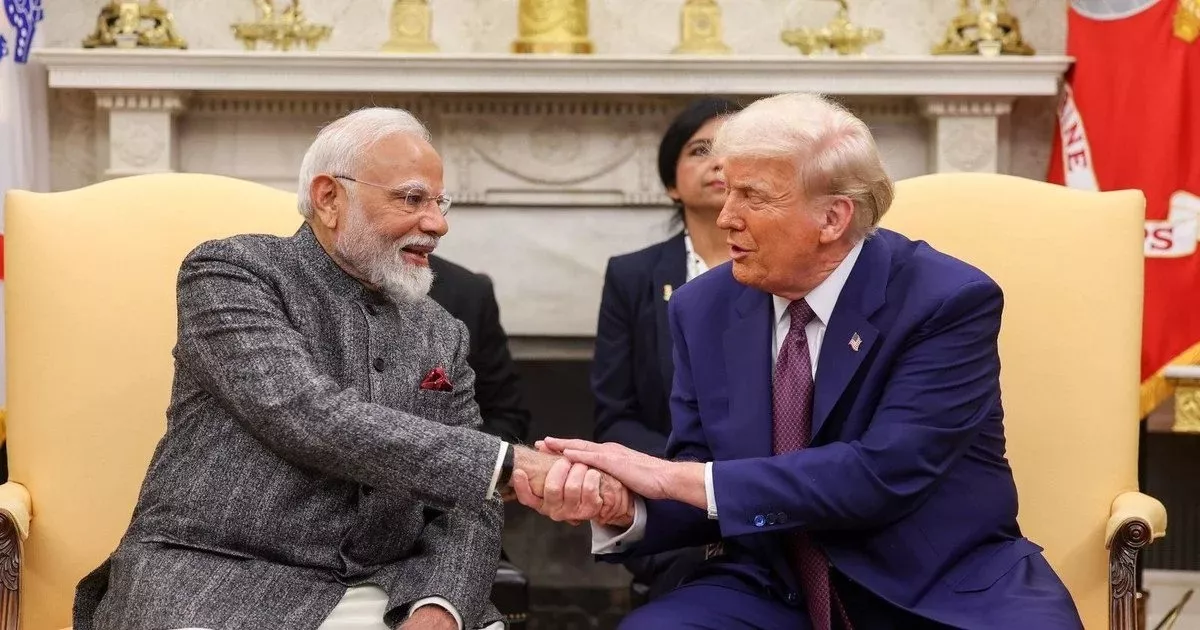
Now Washington has shifted its stance, offering Venezuelan “black gold” to India with the aim of hitting Russia’s revenues from energy exports. Following recent events in Caracas, the United States has effectively taken control of a significant portion of Venezuela’s oil industry and views India as an ideal market for this heavy crude, which matches the capabilities of Indian refineries.
This initiative comes amid a decline in India’s imports of Russian oil, driven by mounting pressure from Washington. Since 2022, India has relied heavily on cheaper Russian crude, but it is now gradually diversifying its sources, boosting imports from the Middle East, Africa, and the United States.
At first glance, New Delhi might appear to benefit from this array of generous offers. However, experts view the situation as far more complex. Several analysts warn that if India fully cuts off Russian oil, as Washington urges, Moscow would likely redirect its energy exports to China—India’s main geopolitical rival.
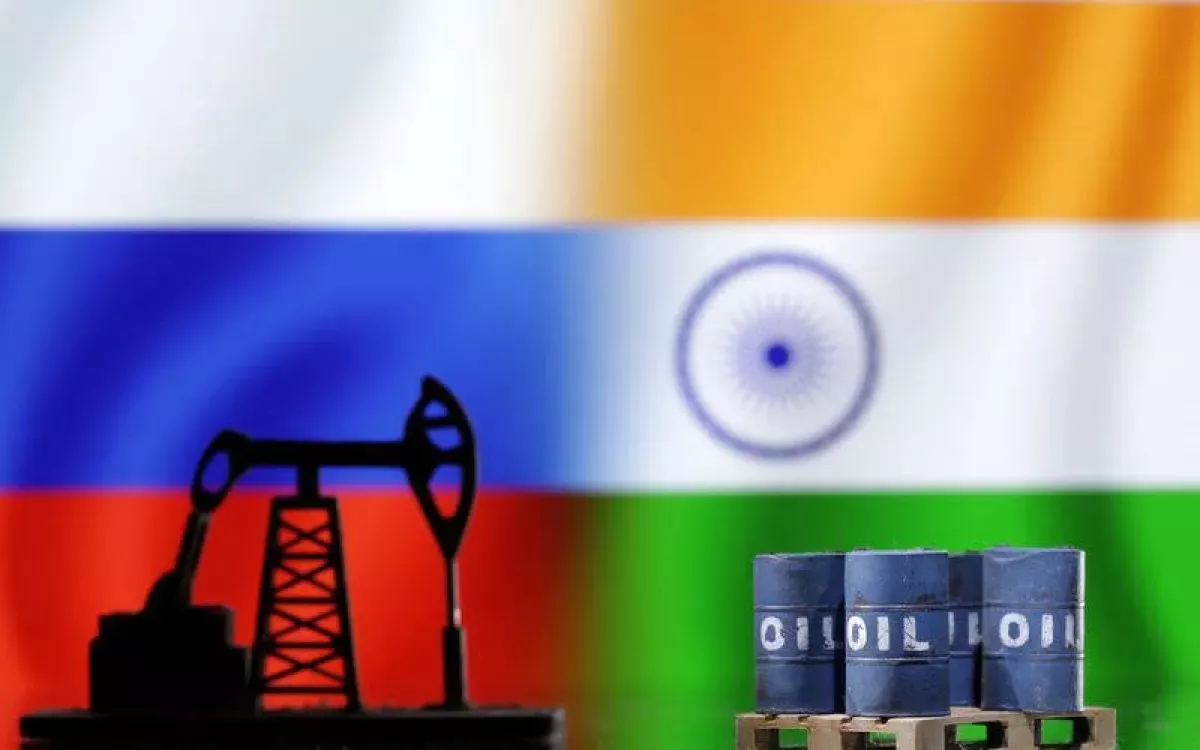
The redistribution of energy flows will take time and require new international agreements. According to Igor Yushkov, an expert at the Financial University under the Russian government and the National Energy Security Fund, Russia will temporarily reduce its “black gold” production, which will drive up prices.
“As happened in 2022, when Russia withdrew from Western markets and turned to India, we cut production by 1 million barrels per day for a month. This triggered panic on the markets, and prices briefly peaked at $120 per barrel. The surge didn’t last long, but it was enough to push gasoline and diesel prices in the U.S.—where fuel costs depend on global oil prices—to historic highs,” he said.
For this reason, India’s complete withdrawal from Russian oil would be disadvantageous not only for India—losing discounted supplies and facing higher market prices—but also for U.S. Republicans, who would face voter dissatisfaction over rising gasoline costs. China, in contrast, would benefit, gaining access to cheaper fuel for its economy. Moreover, severing energy ties could jeopardise defence contracts and joint high-tech projects.
All of this risks significant economic shocks, especially amid the weakening of the Indian rupee, which in turn raises import costs and fuels inflation. With India’s economy relying on oil imports for 88 per cent of its needs, it is particularly vulnerable to currency fluctuations. Additionally, breaking technological links with Russia would hit India’s industrial sector, which is already struggling with expensive imports and weak external demand. Against the backdrop of global volatility, key sectors such as Indian electronics and pharmaceuticals risk losing their competitiveness.
It is also important to consider that New Delhi’s simultaneous courting of Brussels, Washington, and the Gulf states does not take into account the complex relationships between these influential geopolitical players, who are far from enthusiastic about competitors entering the Indian market. In this context, it is possible that the U.S. or the EU could resort to sanctions, tariffs, or other forms of pressure, similar to those previously applied to Russian companies. This scenario poses a range of challenges for New Delhi, including rising domestic prices, foreign policy risks, the potential erosion of established relationships, the need to adapt refineries to process different types of crude oil, and the necessity of balancing international pressure with national economic interests.







 editor@caliber.az
 +994 55 444-88-98
 Азербайджан, Баку, ул. Низами, 203, Af Business House, 5-й этаж