










NATO’s new equation: Rutte’s bid to rewire transatlantic unity Article by Matanat Nasibova
Ahead of the NATO summit in Ankara, the Alliance's Secretary General, Mark Rutte, made a series of noteworthy statements that appeared to be directed almost exclusively at US President Donald Trump.
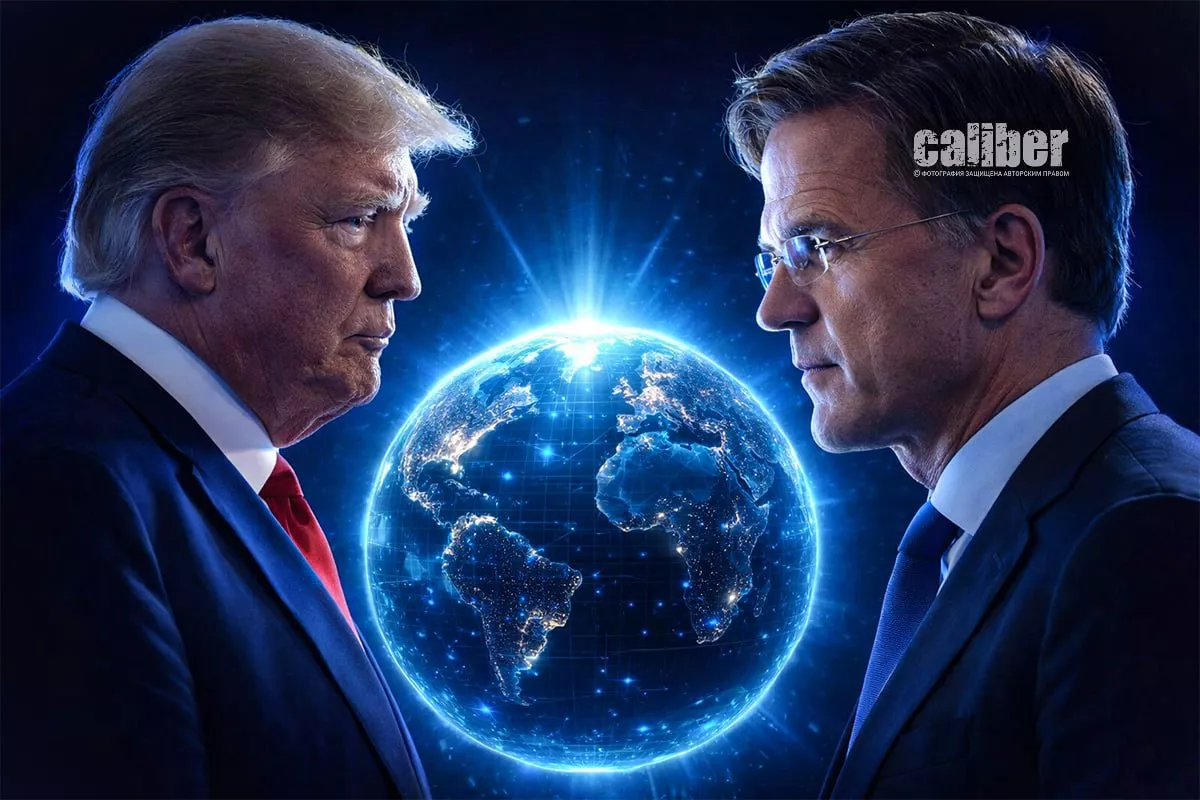
In particular, the Secretary General stressed that NATO exists not only to safeguard the security of its European allies but also to strengthen Washington's global standing. He emphasised that the Alliance plays a vital role in ensuring the security of both sides of the Atlantic.
"NATO exists not only to defend Europe. NATO also helps defend the U.S. homeland and enables the United States to play its impressive, decisive role on the global stage in projecting American power," he said during a visit to the United States.
Notably, international media were quick to describe the Secretary General's remarks as a "charm offensive" aimed at easing Washington's growing scepticism towards the Alliance.
Reuters, in particular, highlighted Rutte's comments that he intended to use the Ankara summit to convince the US president—who has repeatedly voiced disappointment with the Alliance's effectiveness—of NATO's value. According to Rutte, the summit should demonstrate that “Trump is the most powerful man in the room” and therefore “the leader of the free world”, Reuters wrote.
Politico echoed this assessment, noting that ahead of the Ankara summit, the Secretary General is seeking to convince Donald Trump of the Alliance's strategic value by promoting defence contracts worth tens of billions of dollars while pressing European member states to increase their defence spending.
It is difficult to disagree with these conclusions, especially when recalling the full chronology of events. Recently, Donald Trump described the sums spent by the United States on NATO as “crazy”, stressing that Washington had allocated around $600 billion annually for the Alliance’s needs.
Following European countries’ refusal to take direct part in the US military operation against Iran, the White House began speaking about the need for a radical overhaul of transatlantic relations and a shift in the format of military support for Europe. It did not rule out a reassessment of its military presence on the continent, while also openly hinting to European capitals — in particular Rome, London, Paris and Madrid — about the consequences of their non-participation in strategically important operations.
In addition, the United States has expressed clear doubts about the combat capabilities of several European armed forces, describing them as outdated and incapable of rapid operational deployment. At the same time, Washington’s dissatisfaction and criticism have had the opposite effect: European NATO members have stepped up their efforts to strengthen security within their own borders.
As we can see, there are clear indications that trends have emerged within the Alliance which could potentially lead to its eventual fragmentation. Against this backdrop, Rutte’s statements in Washington pursue several key objectives: first, despite any disagreements, to preserve NATO as a unified military-political bloc; second, to prevent a reduction in US engagement in European security; and third, to encourage Europe to invest more actively in its own defence.
In strategic terms, the Secretary General appears to be attempting to construct the following configuration: the security of Europe and the security of the United States are of equal value, and a threat to one is automatically regarded as a threat to the other. It can be assumed that in this way Rutte intends, within the framework of the “NATO 3.0” concept, to revise the traditional perception of the Alliance as an organisation whose primary mission is the defence of European allies under Washington’s leading role.
Put simply, he aims to dismantle the long-standing stereotype in public perception that NATO is merely an instrument of American protection of Europe. It should be noted that in today’s conditions such an approach appears entirely justified, as growing competition with China, the Russia–Ukraine war, and tensions in the Arctic make the security of North America and Europe interdependent.
It can therefore be assumed that this was the key message Rutte sought to convey to the US President ahead of the NATO summit in Ankara, which some analysts are already describing as a forum for the Alliance’s reset.
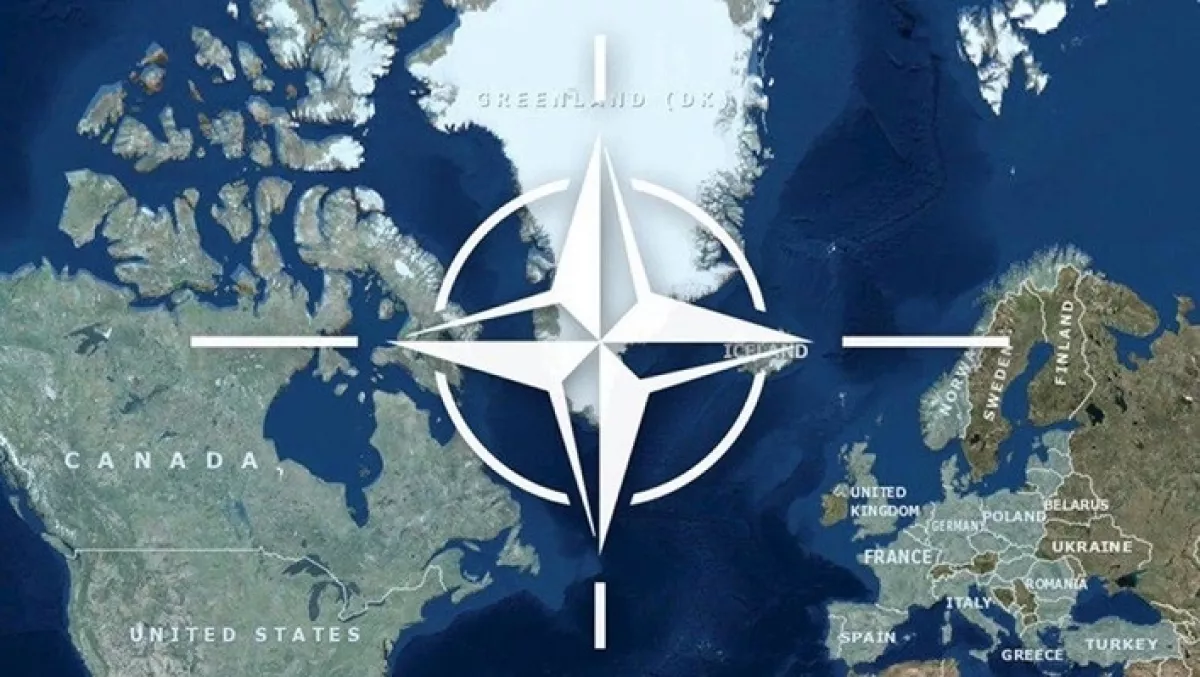
At the same time, another audience for the Secretary General’s remarks in Washington is the European NATO countries, to whom he sought to convey the need to accelerate the increase in defence spending, modernise their armed forces, and develop their defence-industrial base. From a geopolitical perspective, the Secretary General’s statements can also be seen as a direct signal to Moscow and Beijing that any potential threat to North America would be regarded as a challenge to the entire Alliance.
Thus, the common denominator of Mark Rutte’s statements is aimed at adapting NATO to a new stage of global rivalry, while maintaining the United States within the Alliance and ensuring the full engagement of European countries in guaranteeing the security of all member states.
Whether the Secretary General of the bloc will be able to accomplish such a multi-layered task will become clear following the results of the upcoming NATO summit, which is set to take place in the capital of the Republic of Türkiye.







 editor@caliber.az
 +994 55 444-88-98
 Азербайджан, Баку, ул. Низами, 203, Af Business House, 5-й этаж