










NATO's Turkish march What the Ankara summit revealed
The NATO Summit in Ankara was the first since the allies' meeting in The Hague, where the Alliance was expected to demonstrate that its high-profile political declarations were beginning to translate into concrete decisions. A few months earlier, the member states had agreed to significantly increase their defence spending. Now, they faced a different challenge: convincing both their allies and their own societies that these funds would genuinely contribute to strengthening security.
That is precisely why the very first day of the event proved to be unusual. Instead of political discussions, the Defence Industry Forum became the central event. The choice of format was highly symbolic. It was as if the Alliance wanted to demonstrate that the conversation was no longer merely about new commitments, but about how quickly those commitments could be transformed into new weapons, advanced technologies, and combat-ready armed forces.
This was perhaps the summit's central message. NATO is gradually redefining its priorities, having recognised that modern warfare is evolving so rapidly that even substantial increases in defence spending are no longer a guarantee of success unless they are backed by an efficient industrial base and cutting-edge technologies.
Accordingly, the forum focused on projects related to the development of strategic aviation, a new generation of AWACS aircraft, missile defence systems, space-based surveillance capabilities, and, of course, unmanned systems.
Following the meeting, the Alliance signed defence industry contracts worth more than $50 billion and announced the launch of the Drone Edge initiative, aimed at accelerating the integration of drones into the armed forces of allied nations.
Another significant trend was the continued redistribution of responsibilities within NATO. European member states are steadily increasing their defence spending and gradually assuming a greater share of the burden for ensuring the continent's security. This is precisely the approach that Washington has long advocated, and it is now becoming clear that this model is emerging as the Alliance's new normal.
Taken together, these developments are expected to fundamentally reshape NATO's future. So profound is this transformation that officials in Brussels have described it as "NATO 3.0."
Naturally, Ukraine remained one of the summit's central topics. However, the emphasis is gradually shifting here as well. Whereas discussions previously focused primarily on the scale of assistance to Kyiv, the allies are now increasingly considering what they themselves can learn from the Ukrainian military. The extensive use of unmanned systems and Ukraine's experience in modern warfare are already having a significant impact on NATO's military planning.
It was therefore no coincidence that, for the first time, the summit's final declaration stated that Ukraine contributes to the security of the Euro-Atlantic area. This wording reflects a gradual shift in the Alliance's perception of the country: Ukraine is increasingly viewed not only as a state in need of support, but also as a partner possessing unique military expertise.
A practical manifestation of this approach was Donald Trump's announcement of his readiness to grant Ukraine a license to produce Patriot air defence systems, along with the allies' reaffirmation of their commitment to providing long-term military assistance.
The choice of venue for the summit was equally revealing. In recent years, Türkiye has significantly strengthened its position within NATO. Until not long ago, Ankara's relations with several allies were marked by persistent disagreements. Today, however, the situation looks markedly different.
Türkiye not only possesses the Alliance's second-largest armed forces but has also been rapidly expanding its domestic defence industry, emerging as one of the world's leading producers of unmanned aerial systems. Moreover, Ankara remains one of the few NATO members capable of playing a significant role simultaneously in the Black Sea region, the Middle East, and the South Caucasus.
Taken together, these factors suggest that the decision to hold the summit in the Turkish capital was far from coincidental.
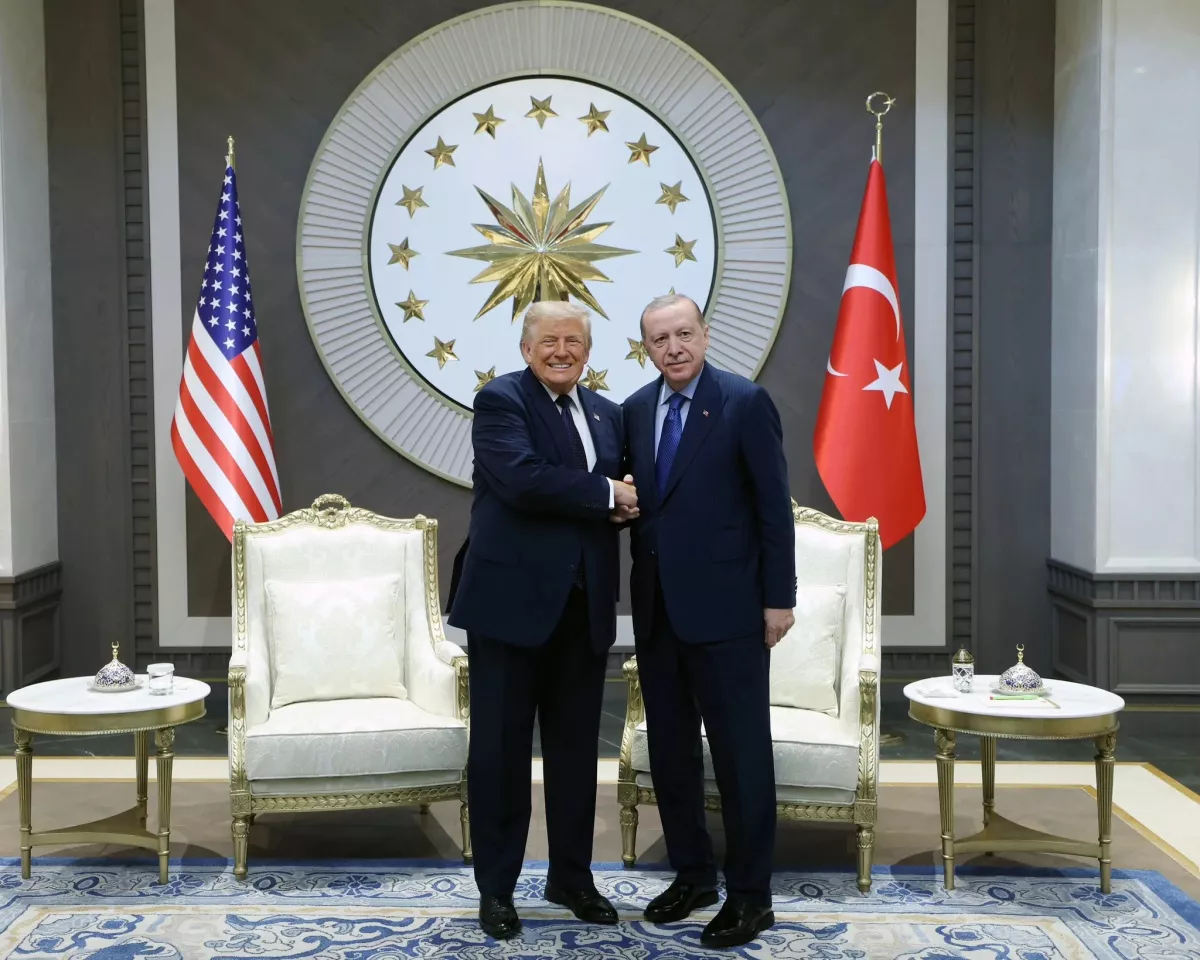
The shift in attitudes toward Türkiye is also reflected in Washington's position. It was in Ankara that Donald Trump signalled his readiness to lift the restrictions previously imposed on Türkiye and support its return to the F-35 fighter jet program. The U.S. president also once again emphasised his strong personal relationship with Recep Tayyip Erdoğan, describing Türkiye as one of America's most reliable allies. Such statements would have been difficult to imagine only a few years ago.
Trump himself was, in many respects, the summit's principal source of intrigue. Yet, contrary to expectations, the meeting concluded without any major public disagreements. The allies succeeded in keeping the discussions focused on the issues Washington has long prioritised: increasing defence spending and accelerating the rearmament of European armed forces.
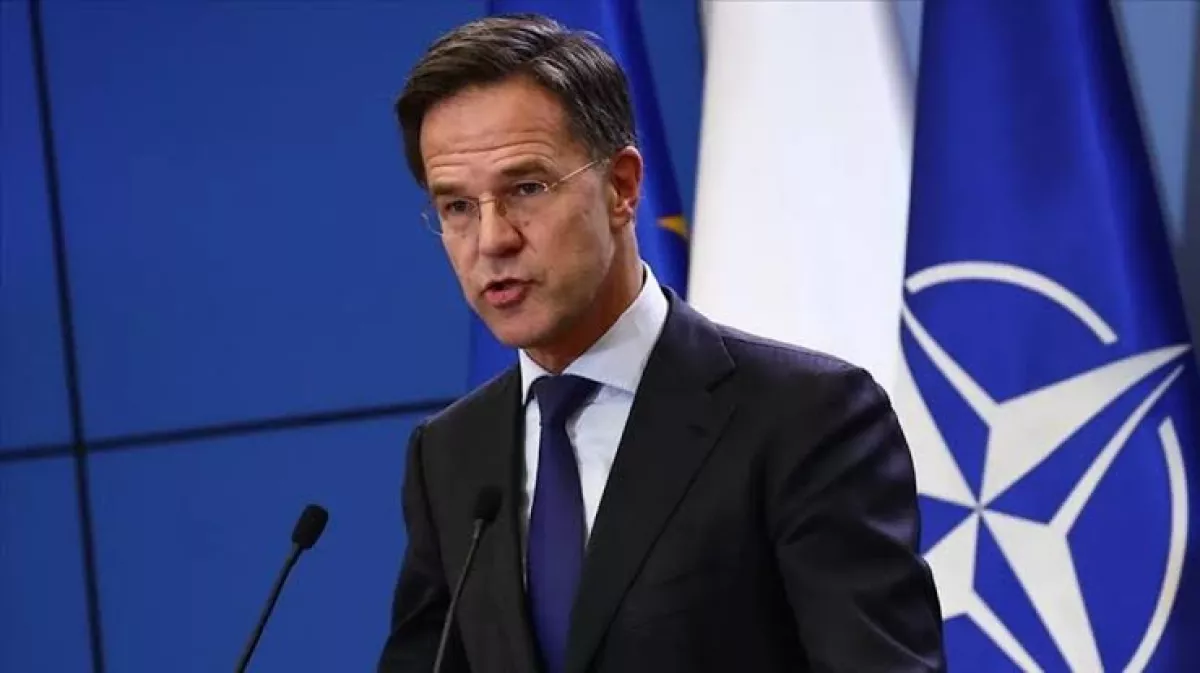
When discussing the transformation currently underway within the North Atlantic Alliance, it is impossible not to mention the individual who has become central to these changes—NATO Secretary General Mark Rutte, who is leading the Alliance through a particularly challenging period.
On the one hand, he must preserve unity among the allies despite their differing national interests; on the other, he must persuade European governments to accelerate the strengthening of their own military capabilities amid pressure from the Trump administration. The Ankara Summit offered perhaps the clearest demonstration to date of the results of Rutte's efforts.
Nevertheless, both Rutte and the Alliance as a whole still face considerable challenges. Several long-standing differences remain unresolved. Not all European member states, for example, have yet met NATO's minimum benchmark of allocating at least 2 per cent of GDP to defence spending.
It is also noteworthy that the next NATO summit has not yet been scheduled. According to reports, Rutte is considering foregoing annual leaders' meetings in order to avoid unnecessary political tensions. This may well prove to be a prudent approach. Ultimately, however, its success can only be judged by concrete actions.







 editor@caliber.az
 +994 55 444-88-98
 Азербайджан, Баку, ул. Низами, 203, Af Business House, 5-й этаж