










New roads in the South Caucasus, old barriers in Washington Why Section 907 no longer makes sense
The August trilateral summit in Washington, involving the leaders of the United States, Azerbaijan, and Armenia, was truly a turning point. Many observers compared the handshake between Aliyev and Pashinyan in the Oval Office of the White House to similar gestures that took place in September 1978 at Camp David between Anwar Sadat and Menachem Begin, and in September 1993 in Oslo between Yasser Arafat and Yitzhak Rabin. While in the first case the peace between Israel and Egypt proved lasting, the Palestinian Intifada that began in 2000 effectively buried the emerging peace process.
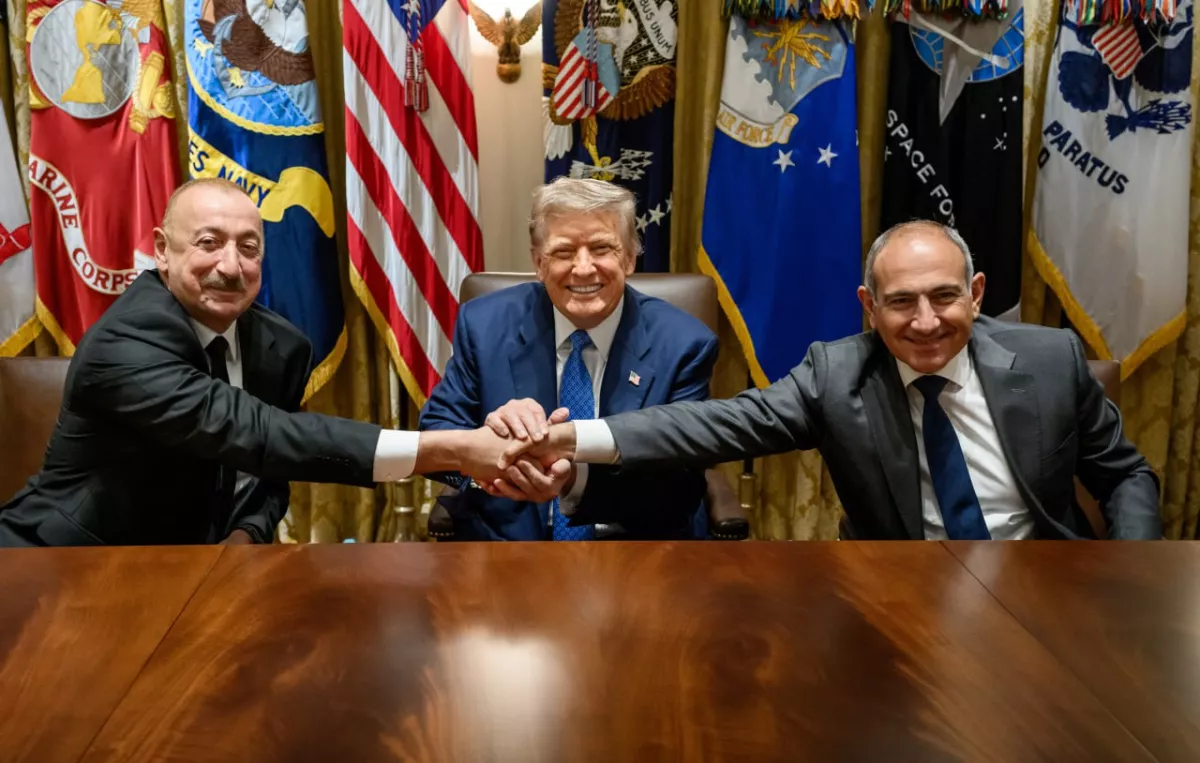
For our part, we can only hope that the August handshake at the White House will mark the beginning of an irreversible movement toward peace in the region, and that no provocations from external actors (and in Armenia’s case, internal revanchist forces as well) will prevent the parties from building a durable architecture of peace and stability.
More than four months have passed since that August day, a period marked by events that would have been hard to imagine even a few years ago. We will, of course, discuss these developments separately, but it is worth highlighting that even before these events began to unfold, the two peoples had, for the first time in many decades, recorded a complete absence of shooting along the conditional border between the two states. Surely, this cannot fail to please sober-minded people, while frustrating those for whom peace in the region is like a bone stuck in the throat.
However, that is not our focus right now. What is far more important is that, following the Washington summit, the parties have moved from symbolic gestures to concrete, practical steps that until recently seemed impossible. Above all, this concerns the gradual removal of transport and logistical barriers that have for decades fragmented the region into isolated pieces. Azerbaijan made a principled decision to allow the transit of goods to Armenia through its territory, thereby demonstrating in practice that confrontation is giving way to pragmatism and mutual benefit.
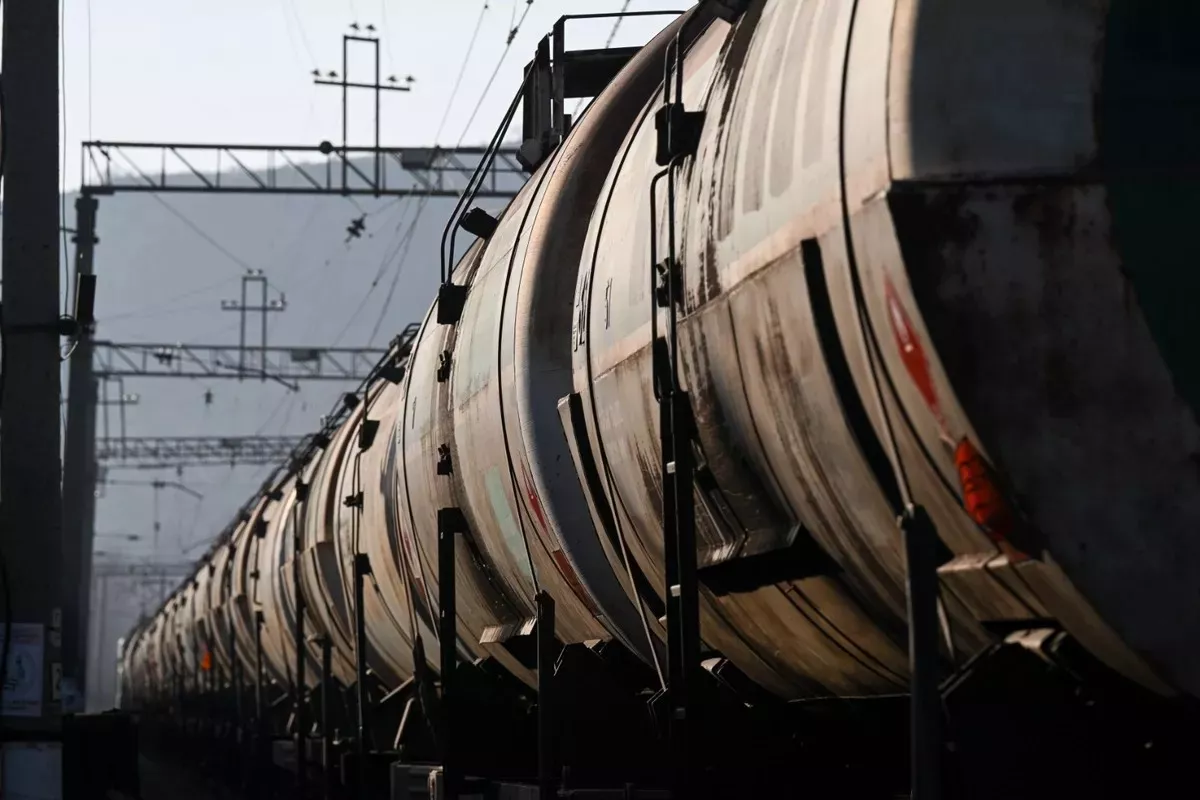
Notably, the first shipments along this route were not abstract “test” consignments, but concrete and vital cargo. Initially, Kazakh grain began flowing to Armenia via Azerbaijan, followed by Russian grain. This is more than a logistical episode; it is an important marker of a new reality: the South Caucasus is becoming a space of transit and cooperation, rather than a dead end where every road runs into political conflict. As is well known, the economy responds much more directly to reality than rhetoric ever does, and it was precisely the economy that first reacted to this opening “window of opportunity.”
Equally symbolic were the beginnings of Azerbaijani fuel deliveries to Armenia. Not long ago, even the idea that Baku would supply Yerevan with fuel would have seemed politically unthinkable. Yet today, it is a pragmatic decision based on market logic and neighbourly relations. Even such basic energy cooperation creates mutual dependence and, therefore, additional safeguards against a return to past scenarios of escalation.
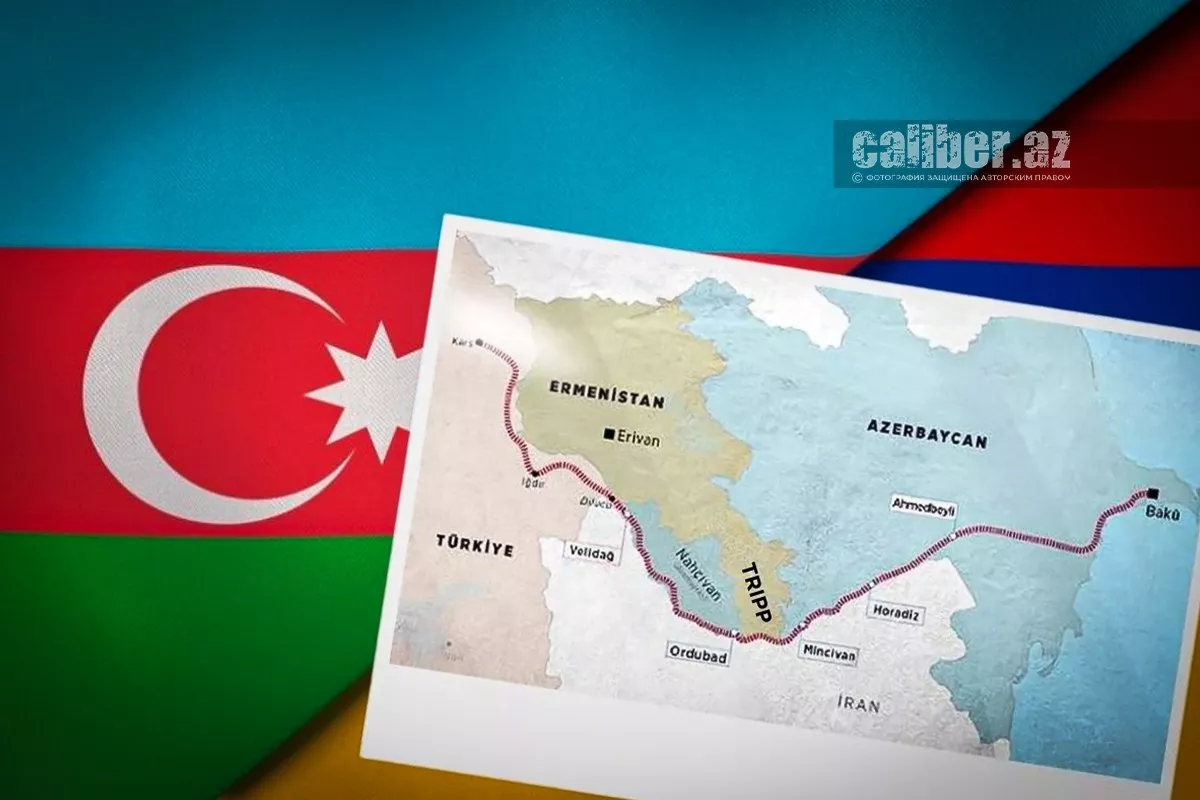
In parallel, work is underway on constructing the railway line in the Zangezur Сorridor area. Regardless of what the future routes will be called or which legal frameworks will underpin them, the very fact that progress is being made toward restoring railway connectivity carries strategic significance. A railway always represents long-term planning, investment, and confidence in the future. No one lays tracks where a new war is expected.
Taken together, these processes indicate that transport communications in the region are gradually being unlocked. The South Caucasus is beginning a new chapter and gaining fresh momentum. The benefits extend not only to Azerbaijan and Armenia but also to neighbouring countries, including Türkiye, Iran, Russia, and the Central Asian states, for which shorter and more economically advantageous routes are opening up.
Against this backdrop, the continued existence of Section 907 of the U.S. “Freedom Support Act” appears not merely an anachronism, but an outright absurdity. This provision, adopted in a completely different geopolitical and regional context, was originally unilateral and politically motivated. Today, with no blockade, no military actions, and no refusal to engage in dialogue, its existence directly contradicts the processes unfolding on the ground.
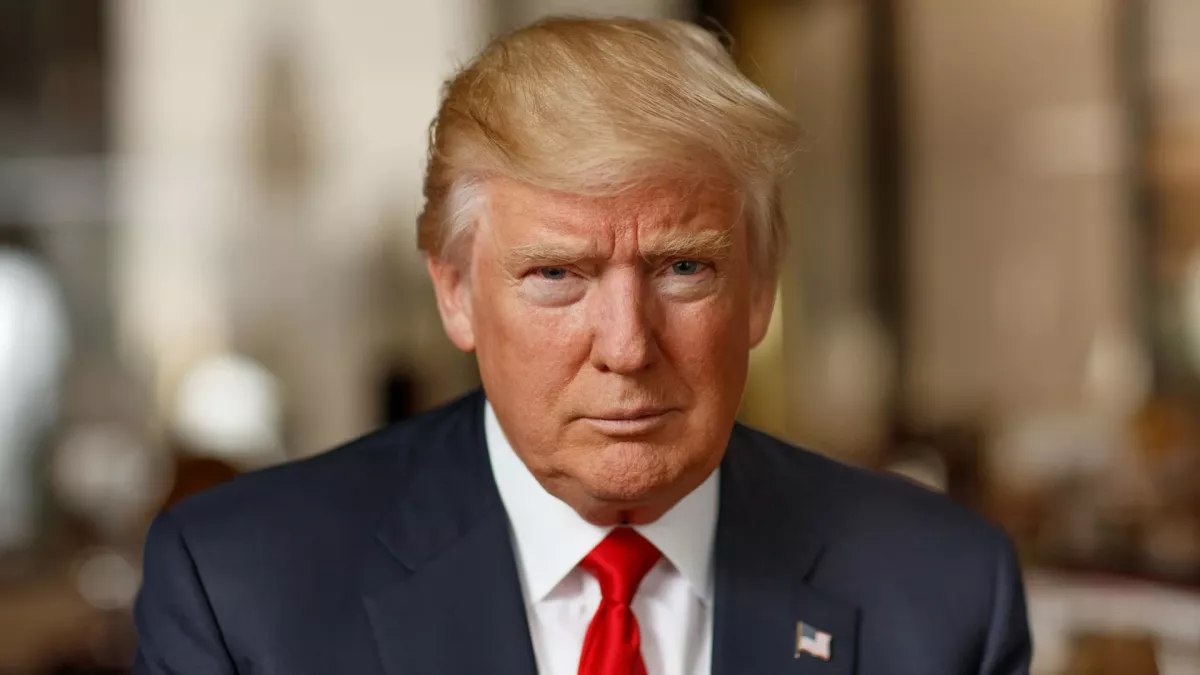
This appears all the more strange given that President Donald Trump himself has spoken in favour of repealing Section 907, acknowledging its inconsistency with current realities and the interests of the United States. At a time when Washington declares its support for peace, stability, and economic development in the region, maintaining such a restrictive mechanism undermines confidence in American policy as a whole.
As is rightly noted both within the region and beyond, with the ongoing peace process, the normalisation of relations, and the opening of communications, the continued existence of this provision has neither moral nor political justification. If the South Caucasus is truly entering an era of peace and cooperation, the international community should not cling to relics of the past, but rather support the consolidation of positive change. Repealing Section 907 would be an important—albeit symbolic—yet absolutely necessary step in this direction. And now the ball is in the American lawmakers’ court.







 editor@caliber.az
 +994 55 444-88-98
 Азербайджан, Баку, ул. Низами, 203, Af Business House, 5-й этаж