










Oil, sanctions, and Hormuz: what's behind the Bürgenstock talks? Analysis by Shereshevskiy
U.S. and Iranian officials held talks in Bürgenstock, Switzerland. Qatar and Pakistan, acting as mediators, reported progress and described the negotiations as "encouraging." However, despite the partial reopening of the Strait of Hormuz, intermittent exchanges of fire continue to occur between Iranian and U.S. forces.
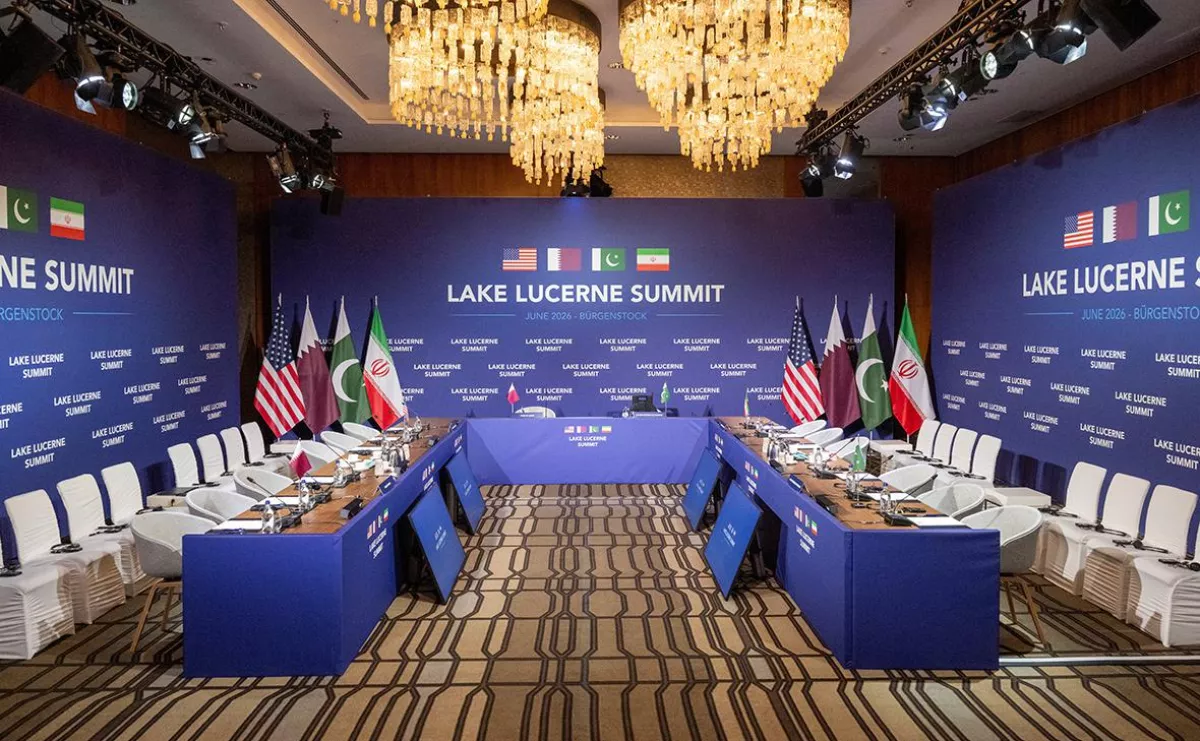
There was no shortage of drama. The Iranian delegation, led by Foreign Minister Abbas Araghchi and Parliament Speaker Mohammad Bagher Ghalibaf, refused to shake hands with U.S. Vice President J.D. Vance. As the talks ran into difficulties, Donald Trump sought to pressure the Iranian side by posting on Truth Social that, because of Tehran's unwillingness to compromise, he was prepared to resume bombing the country. In response, the Iranian delegation suspended the discussions and demanded an apology. The Islamic Revolutionary Guard Corps (IRGC) announced that Iran was once again closing the Strait of Hormuz to shipping. However, U.S. officials denied the claim, stating that oil tankers were continuing to transit the waterway without disruption.
More dramatic developments followed. The Strait of Hormuz appears to have reopened, while both the United States and Iran backed away from reciprocal blockade measures. Oil tankers resumed passing through the strategic waterway, contributing to a decline in global crude oil prices.
Later, reports emerged that Iranian forces had attacked one or more vessels using drones, while the United States carried out strikes against Iranian military targets. At present, the Strait of Hormuz appears to be open, although shipping volumes have yet to return to their pre-war levels. However, no one can say with certainty what will happen tomorrow.
The negotiations currently underway are not aimed at reaching a comprehensive nuclear agreement between Washington and Tehran. Instead, the two sides are seeking to agree on the principles of a ceasefire and the temporary lifting of their reciprocal blockade of the Strait of Hormuz for a period of 60 days. During this time, the waterway would remain open both to U.S. forces—which had previously obstructed the passage of Iranian oil tankers—and to the Iranian side, which had restricted the movement of other vessels.
Before the U.S.-Israeli coalition's war with Iran, which began on February 28, this route remained open and carried up to 20 per cent of global oil supplies. After the strait was blocked, fuel prices in the United States rose sharply, increasing the risk of a global economic recession. As a result, the situation began to affect the approval ratings of the ruling Republican Party negatively.
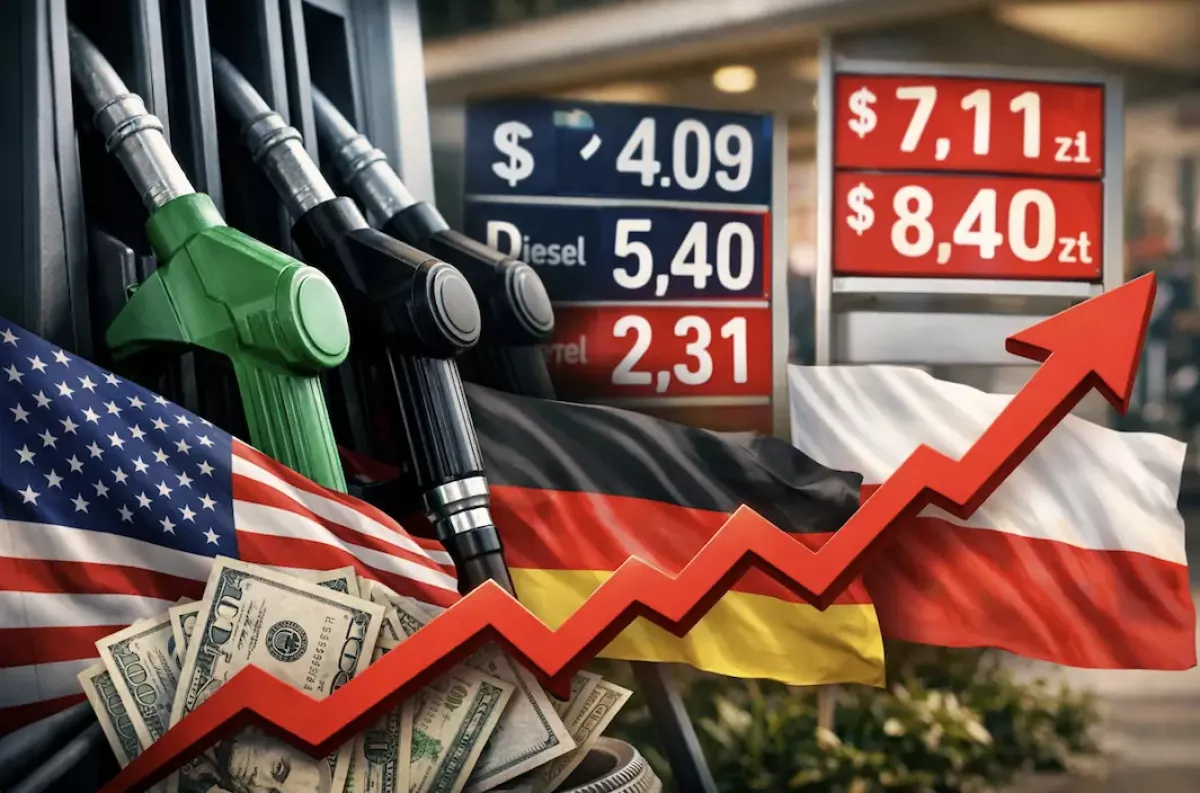
Rising fuel prices became a particular concern for Americans. The issue turned into a key challenge for President Trump, as the U.S. congressional elections are scheduled for the autumn. The administration needed to reopen the strait in order to lower oil and petroleum product prices and reduce voter dissatisfaction.
At the same time, the Iranian leadership faced an equally difficult situation. Because of the U.S. blockade, the country was losing approximately $450 million in revenue every day, dealing a severe blow to its already weakened economy. According to Iranian government agencies, around 40 million people—roughly 45 per cent of the population—are living below the poverty line.
In May, inflation reached nearly 80 per cent, according to the Associated Press.
“I have no doubt that if Trump leaves (Iran without a formal peace deal) ... most probably, we will see something like January by the end of summer because of the economic and social situations,” said Iranian analyst Mohsen Jalilvand.
Iranian economist Saeed Laylaz stated that “Iranian society is unable to withstand annual inflation exceeding 25 per cent.” Following the January protests, during which millions of people took to the streets (and were later harshly suppressed by the authorities), as well as amid a new wave of student demonstrations, Tehran recognises the need for a period of respite.
Thus, both Washington and Tehran have an interest in ensuring freedom of navigation through the Strait of Hormuz, seeking to reduce some of the economic and political risks they face. It was this shared interest that ultimately led to the temporary reopening of the strait. The question, however, remains: how long will it last?
The United States has announced a temporary suspension of sanctions on Iranian oil. U.S. Treasury Secretary Scott Bessent stated, “Treasury has issued a temporary 60-day general license authorising the production, delivery, and sale of Iranian oil.” The sanctions relief effectively allows Tehran to export and trade its oil for a period of two months.
However, even this temporary arrangement faces significant challenges. Iran insists on a ceasefire, and the United States generally agrees with that position. Yet in recent weeks, clashes between the two sides have flared up intermittently—first subsiding, then ceasing altogether, only to resume again.
In addition, Tehran demands that the agreement also address Israel. It insists that the Israel Defense Forces halt its strikes against the positions of Iran's ally in Lebanon, Hezbollah, and withdraw Israeli troops from Lebanese territory. Israel has rejected these demands, hostilities continue, and the ongoing fighting has further complicated negotiations between Washington and Tehran. Israel's conflict with Hezbollah directly affects Tehran, which is unwilling to distance itself from its ally.
Under these circumstances, the situation in the Strait of Hormuz remains unstable.
Over the next 60 days, the United States and Iran are expected to try to negotiate a broader nuclear agreement. The deal would likely require Iran to halt uranium enrichment and place its existing stockpile of approximately 400 kilograms of 60 per cent-enriched uranium—which is close to weapons-grade material—under international supervision. In return, the United States could lift sanctions, unfreeze around $25 billion in Iranian assets, and establish an investment fund together with the Sunni monarchies of the Persian Gulf to support Iran's post-war reconstruction, with a potential value of up to $300 billion.
Some critics in the United States have described this proposal as de facto “reparations.” However, U.S. officials maintain that not a single dollar of American taxpayers' money would be transferred directly to Iran.
At first glance, even discussing such terms appears to represent a political victory for Iran. The regime has not only withstood pressure from the United States and Israel but has also gained the ability to set conditions for negotiations with Washington. Tehran has leveraged a key geopolitical asset—its ability to disrupt stability along one of the world's most important oil transit routes by restricting maritime traffic through the Strait of Hormuz.
However, it would be premature to draw definitive conclusions. The Trump administration's restrained approach is driven primarily by the need to stabilise oil prices ahead of the U.S. elections. Once the elections are over, these political constraints may ease, potentially giving Washington greater freedom of action—from renewing its pressure campaign to pursuing another round of military escalation in coordination with Israel.
In any case, proposals to establish an investment fund and conclude a broader nuclear agreement remain declarations of intent rather than finalised commitments. The parties have so far been unable to secure even a durable ceasefire in Lebanon. Most importantly, regardless of any current understanding, after the U.S. elections, Donald Trump is expected to face significantly fewer electoral constraints, which could broaden Washington's scope for applying military and political pressure on Iran.







 editor@caliber.az
 +994 55 444-88-98
 Азербайджан, Баку, ул. Низами, 203, Af Business House, 5-й этаж