










Tehran on the brink of a split: generals, mullahs, and the spectre of a new revolution Analysis by Shereshevskiy
The split within Iran’s ruling elite has multiple signs. Despite the authorities’ attempts to project unity, contradictions between various power groups are becoming increasingly visible. Most of these groups are, in one way or another, linked to the Islamic Revolutionary Guard Corps (IRGC) — the political, economic, and military core of Iranian society, its “deep state”.
First, there was the ambiguous story surrounding the possible resignation of President Masoud Pezeshkian, who belongs to the regime’s reformist wing. Reports suggested that Pezeshkian threatened to resign due to his de facto exclusion from key decision-making processes. However, there is no reliable confirmation of these claims.
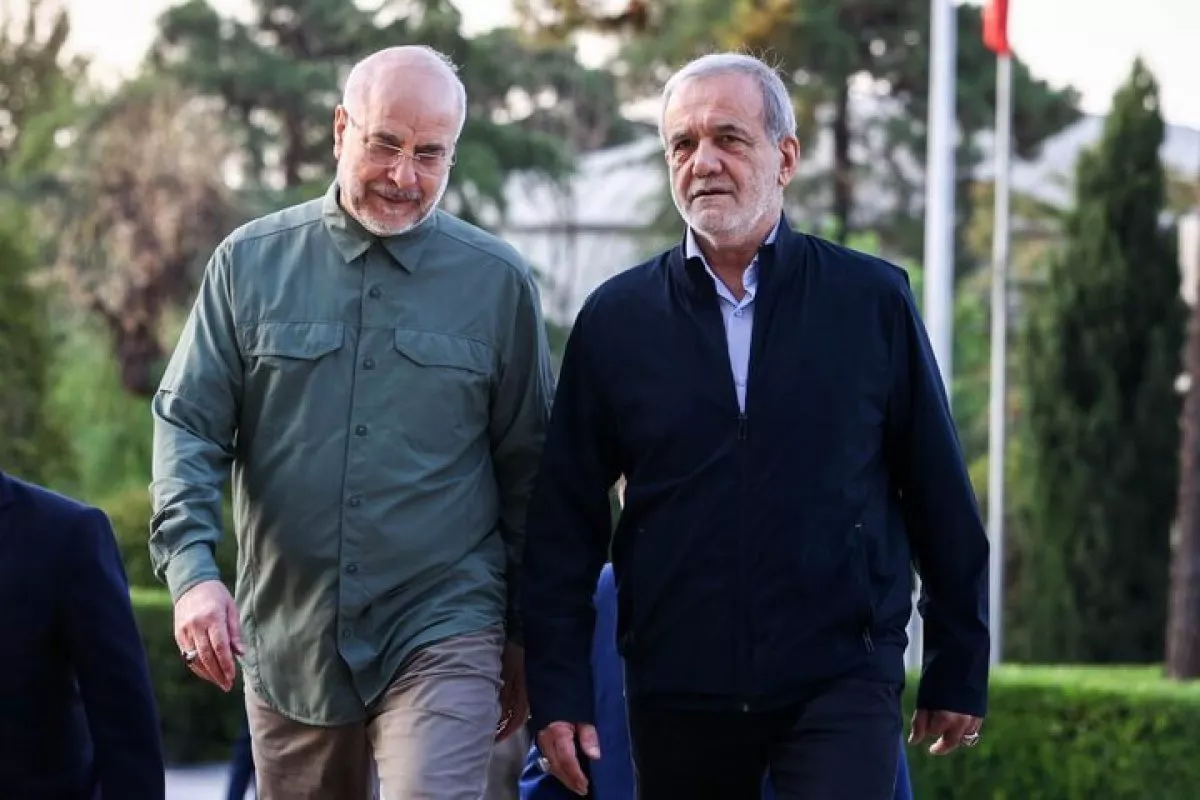
Second, there was an attempt to remove Speaker of Parliament Mohammad-Bagher Ghalibaf from negotiations with the Americans. He was excluded from the negotiating team, but afterwards the absolute majority of parliamentarians came out in his defence.
Third, protests erupted in parliament against Ghalibaf, who was labelled as too moderate and, in the view of critics, pro-American. These statements were supported by several dozen MPs. Later, the same uncompromising circles organised street protests against a possible deal with Donald Trump, but the security forces quickly dispersed them. This radical “super-patriotic” group is linked to Saeed Jalili, the former representative of the now-deceased Supreme Leader Ali Khamenei in the Supreme National Security Council (SNSC), which brings together representatives of the security structures and key civilian agencies. A number of MPs who opposed Ghalibaf are also associated with this camp.
Fourth, opposition media reported strong dissatisfaction within the Shiite clergy in Qom. One representative of religious circles, who wished to remain anonymous, said in an interview that the influence of the clergy is declining, while power is gradually shifting to supporters of the IRGC, a second, special religious army of the country that grew out of Islamist Shiite militias. The Corps recruits traditionally the most religiously motivated officers and soldiers. It controls most major state and private companies, as well as key government institutions.
According to the principles of the Islamic Republic, the country should be governed by an almost absolute spiritual leader — a jurist and expert in theology. He is elected by an Assembly of 88 experts representing the clergy. However, today no one can say with certainty whether this assembly elected the current spiritual leader, Mojtaba Khamenei — the son of the late Ali Khamenei.
Moreover, it is unclear whether Mojtaba is even alive. Despite the publication of statements issued in his name, no audio recordings of his voice have appeared in the public domain since late February.
Therefore, it cannot be ruled out that he may have been killed during the first Israeli strike on February 28, together with his father, the previous spiritual leader, Ali Khamenei.
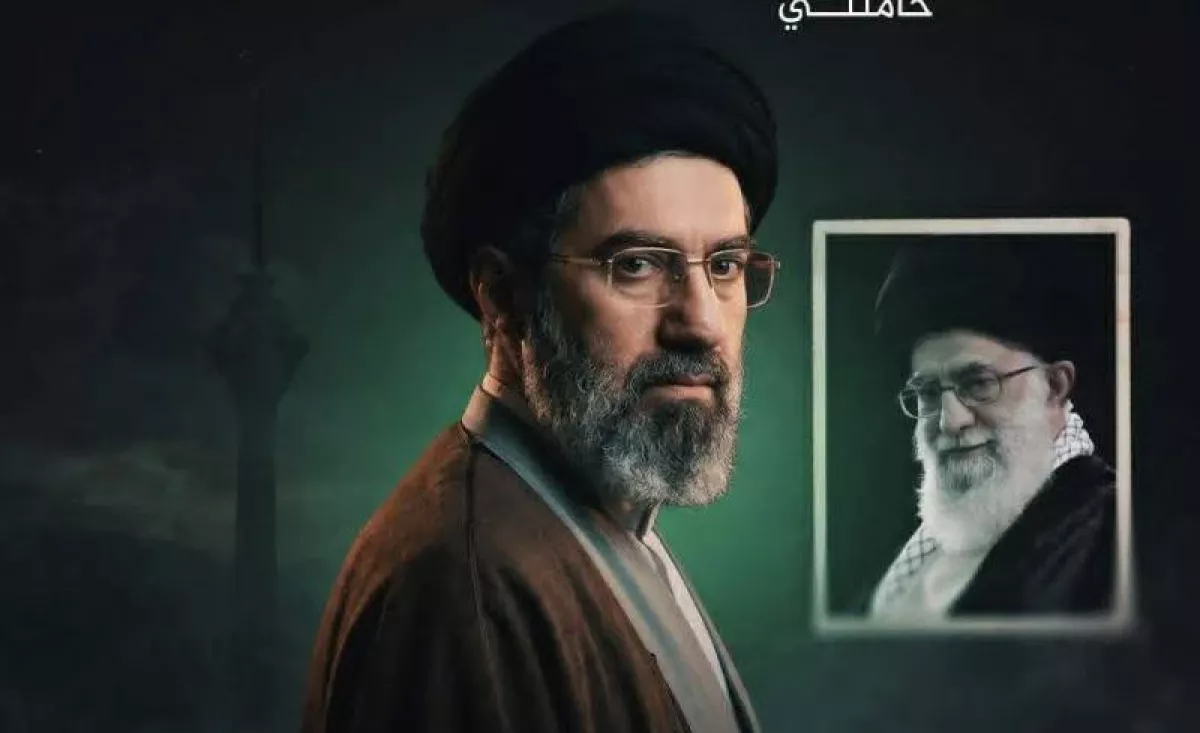
However, even if Mojtaba is alive, part of the clergy believes that he does not possess sufficient theological expertise to govern the country.
Today, Iran is effectively controlled by the IRGC leadership headed by General Ahmad Vahidi. And it could be said that the dissatisfaction of other factions is of secondary importance. After all, as Mao Zedong once liked to say, “power grows out of the barrel of a gun.”
The IRGC is the core of Iran’s political and economic system and possesses not only its own armed forces but also the Basij militia, which suppresses protests. In addition, the Corps controls the largest state and private companies. With such resources, the real centres of power are capable of pursuing virtually any policy.
The former Supreme Leader Ali Khamenei, who ruled the country for 36 years, selected IRGC leadership cadres to align with his own interests, promoting the most loyal figures to key positions.
After his death, these figures themselves became the power holders, and the new Supreme Leader, even if he is alive and fully functional, is no longer an unquestioned authority for them.
However, it should also be noted that two-thirds of parliamentarians are linked to the IRGC, as is Ghalibaf himself. Other candidates were effectively barred from participating in the last parliamentary elections. The leader of the uncompromising camp, Saeed Jalili, is also associated with the Corps. The Shiite clergy, in turn, interacts with various groups within this structure.
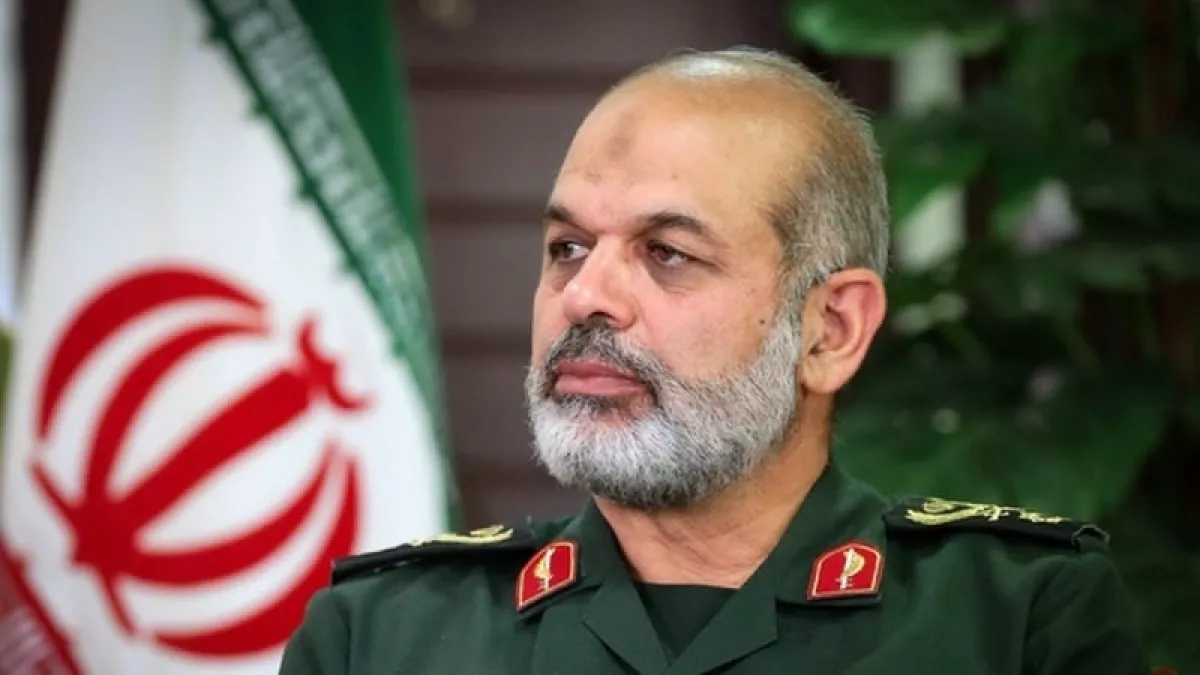
Whether General Ahmad Vahidi, the current de facto ruler of Iran, will be able to consolidate the entire IRGC around himself remains an open question. This is where the main intrigue lies.
There is no certainty in the reasoning of those who believe that IRGC generals benefit from maintaining a state of martial law, as it provides them with legitimacy. The absolute majority of Iranians oppose the regime, and society has not rallied around the flag.
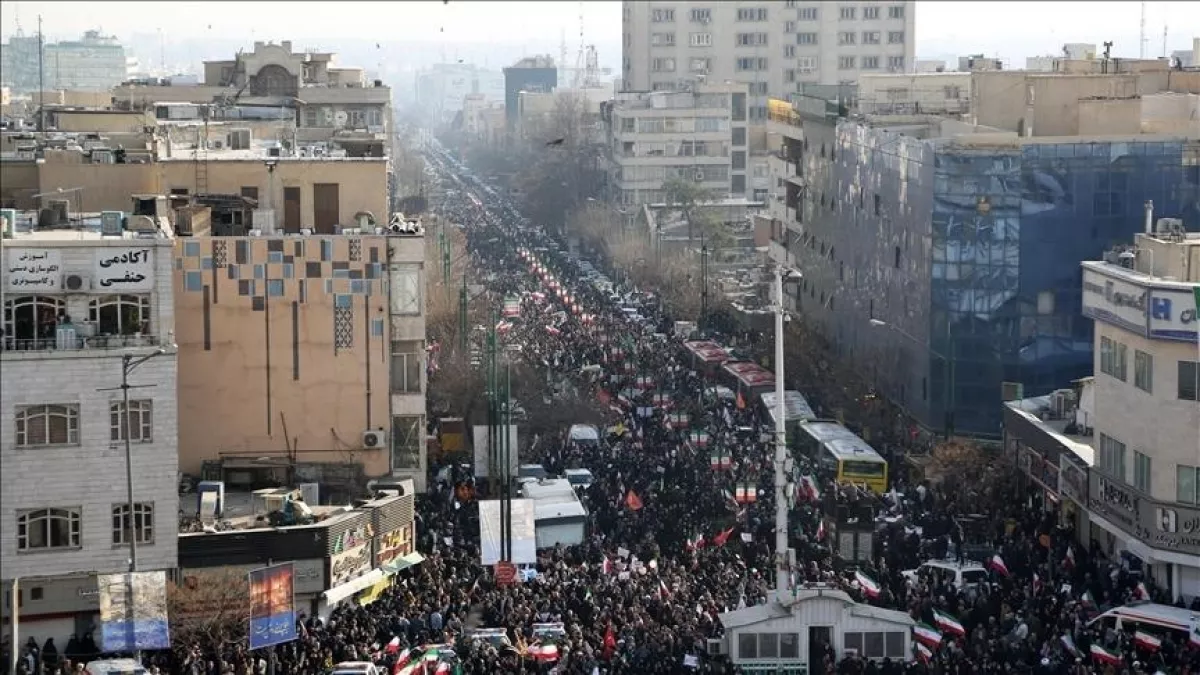
Mass protests in January took place after the first stage of the war with Israel and the United States — following the 12-day war of June 2025. Millions of people took to the streets, chanting the name of Reza Pahlavi, the prince who supported the American and Israeli strikes.
Recently, several official representatives have effectively acknowledged that the majority of the population does not support the country’s leadership.
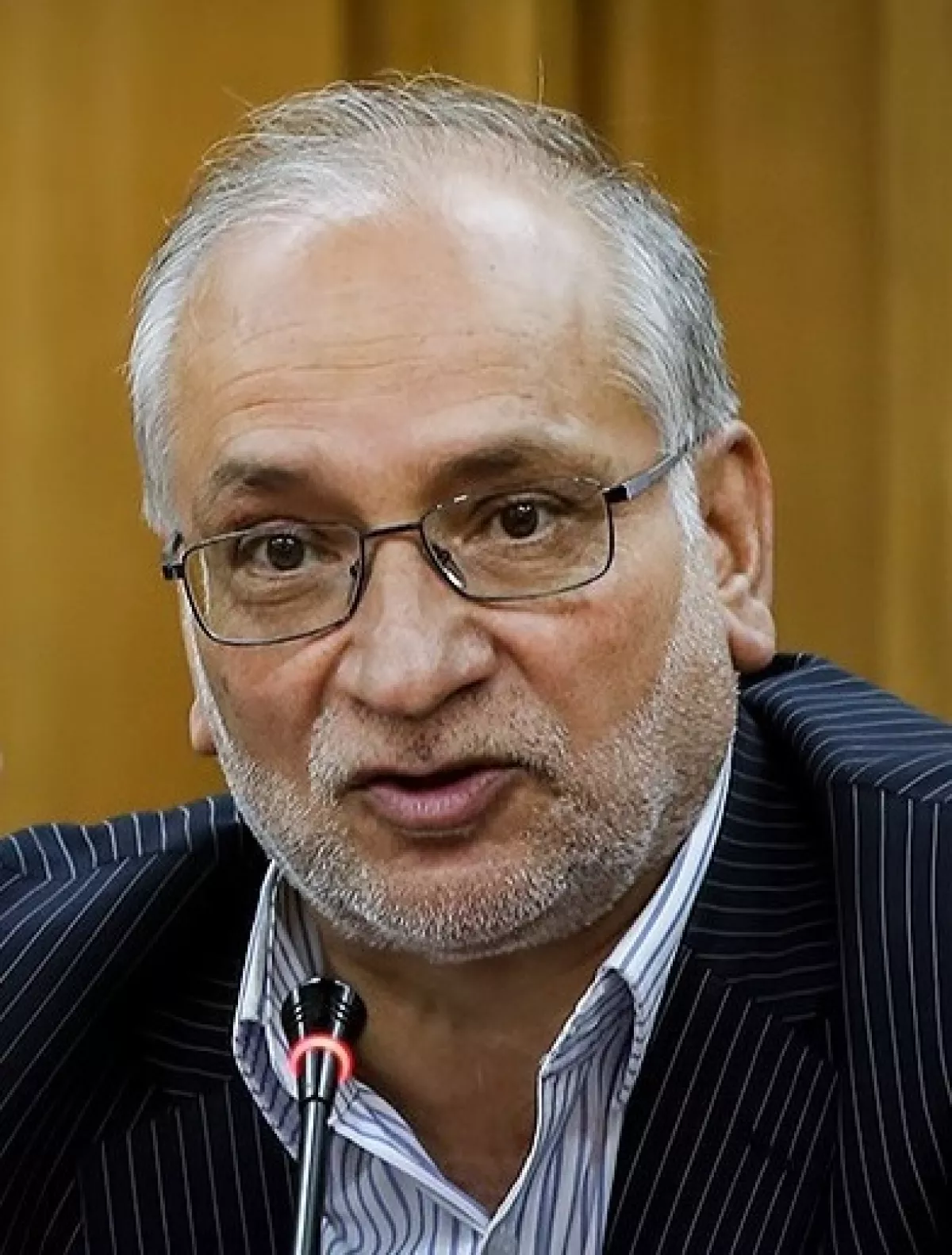
One regime representative, Hossein Marashi, publicly stated that there is a deep rift between society and the country’s leadership.
Mehdi Kharatian, who heads a think tank close to the IRGC, said in an interview with the media that authorities lost control of about a hundred Iranian cities during the January events.
Since 2017, the country has been regularly shaken by protests. Recently, there have been mass demonstrations of high school and university students in various cities. Iran’s economic system and infrastructure are experiencing a deep crisis caused by a combination of corruption and international sanctions.
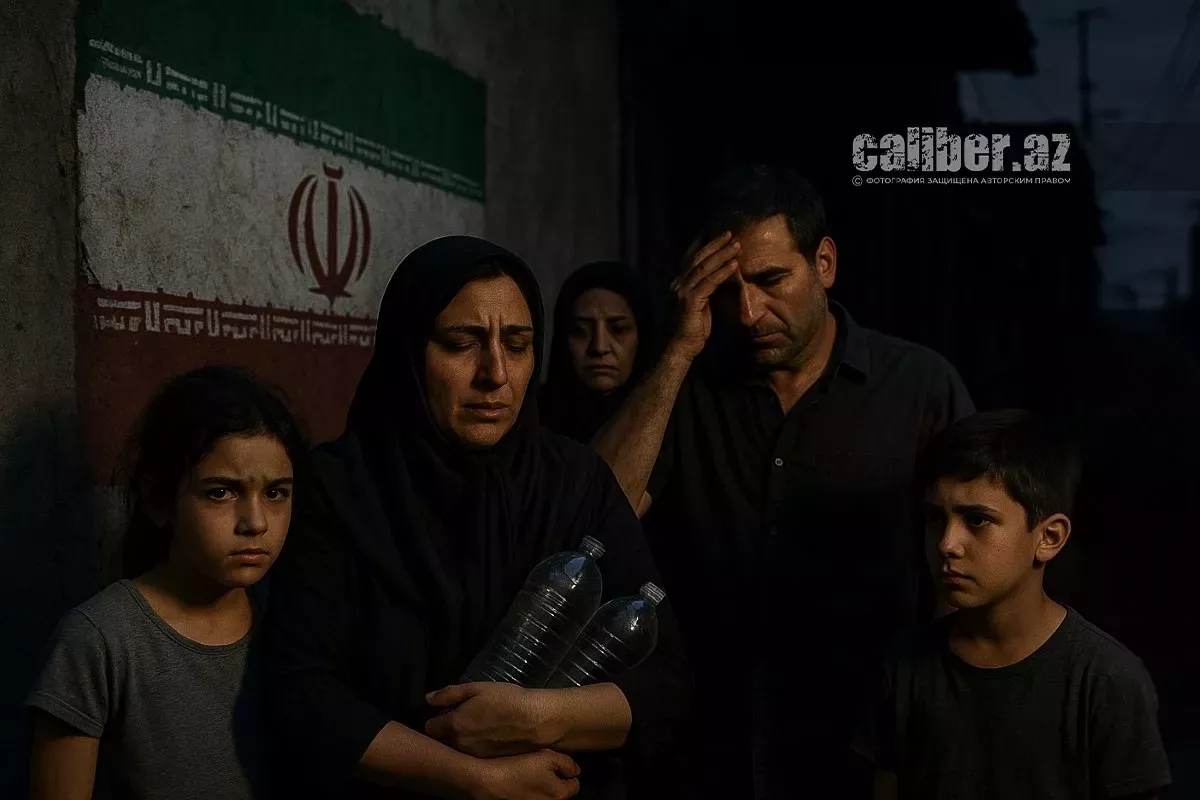
Officially, around 40 million Iranians — nearly 45 per cent of the population — are said to live below the poverty line. Iran’s “Zoomer” generation is just as active as in the Indian subcontinent. In Bangladesh and Sri Lanka, governments eventually did not withstand the pressure of youth-led protests. For the first truly digital global generation, today’s rulers appear as strangers from another era.
The Iranian regime today represents a group of individuals maintaining control over the country through force in conditions of extremely low public popularity. In January, security forces fired on crowds of opponents of the Islamic Republic, who were unable to offer serious resistance due to a lack of weapons.
But why do the regime’s opponents, who appear to represent a majority of the population, remain so weak?
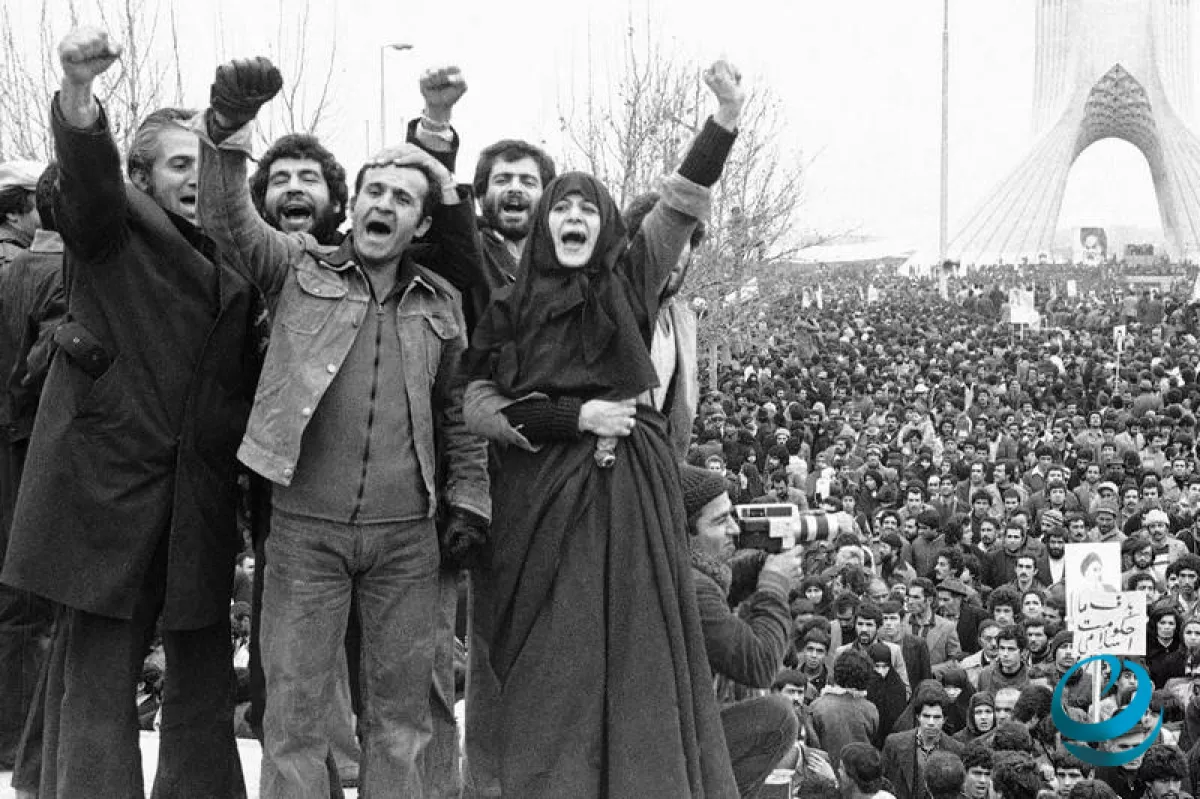
During the 1978–1979 Revolution, Iranians acted differently. They confronted the Shah’s government and army with a large-scale strike organised by elected workers’ councils. In the autumn of 1978, it paralysed the country’s economy, with many enterprises taken over by workers’ collectives.
Then hundreds of thousands of Tehran residents moved towards military bases, received weapons from wavering military units, and in battles lasting from February 9 to 11, 1979, defeated the forces still loyal to the Shah.
Later, the gains of the revolution were lost. Power was seized by the Shiite clergy, relying on militias loyal to it — the future IRGC. But at that time, the protesters succeeded in overthrowing the Shah.
Today, however, opposition forces are only able to mount sporadic, uncoordinated street protests.
Therefore, the key question of Iran’s internal politics today is: “Who holds the guns, and how firmly does General Vahidi control these forces?” At present, it appears that he does indeed maintain control. The question is what will happen during the next waves of protests, which, judging by all indications, are inevitable.







 editor@caliber.az
 +994 55 444-88-98
 Азербайджан, Баку, ул. Низами, 203, Af Business House, 5-й этаж