










Three days to win over Trump Afterthoughts on the G7 Summit in France
The G7 summit in the French resort town of Évian concluded without any major surprises. The leaders of the Group of Seven reaffirmed their support for Ukraine, discussed the US agreement with Iran, agreed to coordinate supplies of critical minerals, and devoted a separate session to artificial intelligence. Yet the summit’s central storyline turned out to be much simpler. For virtually all three days in Évian, one question dominated the agenda: could the Europeans persuade Donald Trump to return to their side on the Ukraine issue?
By the time the summit opened, the positions of the parties had diverged noticeably. Europe continued to place its bets on tougher sanctions and sustained military support for Kyiv. At the same time, the Trump administration maintained direct dialogue with Moscow and made no secret of its interest in pursuing its own framework for a settlement. On the eve of the summit, Trump held a telephone conversation with Vladimir Putin, while officials in Moscow signalled that they viewed Washington as the key mediator in any future peace process.
Therefore, Évian’s main diplomatic task was not to adopt yet another statement in support of Ukraine, but to secure the position of the American president himself. The scale of this task was evident in everything. The meeting between Trump, Macron and Zelenskyy began even before the main session on Ukraine and lasted so long that other G7 leaders had to wait nearly an hour for the start of the meeting.
The Europeans had a lot to offer. Ahead of the summit, France, Germany, the United Kingdom and Ukraine agreed on a set of principles for a possible settlement: a ceasefire, security guarantees, the maintenance of sanctions pressure, and Europe’s participation in future negotiations. At the same time, Brussels reminded everyone of its own contribution to supporting Kyiv. According to Ursula von der Leyen, the European Union is already covering around two-thirds of Ukraine’s financial needs for the coming years.
Additional pressure came in the form of sanctions. During the summit, the United Kingdom and Canada announced new restrictions against Russia. The European Union continued preparations for its 21st sanctions package. The signal was clear: Europe intends to maintain and intensify pressure regardless of how actively the United States participates in the process.
It is unlikely that Europeans managed to fully change Trump’s position. Washington still maintains its own channel of communication with the Kremlin, and special envoy Steve Witkoff and Jared Kushner are expected to travel to Moscow in the near future. However, some results were still achieved: G7 leaders agreed to accelerate deliveries of air defence systems, provide additional support for Ukraine’s energy infrastructure, and tighten sanctions against Russia.
After a brief meeting with Zelenskyy, Trump stated that Russia must reach a deal and described his conversation with the Ukrainian president as very positive. For Kyiv, this may have been the main practical outcome of the summit. Just a few months ago, the White House chief was equally critical of both sides of the conflict. In Évian, his statements for the first time sounded noticeably closer to the European position.
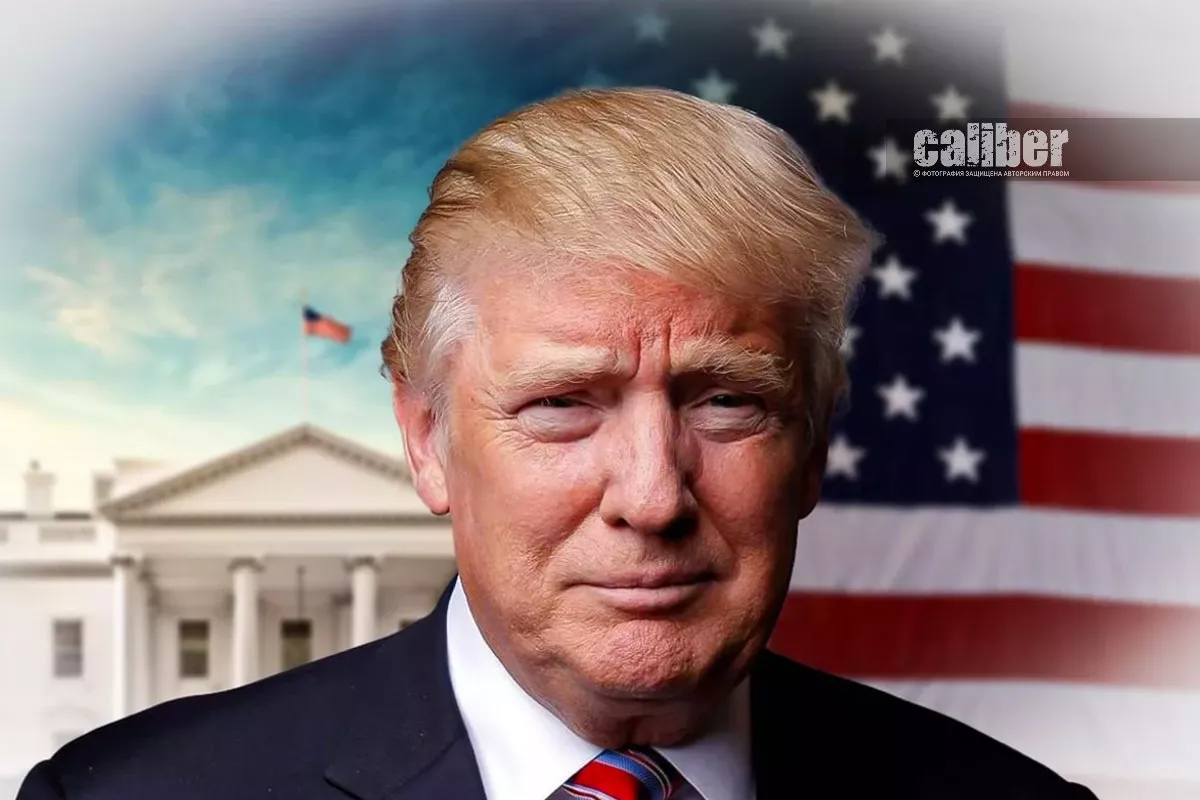
The reason for this shift appears to be rather straightforward. After reaching an agreement with Iran on the first stage of a deal, Trump, so to speak, can afford to take a short breather and focus on other issues. It can be assumed that his somewhat indulgent and conciliatory attitude toward the European position did not reflect solidarity with them, but rather satisfaction at being able to return, in the role of a global arbiter, to an important item on the international agenda.
Incidentally, Iran itself took up a significant part of the discussions at the summit. Trump arrived in France immediately after announcing the agreement with Tehran and actively promoted it as one of the key foreign policy achievements of his administration. In effect, the summit became the first international platform where Washington presented its new Middle East strategy to its allies.
Equally notable were the agreements on critical minerals. The leaders discussed the dependence of Western economies on Chinese supplies of lithium, rare earth metals, and other strategic resources.
In the end, Évian turned out to be less a summit about the future of Ukraine and more a summit about the role of the United States within the Western coalition. European leaders came to France to convince Trump not to distance himself from the Ukrainian conflict. And it seems they succeeded in achieving the main goal: the American president once again became engaged in the Ukraine agenda and publicly confirmed his willingness to deal with it personally. For Europe, this was likely the main outcome of the meeting.







 editor@caliber.az
 +994 55 444-88-98
 Азербайджан, Баку, ул. Низами, 203, Af Business House, 5-й этаж