










Total distrust mode Iran and the US balance on the edge
Amid another escalation of tensions between the United States and Iran, on February 6, the two sides launched a new round of talks, the first round of which took place in Muscat. The American delegation at the talks, held at the residence of Oman's Foreign Minister Al-Busaidi, was led by U.S. President’s Special Envoy Steve Witkoff, while the Iranian delegation was headed by Foreign Minister Abbas Araghchi.
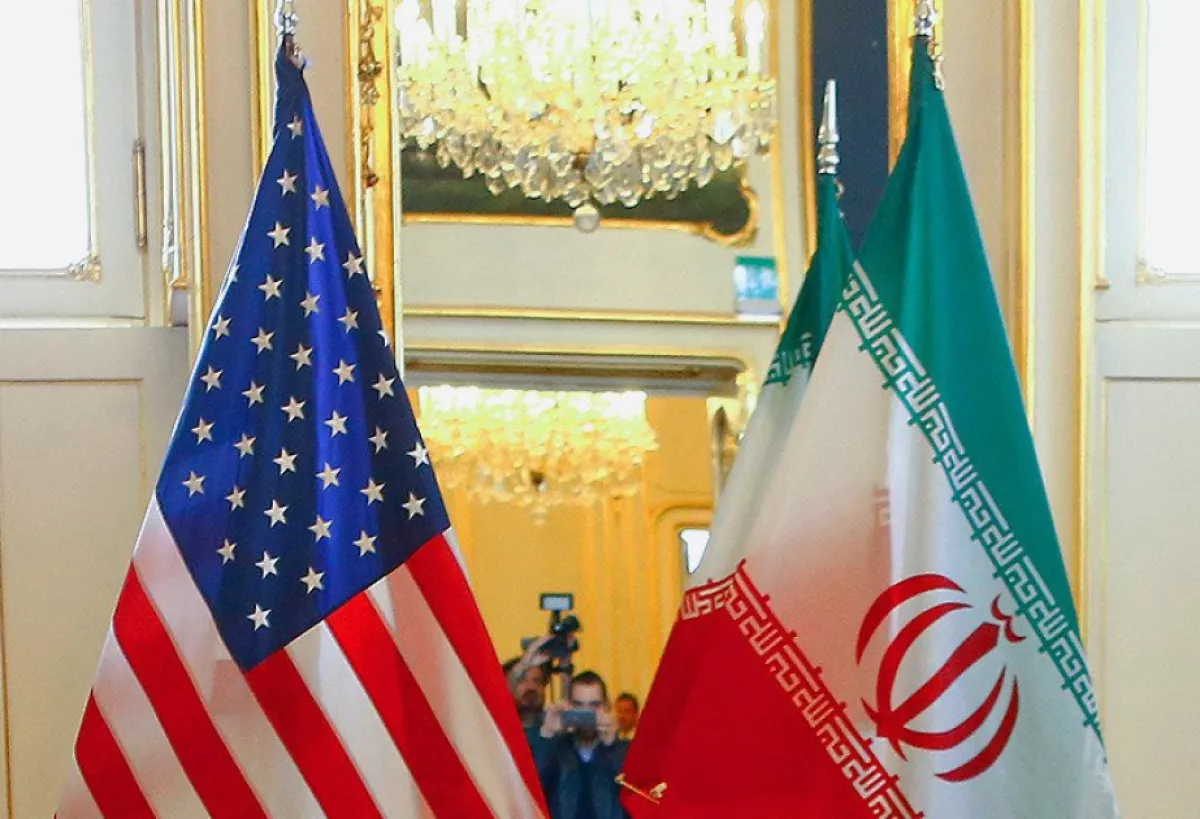
Before moving on to the outcomes of the talks, two points deserve special attention. First, the negotiations were initially planned to be held in Istanbul with the mediation of Türkiye, Egypt, Qatar, and Oman, but Tehran changed its approach, stating that the dialogue could take place only with Washington and specifically in Oman. Second, there was no public face-to-face meeting between the sides in the Omani capital, which speaks volumes, and we will touch on this aspect below.
As for the results of the talks, the Iranian side generally gave them a positive assessment. In particular, Abbas Araghchi, in recent phone conversations with his counterparts from Türkiye, Egypt, and Saudi Arabia, described the talks as a good start, while Omani Minister Al-Busaidi characterised the negotiations as very serious.
However, despite these positive assessments, the U.S. State Department immediately after the talks announced the imposition of sanctions on 15 organisations, two individuals, and 14 vessels of a shadow fleet linked to the illegal trade of Iranian oil, petroleum products, and petrochemicals. The decision was justified on the grounds that the revenues from these activities are used by Iran to finance destructive actions in various regions of the world and within the country.
“So long as Iranian regime attempts to evade sanctions and generate oil and petrochemical revenues to fund such oppressive behavior and support terrorist activities and proxies, the United States will act to hold both the Iranian regime and its partners accountable,” the department’s statement said.
In addition, Air and Space Forces Magazine reported that the United States has deployed another group of six fifth-generation F-35A Lightning II stealth fighters to the Middle East.
Thus, the steps and actions taken by the U.S. demonstrate that Washington is on high alert and capable of striking Iranian strategic targets at any moment. It is likely that this approach stems from several factors, foremost among them being Tehran’s persistence regarding its nuclear programme, as it continues uranium enrichment while ignoring U.S. demands.
Background: Prior to the 12-day Iran–Israel war in June 2025, the Islamic Republic had enriched uranium to 60% purity, which, according to expert assessments, is a short technical step away from weapons-grade levels. At that time, the International Atomic Energy Agency (IAEA) noted that Iran was the only country in the world enriching uranium to such a level without possessing nuclear weapons. However, Tehran refuses to comply with IAEA demands to allow inspections of facilities that were bombed during the June escalation.
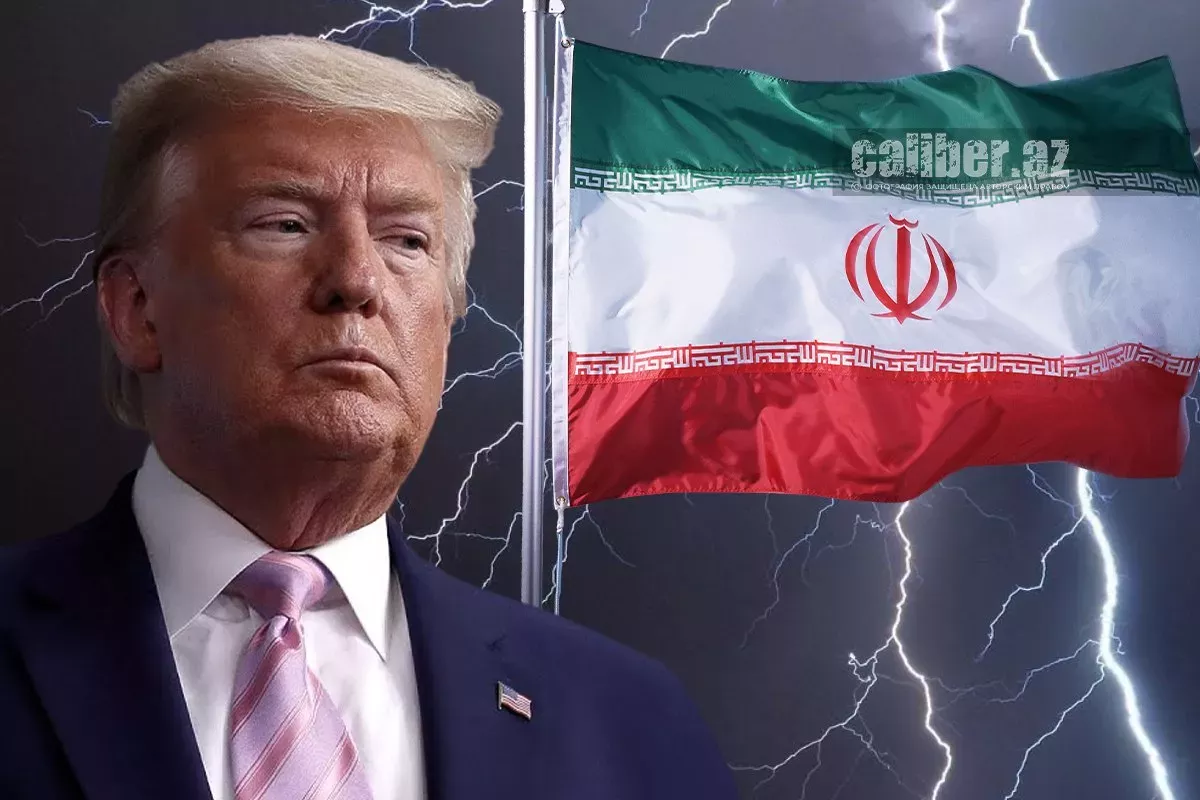
Such behaviour by the Iranian side has raised legitimate suspicions in Washington. Ahead of the talks in Muscat, White House Press Secretary Karoline Leavitt stated that the U.S. delegation intends to pursue “zero nuclear capability” for Iran, warning that President Trump has many options at his disposal beyond diplomacy.
On the other hand, it is important to note that the Oman talks took place following widespread protests across Iran against the ruling authorities, sparked by yet another wave of inflation. The Islamic Republic of Iran (IRI) accused the U.S. and Israel of instigating these protests. In response, Donald Trump threatened Tehran with military action if the repression and executions of demonstrators did not cease, urging Iranians to continue protesting and assuring them that support was already on the way.
“Iranian Patriots, KEEP PROTESTING - TAKE OVER YOUR INSTITUTIONS!!! Save the names of the killers and abusers. They will pay a big price. I have cancelled all meetings with Iranian Officials until the senseless killing of protesters STOPS,” the U.S. president wrote on his social media platform, Truth Social.
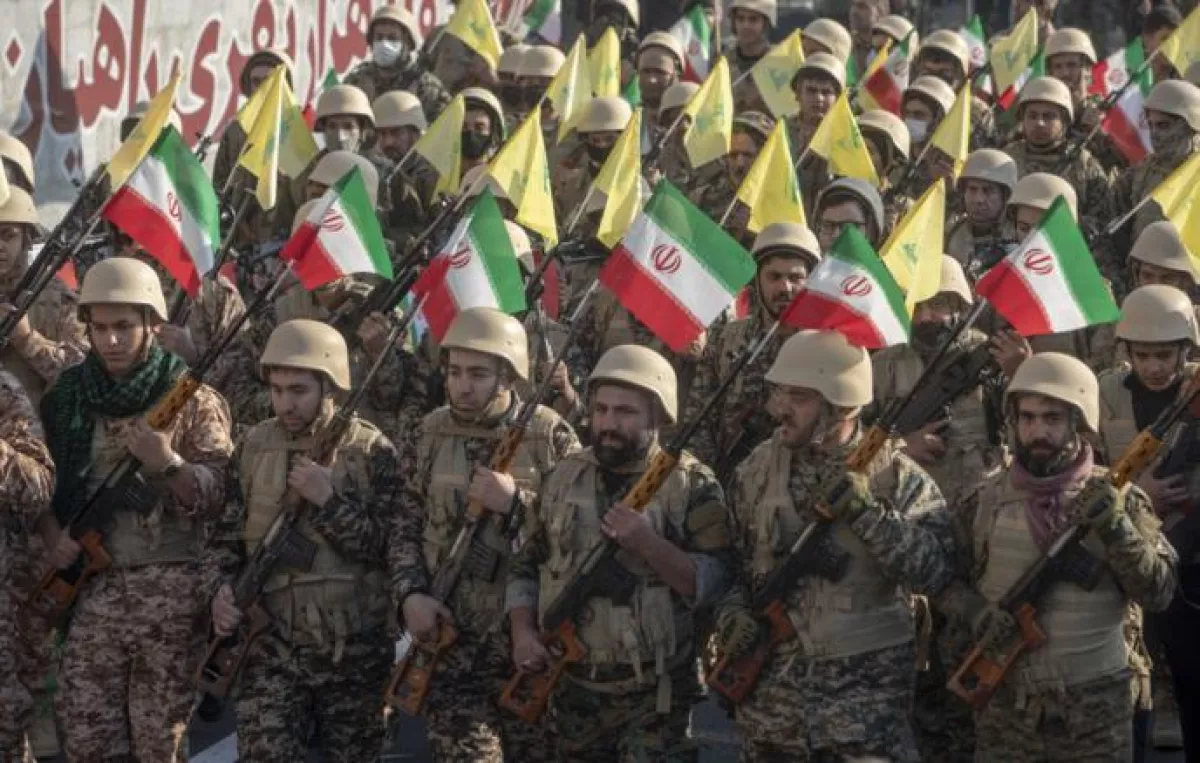
At the same time, Iran continues to respond to threats with threats. On the eve of the Muscat talks, Islamic Republic Foreign Ministry spokesperson Esmail Baghaei stated during a weekly briefing that in the event of aggression by the U.S. or Israel, Iran’s response would “make them regret their actions.”
Moreover, the Iranian authorities are not limiting themselves to rhetoric, but are taking concrete steps in this direction, as highlighted in a recent report by the Institute for Science and International Security (ISIS). The strategically significant document notes, in particular, that all known entrances to the underground tunnel complex at the nuclear technology centre in Isfahan (one of the country’s most important and heavily fortified facilities, which was shelled several times during the 12-day war) have been completely filled with earth.
The report also emphasises that these measures represent a systematic attempt by the authorities to reinforce the underground complex against potential airstrikes and to complicate access for ground forces. Such preparations were last observed prior to Operation Midnight Hammer, during which strikes were carried out on facilities in Fordow, Natanz, and Isfahan.
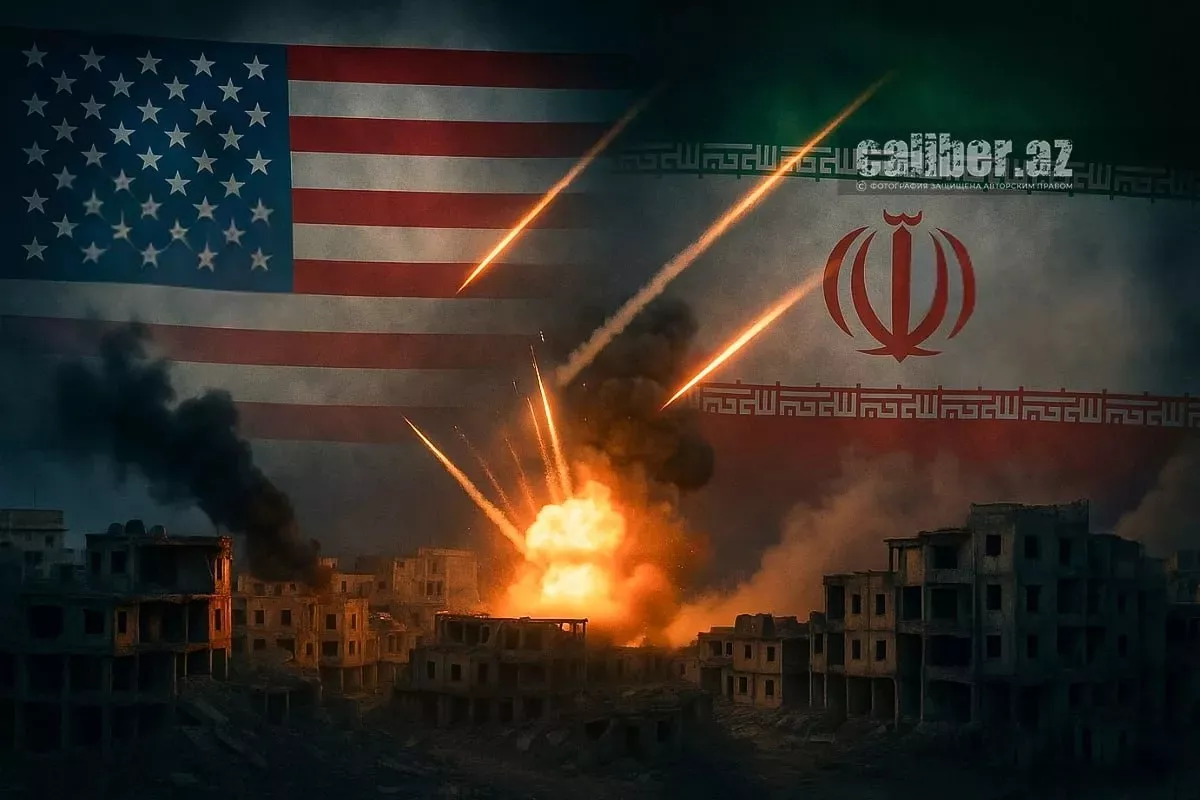
Thus, taking all the above aspects into account, it must be acknowledged that the likelihood of reaching a compromise on Iran’s nuclear dossier is extremely low. This is primarily due to the complete mutual distrust between the parties, clearly illustrated by the indirect format of the Muscat talks, as noted earlier.
Incidentally, IRNA, citing Baghaei, reported that subsequent negotiation rounds will follow a similar framework. This provides grounds to assert that the new phase of U.S.–Iran talks is unlikely to offer any guarantees that the verbal confrontation will not escalate into a “hot phase” involving other actors, potentially plunging the Middle East once again into war.







 editor@caliber.az
 +994 55 444-88-98
 Азербайджан, Баку, ул. Низами, 203, Af Business House, 5-й этаж