










Türkiye is becoming one of NATO’s main pillars Analysis by Teymur Atayev
While experts have offered different assessments of the results of the recently concluded 36th NATO Summit in Ankara, debating the extent to which the emphasis on the alliance’s unity in the final declaration reflected genuine consensus, there is one point on which opinions converge. No one questions Türkiye’s key role within NATO. Virtually all member states of the alliance acknowledge that Türkiye has strategic importance for ensuring the security of Europe and the Middle East.
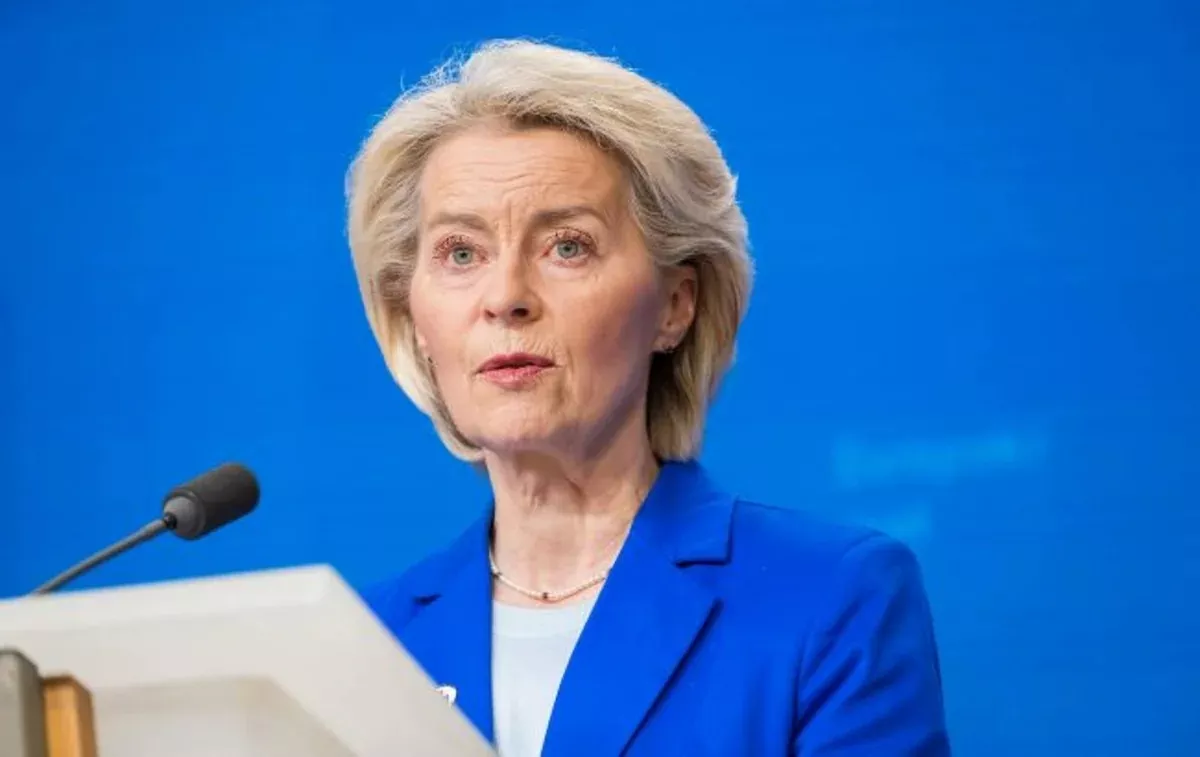
European Commission President Ursula von der Leyen highlighted Türkiye’s important role in the alliance, stating that the planned €800 billion in investments through 2030 — the final volume of which will depend on decisions by member states regarding the allocation of their own defence budgets — creates broad opportunities for closer cooperation with Ankara. According to her, Türkiye could cooperate with the EU within the framework of the 35% share of the European defence mechanism SAFE.
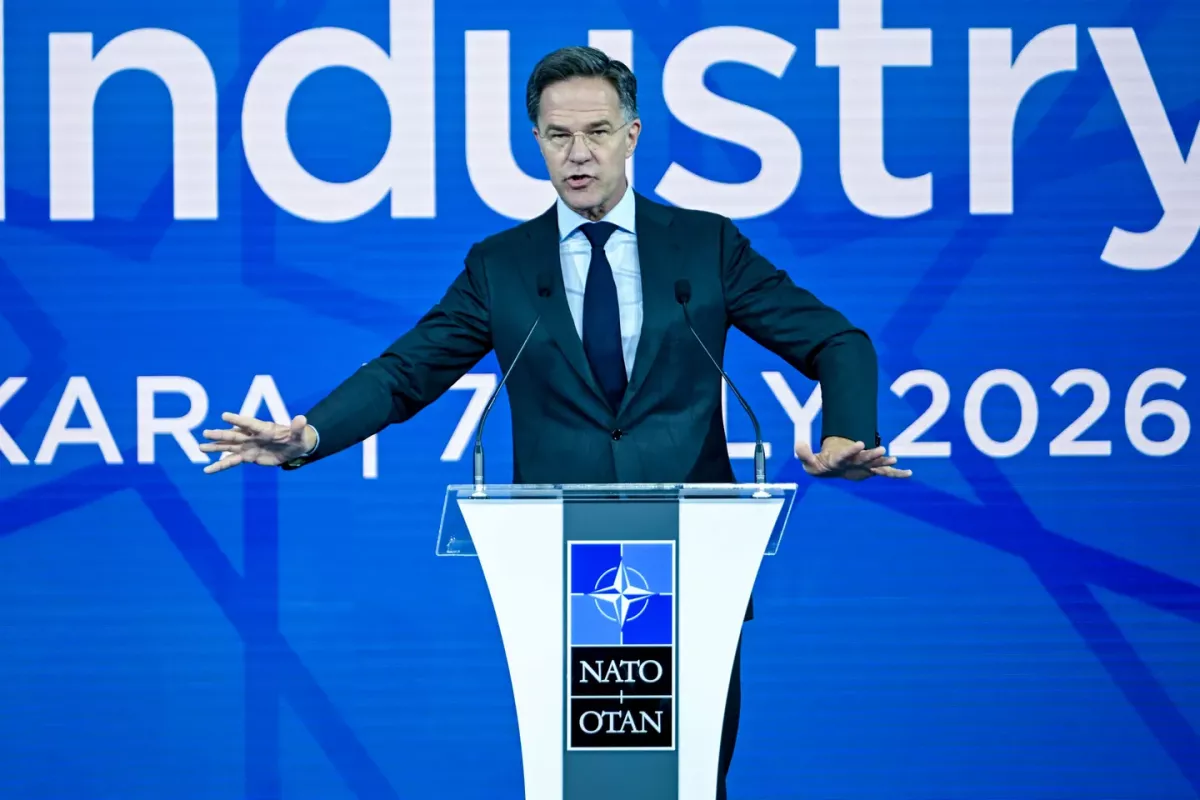
NATO Secretary General Mark Rutte, in turn, described Türkiye’s defence industry model as an example that allies should study. Emphasising that the model brings together various segments of society, he noted that Turkish companies primarily meet the needs of their own country before exporting their products to NATO member states and countries beyond the alliance.
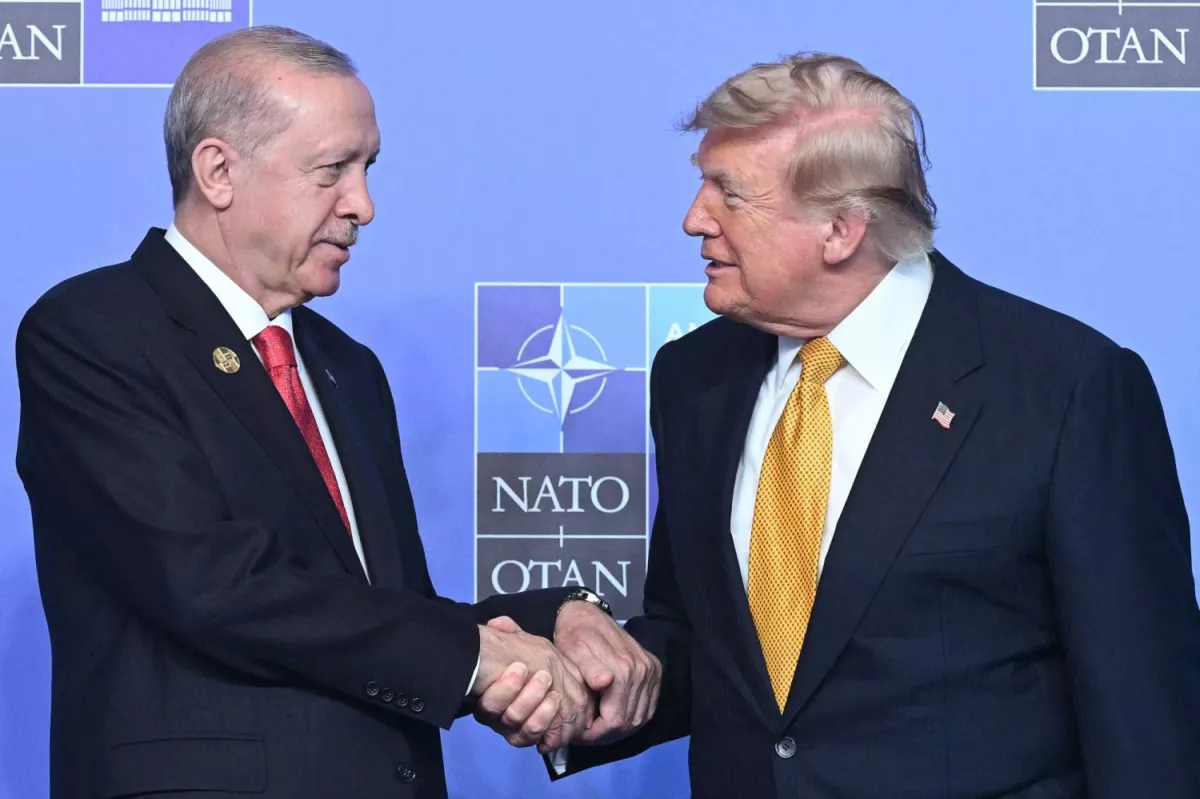
In this context, Reuters highlighted several key points from Turkish President Recep Tayyip Erdoğan’s speech at the NATO summit, including Ankara’s intention to reach NATO’s target of spending 5% of GDP on defence by 2030, as well as the allocation of an additional $24 billion for the “Steel Dome” air defence project aimed at strengthening NATO’s air and missile defence capabilities.
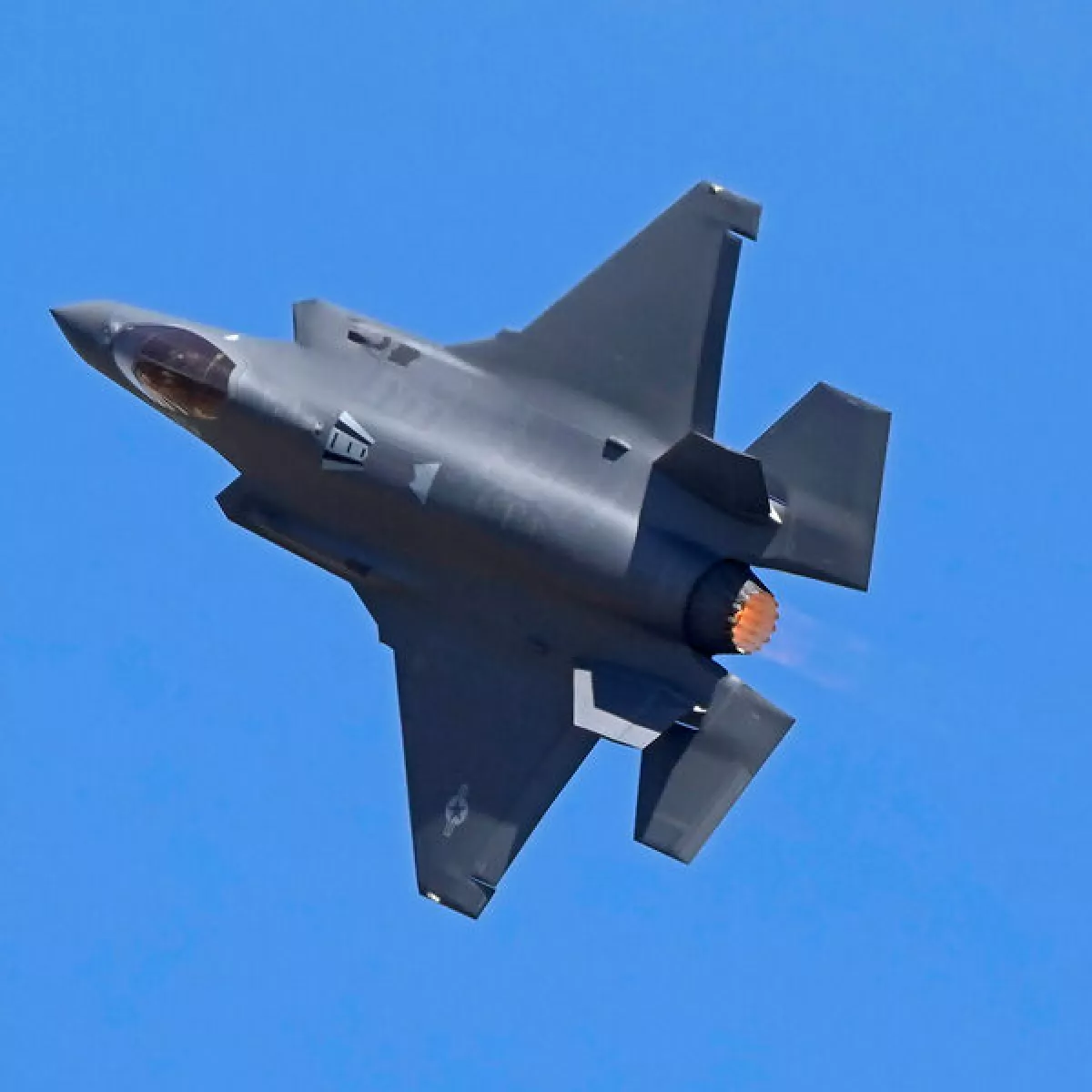
Addressing Erdoğan’s call for NATO allies to lift all restrictions on defence industry cooperation and allow Türkiye to participate in a number of European defence initiatives currently limited to EU member states, Reuters correspondents noted that US President Donald Trump, who was standing alongside the Turkish leader, said Washington could consider lifting sanctions on Türkiye and potentially selling it F-35 fighter jets.
The nuance, according to Reuters, is that both the removal of sanctions on Türkiye and the potential sale of F-35 aircraft are likely to face opposition in the US Congress. The agency also noted that despite having NATO’s second-largest army, being one of the world’s major arms developers and exporters, and repeatedly expressing its desire to join European security initiatives, Türkiye “has been kept at arm's length due to political and policy differences.”
Against this backdrop, particular attention has been drawn to the relationship between Donald Trump and Recep Tayyip Erdoğan. Following the Ankara summit, the US president praised the organisation of the forum, thanked the Turkish leader, and spoke positively about its outcomes. Notably, Trump has repeatedly described Erdoğan as his friend and one of the world’s most influential leaders.
Former NATO Secretary General Jaap de Hoop Scheffer shares a similar assessment. In his view, holding the alliance’s 36th summit in Türkiye was a timely and deserved recognition of the country’s special role as a state with significant political and military weight on the international stage.
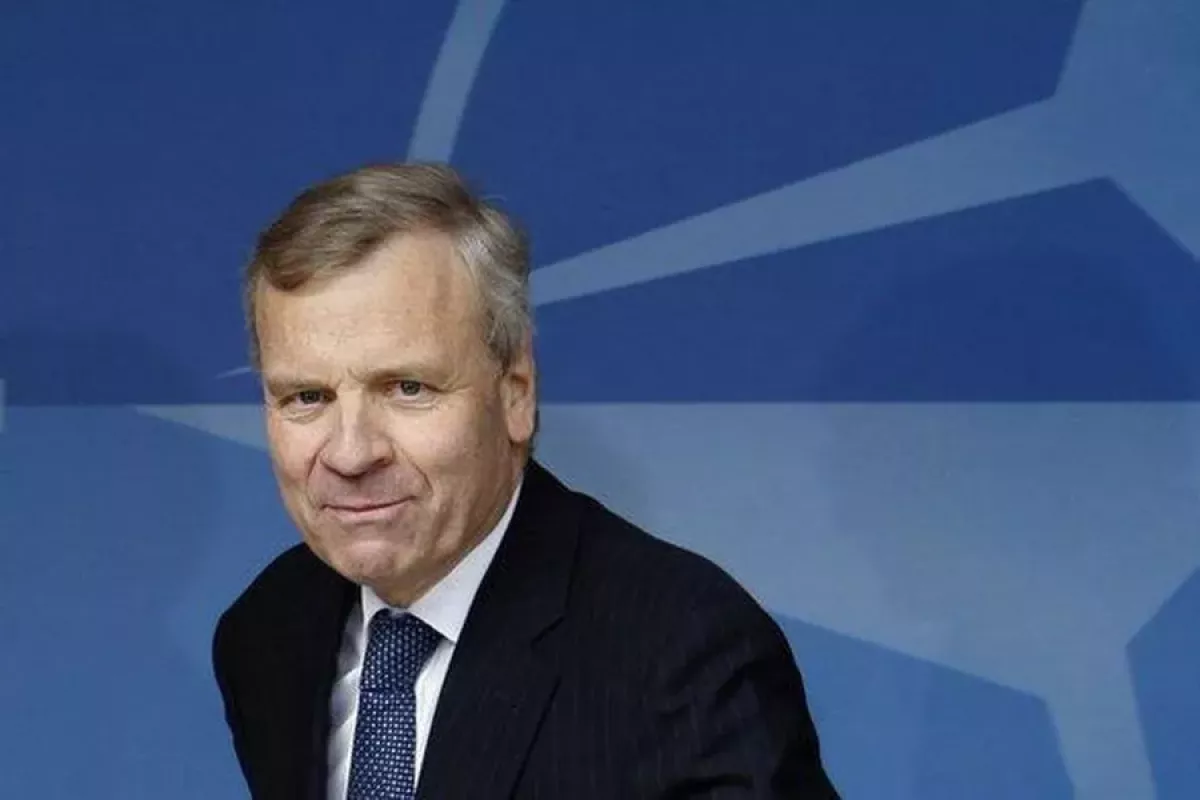
Scheffer believes that amid NATO’s growing focus on strengthening its flanks, Türkiye is becoming one of the key elements of this strategy. Moreover, he argues that if countries such as Türkiye are able to effectively ensure the security of the alliance’s flanks, European allies will gradually assume greater responsibility for their own defence. This approach aligns with the policy direction consistently promoted by Donald Trump.
Türkiye’s special status within NATO was highlighted on the opening day of the summit directly on the organisation’s website, where it is noted that a number of the Alliance’s civilian and military facilities are based in the country, which helps to strengthen deterrence and defence on NATO’s south-eastern flank, thereby contributing to enhanced collective security.
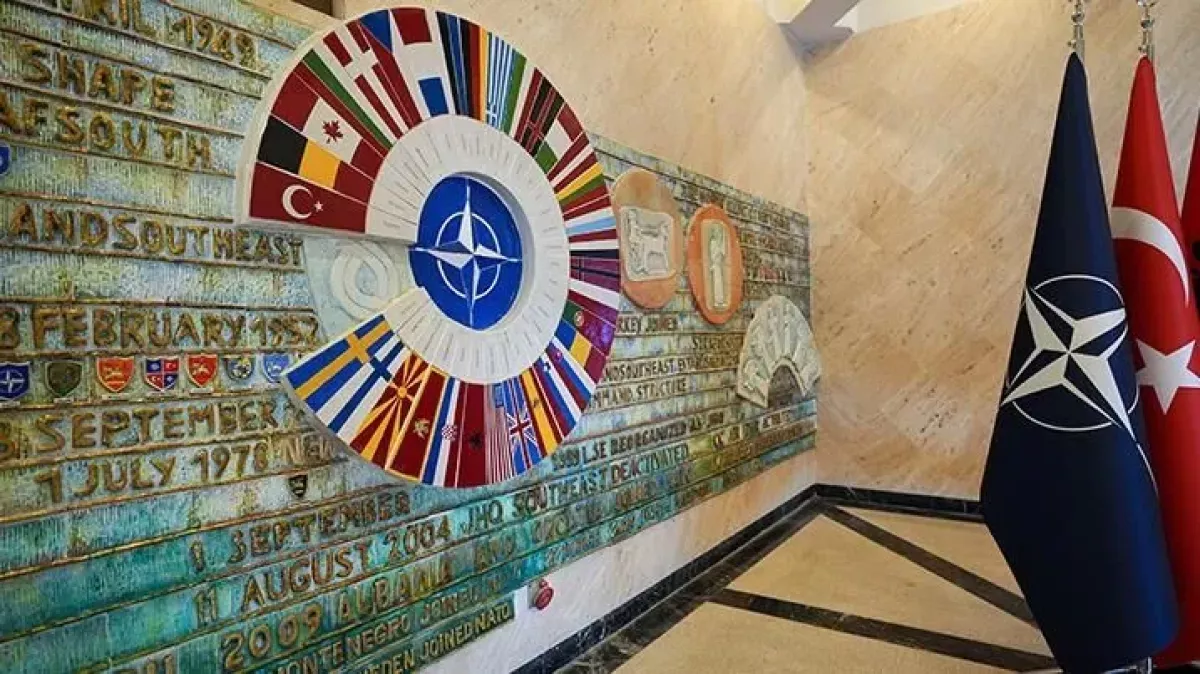
The Allied Land Command (LANDCOM), which has been operating in İzmir since 2012, oversees all NATO land forces and, as the alliance’s “ principal advisor on land domain issues,” is one of three component commands supporting the Supreme Allied Commander Europe. The other two are Allied Air Command (AIRCOM) in Germany and Allied Maritime Command (MARCOM) in the United Kingdom.
Thus, Türkiye plays an exceptionally important role in ensuring NATO’s operational capabilities across a wide range of areas. In this context, Turkish sources highlight how this development became possible thanks to Ankara’s efforts to proactively build its own strategy in a world shaped by technological power centres. This approach enabled Türkiye to achieve a “strategic return,” including by strengthening the alliance from within.
As a result, the “dual meaning of Türkiye for NATO” is becoming increasingly evident today: alongside its long-standing contribution to the security of the alliance’s southern flank — from counterterrorism efforts to activities in the Black Sea and Eastern Mediterranean regions — Ankara has also emerged as a producer and provider of infrastructure, as well as a country capable of shaping new norms. At the same time, it offers a secure alternative to vulnerable maritime routes, allowing it to evolve into a “terrestrial digital corridor between Asia and Europe.”
In this regard, the recently concluded NATO summit demonstrated that, alongside the emergence of a new approach to burden-sharing within the alliance and the launch of initiatives such as NATO Front Door, NATO Engine and SYNC, aimed at deepening cooperation between NATO and the defence industry, Türkiye is gaining particular geopolitical importance.







 editor@caliber.az
 +994 55 444-88-98
 Азербайджан, Баку, ул. Низами, 203, Af Business House, 5-й этаж