










Ukraine–Belarus: How realistic is a direct confrontation? Expert opinions on Caliber.Az
Relations between Ukraine and Belarus remain highly tense and could escalate further, following recent statements by President Zelenskyy, who said that equipment is located in the two Belarusian regions bordering Ukraine that adjusts fire against the Ukrainian population.
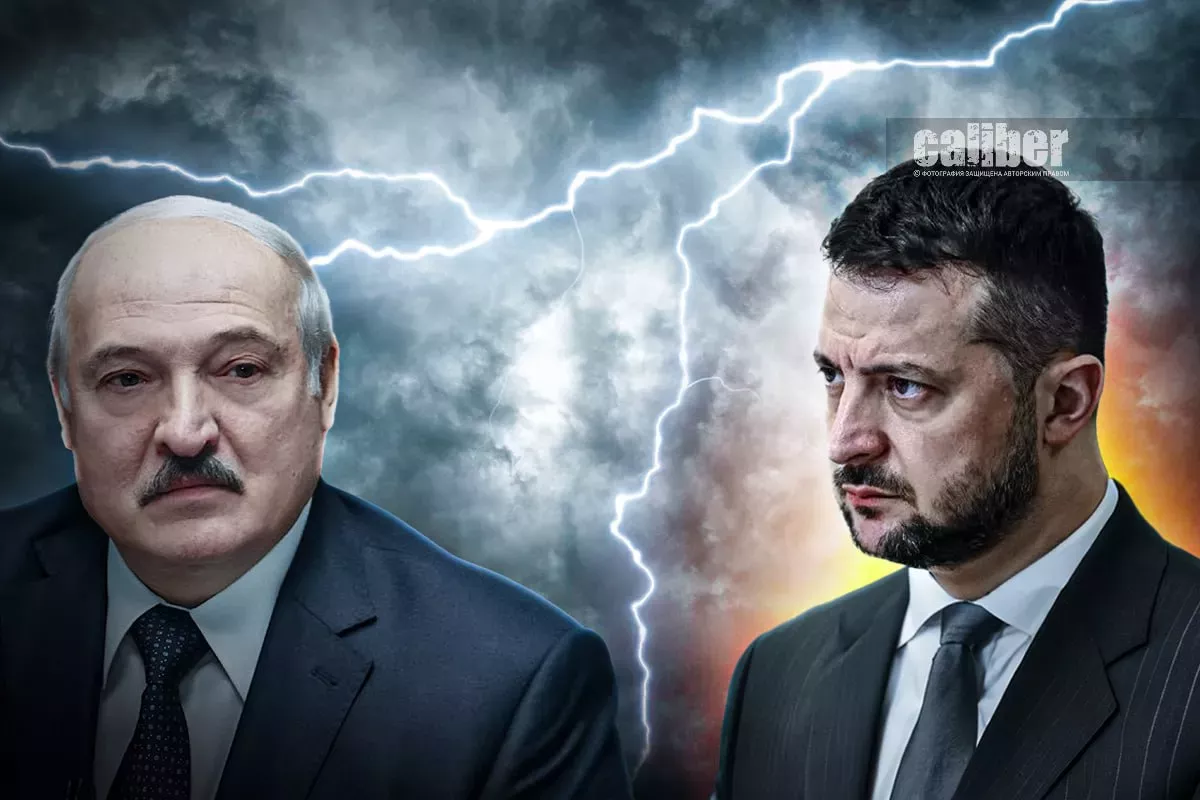
The Ukrainian leader gave Belarusian President Alexander Lukashenko one week to shut down and remove the equipment, threatening that otherwise Ukraine would destroy the machinery. The ultimatum to Minsk was issued on June 19, and, according to the Ukrainian side, the Belarusian authorities have extremely little time left to fulfill the conditions, as civilians are being killed every day due to the strikes being adjusted.
In addition, Volodymyr Zelenskyy ruled out the possibility of Minsk’s “non-involvement” in the conflict, noting that Belarus has also become the main supplier of fuel for the Russian army, since, according to information circulating online, due to attacks on Russian oil refineries, the Belarusian side has increased gasoline exports to Russia dozens of times.
What is the perception of the conflict within Ukraine and Belarus themselves? Ukrainian and Belarusian experts shared their views on this issue with Caliber.Az, assessing the risks of armed confrontation between the two states.
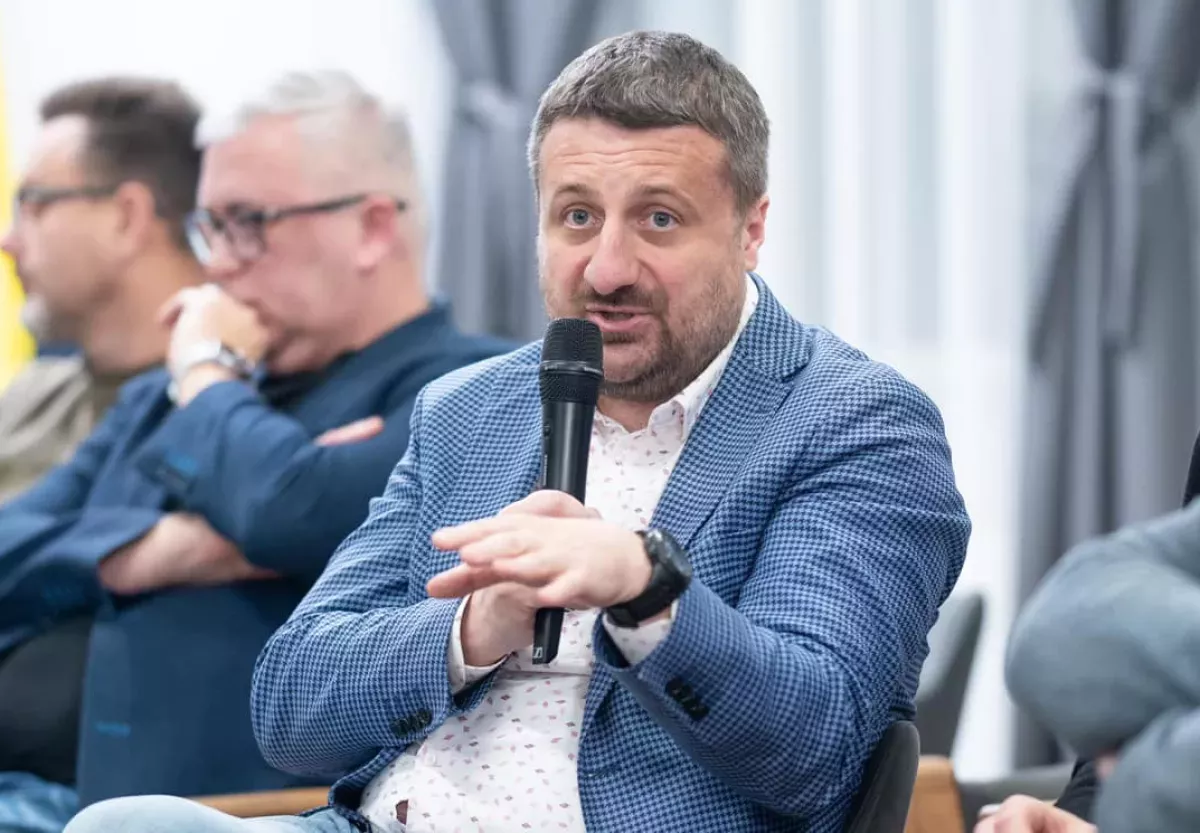
In particular, according to Ukrainian analyst and political strategist Taras Zahorodniy, all of the Ukrainian president’s recent statements can be interpreted as a kind of diplomatic preparation — the creation of a certain moral foundation for launching a preventive strike against Belarusian territory.
“Volodymyr Zelenskyy speaks about threats from Belarus, describing it as an unfriendly state, noting that in 2022 the country allowed Russian troops to pass through its territory, that Russia uses relay systems which help adjust the operation of ‘Shahed’ drones over Ukrainian territory, and that fuel supplies from the Mozyr and Novopolotsk refineries to Russia have sharply increased. In addition, although this is not stated publicly but is implied, almost the entire Belarusian military-industrial complex is working for Russia.
The catalyst for such statements was the recent claim by Alexander Lukashenko that the drone which struck a bus carrying children in the Bryansk region was allegedly Ukrainian. I believe this was the last straw, and all these statements are not a figurative expression, but rather a diplomatic justification for a pre-emptive strike on Belarusian territory, which could occur if Minsk urgently does not reconsider the extent of its involvement in the Ukrainian conflict,” said Zahorodniy.
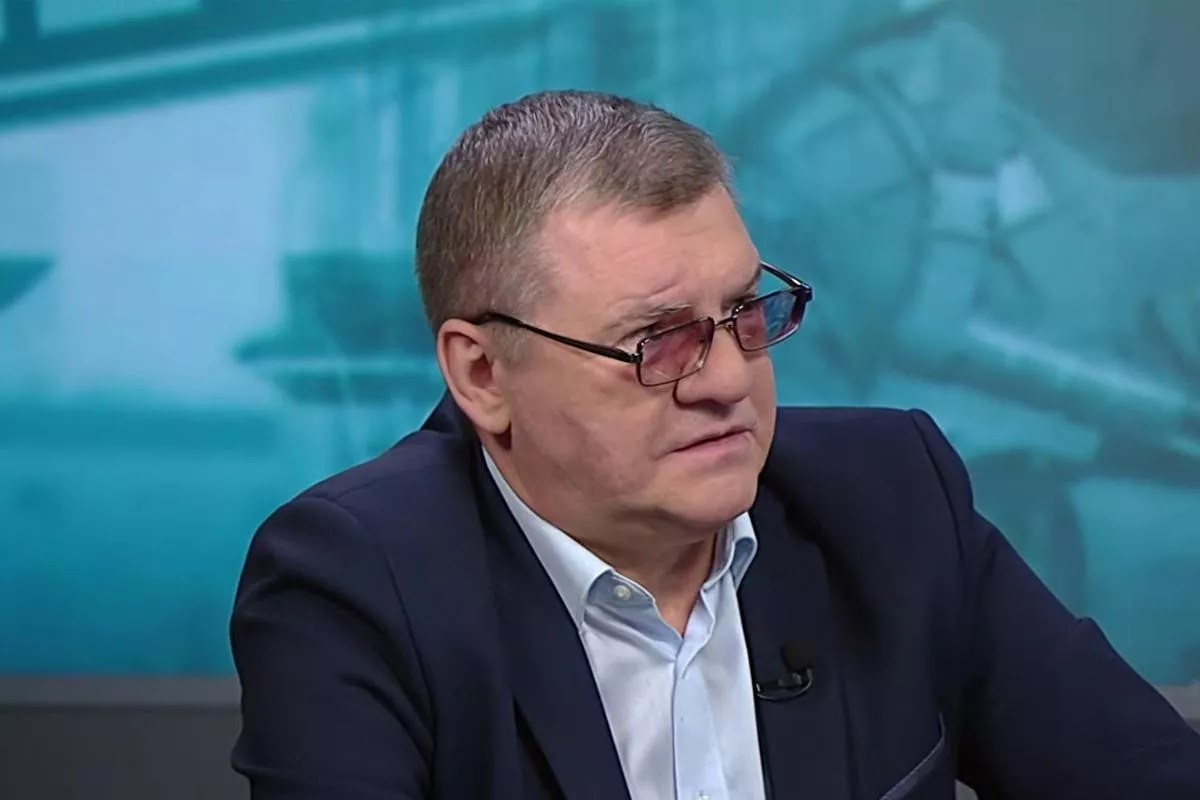
Meanwhile, Professor of the Academy of Military Sciences of the Russian Federation and Belarusian military-political analyst Alexander Tikhansky believes that Zelenskyy’s statements against Belarus have two levels, and it is important to distinguish between them.
“The first is the military-technical level. Formally, Minsk denies direct involvement, but de facto it provides its territory for Russian logistics and deployment. In this sense, Zelenskyy’s accusations have the same factual basis as the actions of the European partners of the Ukrainian army.
The second is the political-strategic level. Threats to ‘destroy these sites’ are not so much a military plan as a signal to Europe. The key point here is the following: Zelenskyy is trying to persuade the West to lift restrictions on long-range weapons and strikes against political targets on Russian territory. By expanding the ‘Belarusian front,’ he is creating the narrative: ‘the war is already taking place across the entire territory of Eastern Europe, while we are being forbidden from striking back.’ This is a typical escalation tactic — raising the stakes in order to force partners to provide more long-range weapons or impose additional sanctions,” the analyst said.
According to Tikhansky, all of this can be described as an “act of desperation”: “Ukraine is in a difficult position on the front — active Russian offensives, problems with resources; Western aid, in turn, is stalled due to internal political processes, such as the upcoming November primaries in the United States and fatigue in Europe. The accusations against Belarus are an attempt to bring attention back into focus, to show that the threat to Europe is not hypothetical but real. However, Minsk is not interested in a direct war, and its reaction will be restrained — no ‘retaliatory strikes,’ only diplomatic protests.”







 editor@caliber.az
 +994 55 444-88-98
 Азербайджан, Баку, ул. Низами, 203, Af Business House, 5-й этаж