










UN Security Council at an impasse The world is calling for change
The administration of President Donald Trump is deliberately continuing the government policy of reducing American foreign aid to international organizations. The Associated Press reported that in 2026, the United States will allocate $2 billion to humanitarian programs through the UN. This is almost nine times less than their maximum contribution in previous years: in recent years, the volume of American funding had reached $17 billion.
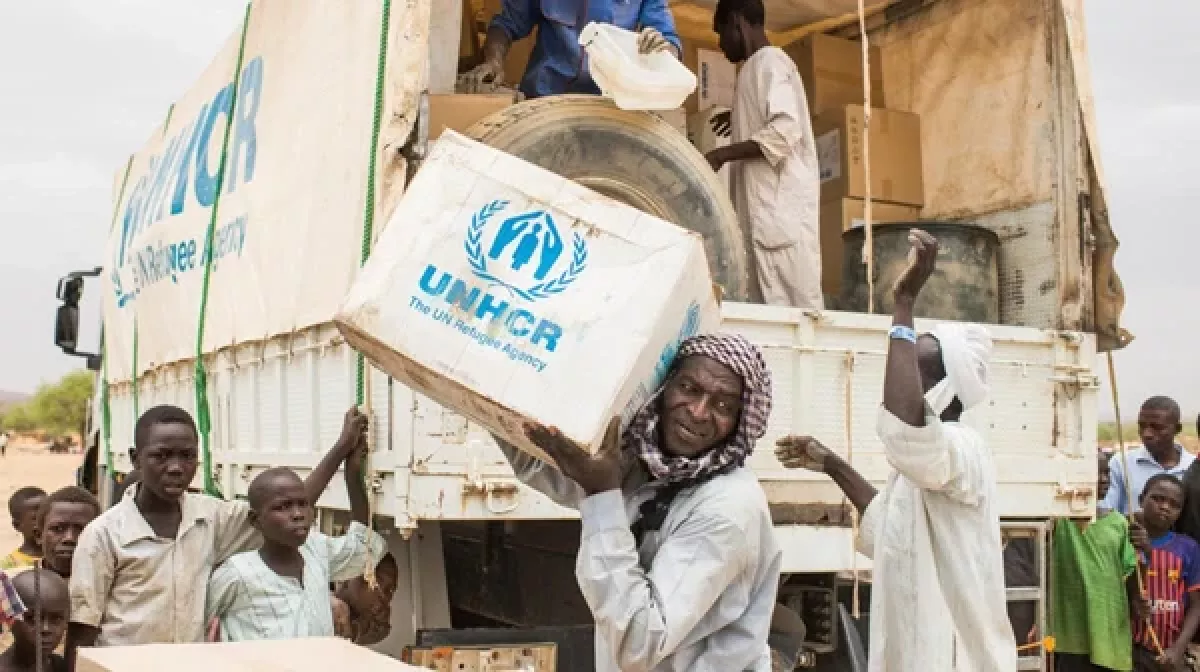
However, the American administration is confident that even $2 billion will allow Washington to maintain its status as the largest donor to UN humanitarian programs. It is also reported that the funds will be distributed through the centralized mechanism of the UN Office for the Coordination of Humanitarian Affairs (OCHA), which is expected to significantly expand the agency’s role in decision-making on aid allocation.
According to the U.S. Permanent Representative to the UN, Mike Waltz, “This humanitarian reset at the United Nations should deliver more aid with fewer tax dollars — providing more focused, results-driven assistance aligned with U.S foreign policy.”
The U.S. State Department emphasizes that “the agreement requires the UN to consolidate humanitarian functions to reduce bureaucratic overhead, unnecessary duplication, and ideological creep.” As stated in the American foreign policy agency’s statement, “individual UN agencies will need to adapt, shrink, or die.”
The United States had already stopped transferring $521 million to the UN back in August 2025. Following this, in September 2025, the American leader sharply criticized the organization during a speech at the UN General Assembly, accusing it of inaction in resolving global conflicts.
Trump noted that “In a period of just seven months, I have ended seven un-endable wars. And sadly in all cases the United Nations did not even try to help in any of them.” Addressing world leaders from the General Assembly podium, he stated that the international organization has fallen far short of realizing its potential.
Incidentally, Trump had already spoken about the need to reform the UN during his first presidential term. For example, in January 2017, The New York Times reported on the preparation of an executive order that would allow the United States to withdraw funding from certain UN agencies and other international organizations.
As noted, this executive order could have seriously restricted the activities of UN peacekeeping missions, which rely heavily on American funding. The White House chief also repeatedly expressed skepticism about the U.S. participation in environmental agreements, particularly the Paris Agreement, which aims to reduce greenhouse gas emissions and outlines the implementation of climate commitments by countries starting in 2020.
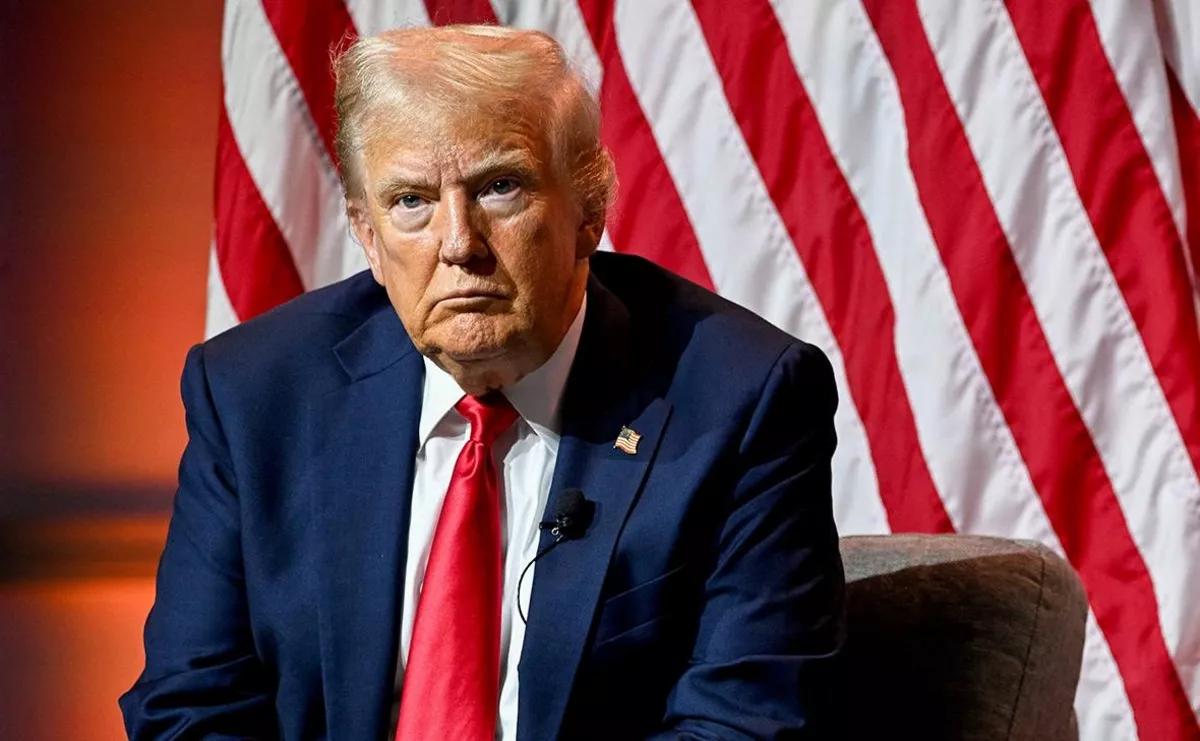
Trump has also been critical of the United Nations as a whole. He stated that the UN has “such great potential but right now it is just a club for people to get together, talk and have a good time.”
Despite this, Washington’s policy toward the UN has remained unchanged, since over the past five years the organization has failed to make the necessary adjustments to its operations and continues to rely primarily on declarative approaches when addressing global and regional conflicts. There is no need to look far for examples: this was clearly demonstrated in the work of UN institutions, particularly the Security Council, whose resolutions demanded the immediate and unconditional withdrawal of all Armenian armed forces from the occupied territories of Azerbaijan. These demands were never implemented by Armenia. At the same time, the UN itself did not exert any effective pressure on Yerevan, repeatedly limiting itself to declarative calls documented on paper, while other states faced strict measures of enforcement.
In this context, President Ilham Aliyev has repeatedly emphasized the urgent need to reform the UN, particularly the Security Council, noting that this body must become more flexible and respond adequately to contemporary global challenges. The head of state also raised this issue during a recent meeting with residents who had relocated to the city of Aghdam, on the day of the opening of the second residential complex—December 24. The President highlighted the actions of certain international organizations that, in his view, made the right decisions during and after the Armenian-Azerbaijani war but failed to take any steps to implement them in practice.
It is also worth recalling the firm yet well-reasoned statements by the Azerbaijani leader that the UN Security Council has become an institution that does not correspond to the realities of our time. These assessments were voiced, in particular, during his address to participants of the 13th session of the CICA Think Tank Forum in Baku in September 2025. The head of state stressed the importance of carrying out systemic reforms within the UN and ensuring representation of Global South countries among the permanent members of the Security Council.
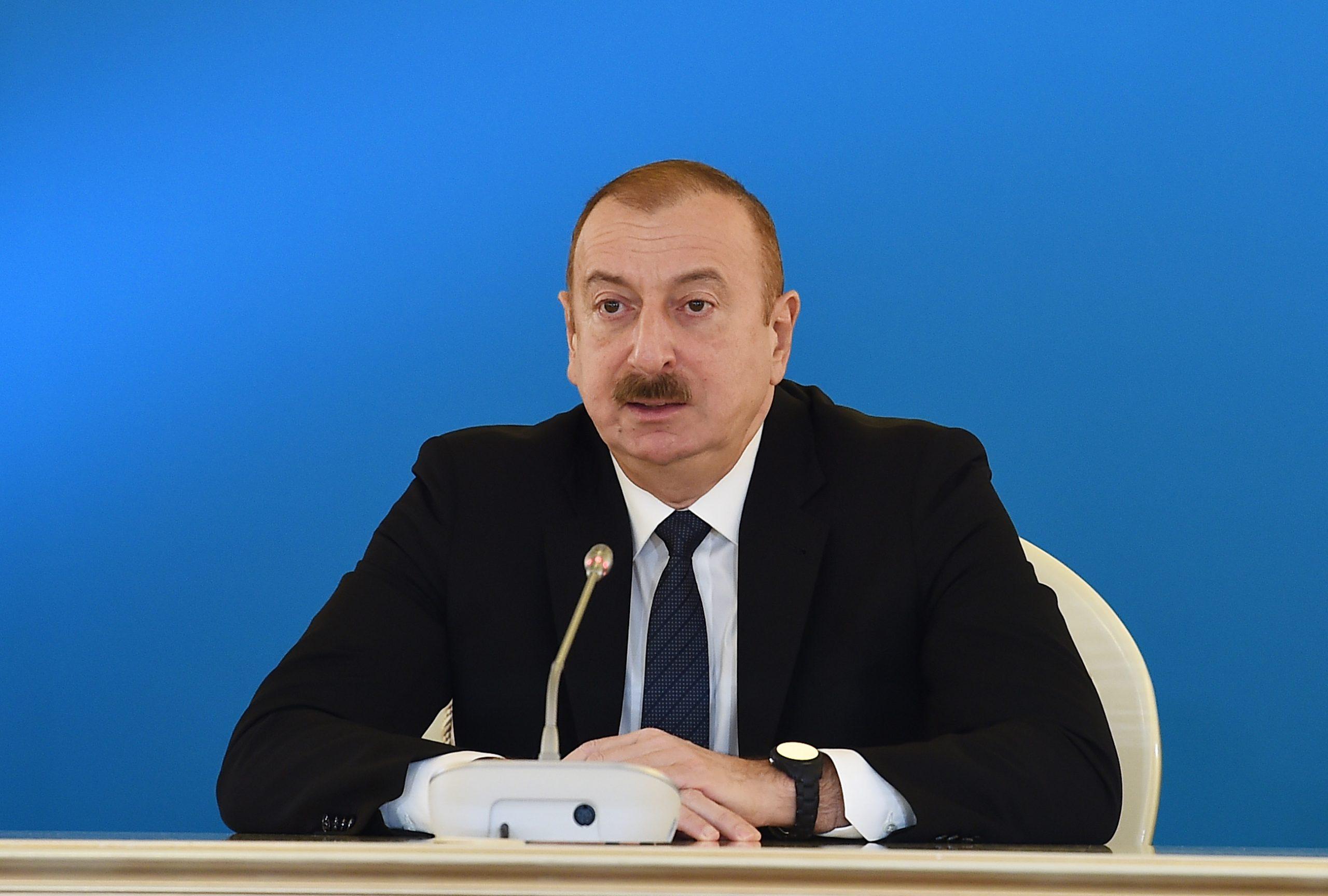
“We believe that countries of the Global South must play an active role in shaping a new, just world order and contribute meaningfully to this endeavor. In this context, it is essential to implement necessary reforms at the United Nations and to ensure adequate representation of Global South countries among the permanent members of the Security Council. The Security Council has long become an institution that does not reflect the realities of our time,” the President stated.

It is important to note that Türkiye fully shares Azerbaijan’s objective position on the activities of the UN and its institutions. The phrase “The world is bigger than five,” first voiced by Turkish President Recep Tayyip Erdoğan, is not merely a metaphor but a clear political slogan calling for a profound reform of the UN Security Council, which, according to Ankara, the organization has long needed.
Thus, the positions of the United States, Türkiye, and Azerbaijan on the issue of comprehensive UN reform largely coincide. Considering that Baku and Ankara primarily possess diplomatic means of influence, and taking into account the UN’s significant financial dependence on the United States, it can be expected that the principal international organization will soon undergo a fundamental restructuring.







 editor@caliber.az
 +994 55 444-88-98
 Азербайджан, Баку, ул. Низами, 203, Af Business House, 5-й этаж