










Verbal pressure and economic leverage How Russia seeks to keep Armenia in its orbit
Amid close contacts between Yerevan and the European Union, Moscow has intensified its diplomatic offensive against Armenia.
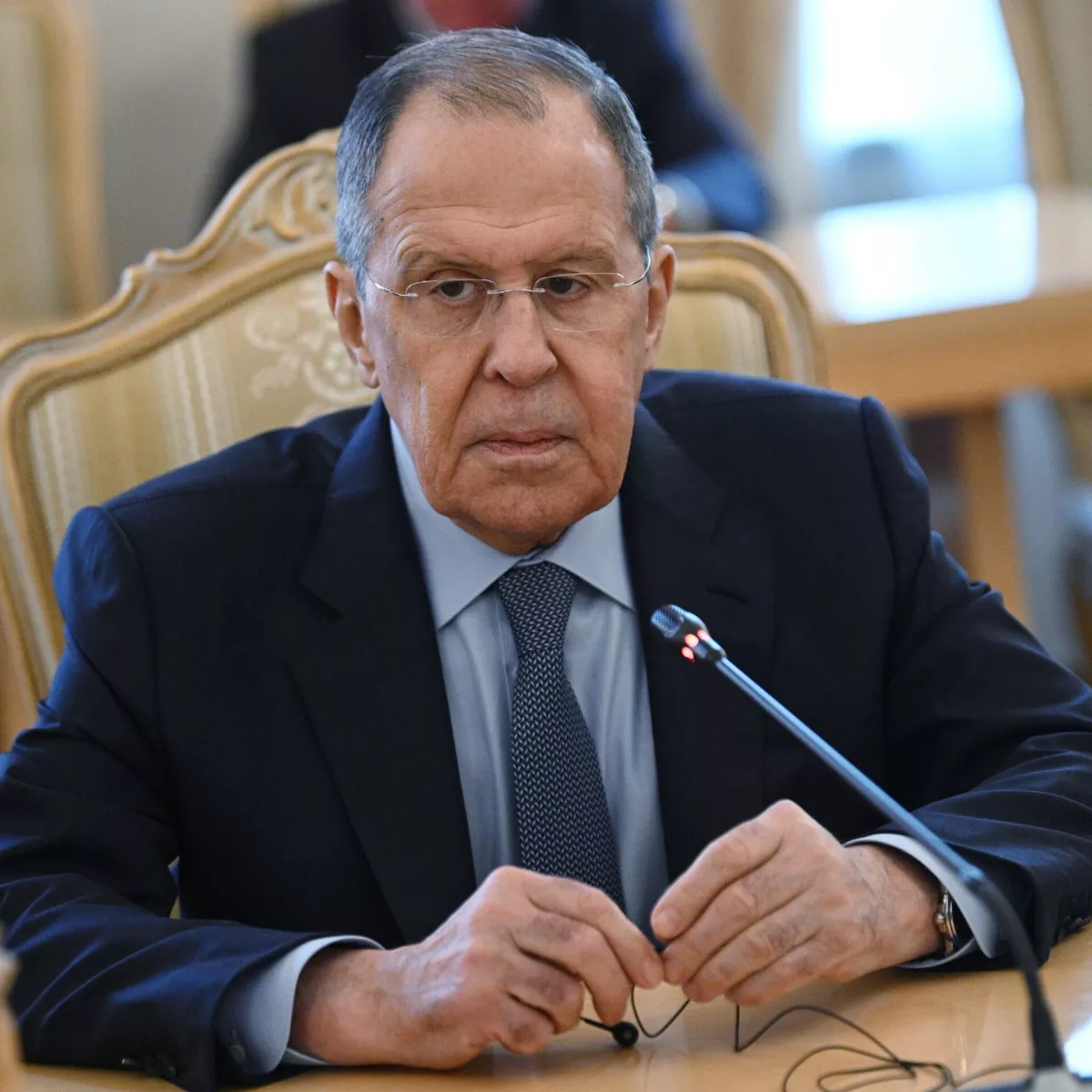
Following the recent rather pointed remarks by Vladislav Maslennikov, Director of the European Affairs Department of the Russian Foreign Ministry, made last week in an interview with TASS, similar messages—though somewhat more softly worded—were directed at Yerevan by Russian Foreign Minister Sergey Lavrov. Two key aspects stand out in these statements.
First, the minister expressed hope that Armenia’s diversification of foreign policy does not imply a shift toward the standards of anti-Russian blocs: “We proceed from the assumption that the Armenian leadership’s course toward diversifying foreign relations does not involve curtailing cooperation with traditional allies or reorienting toward the standards of alliances and blocs seeking to inflict a ‘strategic defeat’ on our country.”
At the same time, he did not fail to emphasise that behind Brussels’ good intentions lies cold calculation, and that the West aims to harm Moscow through the countries of the South Caucasus.
In principle, such claims have been a standard feature of Russian diplomacy ever since Armenia began to demonstratively distance itself from Russia: the republic has effectively frozen its participation in the Collective Security Treaty Organisation (CSTO), passed a law on EU integration, openly challenging Moscow—a move that, of course, provoked a negative reaction from the Kremlin. Nevertheless, ignoring this fact, Yerevan continued its course toward closer ties with the EU, including in the defence sphere, as illustrated by the country’s active militarisation with French weaponry, which began in the wake of Armenia’s crushing defeat in the Second Karabakh War.
In addition, Yerevan has been actively taking advantage of Europe’s financial benefits. On January 30, 2026, the European Union approved financial assistance of €20 million to Armenia under the European Peace Facility, which will complement and build upon the existing support that began in 2024. Earlier, in December 2025, Yerevan and Brussels signed a new agenda elevating bilateral relations to the level of a strategic partnership, effectively strengthening the EU’s position as the republic’s key partner.
However, despite all these developments, which clearly demonstrate Armenia’s enduring interest in EU integration, Moscow continues to try to keep the country within its orbit. Through verbal pressure, the Russian side signals that it does not intend to let Armenia “go free” easily and will do everything possible to hinder its rapprochement with Western countries. In this context, Russia periodically reminds official Yerevan that Russian-Armenian ties are grounded in a solid legal and contractual framework that reinforces their alliance, a point emphasised by Lavrov, who also reminded the Armenian side of the benefits of Eurasian Economic Union (EAEU) membership.
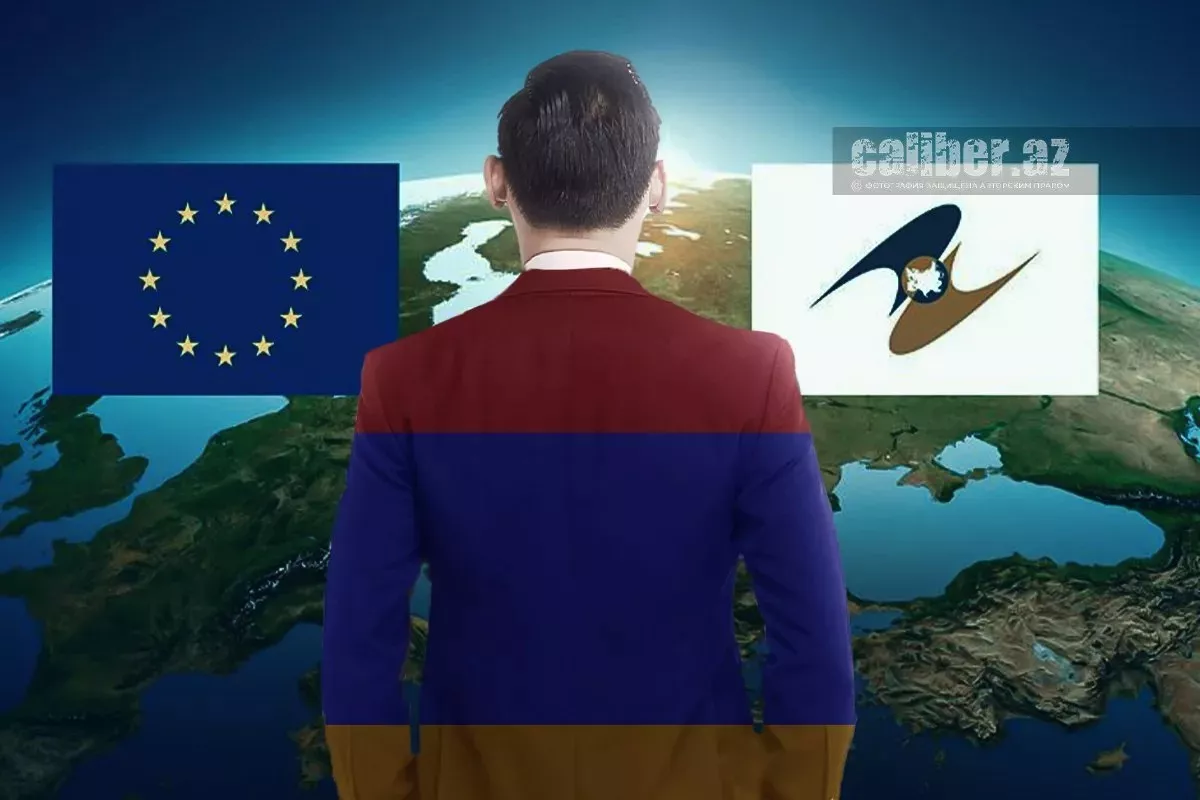
"Membership in the EAEU brings the republic real, tangible benefits. One of the main advantages of the Union is addressing issues based on the principle of mutual respect and consideration of member states’ interests, which is not subject to political fluctuations," said the head of Russian diplomacy.
Armenia’s membership in the EAEU—which is widely regarded as the country’s Achilles’ heel—is a constant source of leverage for Moscow. Russian diplomats at various levels frequently remind Yerevan of the significant benefits it derives from EAEU membership, which, in their view, far outweigh any advantages Armenian authorities gain from engagement with the European Union.
It is no coincidence that Foreign Minister Sergey Lavrov highlighted Russia’s role as a key and reliable trade and investment partner: “About 35% of Armenia’s foreign trade is with our country. Russian business is one of the important elements of the country’s [Armenia’s -ed.] socio-economic well-being.”
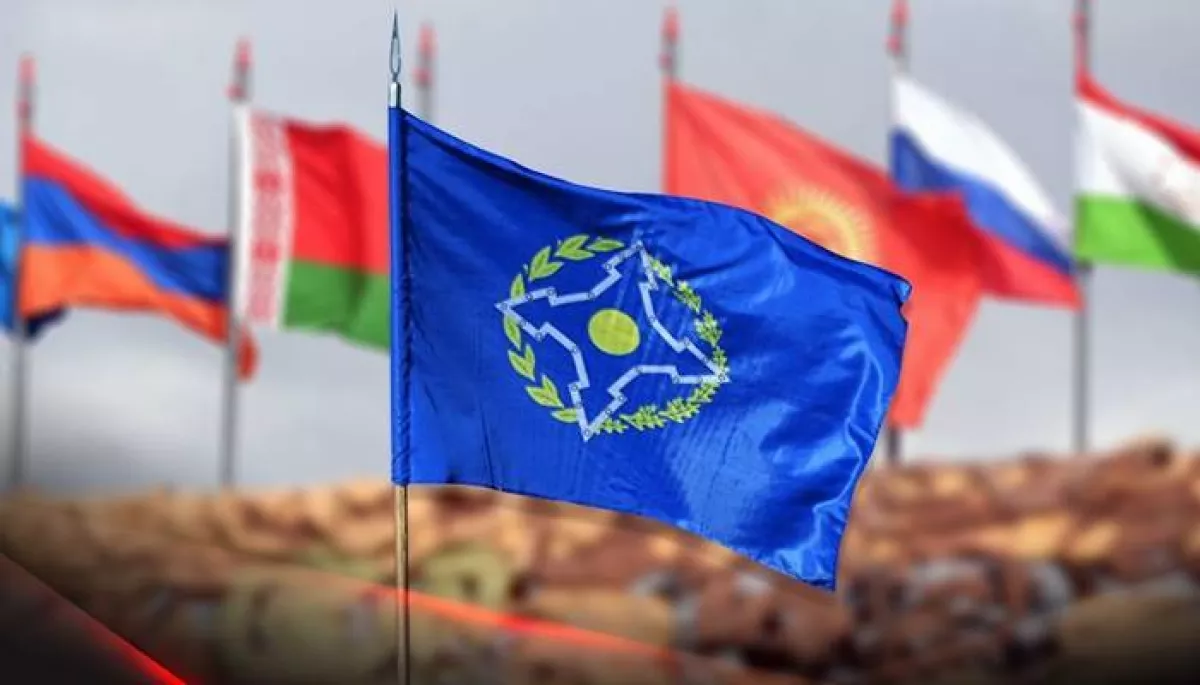
The second aspect highlighted by the Russian minister concerns Yerevan’s participation in the CSTO. As is well known, Armenia has been refusing full engagement in the activities of this organisation, evident in the absence of its representatives at CSTO events and non-payment of membership fees. Nevertheless, despite such casual behaviour on Yerevan’s part, Moscow does not fundamentally consider Armenia’s existence outside the CSTO.
This is confirmed by Lavrov’s statements, in which he stressed that Armenia remains a CSTO member with all rights and obligations. According to him, Moscow supports full Armenian participation in the organisation’s work, as it is an integral element of the country’s security. He also explicitly emphasised that “the Russian military base and our border guards serve as key elements of security for Armenia and the entire South Caucasus.”
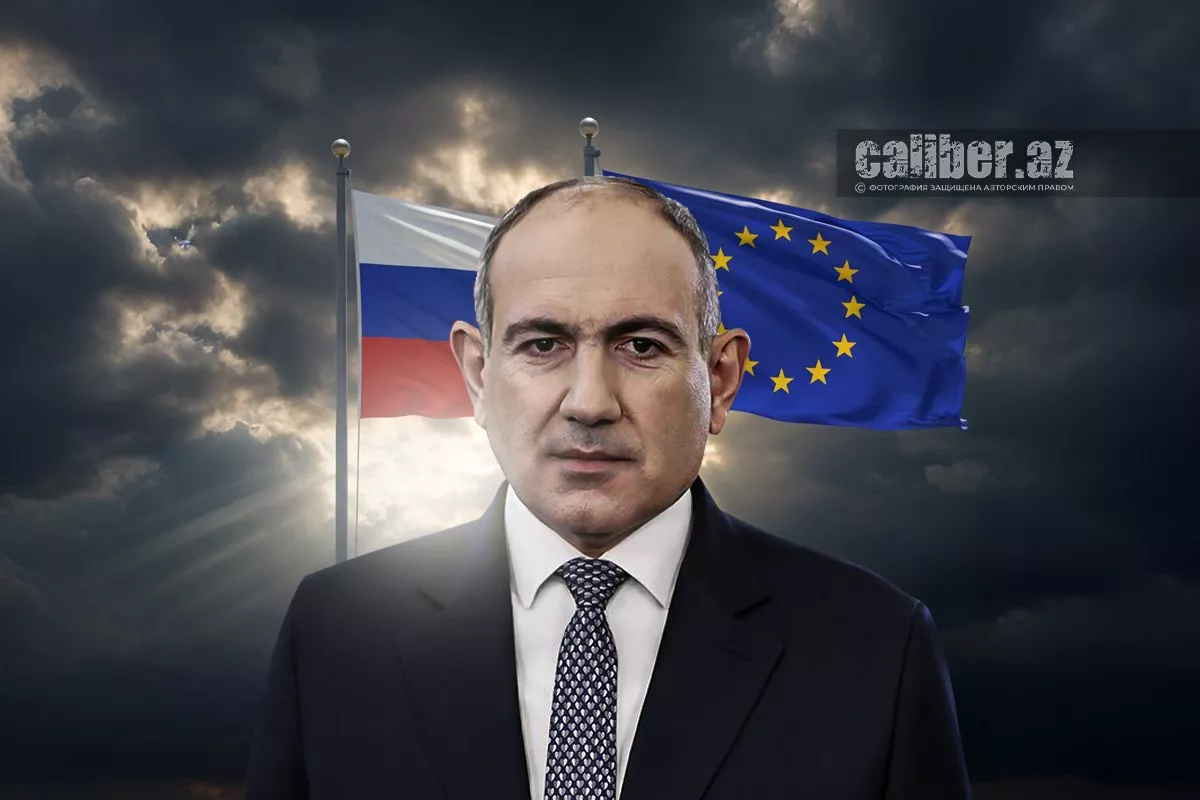
Thus, the Russian minister’s “fresh” statements indicate that Moscow will continue to exert pressure on Yerevan in an effort to regain its lost influence in Armenia. However, considering Prime Minister Nikol Pashinyan’s remarks that “Armenia will, in any case, meet European standards and will have a developed and modern state,” made at the conference “Armenia and Peace at the Crossroads of Risks and Opportunities” with the participation of U.S. and EU ambassadors, the likelihood of Yerevan choosing Moscow is extremely slim—contrary to the Kremlin’s hopes.







 editor@caliber.az
 +994 55 444-88-98
 Азербайджан, Баку, ул. Низами, 203, Af Business House, 5-й этаж