










What Vance’s trip means for regional cooperation Reassessing the South Caucasus
The upcoming visit of U.S. Vice President J.D. Vance to Baku is an event that speaks volumes. When a new administration takes office in the White House, the first months of its work always attract close attention, particularly regarding how its foreign policy agenda will be shaped. The decision to send the second-highest-ranking official in the country to Azerbaijan signals the priorities that the Trump administration is demonstrating with respect to the South Caucasus.
The symbolism of such visits is rarely accidental. Vance arrives in Baku at a moment when Azerbaijani–American relations are undergoing a noticeable transformation following the Republicans’ return to the White House. The dynamics of these changes had already begun to take shape before the August meeting of the two countries’ leaders, through phone calls and exchanges of letters, which outlined the contours of both sides’ positions on key bilateral and regional issues. For instance, on November 6, 2024, in a letter to the newly elected U.S. president, Donald Trump, President Ilham Aliyev noted: “During your first presidency, you were very attentive to the solidification of friendly and cooperative relations between Azerbaijan and the United States, and the continuous and consistent development of our collaboration.
[...] Benefiting a vast potential of our joint activities with the United States, we are determined to further expand and deepen our bilateral partnership in all areas, including political, economic-commercial, security, energy, green and digital transition and others. We do believe that during your new presidency, the relations between Azerbaijan and the United States will further strengthen as the new cooperation areas will be defined.
Azerbaijan will further continue its actions to foster peace and security in the South Caucasus.”
On November 25, 2024, President Ilham Aliyev, in a telephone conversation with President Trump, emphasised that the actions of the U.S. president will play an even more important role in ensuring global security. In turn, President Donald Trump highlighted the importance of joint efforts to develop cooperation between the two countries.
In other words, Washington had the opportunity to hear Azerbaijan’s vision of bilateral relations and the situation in the South Caucasus directly. This was also highlighted in President Trump’s congratulatory letter to President Aliyev on the occasion of Azerbaijan’s Independence Day:
"We value our relationship with the Republic of Azerbaijan and appreciate your partnership with the United States in combating terrorism, advancing energy security, and working towards peace with your neighbor.
[...] The United States continues to support a lasting peace between Azerbaijan and Armenia. A peaceful resolution of the conflict will ensure a more prosperous South Caucasus region and will lead to greater opportunities for cooperation with the United States. Now is the time to commit to peace and usher in a new era of prosperity for the people of the South Caucasus. We look forward to a deeper partnership in the years and decades to come."
President Trump’s personal role in building—or rather, restoring—U.S.–Azerbaijan relations, which had been noticeably strained during the Biden administration, deserves special attention. The American president is known for his pragmatic approach to international affairs, where personal relationships with other world leaders play a significant role. This was evident in Washington on August 8, during the signing ceremony of the Memorandum of Understanding between the Government of the Republic of Azerbaijan and the Government of the United States. At that event, President Trump called Ilham Aliyev a great leader and presented him with the symbolic keys to the White House. “I don’t present it very often,” Trump emphasised.
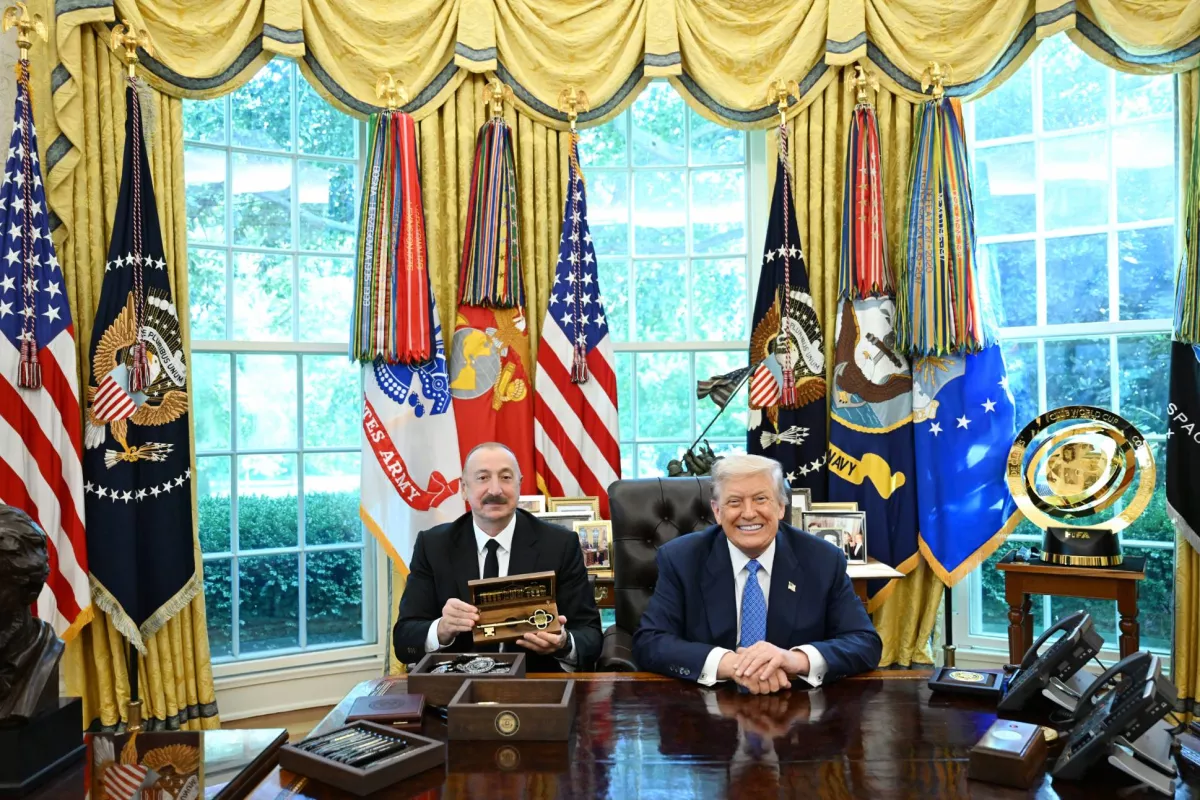
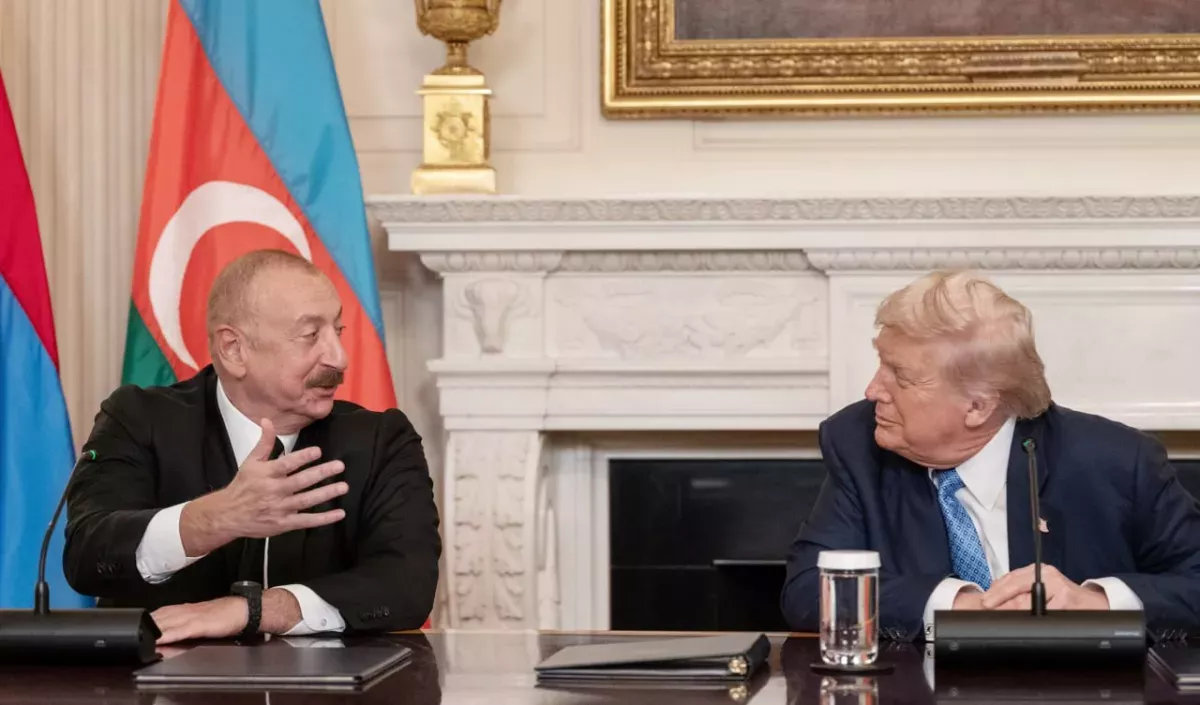
Contacts between Aliyev and Trump in Washington, Egypt, and Davos have demonstrated that a working dialogue has been established between the two heads of state, based on mutual understanding of their interests.
Vance’s visit to Azerbaijan fits logically into this sequence of high-level contacts. The U.S. vice president arrives in Baku with a mandate from the American president. This is important to understand because Vance represents the position of a team whose foreign policy decisions are made under the direct guidance of Trump, who has shown a clear interest in deepening relations with Azerbaijan.
Today, the South Caucasus is experiencing a pivotal period: the conclusion of the long-standing conflict over Karabakh, shifts in the regional balance of power, and the opening of new transport corridors have created conditions in which the role of external actors becomes particularly significant. The Trump administration demonstrates a willingness to build relations based on economic interests and geopolitical realities, rather than abstract ideological considerations.
Vance’s visit will provide an opportunity to specify the general agreements reached at the level of the two countries’ leaders. The U.S. vice president will be able to discuss in detail the practical aspects of bilateral cooperation, assess the potential of joint projects, and hear Azerbaijan’s perspective on future collaboration. Visits like this lay the groundwork for subsequent steps, allowing both sides to identify areas where cooperation can be deepened and where additional work is required.
Importantly, the visit takes place at a time when the Trump administration is actively reassessing the foreign policy priorities inherited from its predecessors. The South Caucasus now has the chance to be evaluated afresh, free from the weight of stereotypes and prejudices accumulated over previous years. Azerbaijan has the opportunity to present its positions on regional issues to an administration that is willing to listen and consider alternative approaches.
The upcoming visit of the U.S. vice president to Baku serves as further confirmation that Azerbaijani–American relations have entered a phase of active development. The sequence of high-level contacts, the personal engagement of Presidents Aliyev and Trump, and the willingness of both sides to engage in dialogue create a solid foundation for building a partnership that serves the interests of both countries.







 editor@caliber.az
 +994 55 444-88-98
 Азербайджан, Баку, ул. Низами, 203, Af Business House, 5-й этаж