










What will be the outcome of the Russia–Ukraine war? Zaluzhnyi’s forecast and the reality on the ground
The conclusions drawn by former Commander-in-Chief of the Armed Forces of Ukraine and current Ukrainian Ambassador to the United Kingdom, Valerii Zaluzhnyi, regarding the current state of the Russia–Ukraine war—which has now been ongoing for more than four years—are not fundamentally new. However, they merit a more detailed analysis, particularly in light of the political context in which their author now finds himself.
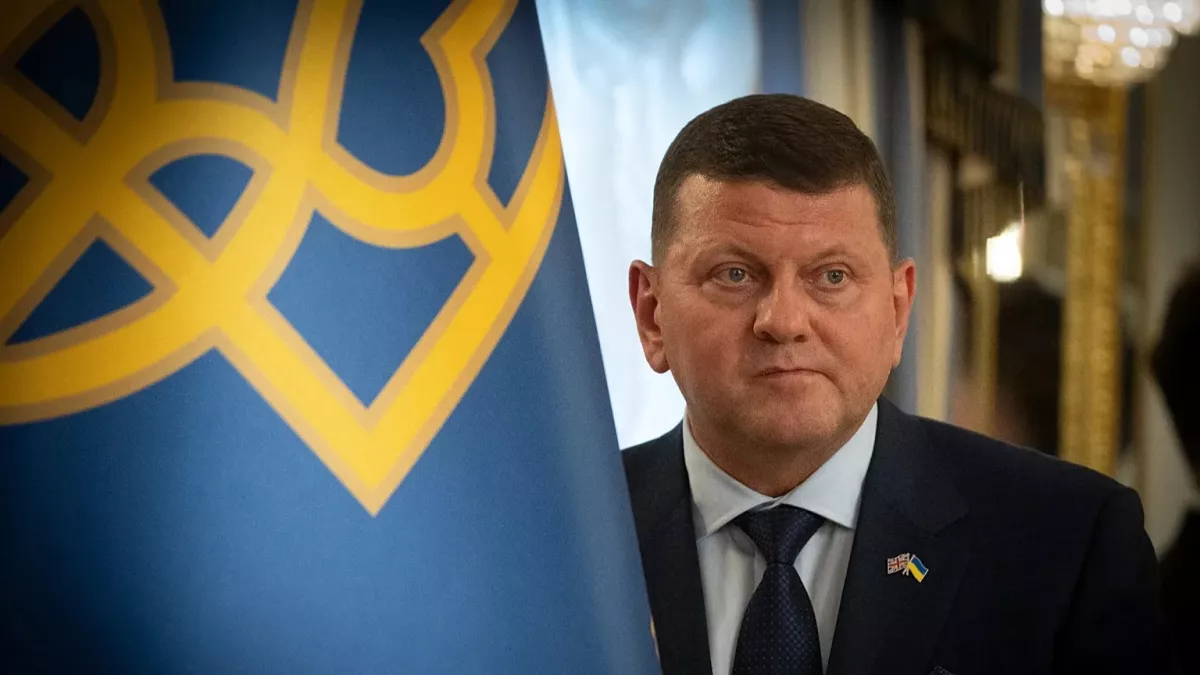
In an article published by the Interfax-Ukraine news agency, Zaluzhnyi argued that the Russian-Ukrainian confrontation has entered a phase of attritional warfare in which there will be no winners, effectively reaffirming the assessment he first voiced at the end of 2023, when he described the situation on the front line as a strategic stalemate.
First and foremost, it should be noted that the former Commander-in-Chief's assessment contains a considerable degree of realism. The current stage of the conflict between the two countries is characterised by high-intensity combat but limited territorial movement. The battlefield has become saturated with unmanned systems, tactical approaches are constantly evolving, and the sheer density of firepower has reached a level where even achieving limited tactical objectives requires disproportionate resources. Under these conditions, the front line has largely stabilised, while any attempt to achieve a breakthrough results in heavy losses.
Zaluzhnyi is also correct in arguing that neither side is currently capable of achieving a decisive military advantage. It is precisely this reality that defines the logic of a war of attrition, in which the decisive factor is not so much control over individual settlements as the ability to withstand prolonged pressure—economic, military, and social.
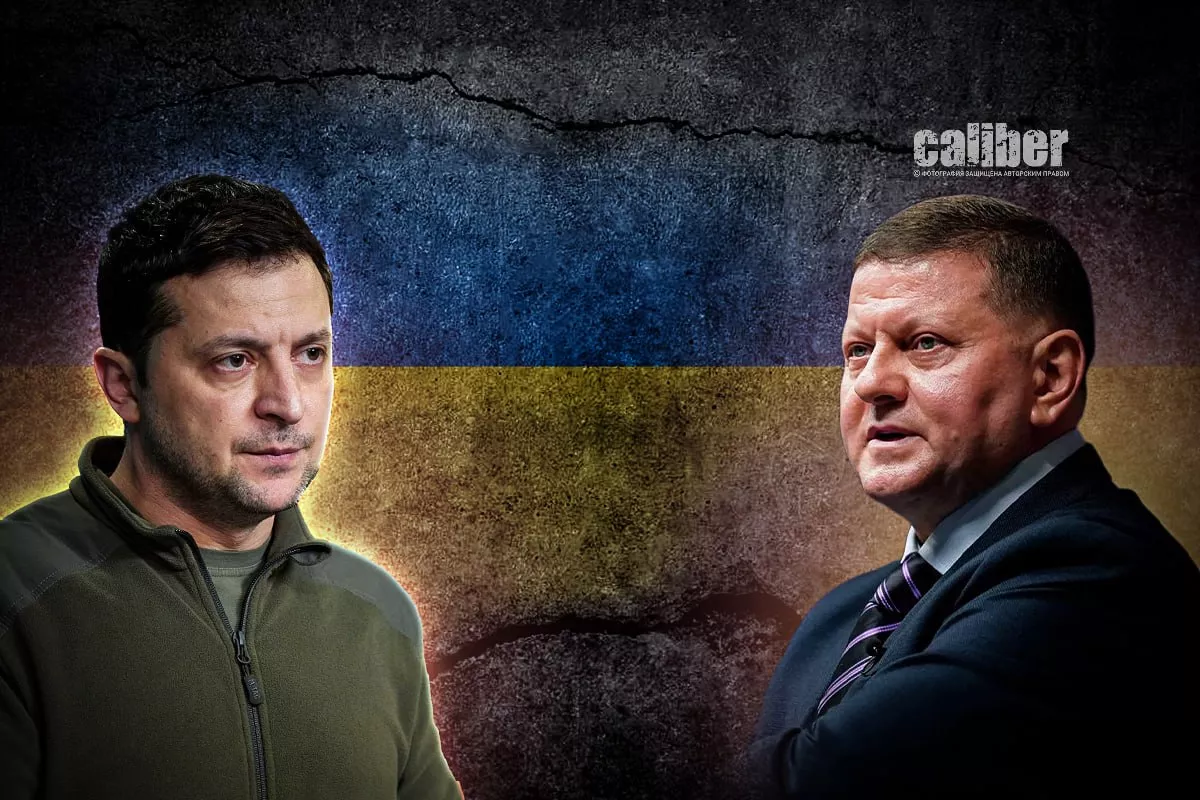
However, despite the persuasiveness of these arguments, an important question inevitably arises: How neutral are Zaluzhnyi's assessments? In addressing this question, it is essential to take into account that he is now widely regarded as a potential candidate for the presidency of Ukraine. According to most public opinion polls, his approval ratings exceed those of Volodymyr Zelenskyy, while his personal reputation remains exceptionally strong. More broadly, Ukrainian society tends to view Zaluzhnyi as the general under whose command the country achieved significant military successes and, importantly, as a public figure who has not been associated with corruption scandals.
Against this backdrop, Zelenskyy continues to face recurring criticism over insufficient preparation for Russia's full-scale invasion, while the topic of corruption within the president's inner circle remains one of the most sensitive issues in Ukraine's domestic politics. At the same time, it is important to acknowledge the positive aspects of his leadership in this context. In particular, despite all the challenges, it was under Zelenskyy's presidency—and after Valerii Zaluzhnyi had been replaced as Commander-in-Chief—that Ukraine succeeded in inflicting significant damage on Russia, including in the economic sphere, where one of the key factors was the campaign of strikes against Russia's oil infrastructure.
According to the Financial Times, Ukrainian drones put as much as 40 per cent of Russia's oil refining capacity out of operation. The consequences of these attacks proved to be substantial: by the end of June, restrictions on fuel sales had been introduced in dozens of Russian regions. More broadly, these developments amount to an effort to undermine the resilience of the Russian economy, a significant portion of which depends on the oil and gas sector.
It is precisely this dimension of the war—economic pressure—that appears to be underestimated in Zaluzhnyi's assessment. As a result, his emphasis on the impossibility of achieving victory can be interpreted as an attempt to highlight the limitations of military means alone. At this point, the discussion inevitably shifts to the question of motives. In the context of a potential presidential campaign, Zaluzhnyi has an objective interest in shaping a particular narrative. On the one hand, he seeks to emphasise his own achievements as a military commander by linking Ukraine's key successes to the period of his leadership. On the other hand, he aims to underscore the shortcomings of the current government's strategy by drawing attention to the lack of prospects for a swift end to the war.
In reality, however, the situation is far more complex than any one-sided interpretation suggests. The war has indeed evolved into a war of attrition, yet the struggle for strategic initiative continues, extending beyond the battlefield. Strikes on critical infrastructure, sanctions pressure, and sustained international support remain essential components of the broader conflict. Underestimating these factors in any assessment of the war risks producing a distorted understanding of the overall situation.
Thus, Zaluzhnyi's conclusions should be viewed not only as a military assessment but also as a political statement, articulated at a time when a new balance of power is beginning to take shape in Ukraine. His remarks therefore reflect not only the objective realities on the battlefield but also the logic of a potential presidential campaign.







 editor@caliber.az
 +994 55 444-88-98
 Азербайджан, Баку, ул. Низами, 203, Af Business House, 5-й этаж