










A history lesson from President Aliyev for France 24 Peace in the region, relations with Paris, and beyond
Confidence. Clarity. And truth! These are precisely the words that define the direction of President Ilham Aliyev’s interview with France 24, given on the sidelines of the Munich Security Conference. An important nuance in this context is that this channel is not approaching Aliyev for the first time to share his perspective on developments in the South Caucasus and beyond, viewed through the lens of global geopolitics. For instance, President Aliyev spoke with a France 24 correspondent in September 2021—just a year after the start of the Patriotic War of the Azerbaijani people.
But how does the current line of questioning from this media outlet directed at the Azerbaijani leader differ in substance? It clearly reflects the remarkable rise of Azerbaijan’s international authority over the past five years, including through the new realities created by Baku’s unique initiatives both in the region and beyond. In this light, one recalls what the president said on the eve of the conference—that this was his first time participating in the Munich Security Conference as the head of a state that has achieved peace, and that “as always, our message is directed toward cooperation and peace.”
Thus, while in 2021 France 24’s questions focused on the possibility of establishing contacts between the leaders of the two South Caucasus countries to resume dialogue and move toward peace, or on “ claims over territories that Armenia considers to be its territory,” five years later we heard a very different configuration of the interview. Questions now centred on the August 2025 trilateral summit in Washington, the recent visit of US Vice President J.D. Vance to Baku, prospects for a meeting between the heads of Azerbaijan and France, and the potential revision of Armenia’s constitution to remove formulations aggressive toward our country.
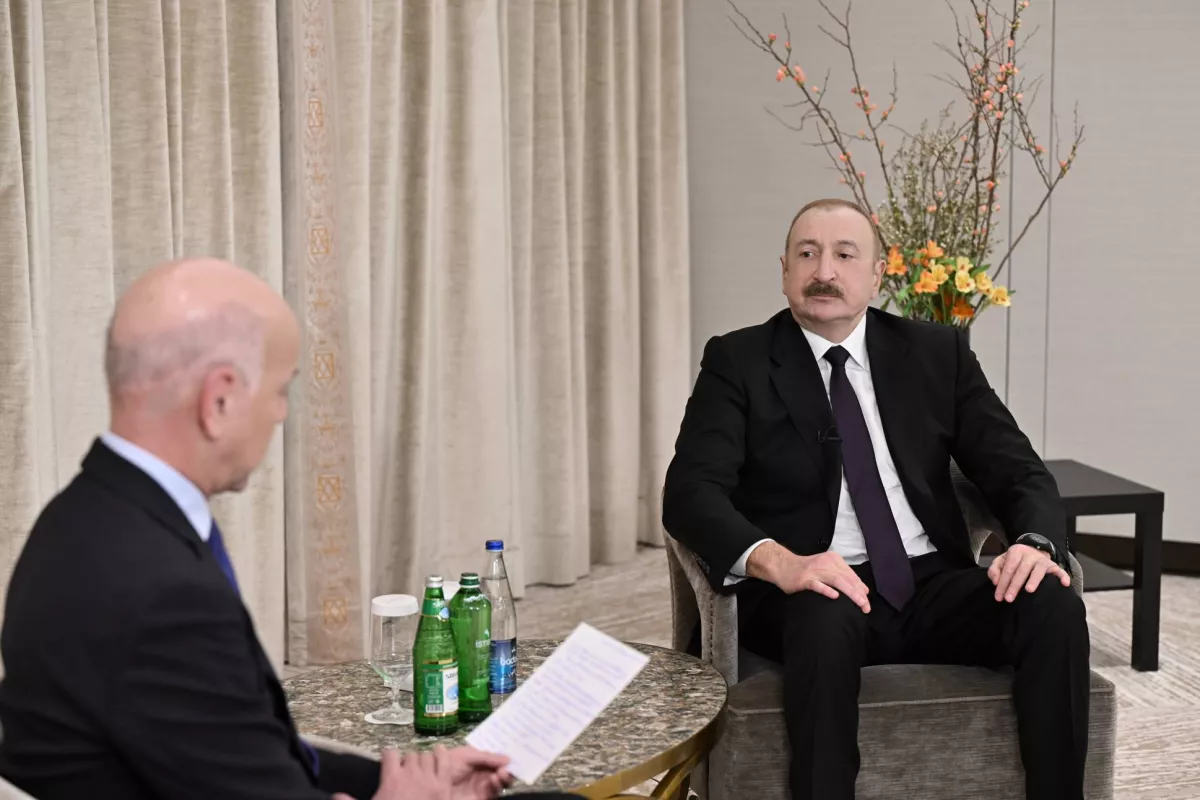
On all points, President Aliyev provided detailed responses, clearly outlining Azerbaijan’s position, which is grounded solely in the protection of the country’s national interests while fully respecting all norms and principles of international law. First and foremost, the French correspondent’s attention was drawn to the documents signed at the White House in August last year, including the fact that Donald Trump signed as a witness to the Joint Declaration between Baku and Yerevan. Based on this framework, Azerbaijan began supplying critically important oil products to its neighbouring country, which “marks the beginning of our trade relations.” As a result, the two sides are now learning to live in peace.
However, when asked about the full normalisation of bilateral relations, President Ilham Aliyev clarified that while positive developments are evident in this area, the official signing of a peace agreement can take place only if the Armenian side amends its constitution, which still contains a clause asserting territorial claims against Azerbaijan.
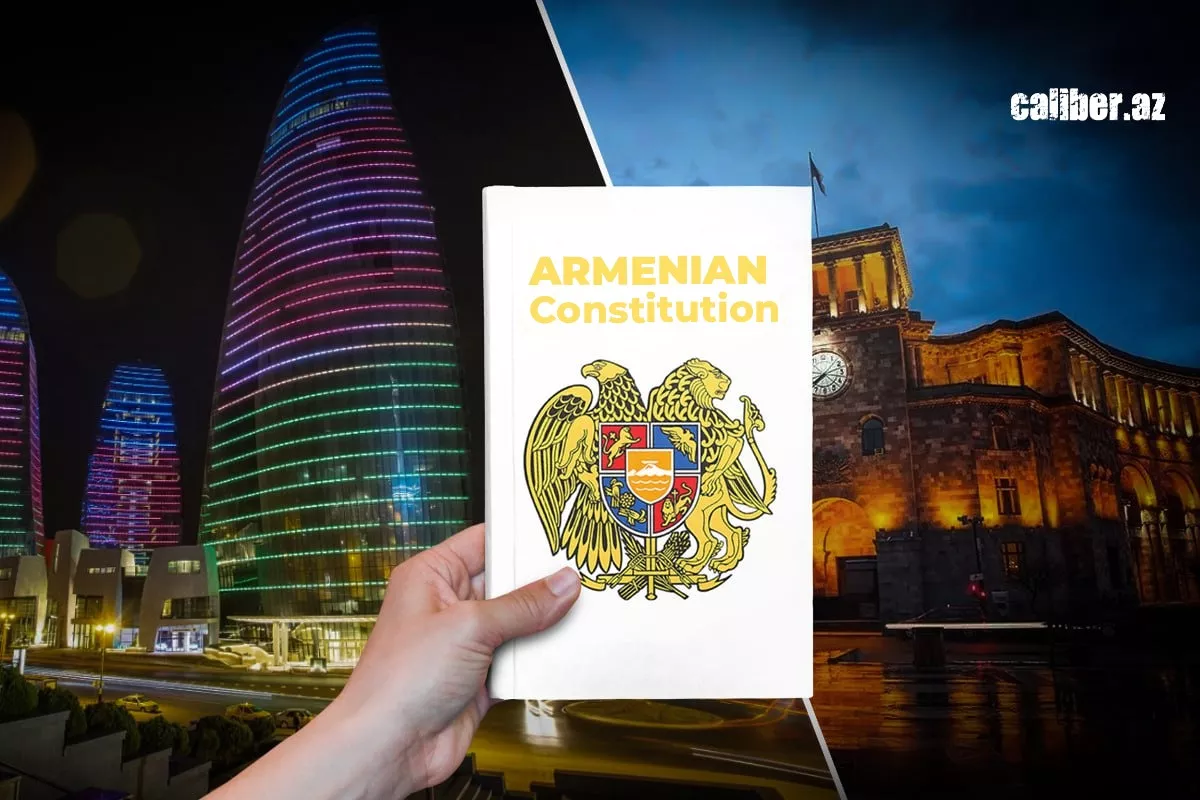
At the same time, the head of state made a crucial clarification: for Azerbaijan, “peace has already been achieved.” He then went on to provide a detailed account of U.S. Vice President Vance’s visit to Baku, the outcome of which has made strategic partnership between the two states a reality on an equal footing. In this context, President Aliyev also reaffirmed the necessity of the Zangezur Corridor’s operation, noting that its implementation has been made possible thanks to the personal contribution of Donald Trump.
In light of these statements, the France 24 correspondent undoubtedly received confirmation that Azerbaijan’s leader’s promises align with his actions. After all, in preparing for the interview, the journalist could hardly have overlooked President Aliyev’s earlier confident statements that the “Trump Route” would inevitably come to fruition, and that, with Donald Trump’s return to the Oval Office, U.S.–Azerbaijan relations—deliberately strained under the Biden administration—would be revitalised to serve the interests of both countries.
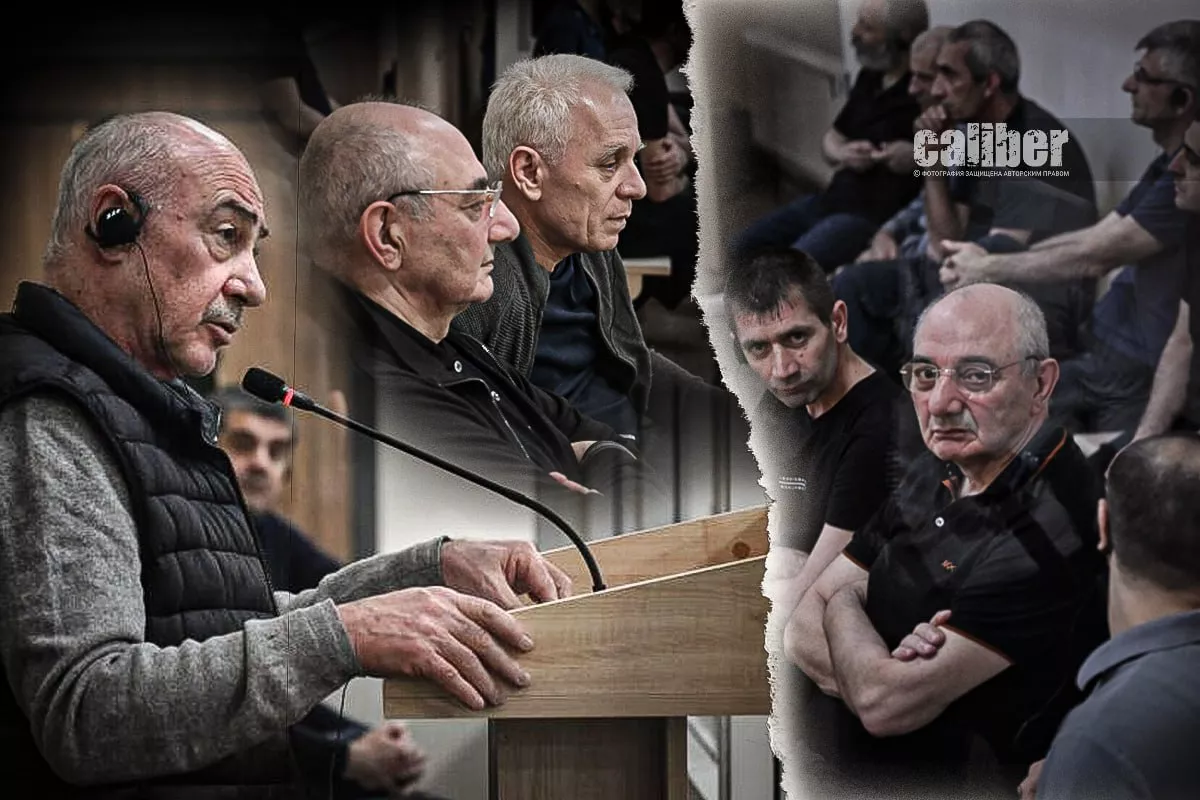
Naturally, the French correspondent raised the expected question regarding the fate of Armenian military criminals, against whom Azerbaijani courts delivered a fair verdict—one that could not be legitimately challenged, even by the most biased forces. The France 24 journalist, calling the sentence “harsh,” asked whether the topic of their pardon had been raised during U.S. Vice President J.D. Vance’s meeting with President Aliyev, and whether the head of state plans any steps in this direction.
President Aliyev’s response was clear and firmly grounded in international law. While confirming that this topic was among the issues discussed with Vance, he offered the French journalist a concise legal and historical overview. He first emphasised that the individuals who committed these crimes were leaders of a separatist regime that operated illegally on the territory of a sovereign state and were held accountable, including for being long-time instigators and participants in “serious crimes against humanity.” In this context, the president drew a careful line from the Nuremberg Trials to the Baku proceedings, noting that “their crimes were even worse than what the Nazis did during World War II.”
It was also entirely expected that the France 24 correspondent touched on the angle of “compassion for the Armenians who had to leave Garabagh as a result of the latest war.” Here, the president gave a history lesson, noting that Baku had from the outset publicly offered all Armenians living in Karabakh the opportunity to apply for Azerbaijani citizenship or a work permit. In this context, it is worth recalling that back in October 2020, President Aliyev emphasised: “Armenians who live in Nagorno-Karabakh are our citizens and their security, their rights will be totally provided as long as the rights of all other people of Azerbaijan…And after the criminal junta in Nagorno-Karabakh is thrown away, they, as Azerbaijani citizens will live better…But never we will allow the creation of the second Armenian state on the territory of Azerbaijan.”
In 2023, following the conclusion of a unique, locally focused counter-terrorist operation, the country’s leader stressed that a “new historical opportunity” has been created for the Armenian population of Karabakh. Baku’s intention is to build a shared life based on peace, mutual understanding, and respect. “We have no problems with the Armenian people. We have no enmity,” he said. “We accused the elements and leaders of the criminal regime, and we will bring them to justice.” The only requirement for Armenians who wish to live in the country—whose security will be guaranteed in accordance with the Constitution of Azerbaijan and the country’s commitments to international organisations—is to apply for Azerbaijani citizenship. To facilitate this, an electronic portal for reintegration has been launched.
However, as the leader of Azerbaijan explained to the French television journalist, the Armenians of Karabakh “preferred to choose to leave for Armenia.” On the other hand, President Aliyev continued, official Yerevan has made no proposals to allow the return of the hundreds of thousands of Western Azerbaijanis who were deported and subjected to ethnic cleansing—despite the fact that they should be given this opportunity.
It is quite telling that, after hearing the president’s perspective, the France 24 correspondent, without reacting to these blatant violations of international law by Armenia, stated that he would “want to quickly get to the relation” between France and Azerbaijan. Such selectivity on the part of the French journalist—though, of course, not the first time, is it?
President Aliyev continued his history lesson, noting that Baku has never been a source of problems with Paris. Yet, with the outbreak of the Second Karabakh War and the restoration of Azerbaijan’s territorial integrity, France—now a defender of this fundamental principle in reference to Denmark and Ukraine—openly supported the separatists, even going so far as to have its parliament recognise a puppet entity on Azerbaijani soil, something that Armenia itself did not do. Moreover, despite Baku’s advocacy for respect for the country’s sovereignty, certain well-known French political figures, by illegally visiting the occupied Azerbaijani territories, publicly insulted Azerbaijan’s statehood.
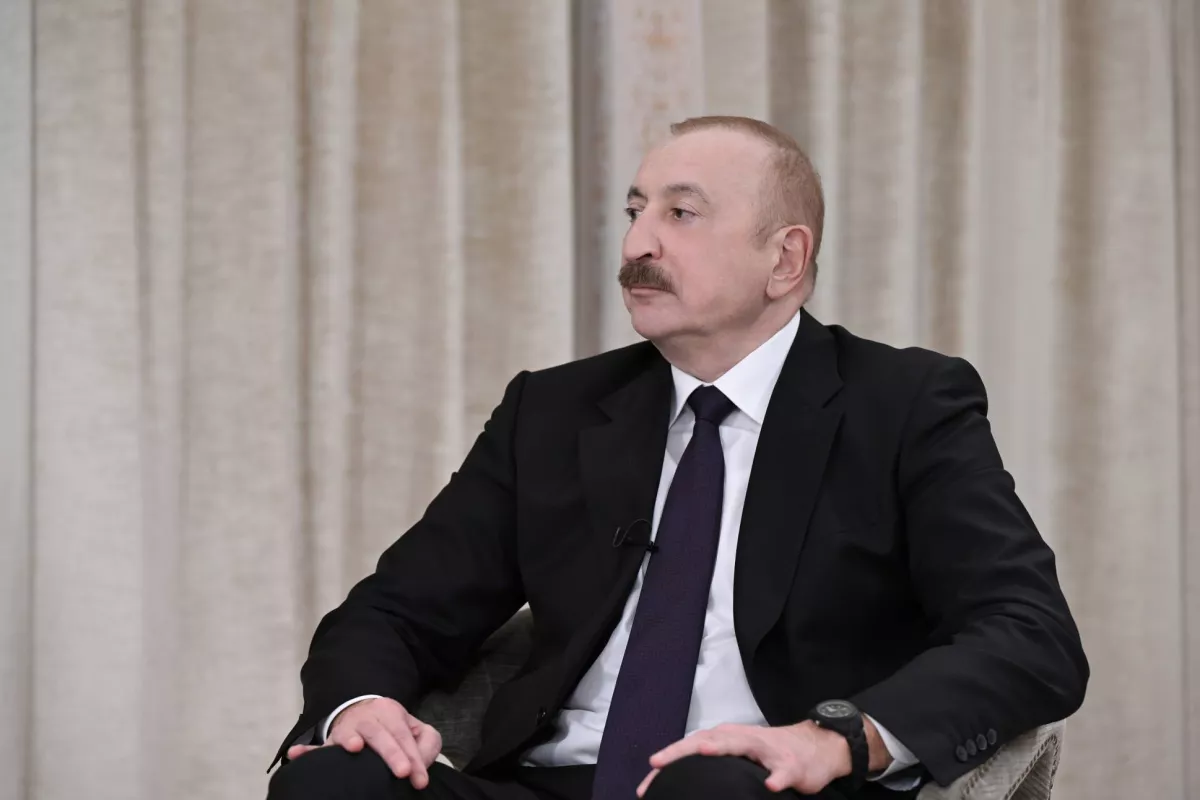
In this context, it is worth recalling that as early as 2023, President Aliyev emphasised that the notorious Minsk Group—particularly France—was irritated by Baku’s restoration of its territorial integrity, which completely disrupted their plans. The following year, the country’s leader underlined that Azerbaijan has “never had any problems” with Paris and that “we cooperated with France perhaps even more than with any other European country before Macron came to power.”
President Aliyev also reminded that both the National Leader Heydar Aliyev and he himself made their first official visits after their elections to France. Furthermore, Azerbaijani cities established sister-city relationships with 13 French cities. Yet, “the exorbitant ambitions and unfounded megalomania of the Macron government essentially threw all of this into the abyss,” he noted, explaining that with the outbreak of the Second Karabakh War, Paris “they clearly sided with the occupiers, that was the first sign that something was wrong in our relations - well, on their part.”
However, as President Aliyev emphasised in his latest response to the France 24 correspondent, his meeting at the European Political Community summit in Copenhagen in autumn 2025 “which was very positive, and we agreed to put a restart button. We are ready for that.” The head of state reiterated that the problems between the countries arose not on “our initiative” and highlighted the strong willingness of both sides to normalise relations, particularly in achieving peace between Armenia and Azerbaijan. Moreover, following the friendly atmosphere of the Copenhagen meeting, “there has been a lot of interaction between our teams. They regularly contact each other.” Any remaining problematic issues, he noted, need to be resolved through joint efforts, based on mutual respect, including respect for each other’s legal systems and non-interference.
It is fair to say that President Ilham Aliyev, in his characteristic manner, clearly addressed all the points of interest to France 24. One can only hope that those who read or watch this interview—French citizens and others—will find the capacity to reassess their outdated views of what took place in the South Caucasus and recognise the current realities. These realities continue to take shape, primarily through Azerbaijan’s initiatives, a country that has never wavered from the path of peace and adherence to international law.







 editor@caliber.az
 +994 55 444-88-98
 Азербайджан, Баку, ул. Низами, 203, Af Business House, 5-й этаж