










A region of growing cooperation Japan engages with Central Asia
In recent years, we have observed increased efforts by Central Asian countries to develop and implement a coordinated foreign and economic policy. The countries of the region have recently begun holding regular C5+ summits with China, the United States, and the EU. It has now emerged that the Japanese government is preparing to hold the first summit involving the five Central Asian countries, which could take place in Tokyo as early as mid-December.
An interesting fact is that the “Central Asia plus Japan” format was initiated by Tokyo back in 2004— all five Central Asian countries have been conducting ministerial-level negotiations with Japan for more than 20 years. In this way, Japan became the first country to propose such a “5+1” interaction format, which was later adopted and further developed by other countries, even surpassing Japan in implementing it.
Now, Tokyo has decided to make up for lost time. The first high-level meeting under this format was originally scheduled to take place in Kazakhstan in August of last year, but it was postponed at the last minute due to a warning about a potential strong earthquake in Japan.
Speaking of the previously observed passivity in relations between Japan and the Central Asian countries, it is necessary to note that the initiative lacked an additional driving force. On one hand, the leaders of the Central Asian states held differing views on foreign policy; on the other, the Japanese economy remained stagnant for a long period, which limited the country’s ability to pursue an active foreign investment policy. Moreover, the volume of trade between the Land of the Rising Sun and Central Asia was more than modest.
However, following the outbreak of the Russia–Ukraine war in February 2022 and the expansion of the resulting crisis, Japan and Central Asia discovered an urgent need to strengthen cooperation. Firstly, due to the conflict, many Japanese companies previously based in Russia began relocating to Central Asia. This led to changes in market conditions and the necessity to re-examine the region.
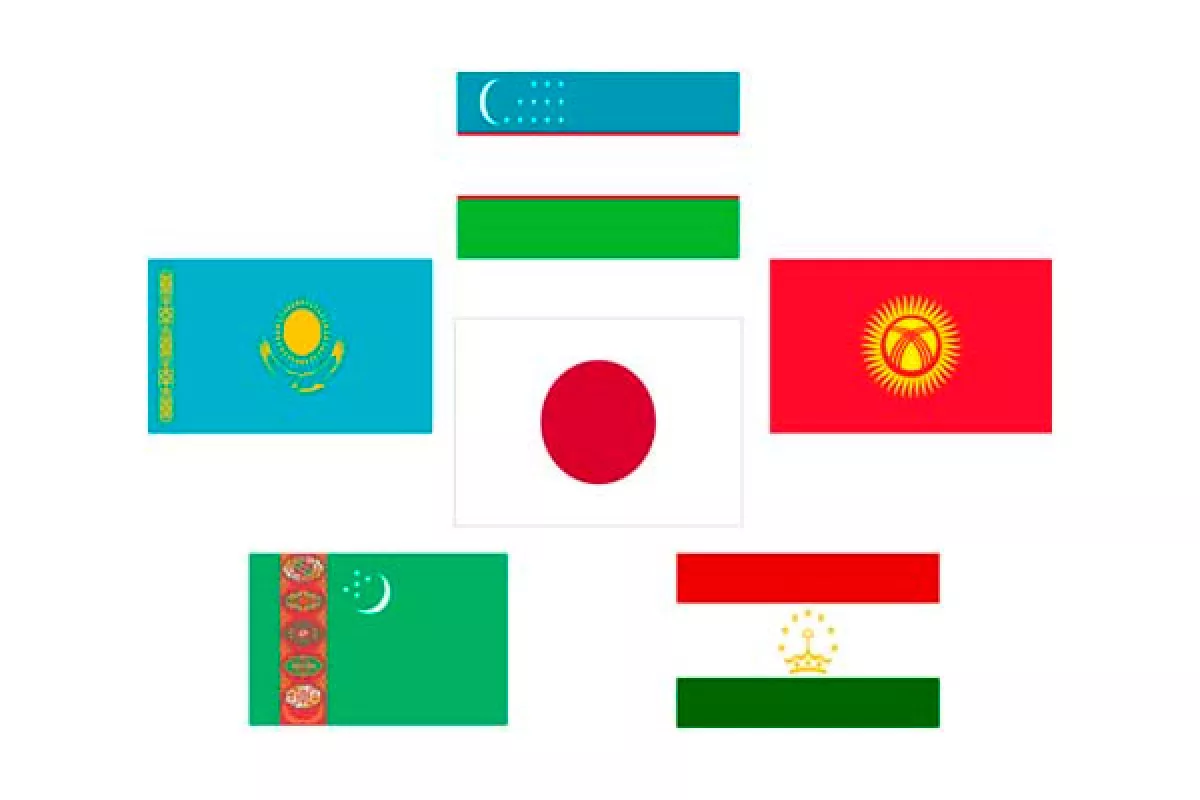
There is also the pressing need for Tokyo to find land routes for transporting its goods to Europe that bypass Russia, as Japan participates in sanctions against the country. In addition, the situation in Central Asia has changed, and the countries of the region are increasingly presenting a united front. For Central Asian states, diversifying foreign economic relations is essential to strengthening political and economic security. The countries of the region reasonably perceive as a vulnerability an overreliance on China and Russia in economic ties, especially in light of the sanctions imposed on the latter.
Japanese Prime Minister Sanae Takaichi places high hopes on the upcoming talks. According to her, a personal meeting of the leaders will not only help strengthen political contacts but also create a new system of economic security, ensuring mutually beneficial cooperation in areas ranging from technology to agriculture. In particular, Japan plans to propose regional joint initiatives on economic decarbonisation, involving private investors to fund “green” projects.
The main topics of the December summit will be logistics and energy. In this context, it is also important to note the significance of Azerbaijan as a critical segment of the strategically important Middle (Trans-Caspian) Corridor, which connects Central Asia (and China) with Europe. Last year, Tokyo announced its readiness to actively support the development of the Trans-Caspian transport corridor.
Thus, the Central Asia–Japan summit has strong potential to become another key event contributing to the development of the broader Central Asian and South Caucasus region.







 editor@caliber.az
 +994 55 444-88-98
 Азербайджан, Баку, ул. Низами, 203, Af Business House, 5-й этаж