










Aluminum’s new supply shock: Why Azerbaijan could be among biggest winners KHAZAR AKHUNDOV’S REVIEW
The global aluminium market recorded its highest price surge in four years during the spring and early summer of 2026, driven by military confrontation in the Middle East. Although exchange quotations have eased over the last month and a half, medium-term demand for the metal is set to grow as market availability tightens under stricter anti-Russian sanctions and expanding requirements from the global green energy transition and European Union climate commitments. Azerbaijan, currently modernising its production facilities in Ganja and Sumgayit, stands as a clear beneficiary of these trends, with State Statistics Committee data showing a significant increase in both aluminium production and exports between January and July.
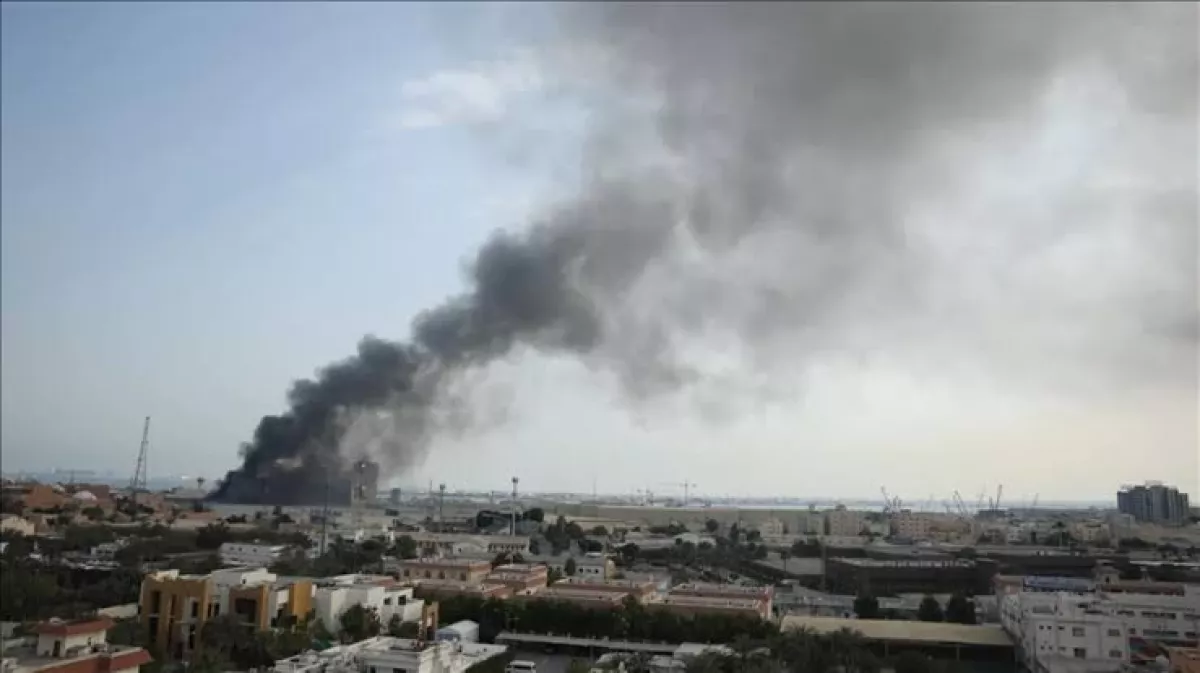
The Middle East previously accounted for roughly 9% of global aluminium production, but that capacity fell sharply during the conflict following Iranian strikes on smelting facilities in the United Arab Emirates, Qatar, and Bahrain. As a result, aluminium futures on the London Metal Exchange (LME) surged to $3,544 per ton in March, reaching a peak not seen since April 2022. Despite subsequent price corrections, analysts project that fourth-quarter prices could remain within the $3,300 to $3,700 per ton range depending on regional stability, given the long and costly process required to repair and restart aluminium smelters. The International Energy Agency (IEA) similarly noted in its Global Critical Minerals Outlook 2026 that output reductions caused by the Middle Eastern conflict will continue to impact global markets through both this year and the next.
This sustained price dynamic reflects mounting structural demand across key industries, including construction, aviation, automotive manufacturing, shipbuilding, power generation, electronics, solar panel production, food, and pharmaceuticals. Within the context of the global transition to clean energy, aluminium now ranks second only to copper in total demand.
At the same time, global supply faces major structural bottlenecks. The 2022 energy crisis severely impacted energy-intensive non-ferrous metallurgy across Europe and the United States, leading to plant shutdowns, lower output, and higher raw material costs. These supply pressures have intensified in the first half of 2026 as tighter sanctions reduced Russian aluminium shipments to the European Union by 4.5 times, with remaining imports subject to strict quotas ahead of a full embargo on primary aluminium set to take effect by the end of 2026.
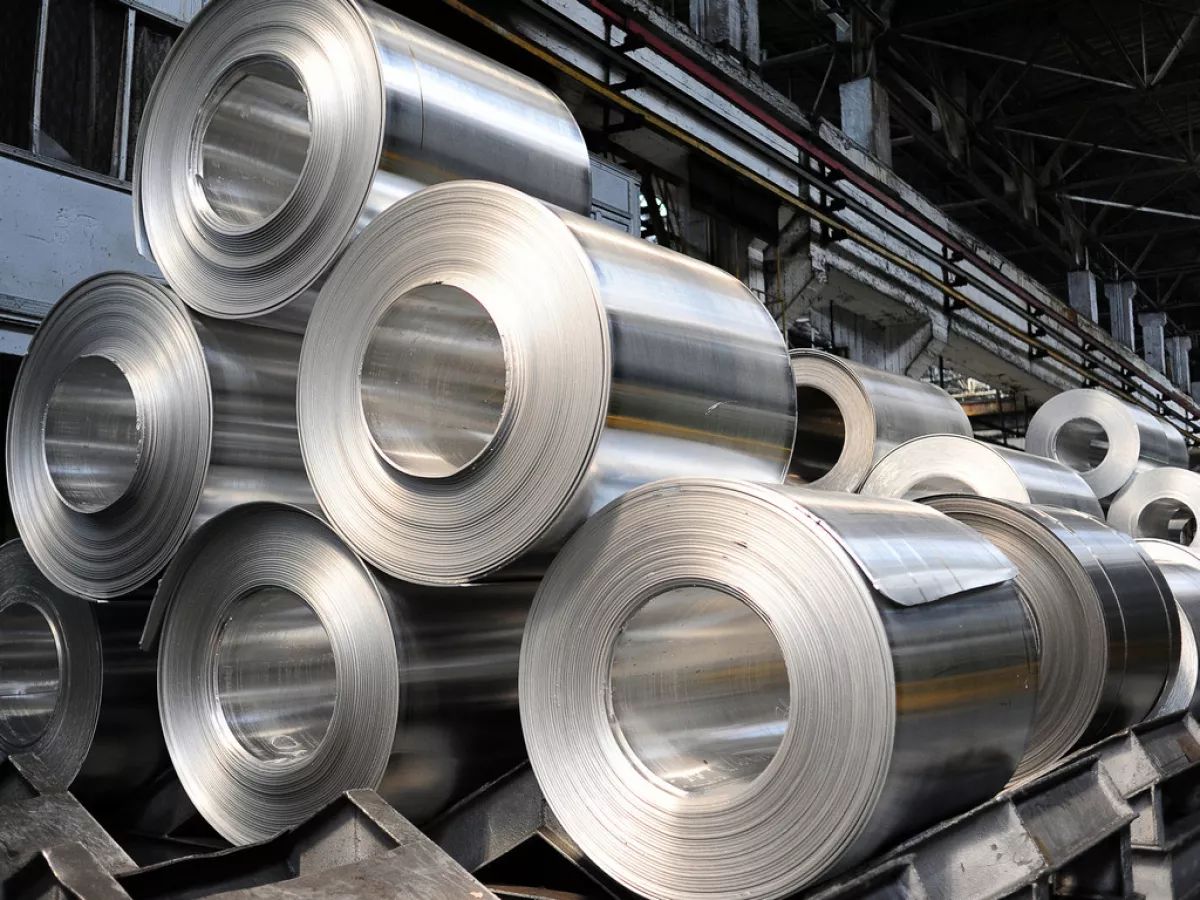
While production costs for aluminium smelting in Europe have escalated due to expensive oil, gas, and electricity, production growth has been recorded in China and Indonesia. Among post-Soviet nations showing gains in primary aluminium and rolled products output, Azerbaijan stands out as a clear leader. According to the State Statistics Committee, the country produced over 43,772 tons of aluminium products between January and July of this year — a 45.8% increase compared to the same period in 2025. Simultaneously, State Customs Committee data indicates that over the first seven months of the year, Azerbaijan exported more than 46,736 tons of aluminium and aluminium products, representing an 11.9% year-on-year growth.
Favourable external market conditions continue to drive expanded production across Azerbaijan's domestic aluminium sector. Specifically, the European Union's Carbon Border Adjustment Mechanism (CBAM), introduced in 2026, marks the start of a new era in the global aluminium industry focused on reducing carbon footprints. Energy-intensive aluminium ranks among the highest-risk product categories under the CBAM framework, as producing one ton of the metal typically generates 13 to 15 tons of CO₂ emissions. With the launch of CBAM this year, aluminium exporters to the EU market began acquiring carbon certificates and preparing emission reports for their products. In response, Azeraluminium LLC is actively working to obtain the required carbon certification in close collaboration with the World Bank, specialised firms, and international organisations.
This transition aligns with broader structural shifts in Azerbaijan’s power sector, where the share of renewable energy capacity continues to expand. Expanded utilisation of hydropower resources has significantly reduced carbon intensity, allowing local aluminium facilities to maintain emissions at no more than 2 tons of CO₂ per ton of produced aluminium. This low-carbon profile provides a distinct competitive edge for Azeraluminium LLC as it seeks to expand its presence across European markets.
According to data from the Azerbaijan Investment Holding, revenue for Azeraluminium LLC exceeded $97 million (165 million manats) in the first half of this year, marking a 41% increase. Total annual revenue for the company is projected to surpass $176 million (300 million manats) by the end of the year.
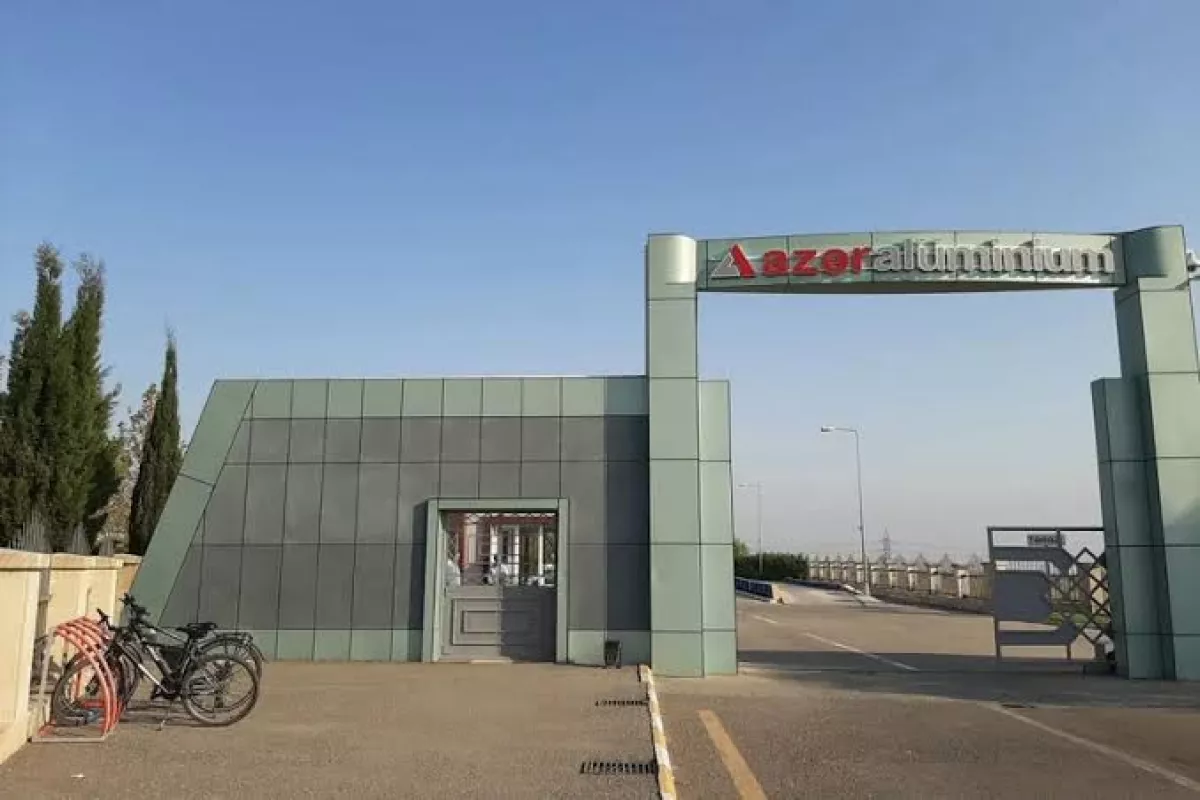
Azeraluminium LLC was established on the foundation of Azerbaijan Aluminium OJSC pursuant to President Ilham Aliyev's decree of April 1, 2026, titled "On a series of measures to ensure the development of the mining (metal ore) and metallurgical industries in the Republic of Azerbaijan". Furthermore, under the "State Program for the Development of the Mining and Metallurgical Industry for 2027–2030," the country aims to increase the annual production capacity of its electrolysis plant to 100,000 tons and rolled aluminium production to 50,000 tons by 2030. This strategy focuses on expanding the value chain from raw materials and processing to high-value-added final and semi-finished products, alongside boosting the export capacity of the domestic non-ferrous metallurgy sector.
To support these objectives, a modernisation program for the national aluminium complex is scheduled for the next four years. This includes rehabilitation and upgrade work at the Ganja Alumina Plant to raise its annual design capacity to approximately 400,000 tons of alumina, with negotiations ongoing alongside German, Chinese, and other international partners. In April 2025, during President Ilham Aliyev's visit to China, Azeraluminium LLC and China Machinery Engineering Corporation signed a cooperation agreement to execute investment projects backed by Chinese financial institutions. Additionally, in January 2026, Chinese companies Wanji and Sunstone held discussions in Baku regarding joint investment opportunities in aluminium production.







 editor@caliber.az
 +994 55 444-88-98
 Азербайджан, Баку, ул. Низами, 203, Af Business House, 5-й этаж