










Axis against the dragon: India and Japan forge a strategic alliance Article by Matanat Nasibova
Amid the steady stream of developments shaping the political landscape of the Indo-Pacific region, one event has drawn particularly close attention from the global media due to its far-reaching significance. At the 16th annual summit in New Delhi, Indian Prime Minister Narendra Modi and Japanese Prime Minister Sanae Takaichi signed 130 cooperation agreements, including in the fields of artificial intelligence, energy, and metallurgy, as well as a roadmap for economic security.
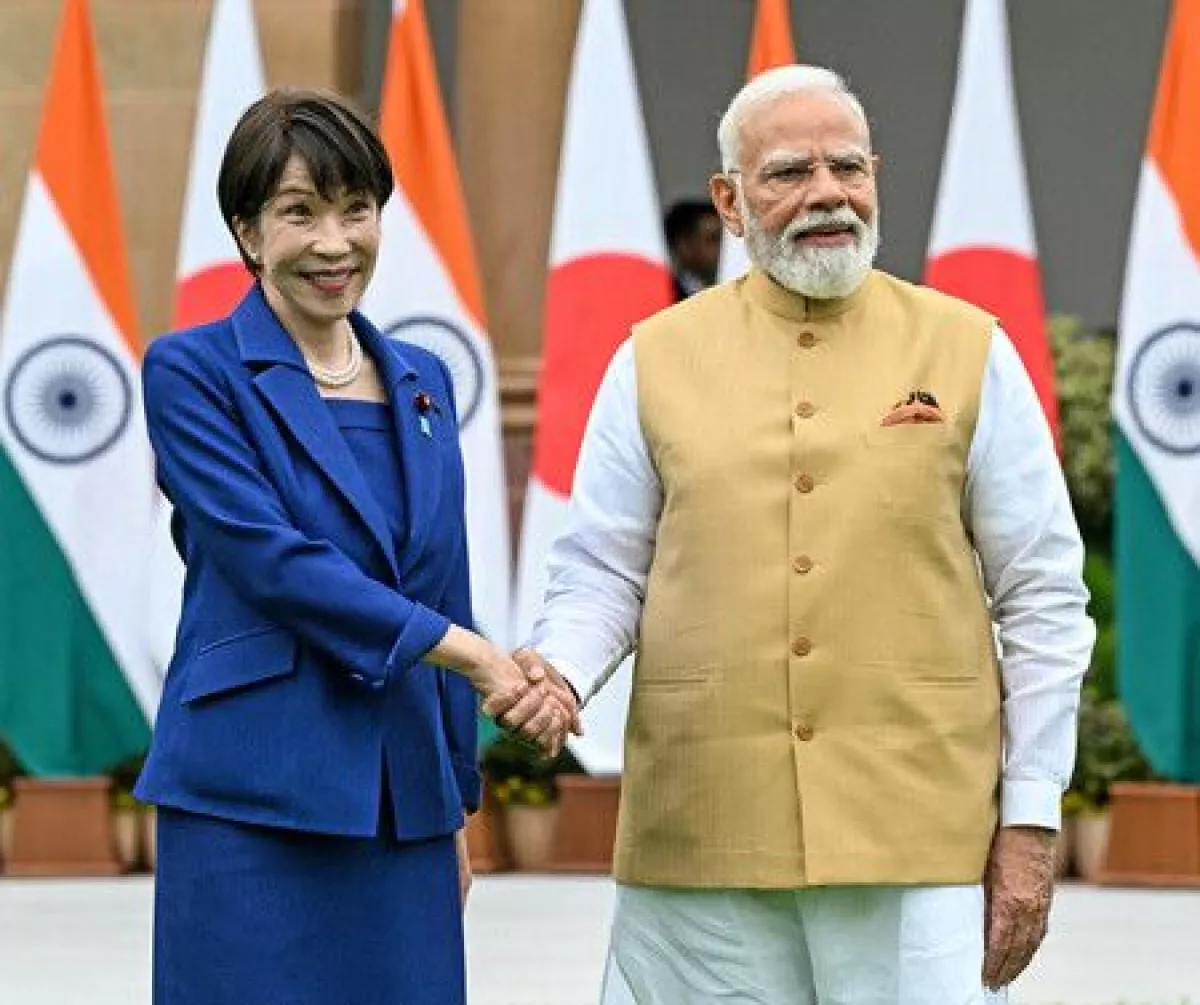
The principal outcome of the meeting between the two leaders was the signing of the first joint defense project to develop the UNICORN (Unified Complex Radio Antenna, or NORA-50) shipborne radar antenna system under the "Make in India" initiative. Under the agreement, the Japanese side will provide the technology and design, while the Indian state-owned company Bharat Electronics Limited (BEL) will carry out localized assembly and system integration. The two sides also declared their intention to combine "India's scale with Japan's quality."
Taken together, these developments have been widely interpreted by observers as a signal to the international community that Japan–India relations are entering a fundamentally new phase. The factors driving this significant shift in the Tokyo–New Delhi partnership, as well as the implications of this strategic alliance, warrant close examination, given that the Indo-Pacific region is a focal point where the geopolitical and geoeconomic interests of numerous states intersect.
Just 10–15 years ago, relations between Japan and India were largely limited to economic cooperation. Today, as discussed above, the two countries have significantly expanded the scope of their partnership, placing geopolitical issues at the forefront. This reflects a profound transformation of the security architecture in the Indo-Pacific region, which is evidently linked to China's growing influence both regionally and globally.
As for the two countries themselves, China poses a significant challenge not only because Beijing's geopolitical interests conflict with the policies of Tokyo and New Delhi, but also because of longstanding bilateral disputes. For instance, India and China have been unable to resolve their territorial dispute in the Himalayas since the 1962 war, largely due to differing historical interpretations of their shared border.
The dispute centers on the approximately 3,488-kilometer-long Line of Actual Control (LAC). The main contested areas are the Western Sector (Aksai Chin), which is administered by China but claimed by India, and the Eastern Sector, comprising the Indian state of Arunachal Pradesh, which China regards as part of South Tibet. At the heart of the dispute is the McMahon Line, established in 1914, which Beijing does not recognize. These differing positions have periodically triggered crises, the most recent occurring in 2020, when dozens of Indian and Chinese soldiers were killed in clashes in the Galwan Valley.
Another source of friction is the so-called "Chicken's Neck"—the strategically important Doklam (Donglang) Plateau, located at the tri-junction of Bhutan, China, and India's state of Sikkim. The area overlooks the narrow corridor connecting India's northeastern states with the rest of the country. In recent years, China has increased pressure in the area by expanding infrastructure, including military facilities and civilian villages. As Bhutan's security guarantor, India has consistently sought to prevent these developments. Most notably, in 2017, the plateau became the site of a 73-day military standoff, during which Indian troops crossed the border and physically blocked Chinese road-construction crews, preventing the construction of a road toward the strategically important Jampheri Ridge.
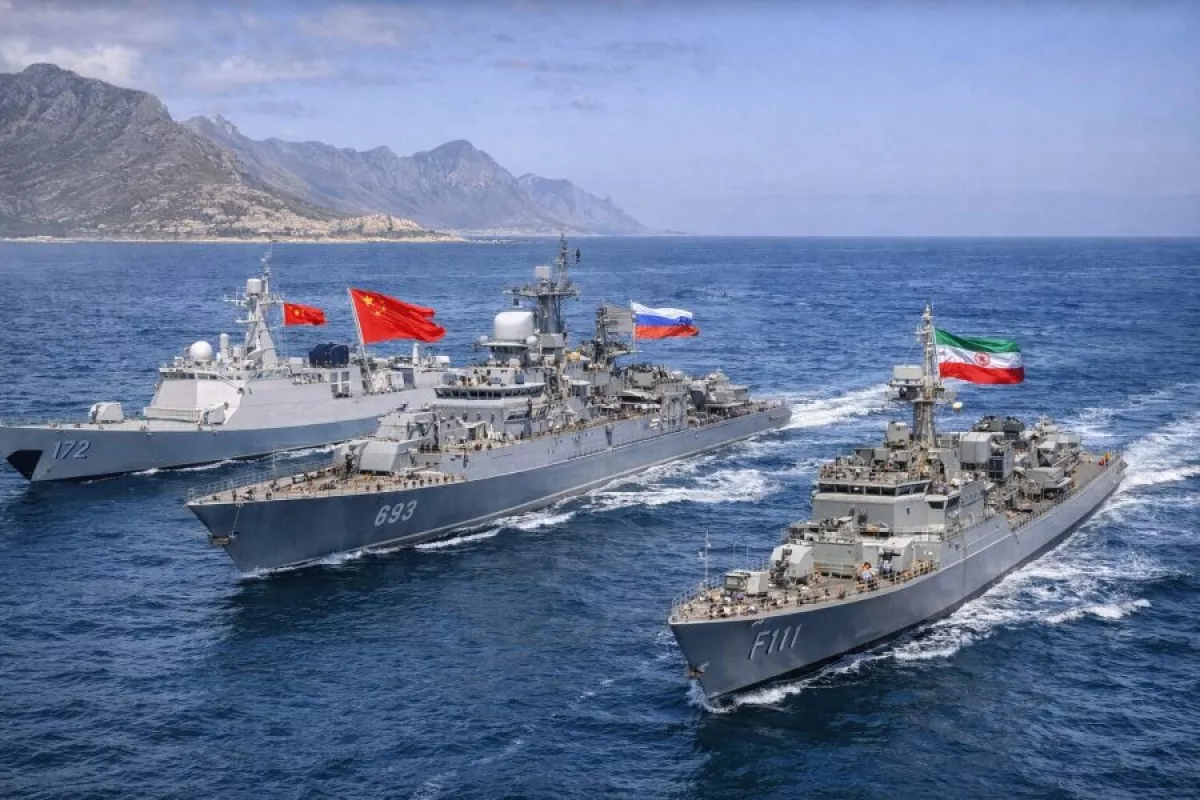
China's far-reaching naval ambitions have also become a major point of contention. New Delhi is particularly concerned by Beijing's Maritime Silk Road initiative, under which China seeks to expand its presence in the Indian Ocean, where it regularly conducts the Maritime Security Belt naval exercises together with Iran and Russia. Broadly speaking, this Chinese strategy serves as a response to India's "Necklace of Diamonds" concept—a geopolitical and maritime strategy aimed at protecting India's trade interests and containing China's influence. Nevertheless, Indian authorities appear entirely unfazed by this reciprocal dynamic.
As for China-Japan relations, they are at their most strained level in decades, resembling a "cold conflict" fueled by virtually every major source of tension: the Taiwan issue, historical grievances, territorial disputes, and mutual trade restrictions.
Against this backdrop, the primary foundation of the strategic rapprochement between Tokyo and New Delhi is their shared desire to create a counterweight to China's steadily growing influence. Built upon this foundation is a broader framework of mutual interests: for Japan, the need to diversify supply chains and expand markets for its investments; for India, access to Japanese technology, including defense-related technologies.
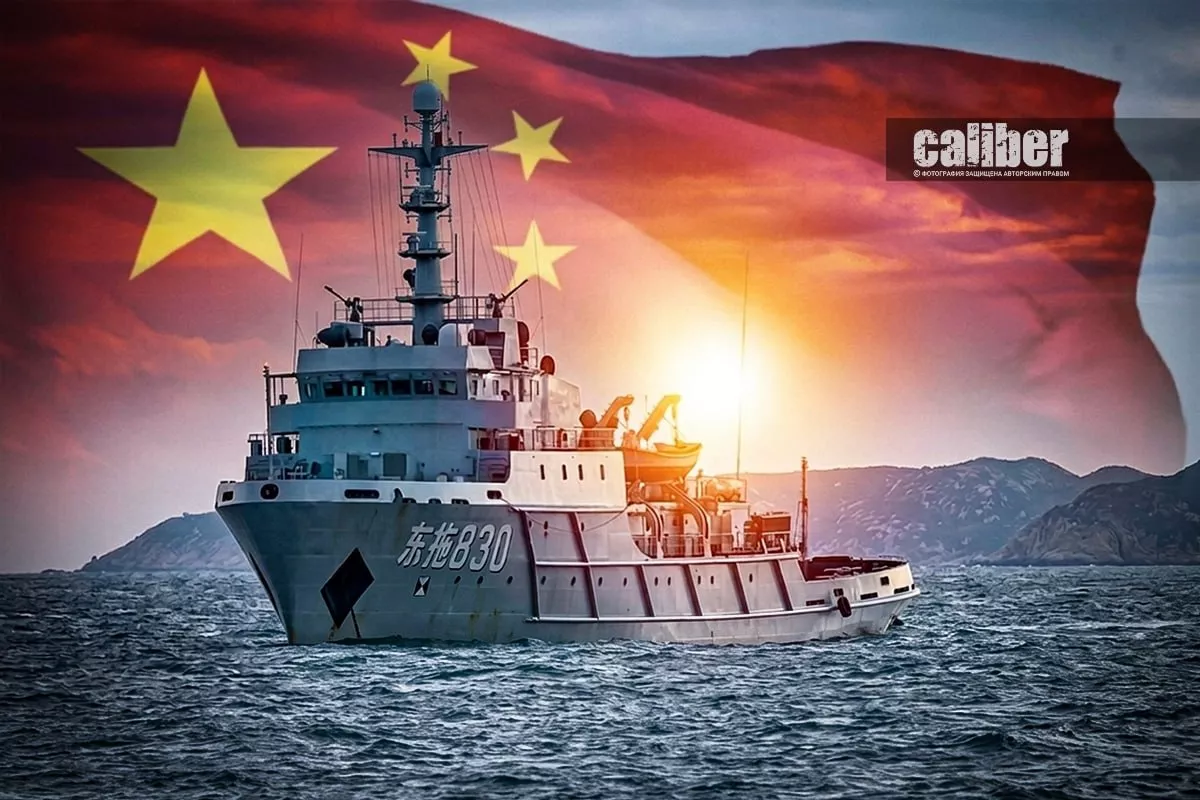
This certainly did not escape Beijing's attention. In response, China's Ministry of Foreign Affairs issued a statement emphasizing that "such cooperation should not target any third party or harm the interests of any third party, still less be used as an excuse to patch up exclusive small groupings and stoke division and confrontation."
In other words, China is once again employing its traditional soft power approach, diplomatically signaling to its geopolitical rivals that it will not stand idly by while a new anti-China axis aimed at undermining its interests takes shape. Instead, Beijing intends to keep the situation under control by leveraging a range of instruments of influence, including its dominant position in the global rare earths market, which enables it to impose export restrictions, as well as by strengthening ties with India's neighbors—primarily Pakistan through the China–Pakistan Economic Corridor (CPEC). At the same time, China has skillfully kept India on an "economic hook" by encouraging New Delhi to expand bilateral trade, effectively making the country increasingly dependent on the Chinese market. Total bilateral trade has already surpassed $151 billion annually.
Based on the above, it can be concluded that, thanks to its well-calibrated state strategy, China will not only preserve its position in the increasingly contested Indo-Pacific region despite the strategic objectives of Tokyo and New Delhi, but will also continue to keep Modi's Bharat firmly tied to China through deep trade interdependence.







 editor@caliber.az
 +994 55 444-88-98
 Азербайджан, Баку, ул. Низами, 203, Af Business House, 5-й этаж