










Azerbaijan’s status and a turbulent Iran Caliber.Az weekly review
The Caliber.Az editorial team presents the latest episode of the programme “Events” with Murad Abiyev.
Azerbaijan
President of Azerbaijan, Ilham Aliyev, gave his traditional interview to local television channels. As usual, the head of state summed up the past year and outlined the main directions of regional and international developments.
One of the key points President Aliyev repeated in various forms several times is that international law is in deep crisis. To quote him literally, “there is no such thing as international law in today's world”, having been replaced by the law of strength.
The simple conclusion from this, he implies, is that Azerbaijan must strengthen its sovereignty and armed forces. It is no coincidence that President Aliyev devoted significant attention to the improvement of the Azerbaijani army. He also mentioned an interesting geopolitical aspect:
"Many alarming developments have occurred in our region involving Azerbaijan, and, let me put it diplomatically, unrelated to Armenia. We emerged from all these difficult ordeals with dignity, without compromising our conscience, first and foremost, or our dignity," Aliyev said, adding: "To achieve all this, we need a combat-ready army."
In other words, the president communicated to the public that the Azerbaijani army has become a deterrent not only for Armenia but also for other states in the region. Clearly, the scale of transformation in the country is very significant.
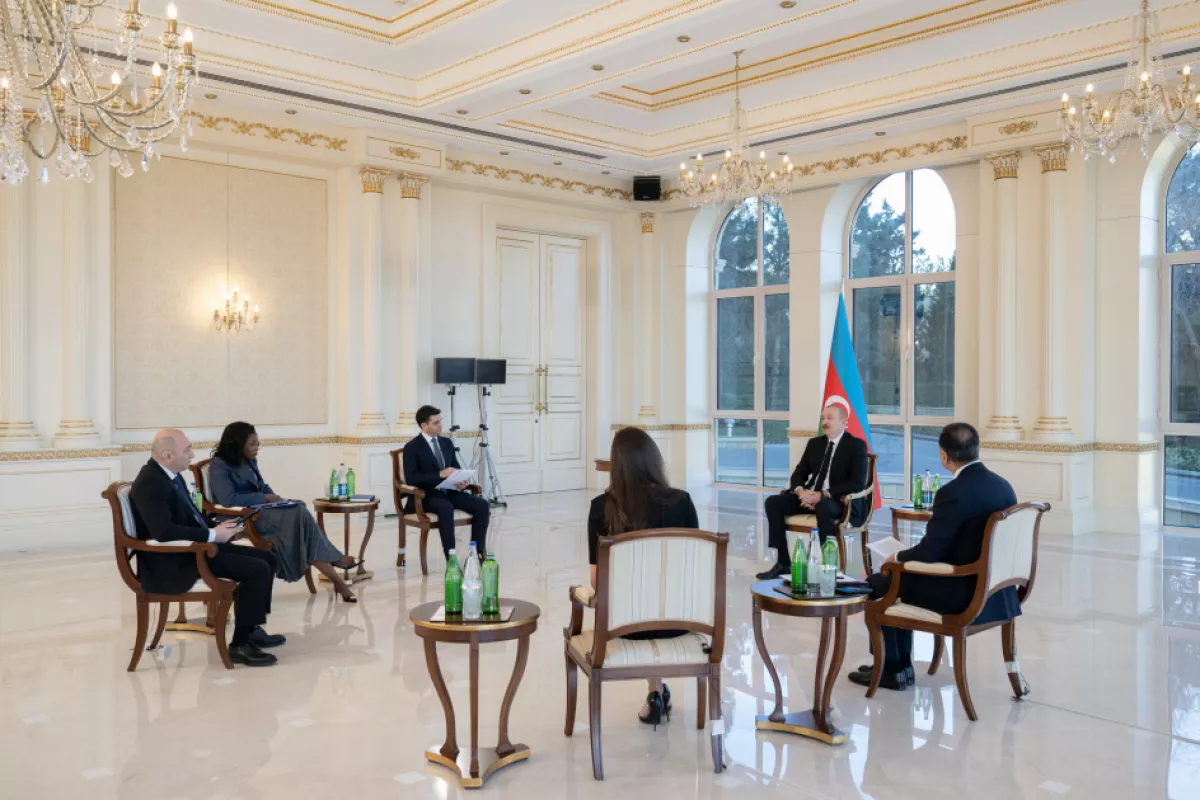
The need to be fully armed was also reflected in the president’s remarks on security and military cooperation in the context of Turkic unity. It was at this point that the president stated that international law no longer exists, emphasising the need not only to be strong but also to stand together. In this context, he once again mentioned his proposal to hold joint military exercises in Azerbaijan involving member states of the Organisation of Turkic States. Aliyev stressed that this is about cooperation in the military sphere, not the creation of a military alliance.
A significant portion of the conversation focused on Azerbaijani–American relations and prospects for development in economic, technological, and defence-industrial fields. The president sharply criticised the previous U.S. administration for its biased policy towards the South Caucasus and praised Donald Trump’s pragmatic, results-oriented approach. Aliyev highlighted both the importance of Trump’s mediation efforts, which yielded tangible results in August 2025, and the U.S. president’s decision to freeze the notorious Section 907 of the Freedom Support Act.
President Ilham Aliyev called 2025 a historic year, noting that, from a political perspective, it marked the end of the war between Armenia and Azerbaijan, and that “we have been living in peace for several months now.” Notably, one indicator of this peace is the fact that, last week, a second shipment of petroleum products was sent from Azerbaijan to Armenia.
Iran
Protests continue in Iran, which first erupted at the end of December. The driving force behind the current unrest has been middle-tier merchants—the so-called bazari—who have been severely affected by economic upheavals such as the collapse of the local currency, rising fuel prices, and the broader energy crisis.
As of now, the unrest has spread to 20 provinces. However, despite its scale, there are no critical signs that the ruling regime might collapse. A major drawback for the protest movement is the absence not only of a prominent leader but also of any clearly organised opposition with a coherent political programme.
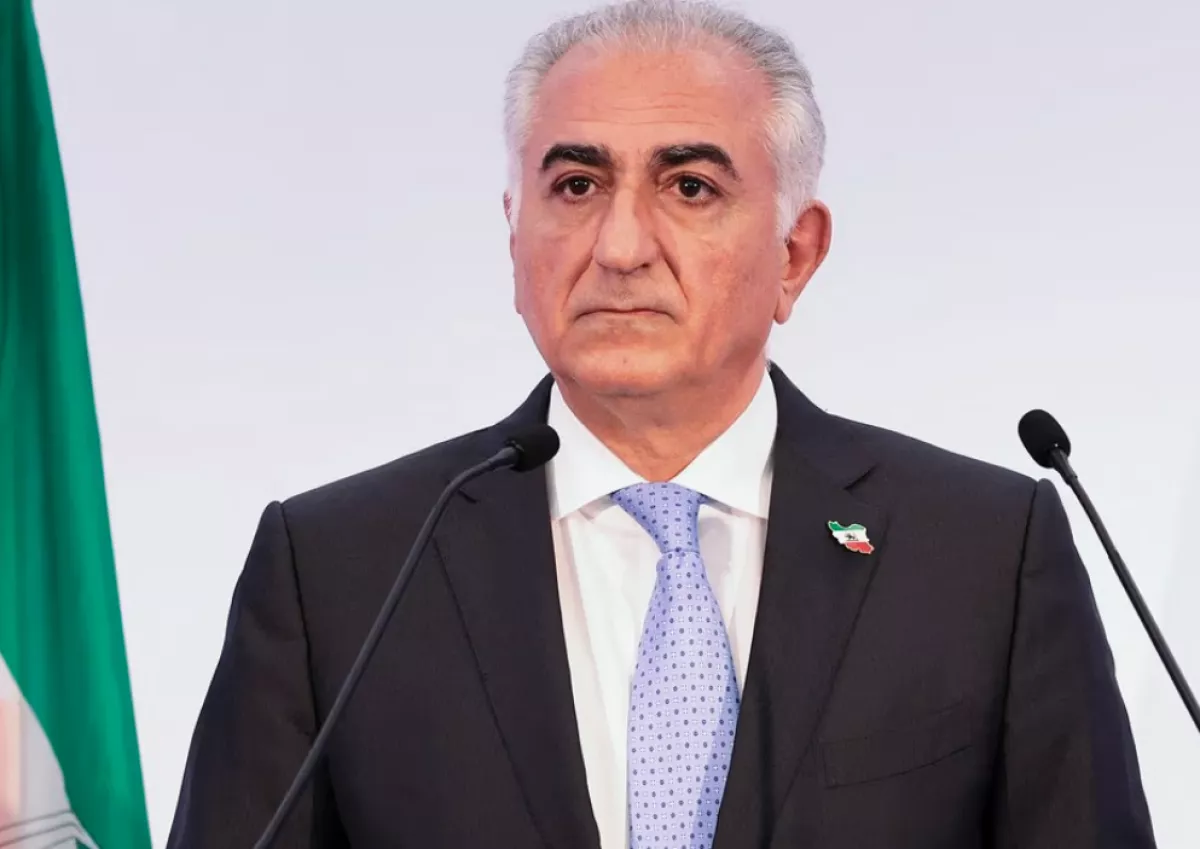
The U.S. and Israel are trying to present Reza Pahlavi, the son of the deposed shah, as a leader for the Iranian people. Online, one can see protesters chanting his name and writing it on fences. However, contrary to Washington and Tel Aviv’s hopes, this support is far from widespread.
First, despite widespread frustration with the theocratic regime, monarchist ideas are not particularly popular among Iranians. Opposition to the Pahlavi family is especially strong among southern Azerbaijanis, who view any attempt to restore the shah’s rule as a direct threat of state-backed Persian chauvinism.
Second, Reza Pahlavi damaged his own credibility last summer by supporting Israel’s attack on Iran — precisely at a time when, over those twelve days of external threat, the Iranian people had shown solidarity with their government.
Third, leading a revolution from abroad is hardly feasible. Is Reza Pahlavi really prepared to parachute into Tehran and take to the streets, risking his so-called “royal person” under the sights of a sniper hidden in a nearby window? Such a scenario appears highly unlikely.
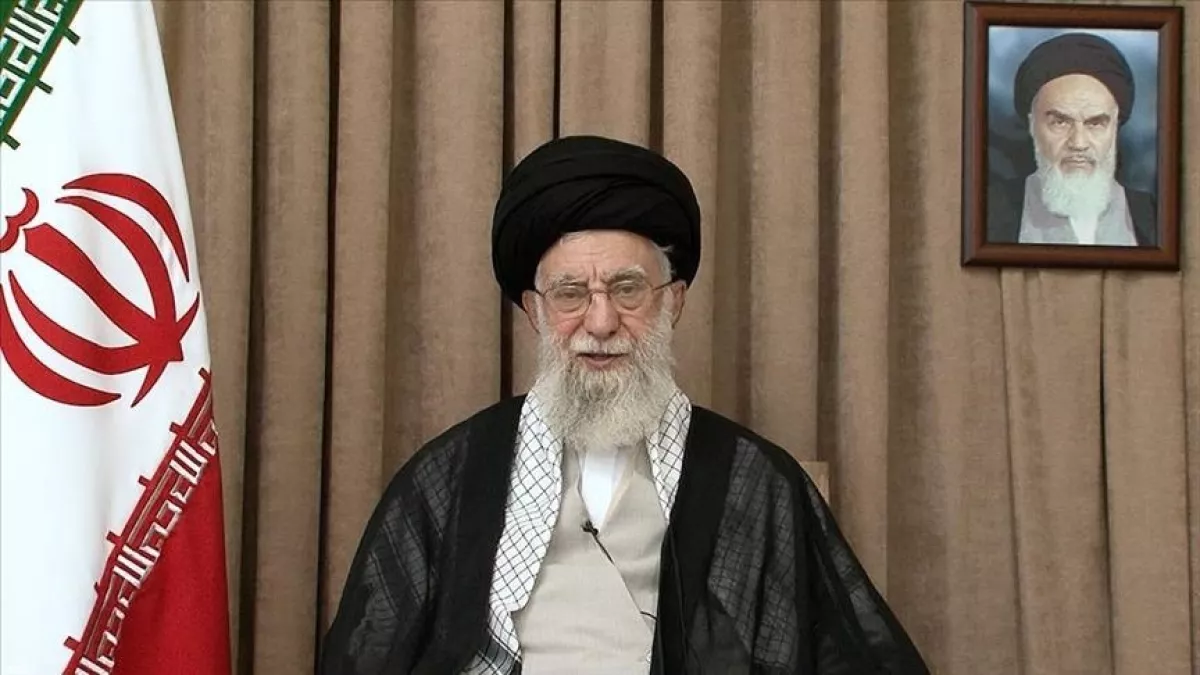
Moreover, the split within Iran’s elite has not yet reached a point where any faction openly supports the popular protests. This suggests that discussions among the elites may be moving toward some form of consensus. Significant developments regarding a potential transition of power in Tehran could emerge soon. In such a scenario, Ali Khamenei’s departure might be perceived by protesters as a direct outcome of their actions, potentially calming the unrest. The exact reshuffling of the ruling elite—how power will be divided among the clergy, the Islamic Revolutionary Guard Corps (IRGC), and the so-called reformers—will likely become clearer in the near future.
At the same time, popular protests remain inherently unpredictable. There is still a possibility that unforeseen events could trigger an irreversible escalation, potentially leading to the collapse of Iran’s ruling regime.







 editor@caliber.az
 +994 55 444-88-98
 Азербайджан, Баку, ул. Низами, 203, Af Business House, 5-й этаж