










Baku and Warsaw: from trade to investment Analysis by Khazar Akhundov
In recent years, Azerbaijan has been diversifying the geography of its trade relations, actively exploring the large markets of Eastern and Southern Europe. Alongside the gas component, the country has been expanding its non-oil exports as well. In this regard, Azerbaijani-Polish trade and economic relations hold significant potential: the energy dimension plays a considerably smaller role here, while there is a growing trend toward cooperation in non-oil sectors, finance, and investment. Opportunities for developing these areas are periodically discussed within business forums, intergovernmental commission meetings, and other platforms. The issue was also raised during the recent visit of Azerbaijani Foreign Minister Jeyhun Bayramov to Poland.
Over the past five years, the global economy has been continuously challenged by a series of crises: high volatility in energy, commodity, and food markets, along with periodic disruptions in the transport sector, has intensified imported inflationary pressures and recession risks. All these factors have contributed to the fragmentation of the global economic system, posing a real threat to the security of many developing countries.
To minimise the impact of external shocks, Azerbaijan has accelerated efforts in recent years to reform its domestic agricultural and industrial sectors. The key objective of these reforms is to increase the production of non-oil goods both to meet domestic import-substitution needs and to expand export opportunities.
To achieve these goals, the efforts of the government and the Azerbaijan Export and Investment Promotion Agency (AZPROMO) have been focused on diversifying trade and economic partnerships across several priority geographical areas. By expanding trade missions and participation in exhibitions, as well as establishing national trade and wine houses abroad, Azerbaijan has significantly strengthened its position in the markets of the Middle East, North Africa, and China in recent years. In addition, expanding supplies to the markets of Eastern and Southern Europe represents a promising opportunity for Azerbaijani agricultural and industrial enterprises.
In this regard, Azerbaijani-Polish business relations deserve particular attention. They are unique in that, despite the relatively limited role of the oil and gas component, bilateral trade has been growing dynamically for many years, with this positive trend continuing even during periods of global crises. A major step toward expanding trade turnover was the opening of the Azerbaijan Trade House in Warsaw in 2018. Later, in 2020, agreements were reached to establish systematic supplies of Azerbaijani food products and wine products to the Polish retail chain Carrefour in several cities across the country.
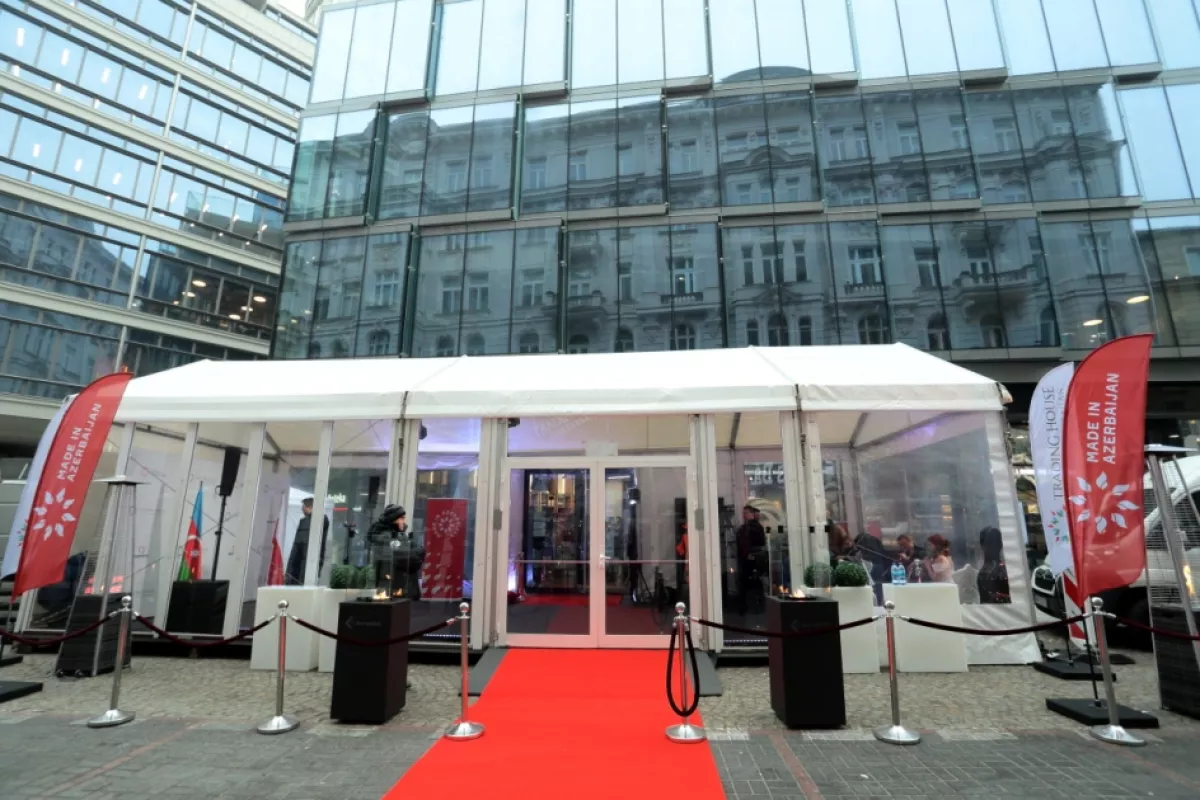
As a result, the Polish market is now considered one of the most promising and capacious markets in the EU for the sale of Azerbaijani agricultural goods and food products. At the same time, Azerbaijan’s Trade House in Warsaw has become a hub promoting products under the Made in Azerbaijan brand in neighbouring EU countries. The structure of Azerbaijan’s exports to Poland also includes construction materials, aluminium products, power cables, and colored sheet glass.
In 2022, trade turnover between Azerbaijan and Poland amounted to $141 million. In 2023, it increased to $161.3 million and, demonstrating a steady growth trend, exceeded $222 million in 2024. However, amid the overall decline in Azerbaijan’s foreign trade last year, Azerbaijani-Polish commercial ties were also affected: bilateral trade turnover in 2025 amounted to slightly more than $161.758 million.
In order to reinvigorate bilateral trade and economic relations, a number of intergovernmental meetings and forums were held at the end of last year.
At the same time, an important driver of the development of business ties is the Intergovernmental Commission on Trade and Economic Cooperation, which has been operating since 2006. Its latest meeting was held in Warsaw in October last year.
In 2026, the development of the Azerbaijani-Polish business agenda was discussed during a recent meeting between Azerbaijani Foreign Minister Jeyhun Bayramov and Poland’s Deputy Prime Minister and Foreign Minister Radosław Sikorski on the sidelines of the Ukraine Recovery Conference (URC2026) in Gdańsk.
“Both sides welcomed the positive momentum in the development of relations between Azerbaijan and Poland, emphasising the importance of regular political dialogue and high-level contacts for further strengthening bilateral ties. The talks paid particular attention to expanding economic and humanitarian cooperation, increasing trade volumes, and boosting investment,” the Azerbaijani Foreign Ministry said in a statement at the time.
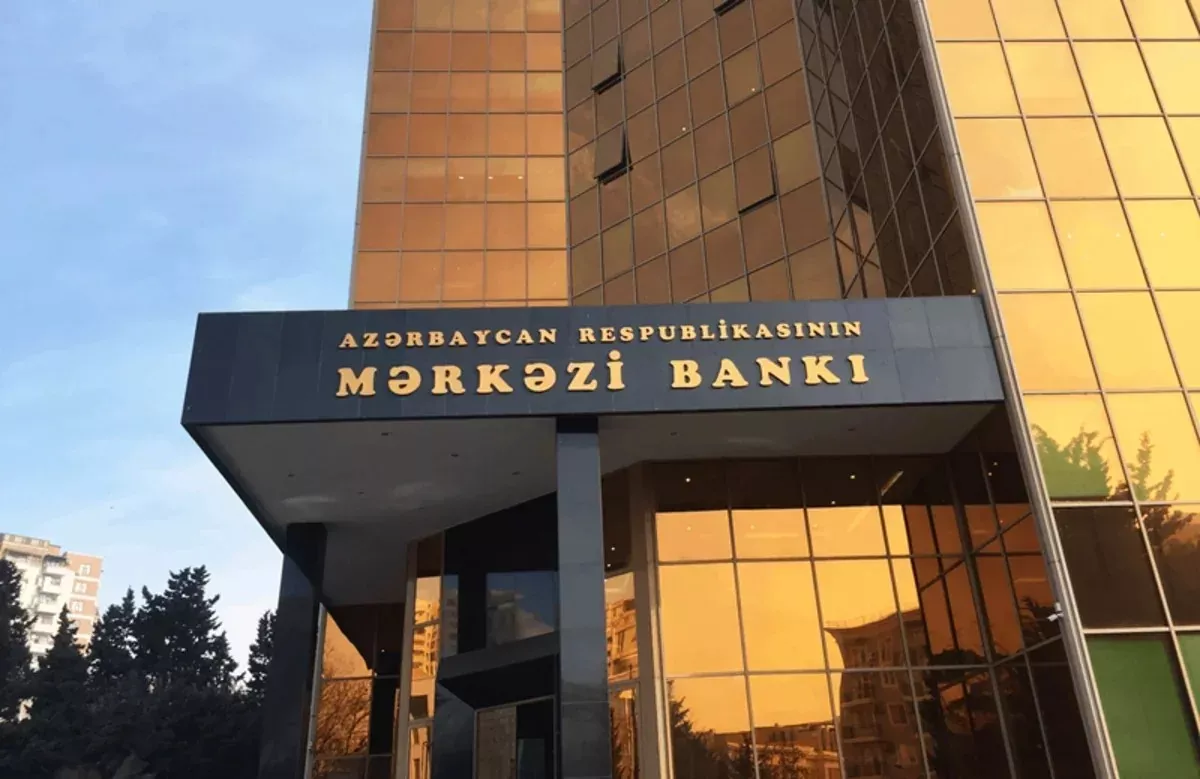
The above message clearly reflects Azerbaijan’s intention to expand cooperation with Polish businesses in the investment sphere and to develop joint projects in agriculture, industry, the financial sector, and other areas. As a result of comprehensive efforts in this direction, according to recent data from the Central Bank of Azerbaijan, Poland’s direct investment in the Azerbaijani economy amounted to $2.399 million in the first quarter of 2026, several times higher than the figure recorded during the same period of the previous year.
It is worth noting that the interest of Polish companies in Azerbaijan’s market has increased significantly in recent years. Polish suppliers of hard cheeses, sausages and confectionery products, frozen and fresh fruits and vegetables, baby food, pharmaceutical goods, and cosmetics have achieved notable success. Polish companies also supply Azerbaijan with agricultural machinery, refrigeration equipment, diesel engines, and equipment for the industrial, construction, and medical sectors, among other products.
At the same time, entrepreneurs from the two countries are negotiating joint initiatives to establish innovative storage facilities for “green” perishable products and meat-processing enterprises. In addition, Warsaw has assisted Baku in adapting to the EU’s Common Agricultural Policy, including the registration of farms, the development of a system for identifying agricultural animals, the advancement of specialised education, and other areas.
Overall, 21 Polish companies are currently operating in Azerbaijan in the services, trade, and industrial sectors. Since 2022, the joint V4-Azerbaijan Tech Bridge program has been implemented to support the development of high-tech startups. In recent years, positive momentum has also emerged in the growth of mutual tourist flows.
Notably, in order to support trade financing and expand opportunities for entrepreneurs from both countries to implement joint production projects, Baku and Warsaw are working to strengthen bilateral banking ties. In November last year, at the 9th International Banking Forum (IBF 2025) in the Azerbaijani capital, Executive Vice President of the Polish Bank Association Włodzimierz Kiciński highlighted the promising intensification of contacts between the banking institutions of Azerbaijan and Poland.
“We believe that Azerbaijani banks are quite modern, very active, and play an important role in increasing investment in the national economy. This largely aligns with the objectives of the Polish Bank Association and Polish banks. We see many common grounds and are confident that cooperation between our associations will be fruitful and has a bright future,” he emphasised.
According to him, one of the most promising areas of cooperation is the exchange of best practices in cybersecurity and the development of payment systems.
Meanwhile, in an interview with Azerbaijani media, President of the Polish Bank Association Tadeusz Białek noted that another study visit by a group of Azerbaijani bankers to Poland is planned for this year, which will also contribute to closer cooperation in this area. According to the head of the Polish Bank Association, the goodwill and mutual respect between the two peoples create favourable conditions for the further development of economic cooperation between Baku and Warsaw.







 editor@caliber.az
 +994 55 444-88-98
 Азербайджан, Баку, ул. Низами, 203, Af Business House, 5-й этаж