










Breaking the ice Wang Yi concludes Nordic tour
Chinese Foreign Minister Wang Yi has concluded a tour of Denmark, Sweden, Finland, and Norway, marking one of Beijing's most significant diplomatic initiatives in Europe this year.
Against the backdrop of persistent disagreements between China and the European Union over trade, security, and the war in Ukraine, Chinese diplomacy has sought to restore stable mechanisms of engagement with the Nordic countries.
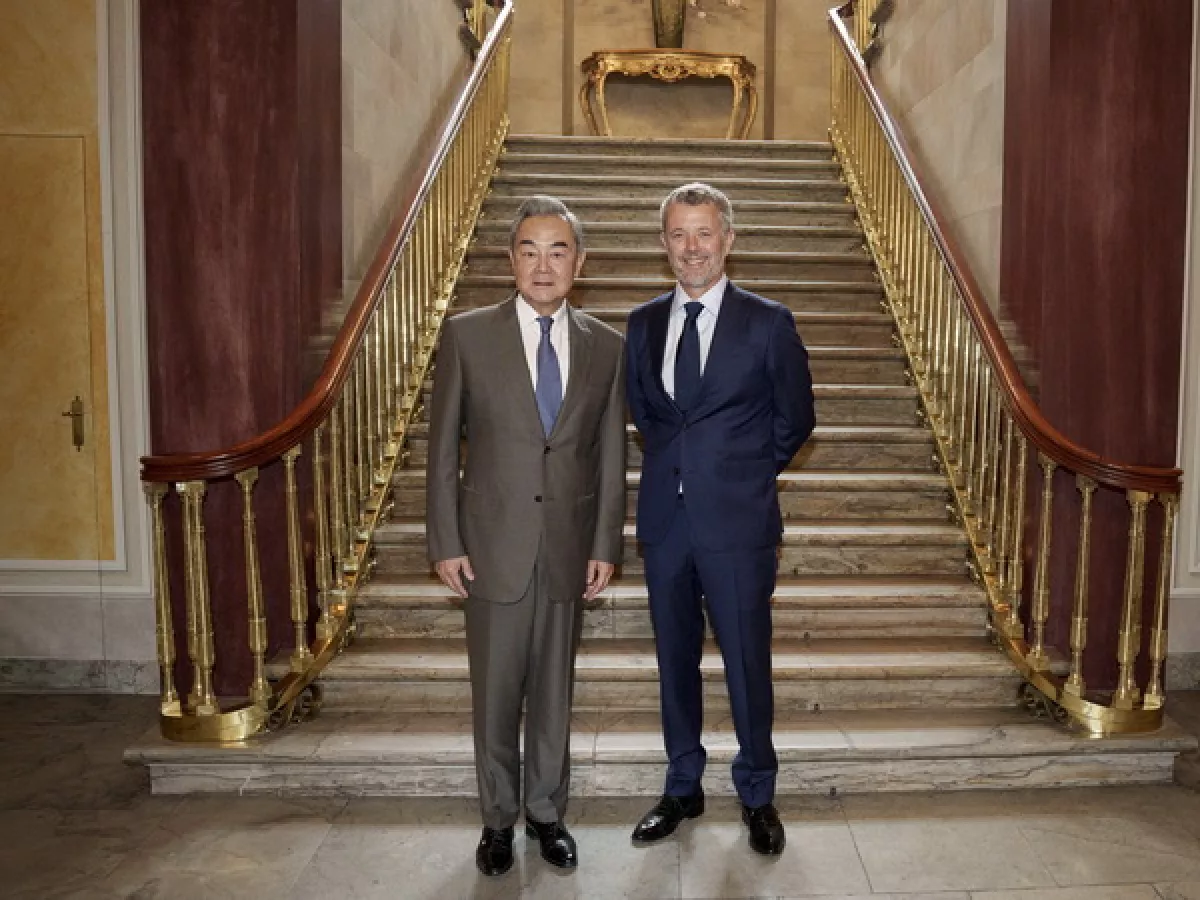
According to the Chinese side, the tour achieved its primary objective: in all four capitals, the parties reaffirmed their commitment to expanding bilateral partnerships and identified new avenues for practical cooperation.
In Denmark, the central outcome was the reaffirmation of the commitment to advancing the comprehensive strategic partnership. The two sides agreed to accelerate preparations for a new bilateral cooperation framework following the expiration of the current Green Joint Work Programme (2023–2026).
Particular emphasis will be placed on green development, the environmental transformation of industry, shipping, the maritime economy, healthcare, and scientific research. For China, Denmark remains one of its key European partners in environmental technologies, as well as an important participant in discussions on Arctic affairs and international shipping.
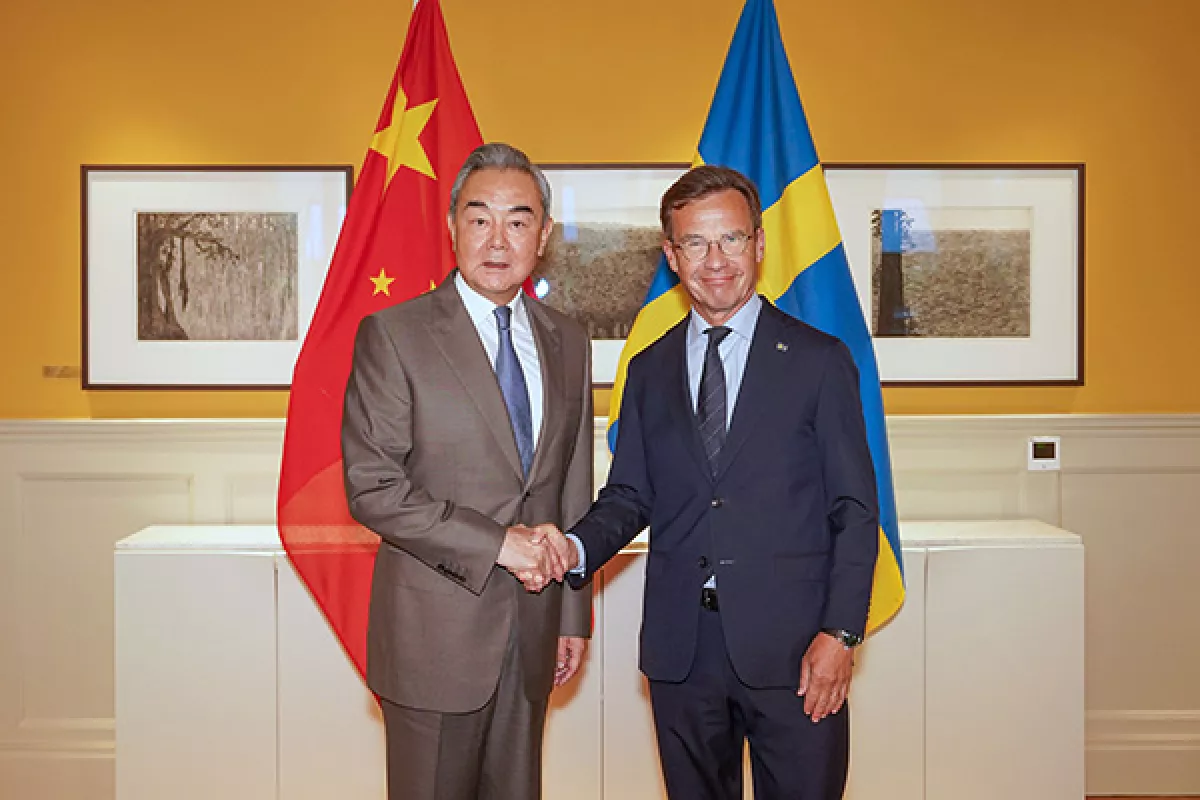
The centrepiece of the tour was Wang Yi's visit to Sweden—the first by a Chinese foreign minister in many years. It was China’s relationship with Stockholm that had experienced the deepest crisis among the Nordic countries.
The deterioration stemmed from the arrest and subsequent conviction of Swedish publisher and Chinese-born writer Gui Minhai, Sweden's criticism of China's human rights record, the exclusion of Huawei from the country's 5G network rollout, the closure of all Confucius Institutes in Sweden, and increasingly critical assessments of Chinese activities by Swedish intelligence services. As a result, high-level political contacts all but ceased, and bilateral relations were effectively frozen.
Against this backdrop, the most significant outcome of the talks was the creation of conditions for addressing the accumulated differences. China and Sweden agreed to establish a mechanism for regular political consultations at the deputy foreign minister level, expand contacts between their foreign ministries, and strengthen cooperation in trade, investment, consular affairs, and people-to-people exchanges. In essence, the two sides have begun rebuilding the institutional foundations of their relationship after several years of diplomatic stagnation.
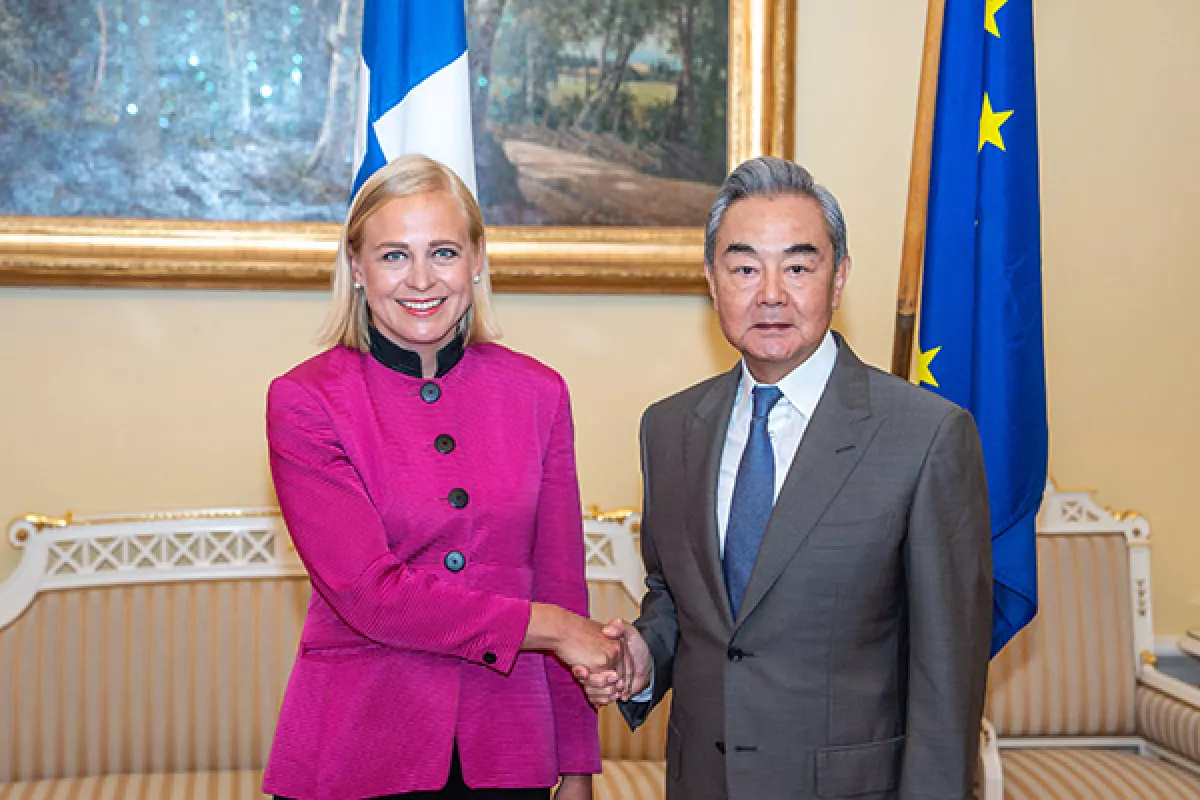
The talks in Finland confirmed both sides' determination to preserve cooperation in the most promising and least politicised areas. Their principal outcome was the reaffirmation of a commitment to implementing a joint five-year cooperation program focused on low-carbon development, innovation, and technological collaboration.
The final leg of the tour took place in Norway, where, alongside discussions on international issues, particular emphasis was placed on expanding practical cooperation. The two sides reaffirmed their intention to maintain regular high-level contacts, step up cooperation under the existing bilateral Green Transition Dialogue, and welcomed the positive impact of China's previously introduced 15-day visa-free policy for Norwegian citizens, which has contributed to increased business ties and people-to-people exchanges.
The war in Ukraine was also discussed during the visit. The Norwegian side urged China to make greater use of its influence over Moscow to facilitate a peaceful settlement, while Beijing maintained its longstanding position, emphasising the need for political dialogue rather than altering its approach.

Taken as a whole, the tour's most significant achievement was not the signing of major commercial agreements but the restoration of political momentum in China's relations with the Nordic countries. Beijing reinforced its strategic partnership with Denmark, helped bring relations with Sweden out of years of diplomatic stagnation, reaffirmed its commitment to technological cooperation with Finland, and expanded practical engagement with Norway.
At the same time, China succeeded in shifting its dialogue with the Nordic countries away from mutual grievances toward discussions of concrete areas of cooperation. The tour also provided Beijing with an opportunity to reiterate its opposition to economic decoupling and growing trade protectionism in its exchanges with European partners.
The visit, of course, did not resolve the fundamental differences between the two sides. The Nordic countries maintained their critical positions on security, human rights, and the Russia–Ukraine war. Nevertheless, the willingness to sustain regular political dialogue despite these disagreements has emerged as the tour's most important diplomatic accomplishment.
In this sense, Wang Yi's Nordic tour can be viewed as a successful effort by Beijing to stabilise its relations with one of Europe's most technologically advanced and politically influential regions.







 editor@caliber.az
 +994 55 444-88-98
 Азербайджан, Баку, ул. Низами, 203, Af Business House, 5-й этаж