










Does the Vatican still have influence in Spain? Leo XIV’s test in a secular age
Pope Leo XIV has concluded his apostolic journey to Spain — the first papal visit to the country in fifteen years. During the trip, the pontiff visited Madrid, Barcelona, and the Canary Islands, met with political leaders, presided over large public masses, and delivered a series of programmatic speeches. His main themes were social cohesion, migration, and the crisis of trust affecting European societies.
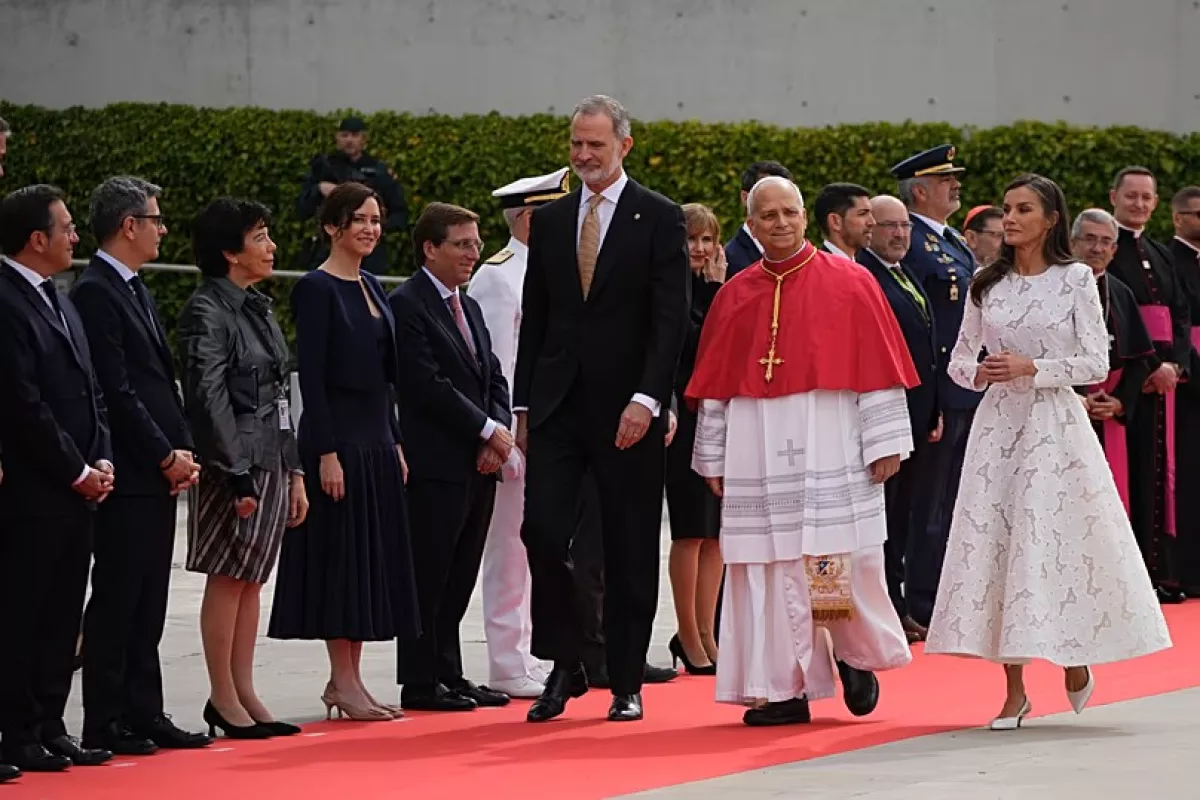
Leo XIV called for an end to political polarisation, urged policymakers to strike a balance between humanitarian principles and security concerns in migration policy, and stressed the importance of preserving Europe's Christian heritage as a foundation for social solidarity. Yet it soon became clear that the significance of the visit extended far beyond these messages. In many ways, the journey evolved into a test of the relationship between the Catholic Church and one of Europe's most secularised nations.
For centuries, Spain was regarded as one of the strongest bastions of Catholicism in Europe. It was therefore hardly surprising that Leo XIV chose the country for one of his first major foreign visits. Modern Spain, however, bears little resemblance to the nation that only a few decades ago was widely viewed as the model of Catholic Europe.
Against this backdrop, Barcelona occupied a prominent place in the papal itinerary. The blessing of the central tower of the Sagrada Família became one of the most powerful symbolic moments of the trip. The completion of the basilica's key architectural element nearly a century and a half after construction began was widely seen as a reminder of the Christian roots of European civilisation and its ability to preserve continuity across generations.
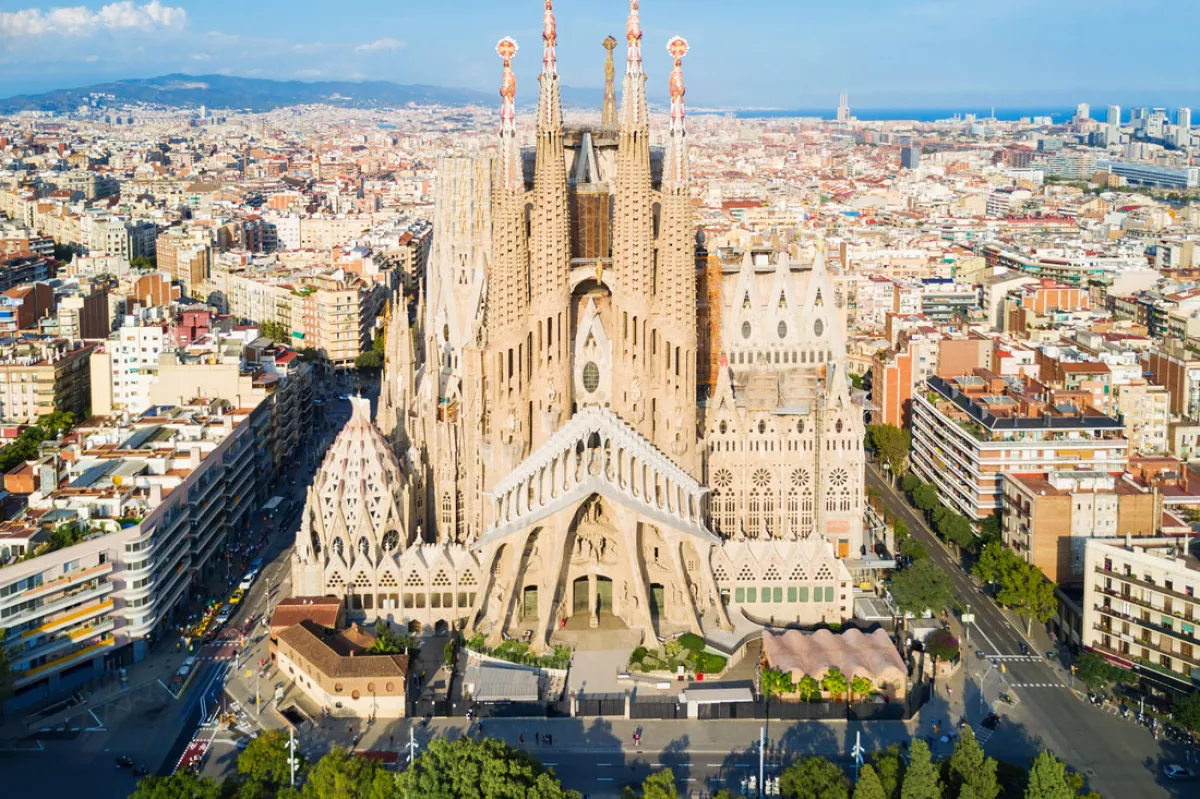
However, it was the Barcelona leg of the visit that most clearly highlighted the central challenge facing the Catholic Church in Spain today. For many local residents, Antoni Gaudí is first and foremost a national and cultural symbol. His work is closely associated with Catalan Modernism, the region's economic flourishing, and the emergence of a distinct Catalan identity. From this perspective, the Sagrada Família is regarded far more as an outstanding architectural and cultural landmark than as a religious site.
Against this backdrop, the debate surrounding Gaudí's possible canonisation has provoked mixed reactions. While many believers view it as a natural recognition of the architect's spiritual legacy, part of Spain's secular-minded public sees it as an attempt to reclaim, under the Church's authority, a figure who has long become part of the shared heritage of Catalan culture. This, to a large extent, helps explain the negative reaction of some segments of society to the pontiff's visit to Barcelona.
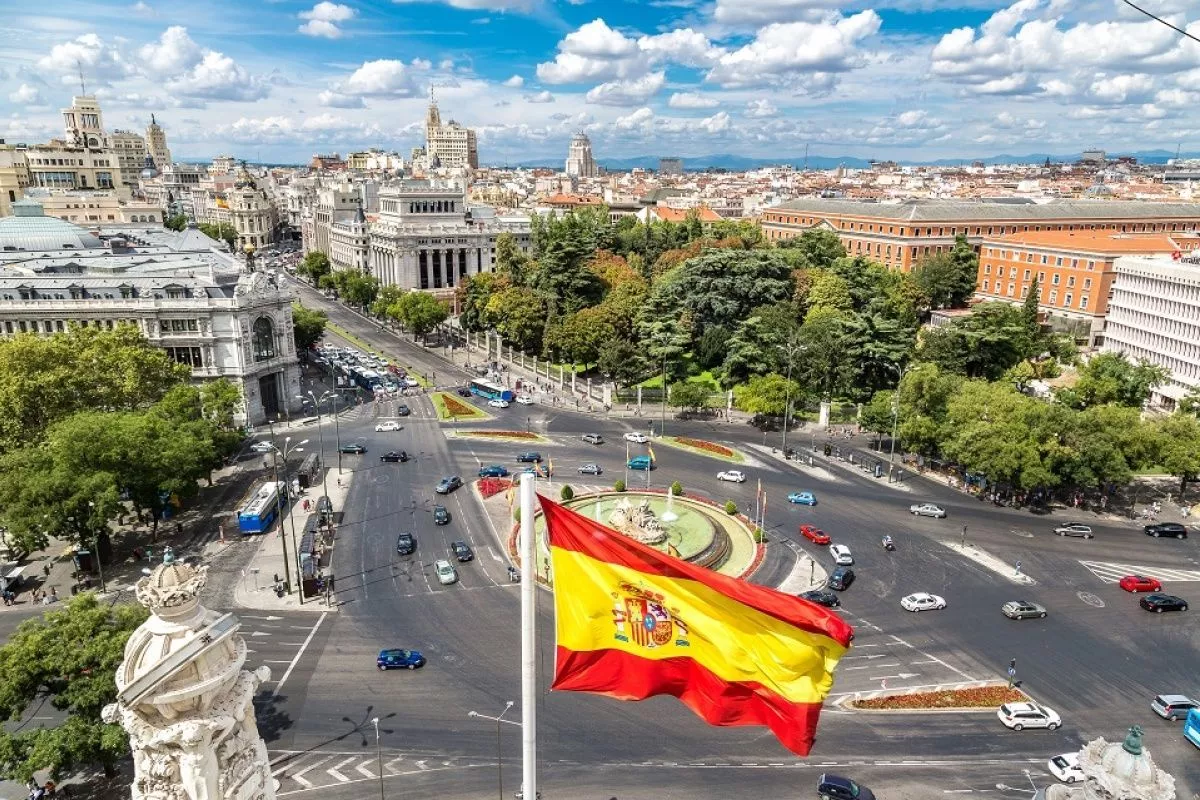
These debates reflect deeper transformations taking place within Spanish society. Today, roughly half of the country's population still identifies as religious, yet the number of regularly practising Catholics is significantly lower and continues to decline. By comparison, during the second half of the twentieth century, Catholic identity was effectively the national norm.
The reasons behind this trend extend far beyond ordinary secularisation. Many Spaniards continue to associate the Catholic Church with the legacy of the era of Francisco Franco. During the dictatorship, the Church was closely integrated into the state apparatus and widely regarded as one of its ideological pillars. Following Spain's transition to democracy, abandoning religious practice became, for many, a symbol of personal liberation and a break with the past.
The Church's reputation was further damaged by numerous scandals involving the sexual abuse of minors by Catholic clergy and attempts to conceal such crimes. As a result, the issue is no longer simply one of declining religiosity; it has evolved into a broader crisis of trust in the Church as an institution.
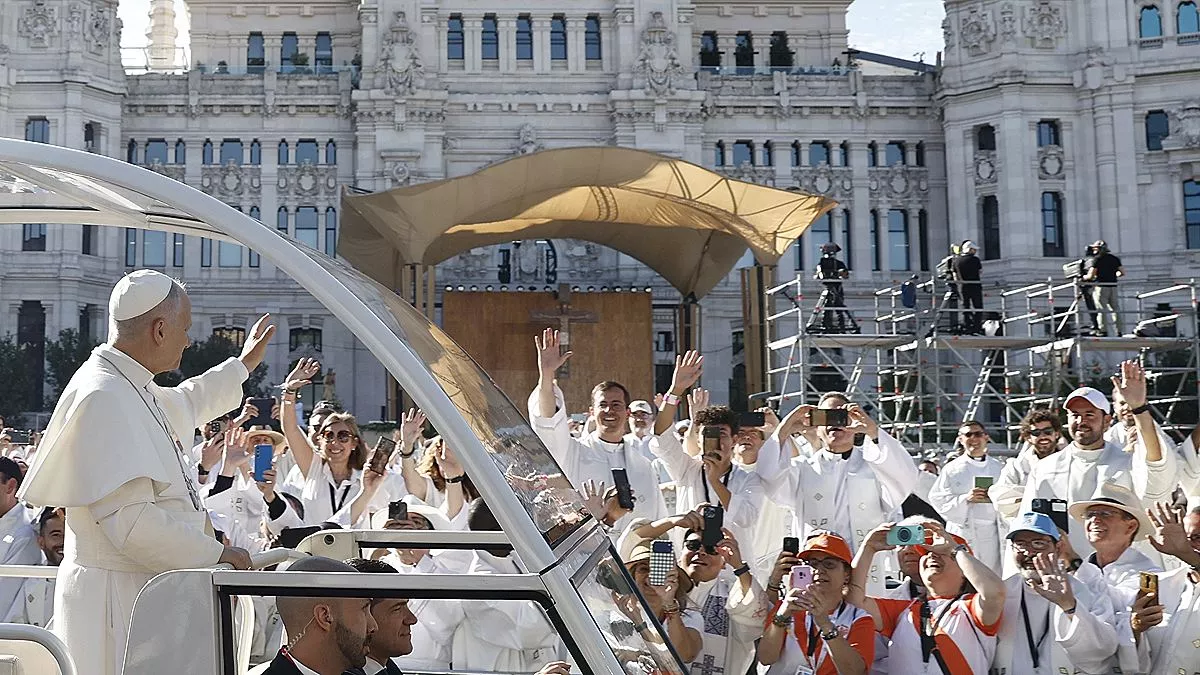
It is in this context that Leo XIV's entire visit to Spain should be understood. His journey was not about reinforcing the Church's position in a traditionally Catholic country, but rather about rebuilding a dialogue with a society that has become far more secular, critical, and politically diverse over recent decades.
This also helps explain the pontiff's cautious approach to issues such as migration, social cohesion, and public policy. Leo XIV sought to present the Church as an open social force capable of engaging with contemporary European society on its own terms. By all appearances, this strategy achieved a measure of success. The Pope's main Mass in Madrid attracted more than one million participants, making it one of the largest religious gatherings held in Europe in recent years.
Yet this fact alone does not justify conclusions about a resurgence of religiosity among Spaniards. A significant proportion of those attending were pilgrims from abroad, particularly from Latin America, where Catholicism continues to enjoy far stronger support than it does in modern Spain.
For the Vatican, it is not only the size of the audience that matters, but also its composition. The answer to the question of who exactly gathered in Madrid’s main square — Spaniards or predominantly foreign pilgrims — can reveal much both about the outcome of the visit itself and about the future prospects of Catholicism in Western Europe.
Leo XIV demonstrated a readiness for dialogue with secular society and took a number of steps towards meeting its expectations. However, it remains unclear whether this is sufficient to restore the Church’s influence in countries where religion has long ceased to be the foundation of public life.
And the answer to this question is important far beyond Spain. If Leo XIV’s strategy proves successful here, it could become a model for the Catholic Church’s relationship with secular society across Western Europe. That is precisely why the question raised in the title remains open: does the Vatican still have influence in Spain today, or does Spain already belong to another era and a different set of values?







 editor@caliber.az
 +994 55 444-88-98
 Азербайджан, Баку, ул. Низами, 203, Af Business House, 5-й этаж