










Energy truce without “rose-coloured glasses” A “gentlemen’s agreement” between Washington, Moscow, and Kyiv
These days will be remembered by the people of Ukraine for a message that brought both hope for a respite and anxiety about the future. The issue concerns an energy truce, made possible after the U.S. president asked Russian President Vladimir Putin to halt attacks on Kyiv and other cities for a week due to extreme cold.
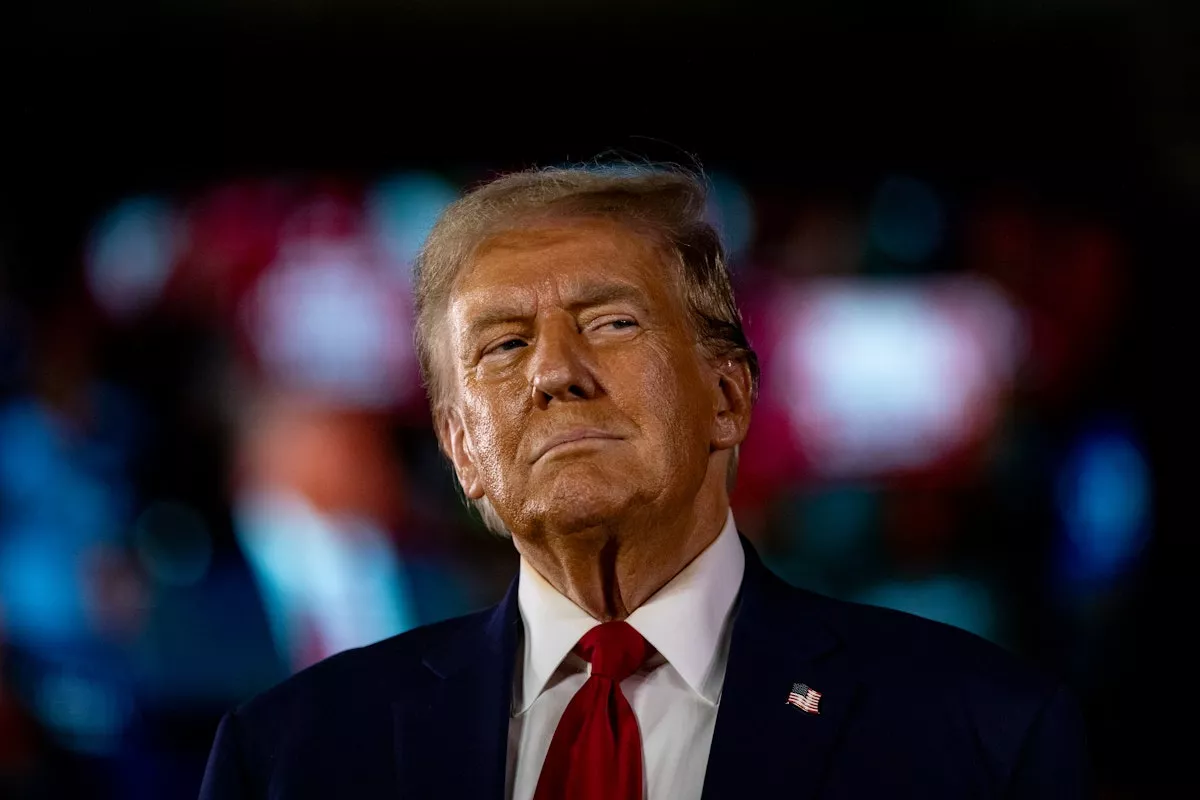
“I personally asked President Putin not to fire into Kyiv and the various towns for a week, and he agreed to do that,” said Donald Trump. Shortly thereafter, Ukrainian President Volodymyr Zelenskyy confirmed that an agreement had been reached with Russia to temporarily suspend strikes on energy infrastructure, adding that negotiations on this matter had taken place in Abu Dhabi (UAE).
Several points in this development are noteworthy. The first is that even before the official statements, Russian and Ukrainian war correspondents reported that orders had been received by the armed forces to halt mutual strikes on energy facilities. Z-blogger Vladimir Romanov wrote that the Russian Armed Forces were prohibited from targeting infrastructure across Ukraine from 7 a.m. until February 3. The Ukrainian channel Supernova+ confirmed a similar directive for the Armed Forces of Ukraine — not to strike Russian energy infrastructure.
The second point is that many informed sources close to the Presidential Office and bloggers denied this information. While this can be explained by distrust, it also reflects disbelief that such a development was even possible.

As a reminder, in the spring of 2025, a 30-day moratorium on strikes against energy infrastructure was already in effect, introduced after negotiations between Donald Trump and Vladimir Putin. That truce was later violated, with Ukraine and Russia accusing each other. The same could happen again at any moment.
The New York Times, citing an “adviser to the Ukrainian president’s office” who spoke on condition of anonymity because they were not authorised to speak publicly, reported that the agreements on the energy truce are a “gentlemen’s agreement” — in other words, concluded verbally, without any binding documents being signed. Of course, this is just a media report, even if published in a major U.S. outlet, and no one can say for certain how it came about—or, more importantly, how events will unfold going forward.
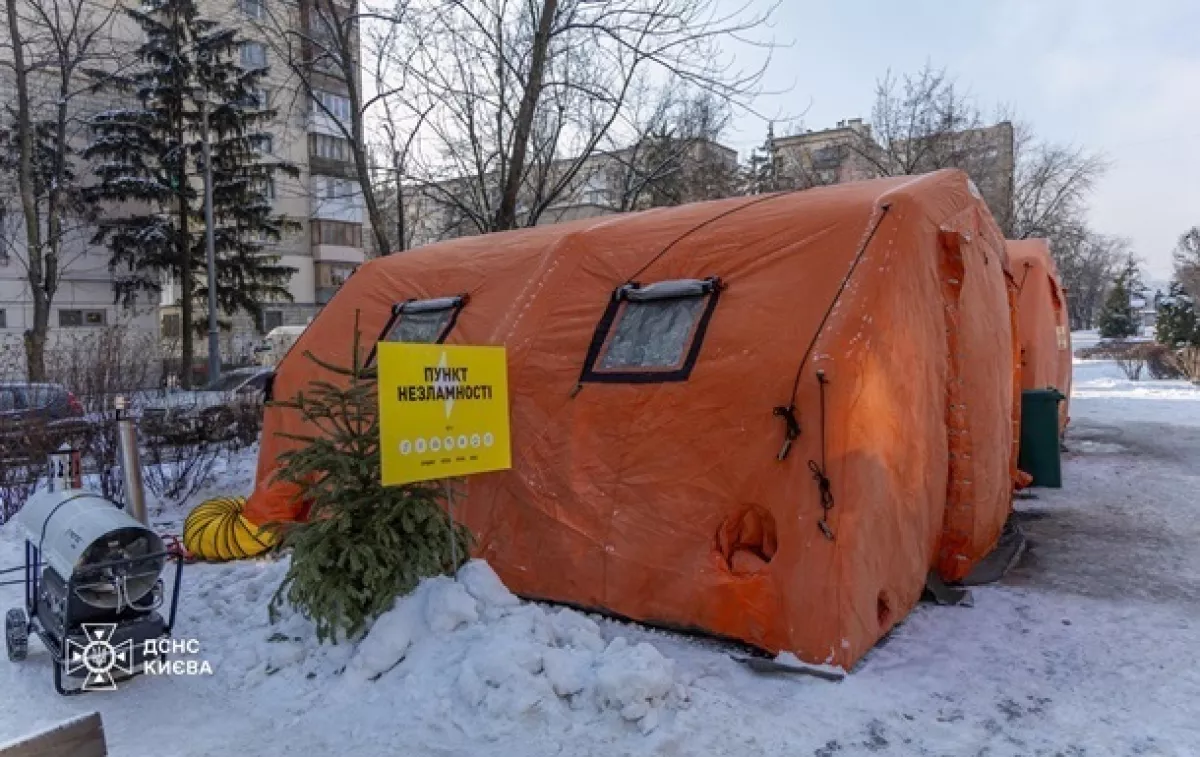
However, one thing is absolutely clear: after February 3, Russia, having stockpiled missiles and drones, could carry out new strikes on Kyiv and other Ukrainian cities. Lviv Mayor Andriy Sadovyi has urged residents to prepare for emergencies: stock up on water, food, and medicine, charge portable devices, check shelters, and even avoid draining water from radiators in case of temporary heating outages, to prevent permanent damage to the system.
Meanwhile, Kyiv Mayor Vitali Klitschko reported that 454 apartment buildings remain without heat, most of them in the Troieshchyna district. Electricity is being supplied for only 6–8 hours per day, and the city is on the brink of a man-made disaster. This situation is alarming not only for the capital but for the entire country. The energy crisis is not just an inconvenience — it affects people, hospitals, transport, communications, and businesses struggling to survive.
All of this will not disappear during the period of the energy truce, nor will it vanish when it ends. The situation could worsen if the pessimistic scenario comes true and Russia launches new powerful missile and drone strikes on Ukrainian territory.
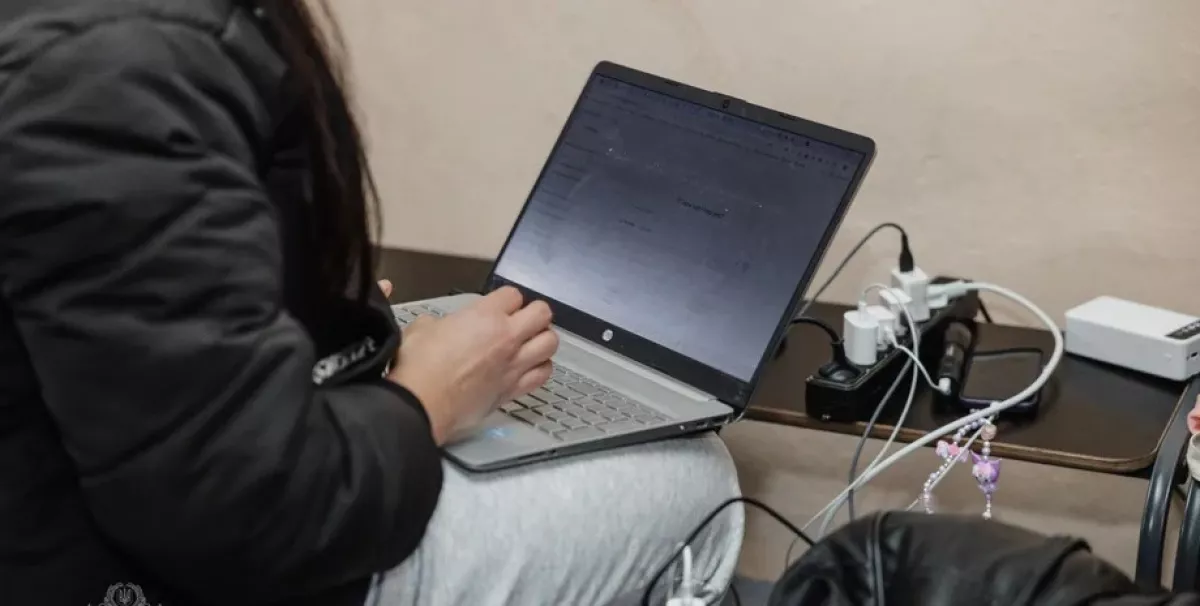
But humans are wired to always want to believe in the best, even when there are no logical grounds for it. In particular, after reports of an “energy truce,” Ukrainians began cancelling orders for energy equipment, as reported by Dnipropetrovsk Regional Council head Mykola Lukashuk.
“Yesterday, as soon as information about a possible energy truce appeared in Telegram channels, people began cancelling orders for power equipment. That’s what an entrepreneur selling power banks, EcoFlow devices, and small generators told me. In other words, just the mention of this topic makes people relax—but it doesn’t change the reality of the war.
That’s why we are operating according to the worst-case scenario. Appropriate instructions have been issued: all hospitals are checking their generators, fuel reserves are stocked for at least 2–3 days, and readiness is ensured in case of a blackout. ‘Rose-coloured glasses’ are unnecessary right now,” Lukashuk wrote on Facebook.
And, as sad as it may sound, it’s hard not to agree with him.







 editor@caliber.az
 +994 55 444-88-98
 Азербайджан, Баку, ул. Низами, 203, Af Business House, 5-й этаж