










From Islamic finance to halal economy: Baku brings together Global South Overview by Khazar Akhundov
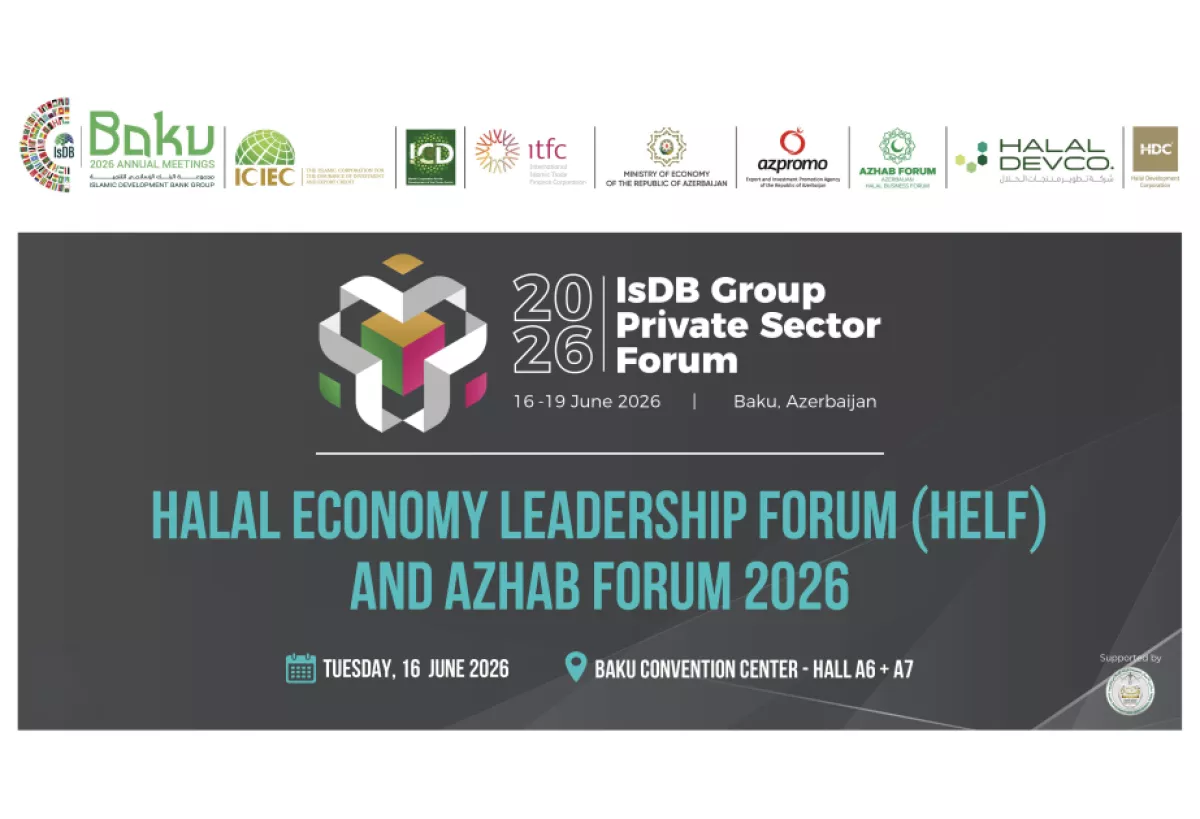
The annual meetings of the Islamic Development Bank Group (IsDB) began yesterday at the Baku Congress Center, held under the patronage of President of Azerbaijan Ilham Aliyev. From June 16 to 19, a series of high-level events is taking place, focusing on the prospects for the development of Islamic banking and the halal economy, as well as presenting the country’s investment potential.
In particular, on the first day, the 14th Private Sector Forum (PSF 2026) and the session “Youth Without Borders: Driving Shared Regional Prosperity” were held, dedicated to the role of youth in sustainable economic development and regional cooperation.
Azerbaijan became a full member of the IsDB in 1992, becoming the first post-Soviet country to join the organisation after restoring its state independence. Over the years, the country has also become a member of all other IsDB Group institutions, including the International Islamic Trade Finance Corporation (ITFC), the Islamic Corporation for the Development of the Private Sector (ICD), and the Islamic Corporation for the Insurance of Investment and Export Credit (ICIEC).
The Islamic Development Bank and IsDB Group institutions have supported Azerbaijan through financing for energy, water, transport, and other infrastructure projects, as well as by contributing to the development of agriculture, trade, private sector growth, and the strengthening of public institutions.
As of the end of 2025, the total volume of approved IsDB Group operations in Azerbaijan reached $1.8 billion, with more than $1 billion provided directly through the resources of the Islamic Development Bank. As IsDB President Muhammad Al Jasser noted recently, the country portfolio includes a total of 84 projects, 11 of which, worth $635.9 million, are currently under implementation.
At the same time, by strengthening its partnership with IsDB, Azerbaijan is contributing to the development of Islamic finance and the financing of joint programs, while also increasing its participation in the Bank’s capital, with the country’s share amounting to 0.13 per cent.
Now, for the second time in 16 years, Azerbaijan is hosting the flagship event of the IsDB Group, organised by the country’s Ministry of Economy. The forum has brought together policymakers, development experts, and financial sector leaders — more than 1,500 participants from 57 IsDB member states and other Global South countries — to discuss the future of Islamic finance and the sukuk market, the development of the halal industry, trade and transport connectivity, youth employment, climate resilience, digital transformation, artificial intelligence, and other key areas.
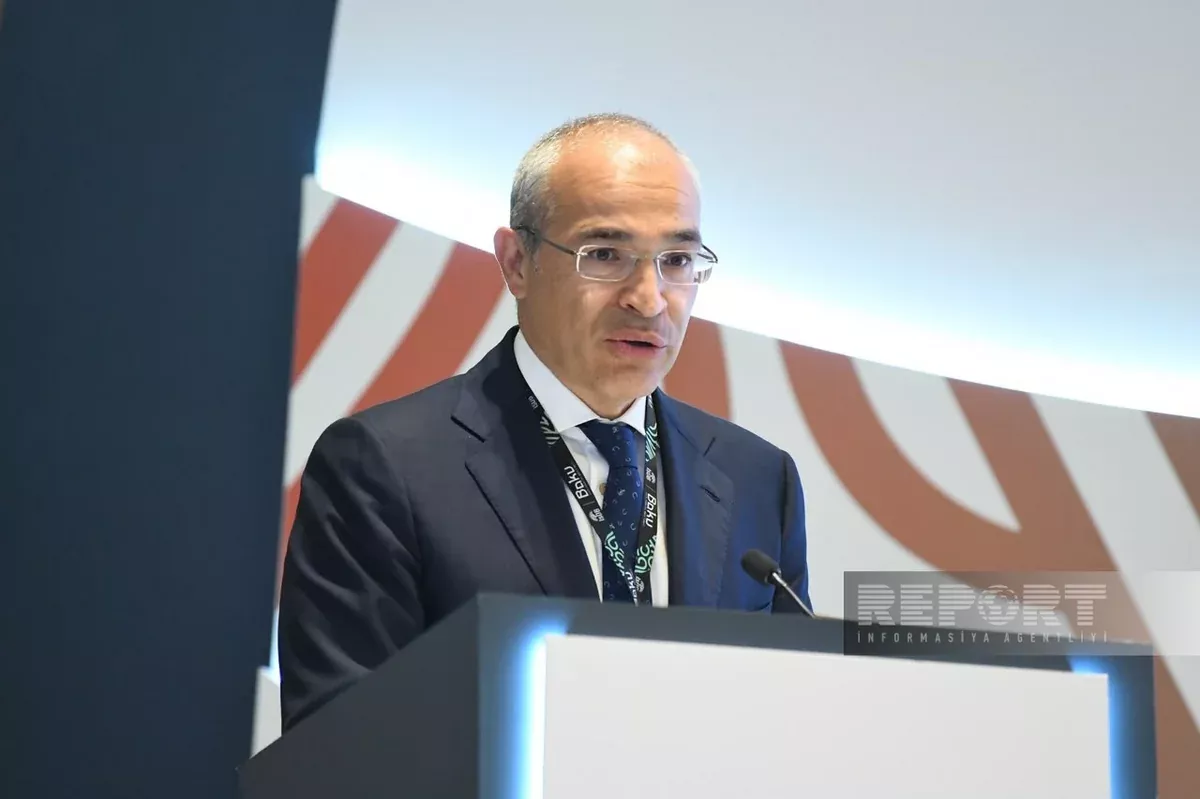
As Economy Minister Mikayil Jabbarov noted while addressing the 20th IsDB Global Forum on Islamic Finance on June 17, “Azerbaijan is ready to expand cooperation with the IsDB, member states of the organisation, and representatives of the private sector, offering international investors and businesses a favourable and reliable platform for the implementation of long-term projects.”
“We invite foreign companies and business associations to take a closer look at the opportunities Azerbaijan has to offer,” the economy minister said, adding that combining the country’s potential with the financial instruments and international network of the IsDB Group creates conditions for implementing projects that are both commercially viable and development-oriented.
Mikayil Jabbarov also highlighted the effectiveness of the negotiations being held in Baku, noting that more than 32 agreements and memorandums of understanding, with a total value exceeding $4.7 billion, are expected to be signed within the framework of the event.
The first day of the forum confirmed the minister’s remarks. In particular, the IsDB Board of Executive Directors approved a major financing package totaling $2.8 billion. More than $1 billion was allocated to Bangladesh for the modernisation of oil refineries, while financing was also approved for railway projects in Uganda and Türkiye, road construction initiatives in Tajikistan, power sector projects in Nigeria, Côte d’Ivoire, and Palestine, as well as agricultural projects in Gambia and Benin.
In this context, it is notable that Azerbaijan is also advancing mutually beneficial cooperation with the IsDB. In February 2026, the Bank’s Board of Executive Directors approved $436.67 million in financing for Azerbaijan aimed at improving agricultural productivity.
Meanwhile, during the Baku forum, the International Islamic Trade Finance Corporation (ITFC), an IsDB Group institution, expressed readiness to provide trade financing to small and medium-sized enterprises (SMEs) in Azerbaijan, including those operating in the Karabakh and East Zangezur economic regions. Notably, Azerbaijani businesses are already using ITFC financing instruments, including murabaha-based financing and other credit facilities, with their total volume reaching $93.4 million.
According to a new IsDB report on Azerbaijan, “Building on its long-standing cooperation with Azerbaijan, the ITFC stands ready to provide its trade financing support to small and medium-sized enterprises, particularly in the country’s liberated territories. The Corporation is also prepared to consider financing under a sovereign structure, with a tenor of up to three years, either directly with the relevant Ministry as beneficiary or through other entities, with a government guarantee. This financing could be implemented in close coordination with the Small and Medium Business Development Agency, to stimulate entrepreneurship and local economic activity.”
A promising area of cooperation between Azerbaijan and the IsDB Group is seen in the development of the halal food industry, as well as other segments of the halal economy, including pharmaceuticals, cosmetics, tourism, and Islamic finance.
According to Samer Elesawi, Head of the IsDB Center of Excellence in Kuala Lumpur and a participant in PSF 2026, the global halal products market is expected to approach $3 trillion in value within the next one to two years.
“The future of the halal economy will increasingly depend on digitalisation, mutual recognition of standards, the development of integrated logistics corridors, and the creation of sustainable regional value chains,” Elesawi said.
He also noted that IsDB member states possess significant potential for expanding trade, industrial cooperation, and investment ties. At the same time, the sector’s development continues to face challenges, including differences in certification systems, infrastructure constraints, and insufficient integration into global supply chains.
“Azerbaijan has considerable potential to develop regional halal value chains and attract new investment due to its economic diversification strategy,” Samer Elesawi emphasised. “The country’s well-developed transport connectivity with various regions of the world also creates favourable conditions for strengthening its position in the global halal economy.”
It is noteworthy that Azerbaijan’s food industry has also seen growing interest in the production of halal food products, driven over the past decade by demand from tourists visiting the country from Muslim-majority states. Another important factor is the export potential for domestic producers: in recent years, with the support of the Azerbaijan Export and Investment Promotion Agency (AZPROMO), local food products have been actively promoted in the markets of the Gulf countries, the Middle East, and North Africa, where demand for halal food remains strong.
In 2025, the Azerbaijan Standardisation Institute introduced a new four-category halal certification system, which was recognised by the Turkish Halal Accreditation Agency.
“Azerbaijan, located at the crossroads of Europe and Asia, views the development of the halal economy as a strategically important area of economic growth. In this regard, the country serves as a bridge connecting regional and global markets,” Orkhan Mammadov, Chairman of the Board of the Small and Medium Business Development Agency (KOBIA), said at PSF 2026. “Serving a market with billions of consumers worldwide, the halal economy offers significant opportunities for investment, entrepreneurship, trade, and innovation.”
He also noted that a key driver of the halal economy is Islamic finance, which is based on ethical principles, risk-sharing, and a connection to the real sector of the economy. Islamic finance can provide substantial support to halal businesses, particularly SMEs.
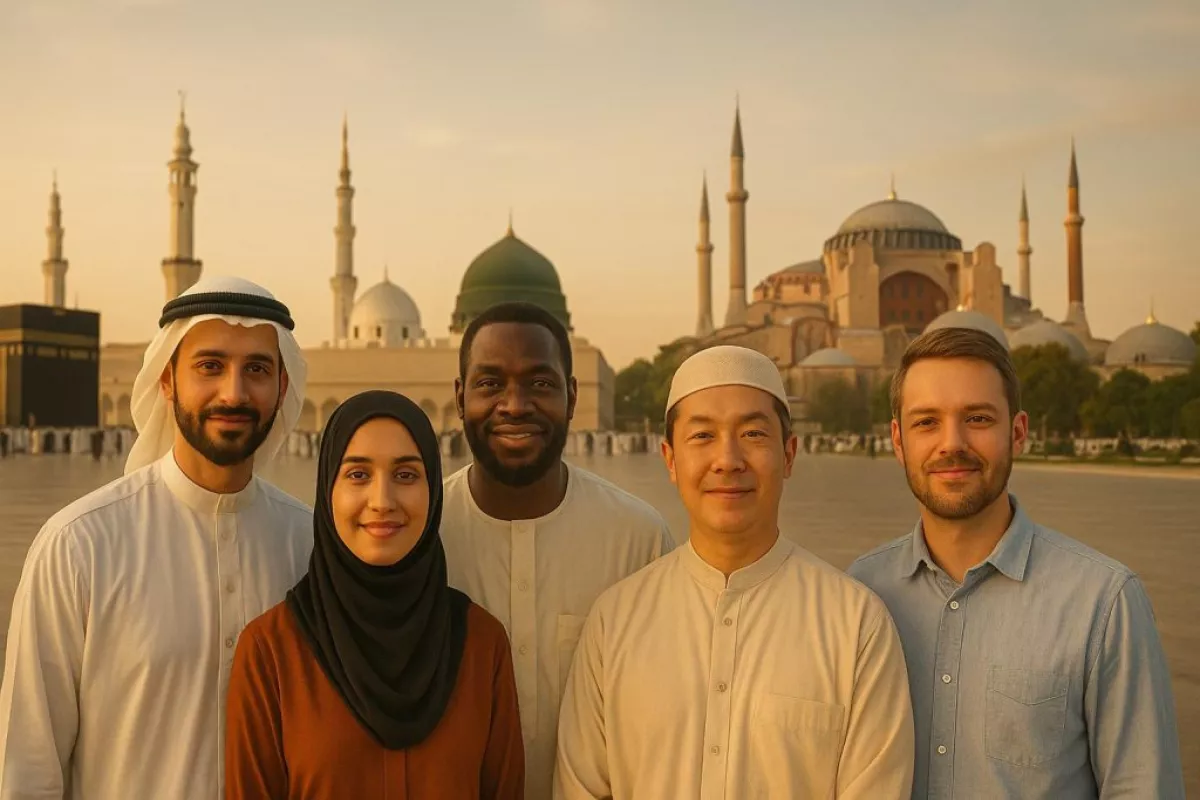
A key theme running through many of the discussions at the session “Youth Without Borders: Driving Shared Regional Prosperity” was the issue of unlocking the potential of younger generations in Islamic countries. In this regard, Idrissa Dia, Director of the Economic and Social Infrastructure Department at the IsDB, noted that “there are around 150 million young people in IsDB member states who remain excluded from economic development processes: they lack the opportunity to contribute to the progress of their countries, and this is a matter of concern.”
According to him, regional integration can become a transformative force, while cross-border trade expands opportunities for young entrepreneurs beyond national markets, and digitalisation further accelerates this trend. The IsDB department director emphasized that Azerbaijan is one of the most suitable locations for discussions on regional integration due to its infrastructure projects, including the Middle Corridor, the Baku International Sea Trade Port, and the Baku–Tbilisi–Kars railway line, which create new opportunities for young people.
“Cross-border trade enables young entrepreneurs to reach markets beyond their national borders, while digitalisation significantly accelerates this process: thanks to regional digital infrastructure, a young entrepreneur from Baku can serve customers in Almaty, Dakar, or Dhaka,” Idris Dia said.
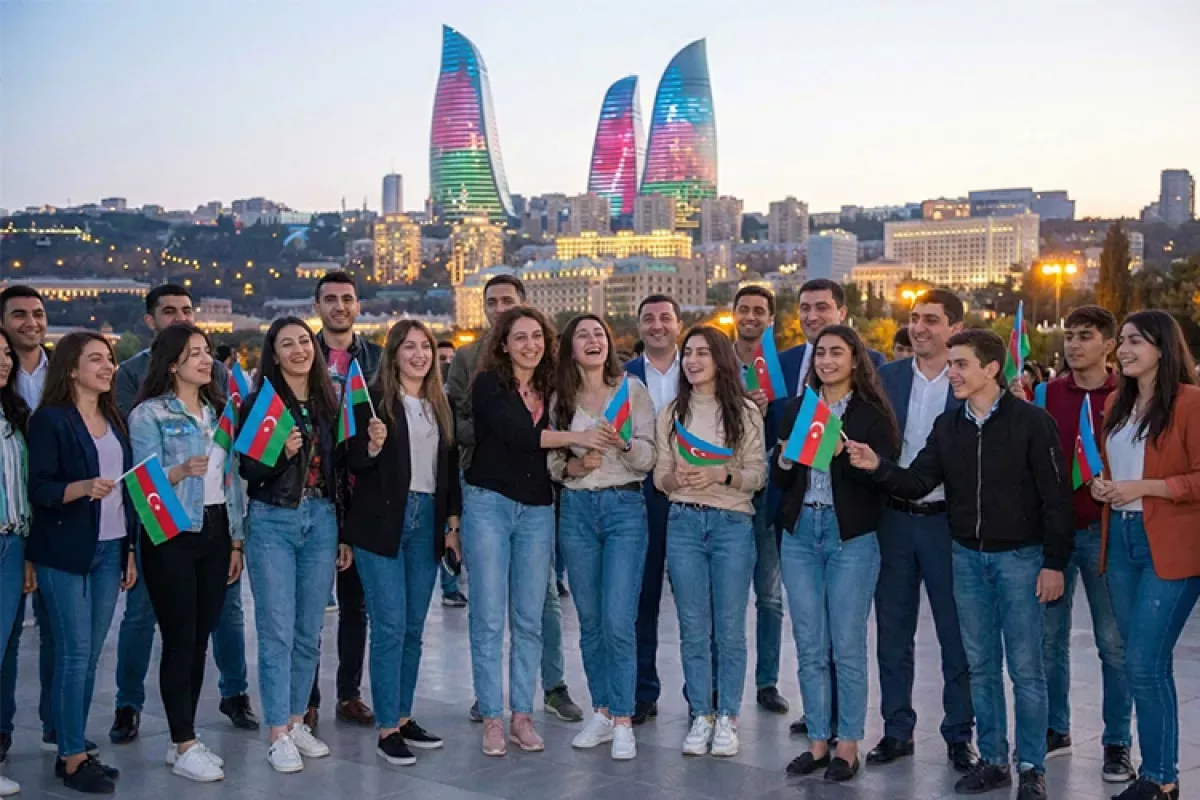
Meanwhile, First Deputy Finance Minister Anar Karimov, who participated in the forum, stated that “in Islam, education is not merely an economic investment. It is an investment directed toward human dignity, responsibility, and service to society. This is precisely why investing in youth in Azerbaijan essentially means investing in young entrepreneurs.”
He noted that over the past five years, approximately $2 billion has been allocated to youth education in Azerbaijan, including support provided to around 70,000 young people through various mechanisms via the Student Educational Loan Fund under the Ministry of Science and Education.
Thus, the initiatives presented and discussions held on the first day of the forum outlined the future directions of cooperation between Azerbaijan and the IsDB, as well as between Islamic countries more broadly, in areas of strategic importance.







 editor@caliber.az
 +994 55 444-88-98
 Азербайджан, Баку, ул. Низами, 203, Af Business House, 5-й этаж