










Georgia's potential role in brokering Azerbaijani-Armenian peace agreement A neighbour's platform is always a good idea
During the most recent visit to Georgia, upon the invitation of Prime Minister Irakli Garibashvili, President Ilham Aliyev highlighted the strategic partnership between Baku and Tbilisi, stating the importance of regional interconnectivity projects. President Aliyev's visit came amid heightened regional tensions and after the anti-terrorist operation conducted by the Azerbaijani Armed Forces in Karabakh to destroy the detachments of the illegal Armenian armed groups.
As a result of the one-day clashes, the de-facto separatist government agreed to surrender and disarm all illegal armed groups. As such, Azerbaijan declared a full victory and restored the sovereignty of internationally recognized borders.
Shortly after the anti-terror measures, Azerbaijani authorities hosted the representatives of Karabakh’s Armenian residents to discuss their reintegration. However, a voluntary exodus of ethnic Armenians ensued after the collapse of the illegal separatist regime. Despite Baku’s calls to stay and reintegrate, as well as pledges to guarantee all fundamental rights, a large portion of the Armenian residents voluntarily left for Armenia.
While the recent military actions significantly shifted the geopolitical realities in the region, Baku and Yerevan eye on renewing the peace talks to ink a final peace agreement. However, in the last few months, the Western partners’ anti-Azerbaijani stance and critical statements torpedoed the moderation process between Azerbaijan and Armenia and shattered the credibility. In this regard, Azerbaijan opted for a new neutral negotiation platform that could offer a comprehensive roadmap for the final resolution.
Therefore, the leaders of Georgia and Azerbaijan have put forward the idea of Georgia acting as a mediator and host of peace talks between Armenia and Azerbaijan. Current iterations of Armenia-Azerbaijan peace talks have been underway since early 2021 but have made little progress due chiefly to differences over the fate of the ethnic Armenian community of Karabakh.
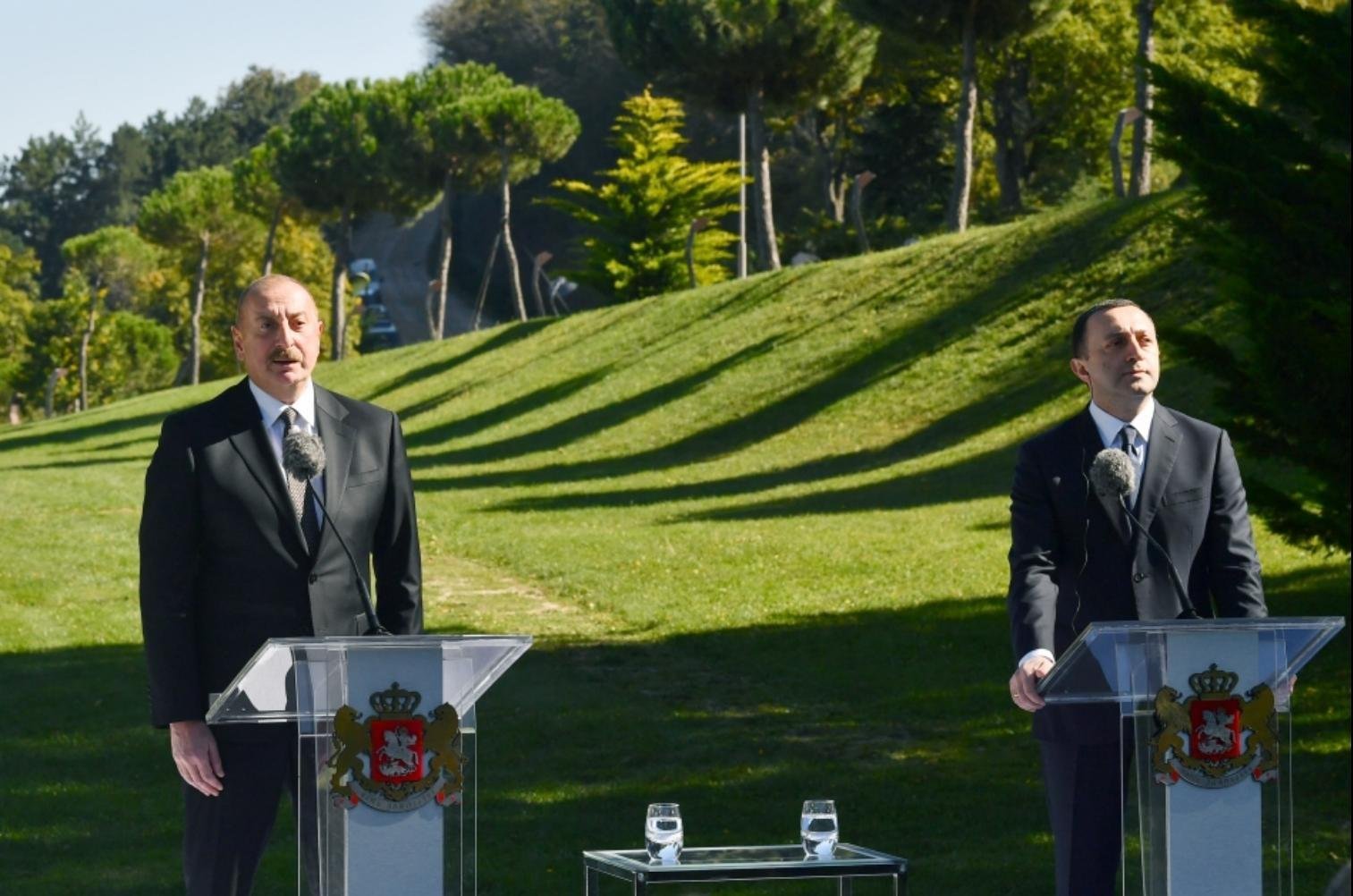
Moreover, President Ilham Aliyev said in a joint press statement with Georgian Prime Minister Irakli Garibashvili in Tbilisi that if Armenia agrees, the heads of relevant structures can hold bilateral and trilateral meetings in Georgia. Aliyev’s stance on the issue may be explained through historical relations and geographical factors.
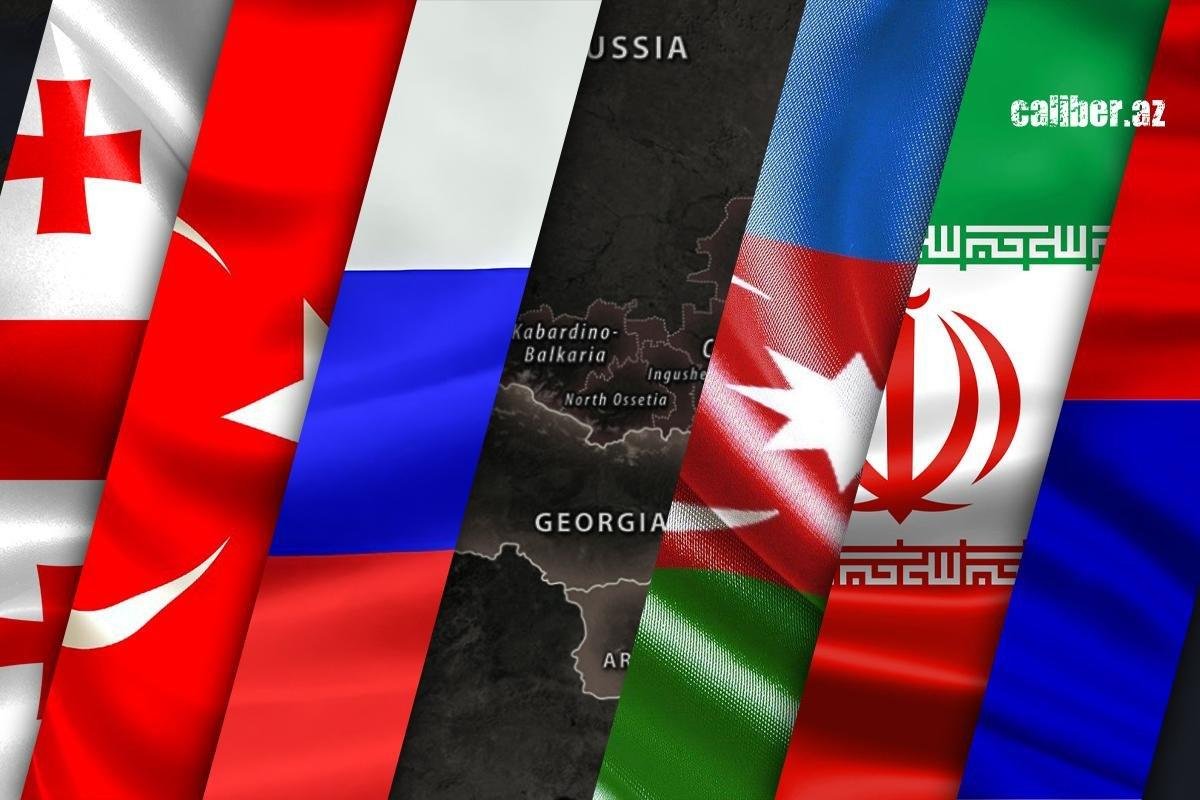
The suggested platform entails a wider consultation design, aiming at tapping into the region's common interests with the prospect of this being consolidated into a united force in the fullness of time. This could also be viewed as a transitory phase, paving the way for a future “3+3” format, with Russia, Türkiye, and Russia joining the club in due course.
Georgia has always held a neutral, unbiased position in this process, and we stand ready to make our humble contribution through mediation or facilitation – the establishment of a friendly format in general. Unsurprisingly, PM Garibashvili welcomed the initiative and expressed the readiness of Georgia to assist both neighbours in reaching a long-term consensus for the sake of regional stability.
In June 2021, the Georgian government brokered the release of fifteen Armenian servicemen who were detained in Azerbaijani territory after a ceasefire agreement was signed by Armenia, Azerbaijan, and Russia in November 2020. Under the deal, Yerevan gave Baku a small portion of the maps of minefields in the liberated Azerbaijani lands.
It is worth mentioning that until now, the negotiation process has taken place in different places through the mediation of Russia and the West. The latter is called the "Brussels format" and mainly involves meetings mediated by EU Council President Charles Michel.
It is true that, at different times, within that format, quadrilateral meetings were also held in the United States personally with the mediation of State Secretary Antony Blinken, as well as five-party meetings with the participation of France and Germany.
Azerbaijan's efforts to push Georgia for mediation may lead to establishing a new trilateral negotiation format without the West's and Russia's involvement. The main thing is that these two countries and their leaders want to use Georgia’s resources in this direction. This resource is incomparably high, and its use will be successful if the problem is solved in this way.
However, before the new trilateral format is established, Azerbaijan and Armenian leaders will hold another round of face-to-face meeting in Brussels in October based on new realities on the ground that occurred after September 19. Baku's main narrative is that the conflict is over as Azerbaijan's sovereignty is restored through military force.
However, official Baku is ready to negotiate the options of returning ethnic Armenians to Karabakh and the possibilities for them to acquire Azerbaijan citizenship. Consequently, Georgia’s sorrowful experience in territorial conflict and long-term positive relations with Azerbaijan and Armenia would enable it to play a significant role in paving the way for regional stability in the South Caucasus.







 editor@caliber.az
 +994 55 444-88-98
 Азербайджан, Баку, ул. Низами, 203, Af Business House, 5-й этаж