










Intrigue without a deadline How Zaluzhnyi became Zelenskyy’s main political rival
The issue of presidential elections in Ukraine periodically resurfaces in the country’s media landscape and invariably becomes headline-grabbing whenever it features the name of Ukraine’s ambassador to the United Kingdom and former Commander-in-Chief of the Armed Forces, Valerii Zaluzhnyi, alongside reports of his alleged intention to run for the nation’s highest office.
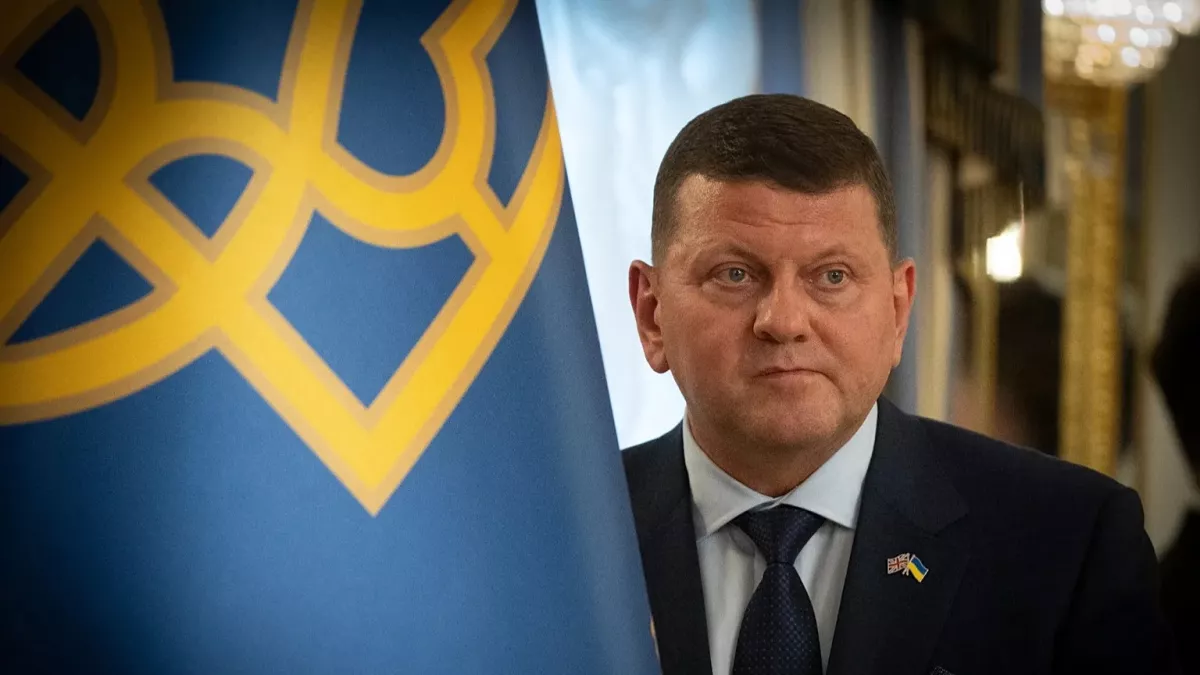
It is therefore hardly surprising that Ukrainska Pravda's report about a meeting between Valerii Zaluzhnyi and Volodymyr Zelenskyy, during which the general allegedly confirmed his intention to run for president if elections are held, immediately became the focus of public attention in Ukraine. However, despite the sensational nature of such claims, it is important to separate, as the saying goes, the wheat from the chaff—that is, political facts from media interpretations.
In this regard, it should first be noted that the possibility of Valerii Zaluzhnyi running for the presidency has been discussed for several years. His name has consistently featured in political forecasts and election scenarios. Yet one key fact remains unchanged: the former Commander-in-Chief of the Ukrainian Armed Forces has never publicly confirmed—nor explicitly denied—any intention to enter politics.
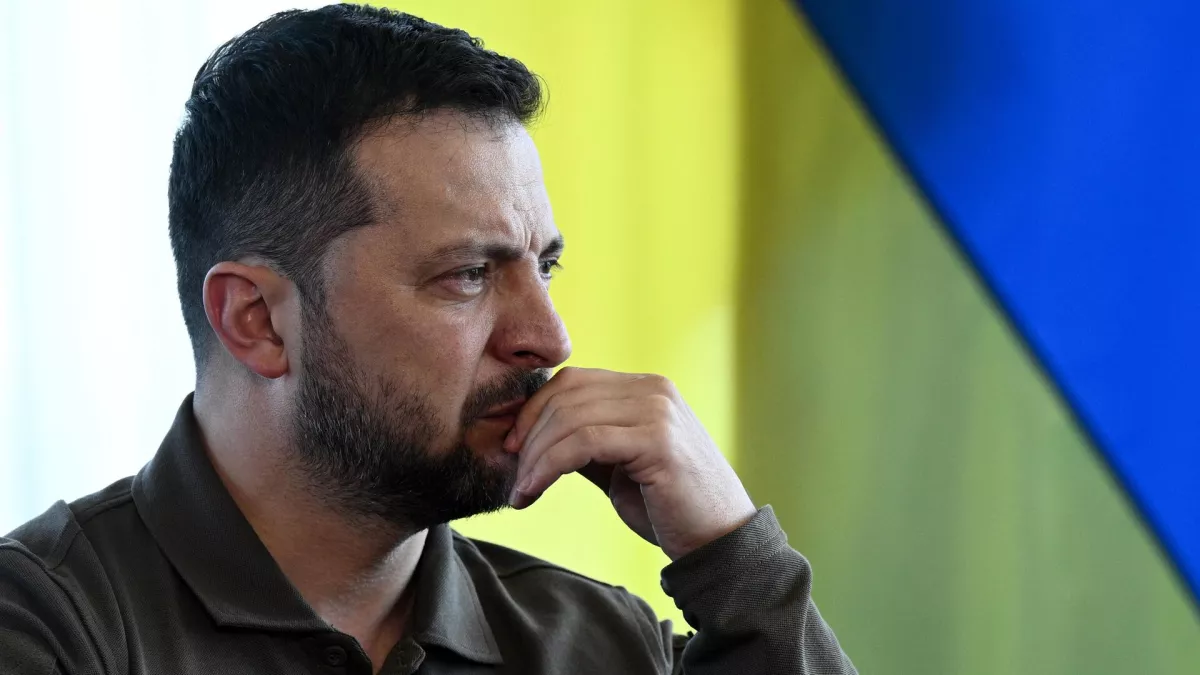
This position allows Zaluzhnyi to maintain maximum flexibility: without entering an open political contest, he remains a figure around whom the expectations of a significant portion of Ukrainian society continue to coalesce. This is reflected in most opinion polls, which consistently show Zaluzhnyi outperforming Volodymyr Zelenskyy in both public trust and electoral support.
The reasons behind this trend are fairly straightforward: his image as a wartime military leader and his absence from political scandals. At the same time, the incumbent administration faces a growing negative approval rating. A considerable share of Ukrainian society associates President Zelenskyy with the problem of widespread corruption, which continues to rank among the country's most pressing domestic issues.
Nevertheless, all of these discussions ultimately come down to one key question—one that, arguably, no one can answer today: when will Ukraine hold its next presidential election? The timing of this crucial domestic political event depends directly on the end of the war or, at the very least, the establishment of a ceasefire. Under Ukrainian law, presidential elections cannot be held while martial law is in force, and they also require a secure environment and the necessary infrastructure to ensure safe voting.
At present, neither of these conditions can be predicted with any certainty. As a result, discussions about elections under the current circumstances are more an element of political and information warfare than a matter of practical politics. Accordingly, media reports about the electoral prospects of Valerii Zaluzhnyi, Volodymyr Zelenskyy, or any other potential candidate are, for now, little more than speculation.







 editor@caliber.az
 +994 55 444-88-98
 Азербайджан, Баку, ул. Низами, 203, Af Business House, 5-й этаж