










Pashinyan draws a line Yerevan bets on closing the Karabakh chapter
Armenian Prime Minister Nikol Pashinyan made a number of statements during a briefing following a government meeting held on January 29, which captured significant attention from the expert and analytical community.
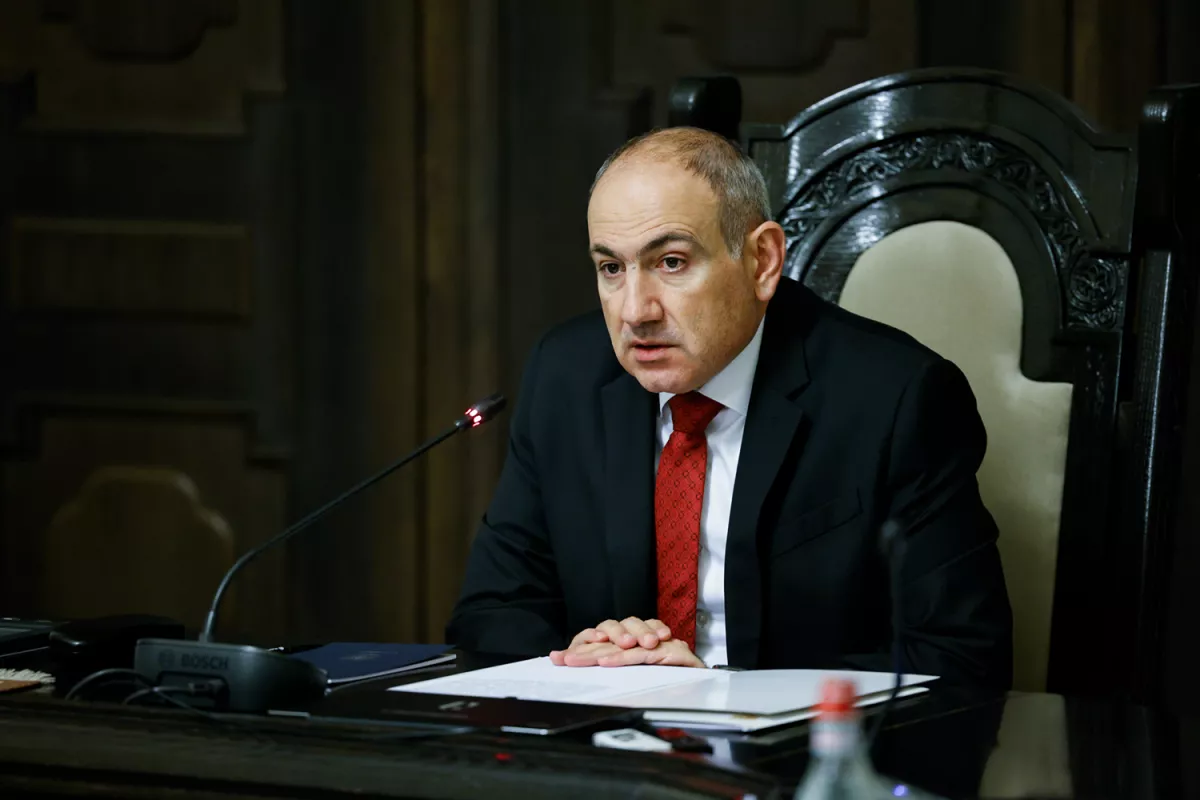
In particular, he once again set clear priorities in the context of Armenian–Azerbaijani normalisation, stating that the issue of the so-called “Karabakh movement” must be closed once and for all: “I have stated directly to citizens that the topic of the Karabakh movement must be closed. And as Prime Minister of Armenia, I will adhere to this line. If citizens disagree with this policy, I call on them to carry out a revolution.”
Notably, this statement stands out for its ultimatum-like nature and is consistent with the Armenian leader’s earlier remarks. Following the achievement of the historic Washington agreements, Pashinyan expressed confidence that only closing the Karabakh issue made peace with Azerbaijan possible.
“I said that I would lead Armenia with the logic of not continuing the Karabakh Movement, and if the people disagreed with this logic, I called on them to stage a revolution.
The people—that is, you, dear citizens—did not carry out a revolution, because, like me, you understood that peace is not possible without closing the Karabakh issue, and that certain forces have used the Karabakh issue as a tool to prevent Armenia's independence, sovereignty, state-building, and development,” he stated in his address to the nation on August 18, 2025.
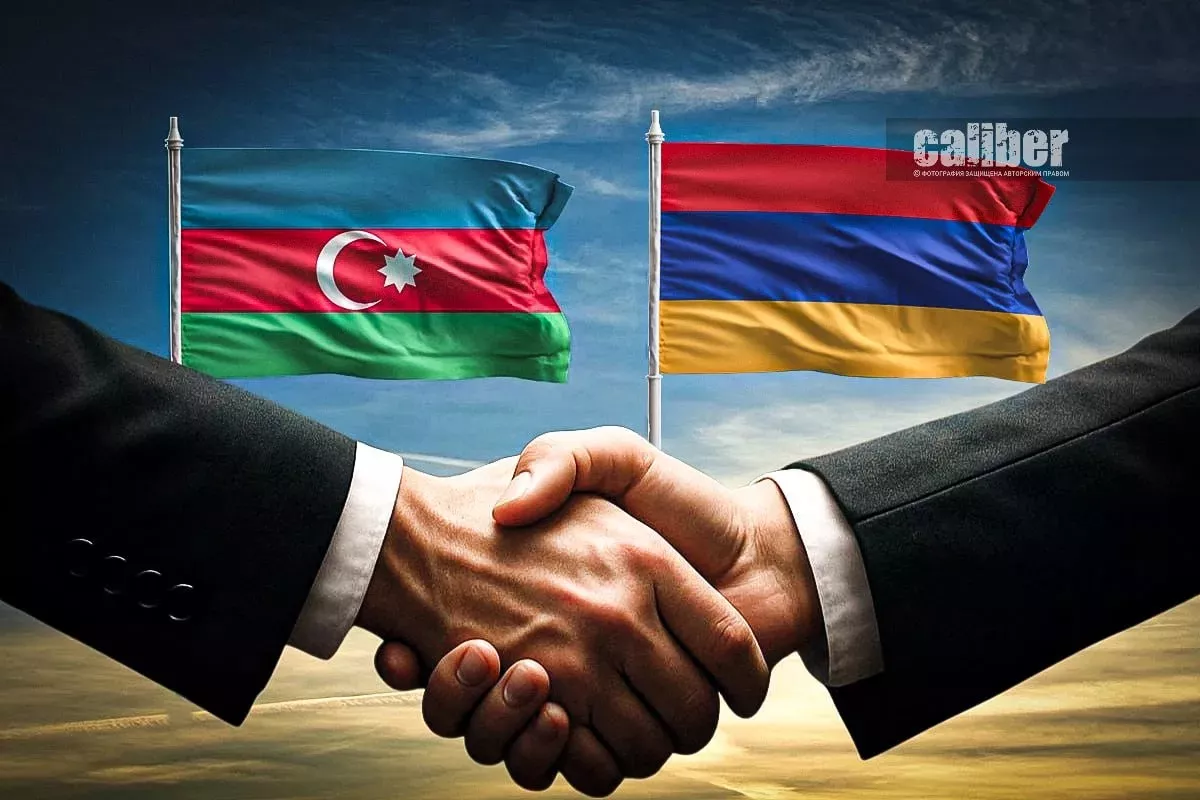
The Armenian leader has conveyed these views to an international audience as well. For example, during a visit to Germany in December last year, he told journalists about the need to close the Karabakh issue, arguing that Armenia and Azerbaijan have recognised each other’s territorial integrity.
“Continuing the Karabakh issue means a new war [with Azerbaijan], new casualties, new hardships, a new blockade, and so on, with all its unpredictable consequences. Those who say the Karabakh issue is not resolved are saying that Armenia must wage a new war,” Pashinyan said, directing this message at opponents of the peace process both within the republic and beyond its borders.
Firstly, such consistency in the prime minister’s rhetoric and actions points to his intention to adhere to a strategy aimed at the final settlement of the conflict.
Secondly, by highlighting to Armenian society the positive outcomes already being generated by the Washington agreements, Nikol Pashinyan is effectively countering the efforts of the church and opposition, who are using all their limited influence to undermine the peace process. It is entirely logical that the emphasis here is placed on economic benefits, as the economy forms the fundamental basis of stability.
Notably, in October 2025, President Ilham Aliyev announced the removal of all restrictions on the transit of goods to Armenia via Azerbaijani territory. Shortly thereafter, shipments of Kazakh and Russian grain passed through Azerbaijan into the neighbouring country.
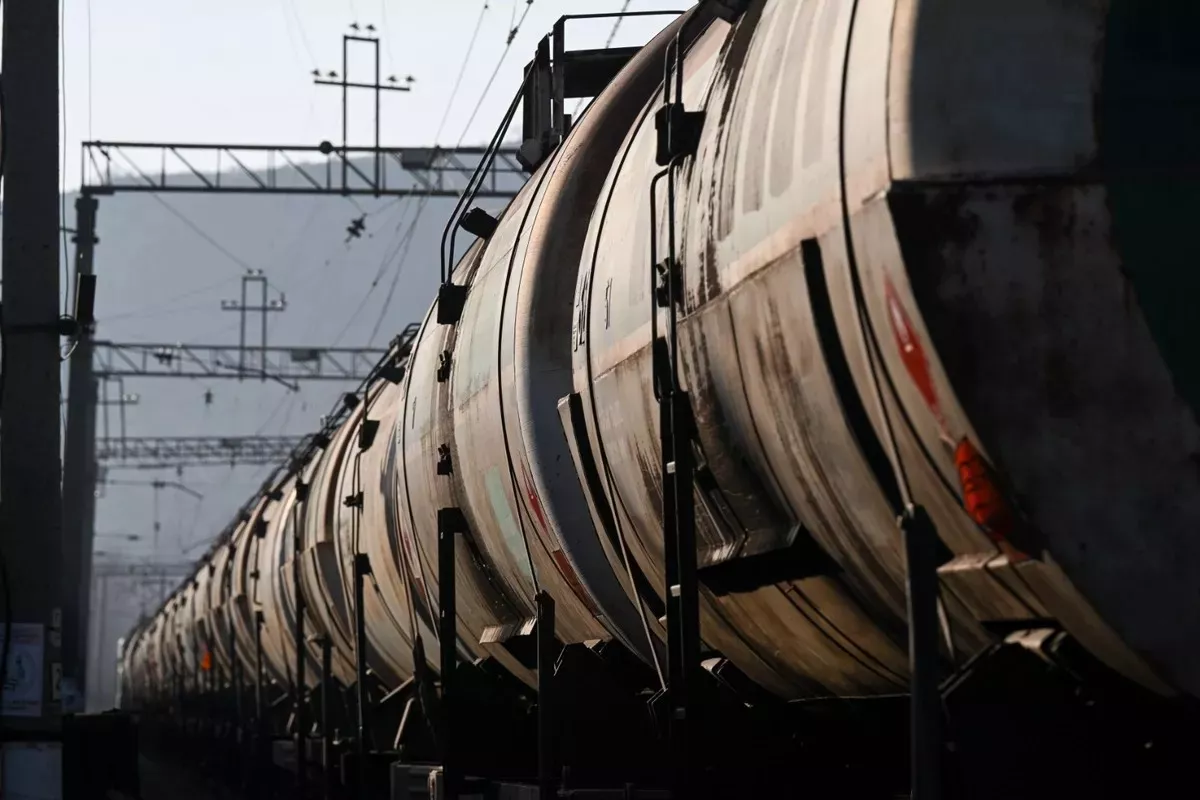
In addition, Baku has begun fuel supplies to Armenia. In December last year, 1,220 tonnes of AI-95 petrol were shipped there, while in January of this year, a second batch of petroleum products was sent via Georgia, including 1,742 tonnes of AI-95 petrol and 956 tonnes of diesel fuel.
The Armenian side highlighted that these shipments represent the first tangible economic benefits of the peace process with Azerbaijan. Notably, Minister of Economy Gevorg Papoyan told Armenian Public Television that these developments are expected to save Armenia approximately 16 billion drams (around $2.6 million).
Continuing the focus on the economy, Pashinyan stated during the briefing that Baku and Yerevan could potentially export electricity: “The surplus of electricity in Armenia and Azerbaijan opens up opportunities to access international markets. This means that Armenia could utilise transit through Azerbaijan’s network, while Azerbaijan could use Armenia’s network, including for deliveries to Nakhchivan. Even if Armenia’s energy export potential is not fully realised for some reason, the country will still generate revenue from transit.”
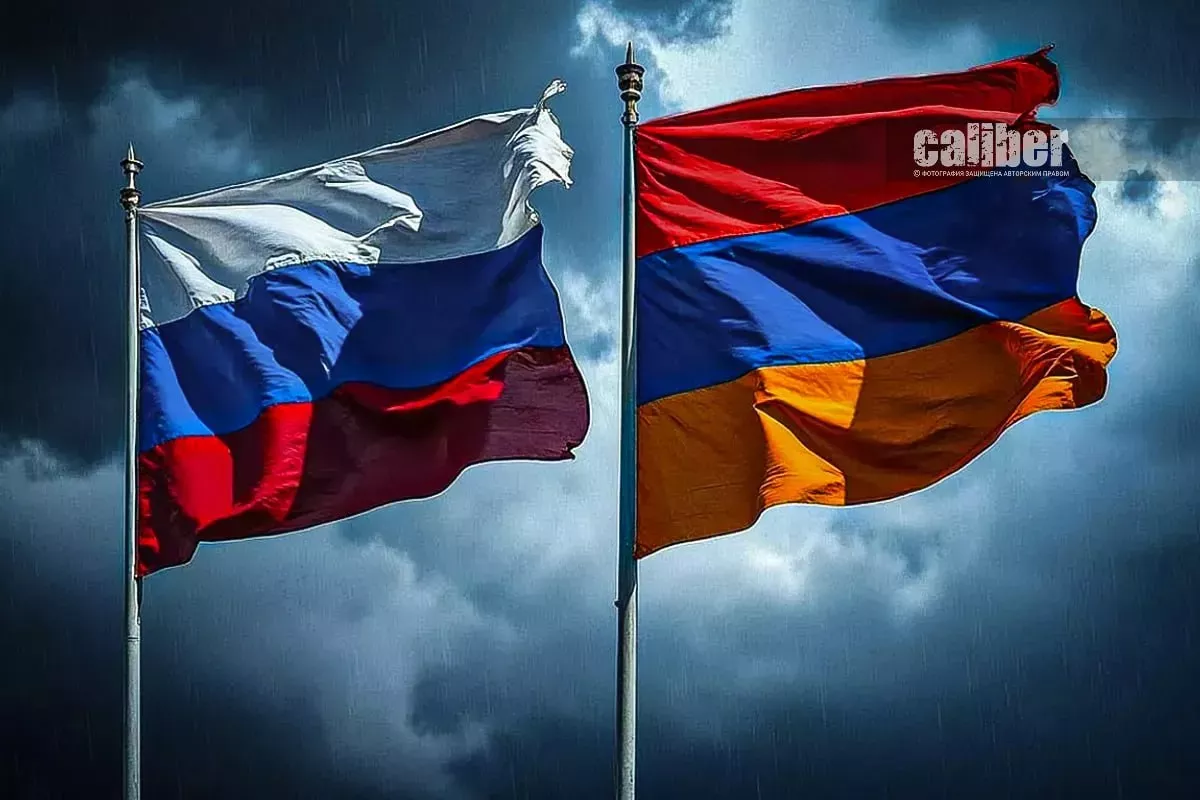
The Armenian prime minister also addressed the issue of repairing border railway sections. He emphasised that “the Armenian government intends to deepen cooperation with our Russian partners on unblocking regional communications. If, for any reason, our Russian partners choose not to invest, we will take these projects into our own hands and complete everything ourselves.”
Recalling that representatives from Armenia and Azerbaijan recently visited the Sadarak-Yeraskh border railway junction, Pashinyan stressed: “The processes in the region are moving forward, and they cannot be stopped.”
Thus, the prime minister’s statements signal cautious optimism that the peace agenda may be carried through to its logical conclusion. The key question now is whether the majority of Armenian society will support the government’s policy in June, ensuring that Yerevan does not revert to previous positions.







 editor@caliber.az
 +994 55 444-88-98
 Азербайджан, Баку, ул. Низами, 203, Af Business House, 5-й этаж