










Poland’s “long arms” and Belarus’s defence A new European fault line
Warsaw is revising its military strategy, focusing on long-range operations. What consequences could this have for Belarus, and what countermeasures might this transformation of Polish strategy provoke in its neighbours?
The “long swords” tactic
On January 29, another NATO summit took place in Ramstein Air Base, where Poland’s Deputy Prime Minister and Minister of National Defence, Władysław Kosiniak-Kamysz, held talks with NATO Secretary General Mark Rutte. The agenda included proposals to raise European allies’ defence spending to levels comparable with that of the United States, as well as granting Poland a €44 billion EU loan for arms purchases under the Security Action for Europe (SAFE) programme.

Against this backdrop, in early February, Poland’s General Staff presented a new military doctrine. Its central innovation is described as the capability to deliver strikes “from long distances with a level of precision and force previously unattainable.”
The primary notional target is identified as Russia. However, given Warsaw’s openly hostile rhetoric toward Minsk in recent years, such preparations are inevitably perceived as a threat to Belarus as well. The country once again finds itself on a geopolitical fault line between East and West.
As early as May 2025, the Chief of the General Staff of the Polish Armed Forces, General Wiesław Kukuła, stated: “A very important component of the Armed Forces development program for 2025–2039 is the so-called ‘deep precision strike’ — that is, the expansion of land-based platforms capable of deploying ballistic, quasi-ballistic, and cruise missiles to engage targets at ranges of up to 2,000 or even 3,000 kilometers. This is one of our priorities — capabilities we do not yet possess, but which we aim to acquire by 2035.”
According to Polytika, the core element of the new concept is the so-called “long swords” — long-range missile systems. The rearmament program of the Polish armed forces is intended to span 15 years.
However, General Wiesław Kukuła stressed that the key priorities must be implemented as early as 2029 — a date by which planners in Warsaw consider a serious military escalation to be possible. At present, Poland’s General Staff is modelling a large-scale armed conflict, drawing on the American concept of “remote warfare.” As an illustrative case, analysts point to the recent escalation involving Israel, the United States, and Iran.
At the same time, accelerated militarisation carries a shadow side. In March last year, the current head of the Polish General Staff found himself at the centre of a corruption scandal under investigation by prosecutors. The case concerned the 2019 purchase of a land plot in Nowy Sącz intended for a local Territorial Defence Forces headquarters, acquired at a price reportedly three times above market value. The facility itself was never built.

At the time, Kukuła commanded Poland’s Territorial Defence Forces, although he did not personally sign the documents related to the transaction.
Armed to the teeth
The Polish People’s Army in the era of the Polish People's Republic did not prioritise long-range strike weapons, as it operated under the Soviet missile umbrella. For a long time, a similar logic persisted in the modern Polish state, already sheltered by the nuclear umbrella of the United States and NATO. In recent years, however, this concept has shifted — likely reflecting the role now envisioned for Poland’s armed forces on the European theatre of operations.
What types of long-range or stand-off weapons does Poland possess today, or expect to field in the near future?
Poland’s armed forces are currently undergoing rearmament at an unprecedented pace, positioning the country as a European leader in modernisation speed. The national procurement agency has been reorganised to streamline decision-making and acquisition processes. Around 500 contracts, with a total value of approximately 600 billion zlotys ($168.6 billion), are currently in production; in 2025 alone, roughly 100 new agreements were signed.
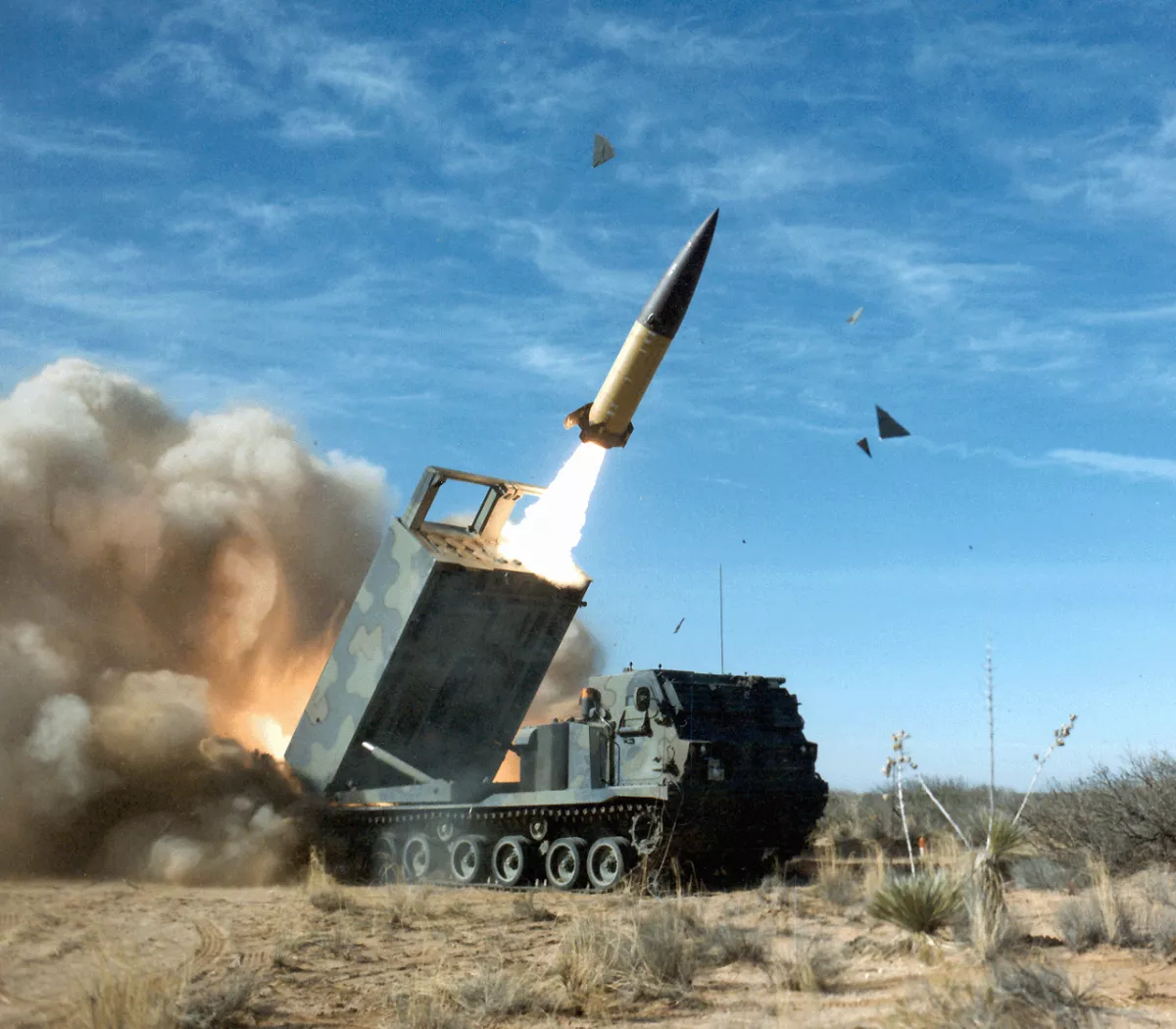
Poland already possesses systems capable of striking targets at operational depth. Chief among them are the M142 HIMARS multiple launch rocket systems in the American variant. When equipped with MGM-140 ATACMS missiles, they can reach targets up to 300 km away. Looking ahead, the use of PrSM munitions could extend this range to as much as 500 km.
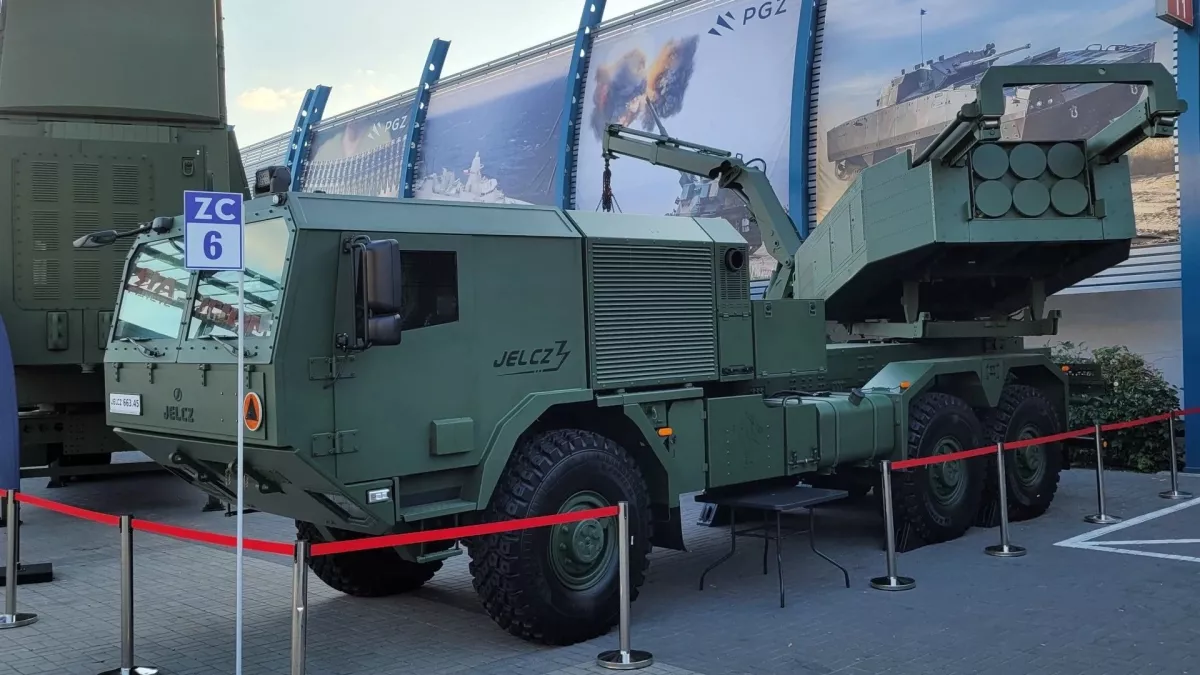
Under the signed contracts, Poland is set to receive a total of 486 HIMARS multiple launch rocket systems, which will form 27 dedicated rocket artillery units.
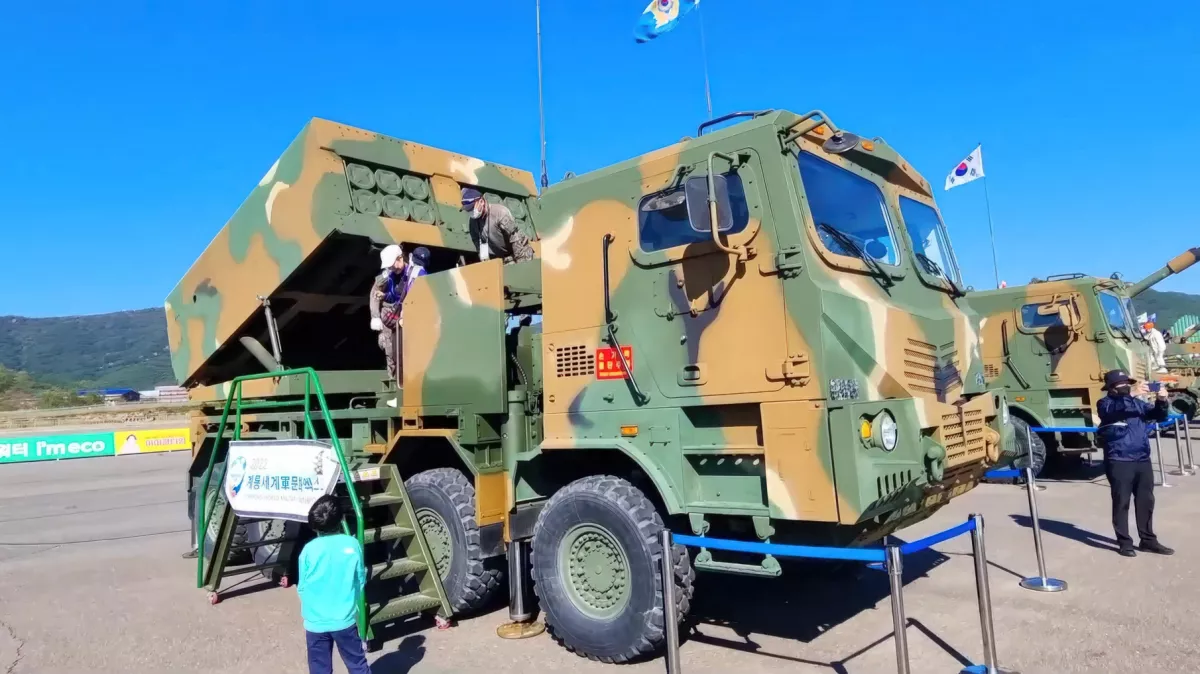
For deep fire support, South Korean K239 Chunmoo (HOMAR-K) MLRS are also planned, capable of firing both guided and unguided munitions. The 607-mm tactical ballistic missile has a range of up to 290 km. Poland intends to acquire 218 of these launch modules, with production eventually localised within the country. The total value of the deal is estimated at $3.5 billion.
Invisible “hussars”
The Polish Air Force possesses the longest-range precision strike capabilities in the country.
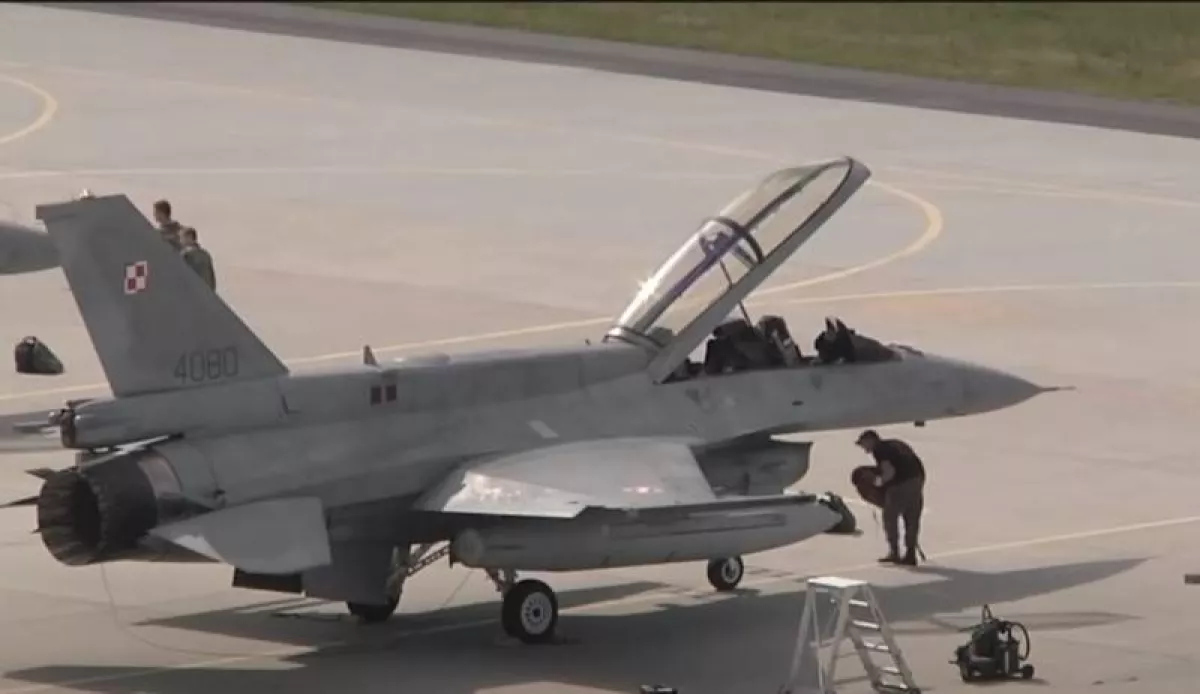
Currently, Poland’s combat aviation includes 48 fourth-generation multirole fighters, F-16C/D Block 52+. Since August 2025, these aircraft have been undergoing upgrades to the F-16V Block 72 standard, under a $3 billion contract. The modernisation work is being carried out at Aviation Plant No. 2 in Bydgoszcz. Two F-16 squadrons are stationed at Poznań-Krzesiny Air Base, and one at Łask Air Base.
In the coming years, Poland is expected to receive its most advanced air assets — fifth-generation multirole fighters, F-35A Husarz, equipped with stealth technology.
The name “Husarz” was chosen through a public contest, in honour of Poland’s 17th-century cavalry, the famed “winged hussars.” Deliveries were initially expected as early as 2024, but technical and organisational challenges have pushed the timeline back. The first F-35A squadron is projected to enter operational duty at the 32nd Tactical Air Base in Łask between 2026 and 2028, while the second squadron is expected to be deployed in Świdwin by 2030.
In total, Lockheed Martin is slated to deliver 32 aircraft under a contract valued at $4.6 billion.
Poland’s “air hussars” boast significant strike capabilities. The F-35A and F-16V fighters are equipped with high-precision air-to-surface missiles, notably the AGM-158 JASSM, featuring a warhead of up to 450 kg. The extended-range variant, AGM-158B JASSM-ER, can engage targets at distances of up to 1,000 km.
Options for precision-guided air munitions are also being pursued. According to available data, Poland has already received GBU-39 small-diameter bombs, capable of striking targets at ranges of up to 110 km. The AGM-154 JSOW glide missile reaches distances of several tens of kilometres in its standard configuration, while future variants equipped with propulsion are expected to achieve significantly longer ranges.
Within NATO’s nuclear-sharing program, the F-35A could theoretically be adapted to carry the B61-12 guided nuclear bomb.
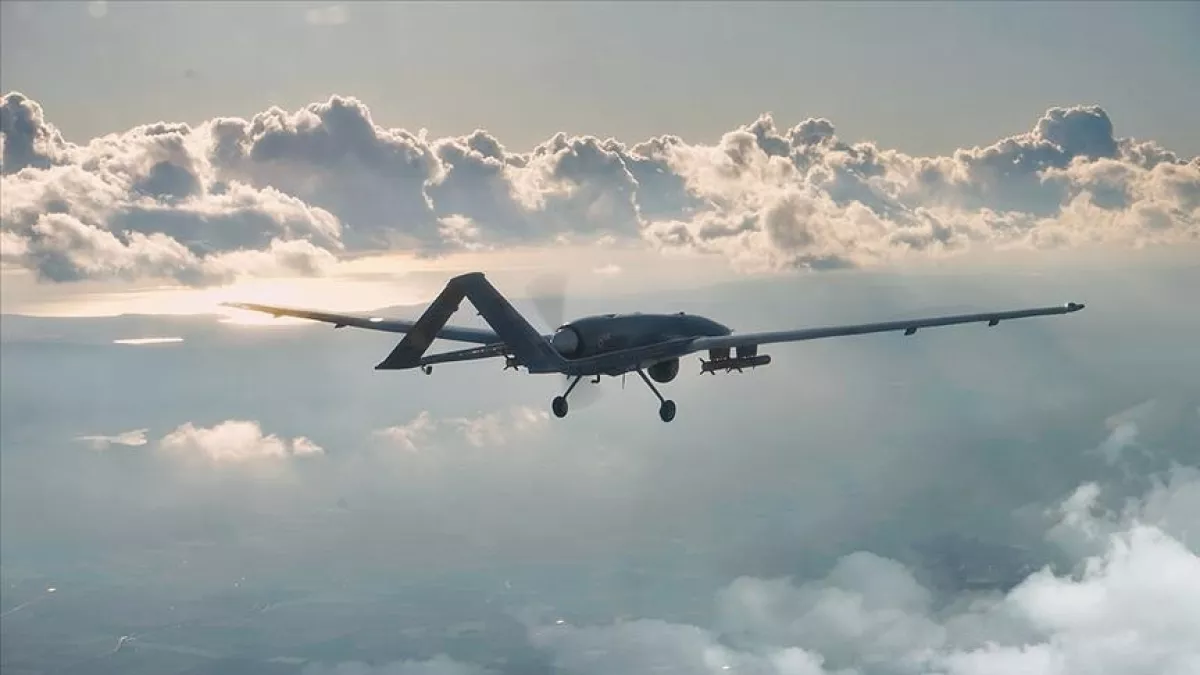
Poland’s armed forces also operate strike-capable unmanned systems with significant operational range. These include the reconnaissance-strike UAV system GLADIUS, as well as the heavy Bayraktar TB2, which has a range of approximately 150 km.
The Polish Navy’s new Orka-class submarines are expected to be equipped with JSM anti-ship missiles, capable of reaching targets up to 550 km away. Additionally, Poland is participating in a pan-European program to develop missiles with ranges of up to 2,000 km. Reports indicate that recent tests have been conducted on a European hypersonic project.
Polish media are already referring to these types of weapons as “long arms,” capable of striking at considerable distances.
The distance from the Polish border to Minsk in a straight line is about 250–270 km, while the width of Belarus from west to east is approximately 650 km. Thus, the weapons Poland already possesses theoretically allow it to cover a significant part of the Belarusian territory.
Such dynamics of military buildup inevitably increase tension and prompt the Belarusian side to consider possible countermeasures.

The ongoing militarisation is unfolding against the backdrop of constant escalation of tension and accusatory rhetoric toward Belarus from Western countries. After the “migrant issue” was actively exploited, Polish media have recently accused Minsk of allegedly launching balloons into Polish territory.
It is known that previously, Lithuanian smugglers used a similar method to transport cigarettes across the border with Lithuania. However, in Warsaw and Vilnius, such incidents are often characterised as manifestations of a “hybrid war.” Under these circumstances, Belarus emphasises the need to be prepared for any development of events. This is also reflected in the ongoing readiness check of the Armed Forces — one of the largest since the country gained independence.
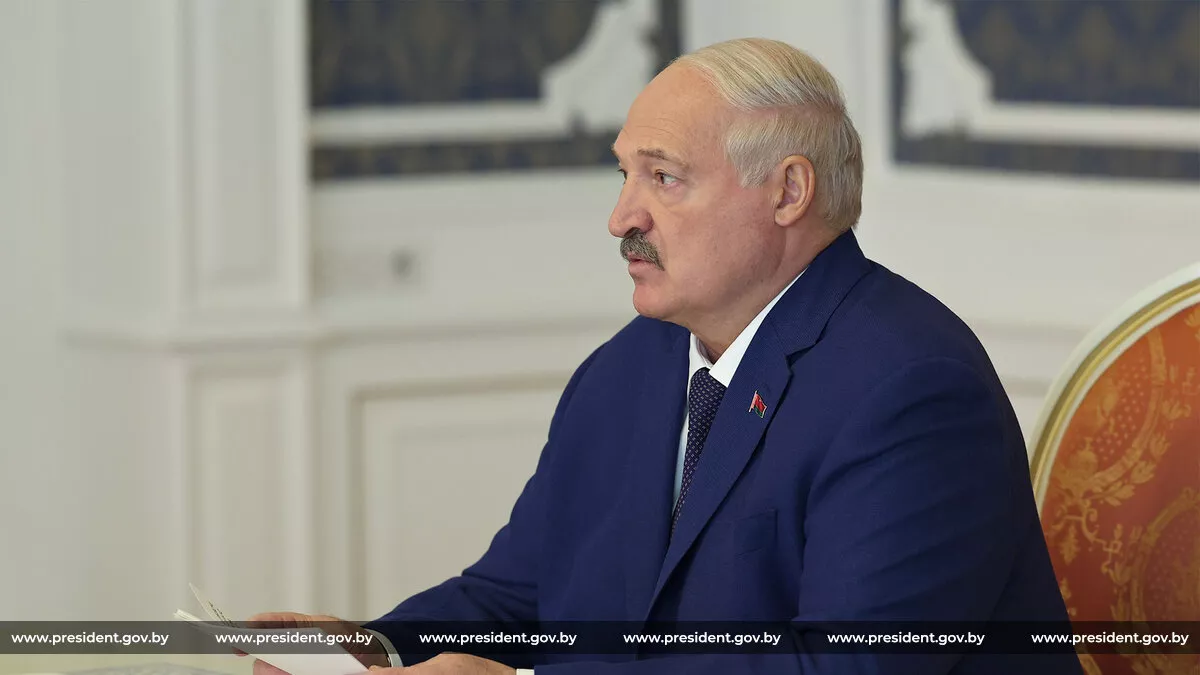
On February 10, Belarusian President Alexander Lukashenko, at a special meeting on artillery ammunition production, stated: “The buildup of the military component at our borders, especially on the part of Poland, not only raises our concerns. We understand that this is not done casually. People don’t just spend money on tanks and ammunition for no reason.”
The head of state set the task of quickly moving to the production of domestic artillery ammunition, ensuring full self-sufficiency and independence in this area.
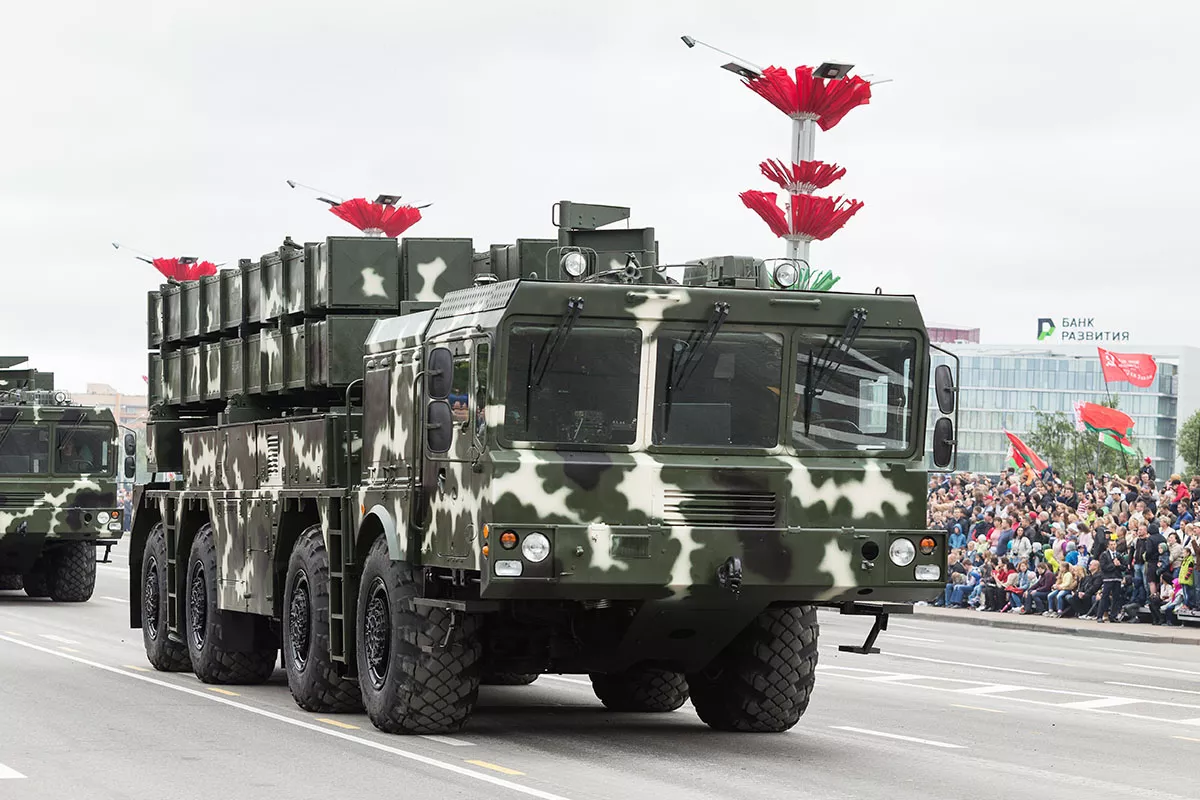
Currently, the Belarusian army is equipped with the Polonez-M multiple launch rocket systems with a firing range of up to 300 km and rockets following a complex quasi-ballistic trajectory, Iskander-M operational-tactical missile systems (capable of using various types of warheads), MiG-29 frontline fighters, and Su-25 ground-attack aircraft.
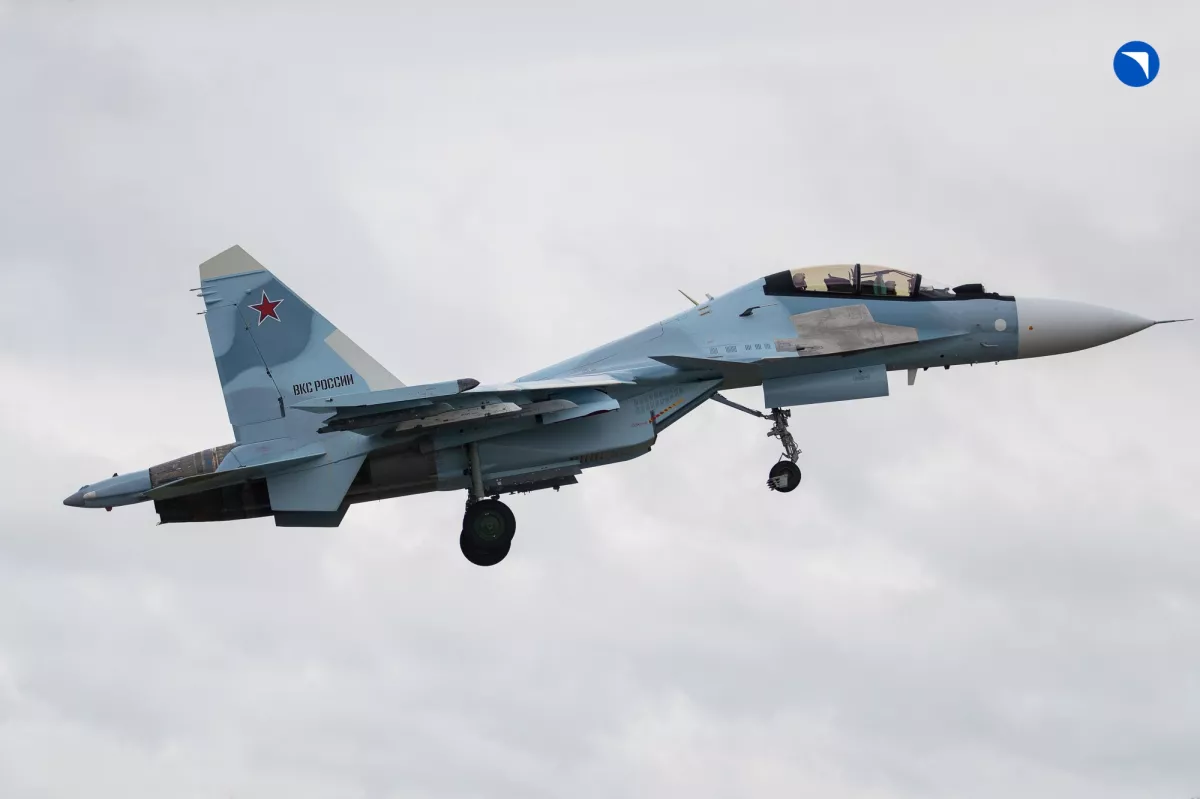
Recently, a new batch of Su-30SM2 multirole 4++ generation fighters has been delivered. They are capable of deploying guided missiles such as the S-25L, Kh-59ME (up to 200 km), and Kh-31A/P (up to 250 km).
Open sources also indicate the potential use of heavy long-range air-launched missiles.
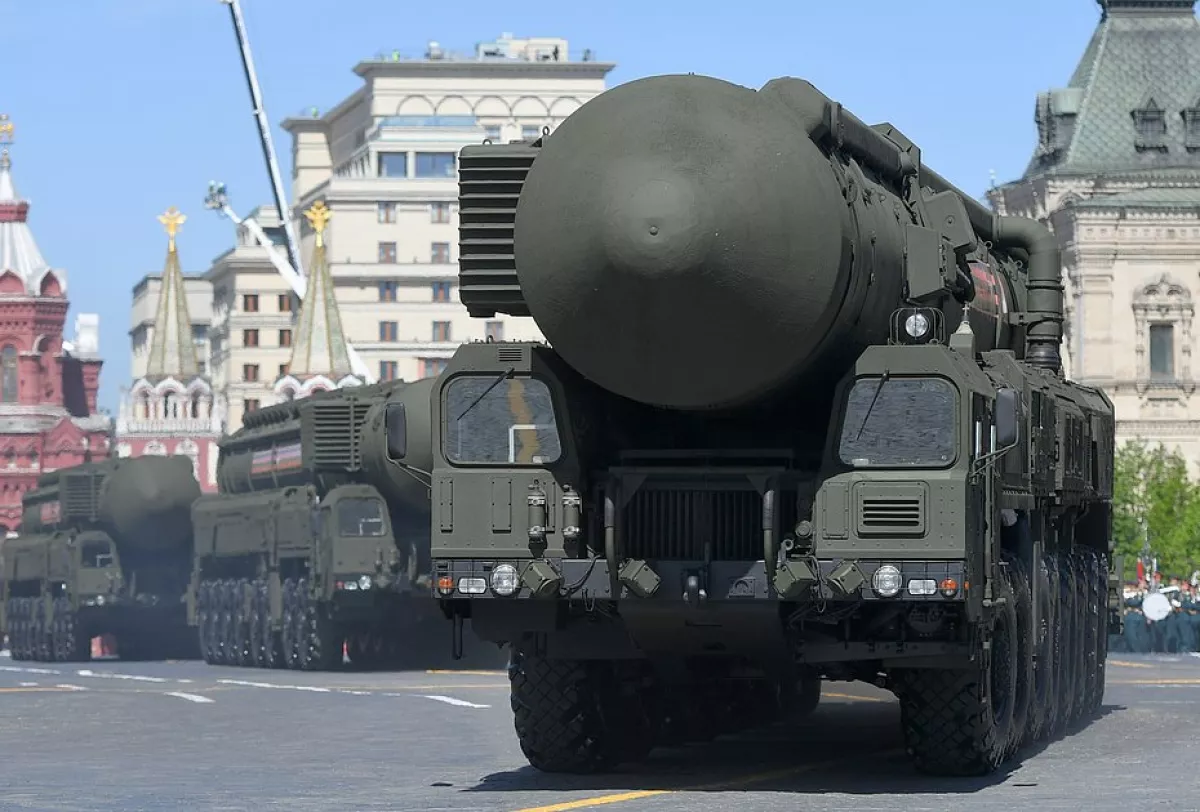
Modern missile systems are deployed on Belarusian territory, including the hypersonic Oreshnik complexes, which have been officially reported as strategic deterrence assets.
At the same time, the Belarusian side emphasises that it does not seek confrontation and operates on the assumption that existing disagreements can be resolved through diplomatic means.







 editor@caliber.az
 +994 55 444-88-98
 Азербайджан, Баку, ул. Низами, 203, Af Business House, 5-й этаж