










The politics of temporary figures What Munteanu’s exit reveals about Moldova
Recent developments in Moldova’s domestic political landscape can rightly be described as revealing, and one of the most notable has been the resignation of Prime Minister Alexandru Munteanu, whose departure was formally accepted by President Maia Sandu just days ago. The head of state has announced that on July 6 she will hold consultations with parliamentary factions on the appointment of a new prime minister.
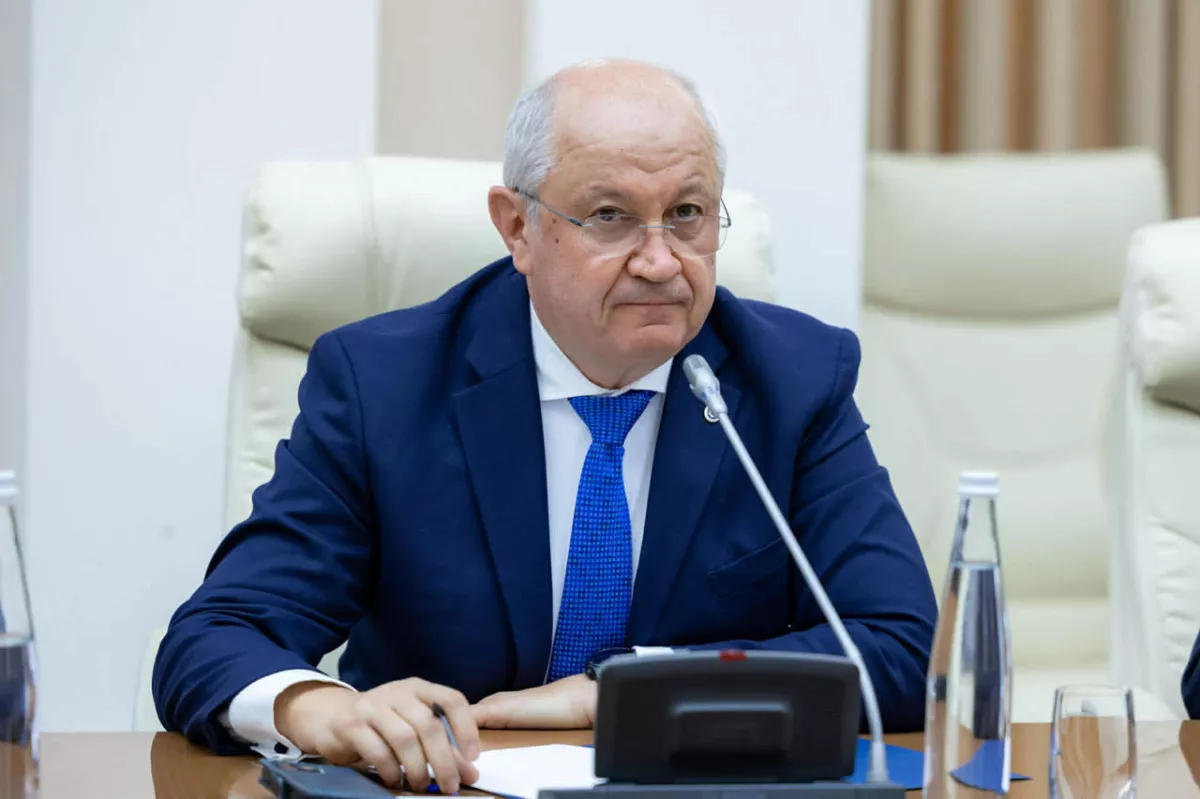
For those closely following Moldova’s political developments, Alexandru Munteanu’s resignation came as little surprise. What did attract attention, however, was the statement he published on social media, which effectively drew a line under his brief but eventful tenure in office. Its deliberately restrained tone and, to some extent, idealistic character made it particularly noteworthy.
In particular, Munteanu said that he had assumed the office of prime minister "with a deep sense of responsibility" and with the conviction that he could help change the situation in the country. However, having encountered circumstances that, in his words, prevented him from acting in accordance with his own principles, he chose to step down. Such wording leaves considerable room for interpretation, ranging from personal disillusionment to systemic political pressure.
It is worth recalling that Alexandru Munteanu’s appointment as prime minister initially appeared to be a compromise—and, to a large extent, a decision born of political necessity. Following a prolonged period of political turbulence, Maia Sandu was looking for someone capable of remaining loyal to the government's course while also demonstrating a measure of administrative effectiveness.
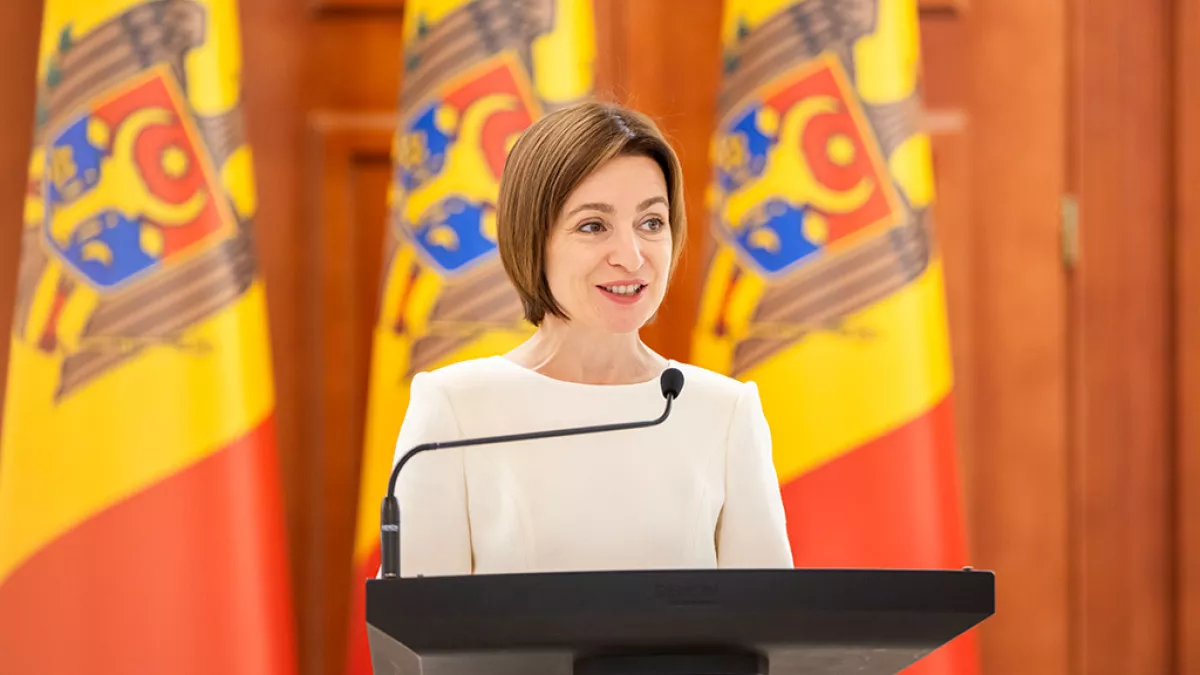
The decree nominating Munteanu for the post of prime minister was signed on October 24, 2025, and he officially took office on November 1. His appointment was met with cautious optimism. Some experts pointed to his extensive business background, while others highlighted his managerial flexibility and the absence of significant political baggage. At the same time, scepticism was also evident. A number of analysts predicted that Munteanu would remain in office for no more than six months. As events unfolded, those forecasts proved remarkably accurate: he occupied the premiership for just over seven months.
For a fuller understanding, it is worth taking a brief look at the background of the now former prime minister. Before entering frontline politics, Munteanu had established himself as an economist, professor and businessman with 25 years of experience in international investment. He is the founder of the private investment firm Capital Partners, which specialises in managing investments in Ukraine, Belarus and Moldova. He was also among the founders of the American Chamber of Commerce in Moldova and has served for more than 25 years as the founding president of the cultural and educational organisation Alliance Française of Moldova. In addition, he is co-chair of the South-East Europe and Eurasia Business Advisory Council. Alongside Moldovan citizenship, he also holds Romanian and US citizenship.
Taken together, Munteanu's background is that of an effective manager accustomed to operating in volatile markets. According to many observers, it was precisely this business experience that led to his appointment as prime minister, as Sandu was looking less for a career politician than for a capable crisis manager. In practice, however, the skills required to succeed in the private sector do not always translate into effective governance—particularly in a country marked by deep political polarisation.
This brings us to the central question: why was Munteanu unable to remain in office for a longer period? To begin with, his position was vulnerable from the outset. Lacking a solid political base of his own, he was largely dependent on the presidential administration, making him more of a technocratic appointee than an independent political figure.
Secondly, public dissatisfaction with the government's performance gradually intensified. The country's economic situation remained difficult, social tensions stayed high, and the swift improvements many citizens had hoped for failed to materialise.
Moreover, Munteanu's previous business activities repeatedly came under public scrutiny, particularly over his alleged ties to various economic interest groups. His connections with Ukraine also attracted mixed reactions. On the one hand, they were viewed as an opportunity to strengthen coordination and integration with a neighbouring country amid continuing regional instability. On the other hand, critics argued that such ties risked making Moldova excessively dependent on external actors.
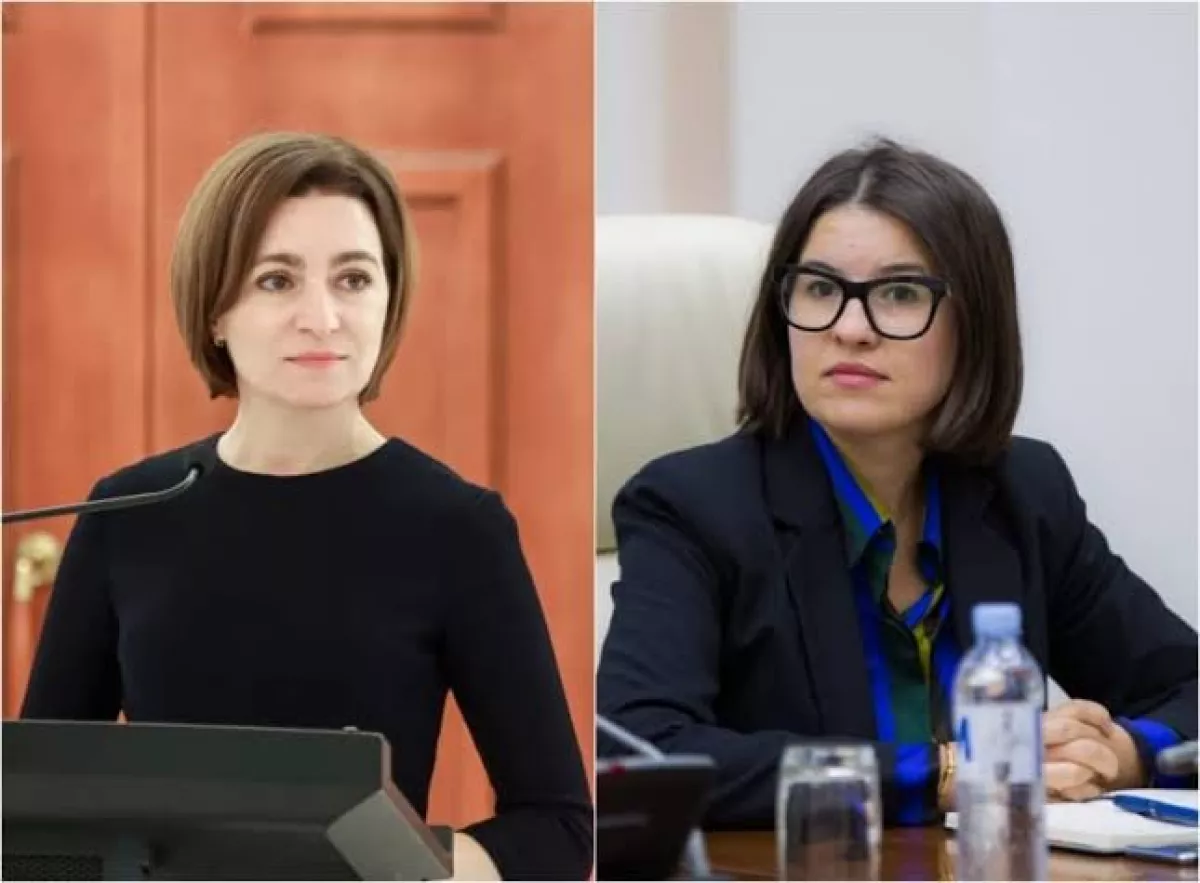
Thirdly, it became increasingly common to hear that Munteanu had found himself caught between a rock and a hard place—caught between public expectations, the demands of international partners, and mounting internal political tensions. Additional pressure may also have come from a series of widely publicised controversies involving people close to President Maia Sandu, most notably her cousin, Anastasia Taburceanu, who served as spokesperson for the state-owned enterprise MoldATSA, the agency responsible for managing and ensuring the safety of Moldova's air traffic.
In particular, considerable public attention focused on her salary and the circumstances surrounding her appointment. According to information published by RISE Moldova, Taburceanu earned more than one million lei in less than a year in the position. In late June, she announced her resignation and said she intended to return all bonuses and supplementary payments she had received in addition to her base salary throughout her time at MoldATSA. Although the matter appeared to have been formally resolved, it nevertheless left a lasting stain on the government's public image.
Munteanu was no doubt aware of this reality and formally stepped down on his own initiative. Political practice, however, suggests that such decisions are rarely entirely voluntary. More likely, his resignation resulted from a combination of factors: the erosion of political support, growing pressure from various interest groups, and the authorities' need to reset the government. In this sense, his departure can be viewed as a carefully managed transition designed to minimise reputational damage to the ruling establishment.
Viewed from a broader perspective, Munteanu's story illustrates one of the defining weaknesses of contemporary Moldovan politics: the shortage of genuinely independent political figures. He remained in office somewhat longer than many sceptics had predicted, but ultimately failed to reverse the broader trend. In a climate of persistent political turbulence, even relatively neutral technocrats tend to prove temporary. His resignation therefore serves as a telling indicator of the deeper political dynamics unfolding in the Republic of Moldova.







 editor@caliber.az
 +994 55 444-88-98
 Азербайджан, Баку, ул. Низами, 203, Af Business House, 5-й этаж