










Türkiye–Israel: Is normalisation possible? Expert opinions on Caliber.Az
The question of normalising relations between Tel Aviv and Ankara remains on the international political agenda. Recently, U.S. Special Envoy for Syria and Ambassador to Türkiye Tom Barrack told The Jerusalem Post that there are opportunities for “meaningful normalization” between Israel and Türkiye, despite the current political tensions.
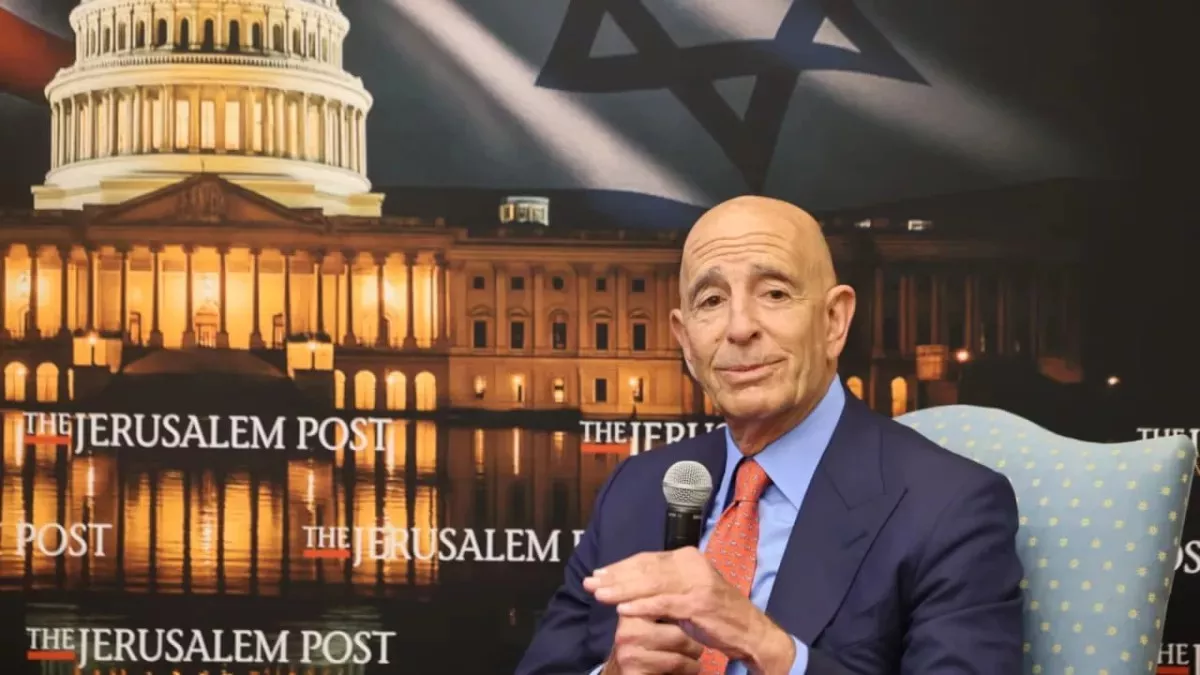
He also noted that Türkiye and Qatar played an important role in negotiations on a ceasefire and the release of hostages, and emphasised that Türkiye’s large and experienced ground forces, as well as Ankara’s ability to engage in dialogue with a wide range of actors, could help reduce tensions in the region.
But how are the U.S. special envoy’s remarks viewed in these two countries? Is there really a chance for a thaw in relations between Ankara and Tel Aviv? Caliber.Az sought the views of political analysts from Israel and Türkiye on this issue.
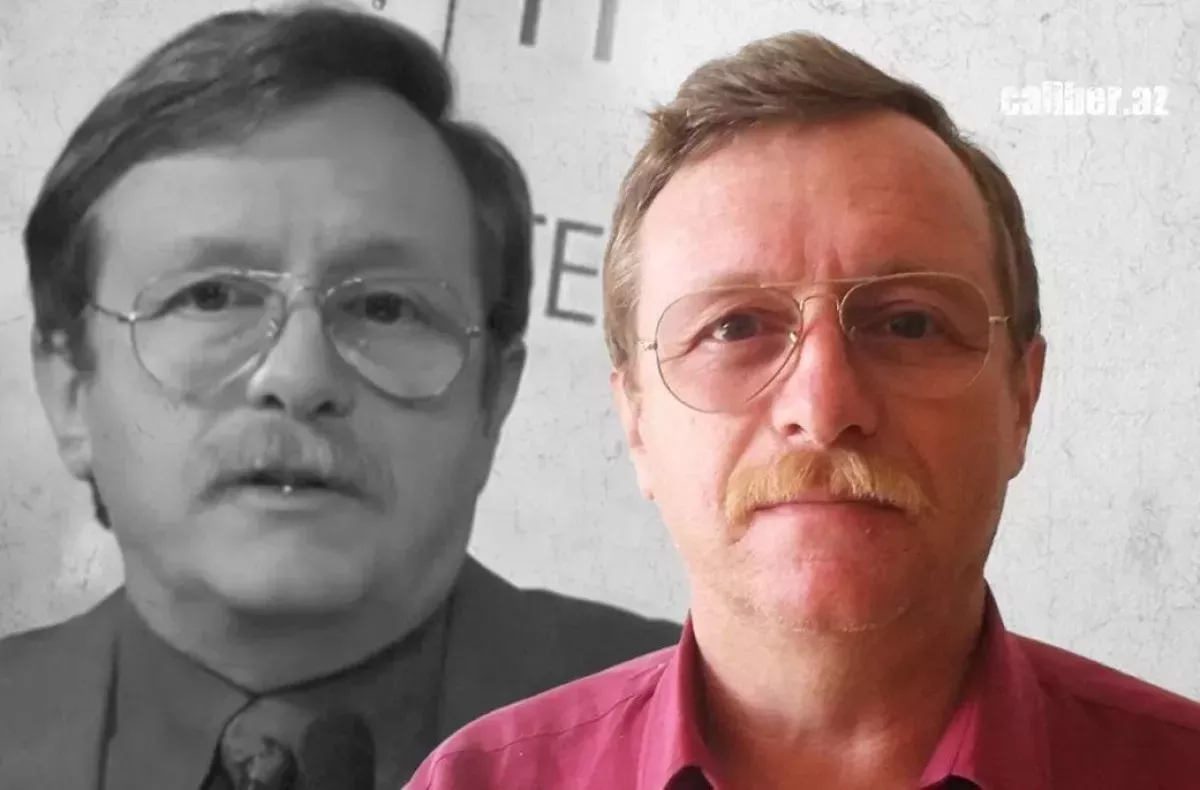
Thus, Israeli political commentator Alexander Gur-Arie from the ITON.TV television channel recalled that prior to 2010, military-technical cooperation between Türkiye and Israel was very close, and relations were simply excellent.
“During that period, Israel carried out the modernisation of Türkiye’s military equipment because, despite being a NATO member, its armed forces at the time were equipped with outdated U.S.-made weapons, including M-60 tanks. In particular, Israeli AWACS systems were installed, and Israel also supplied Türkiye with Heron unmanned aerial vehicles. In addition, joint military exercises were held on a regular basis. In other words, there was very close coordination at all levels, including the military one.
However, unfortunately, 2010 became a turning point in Turkish–Israeli relations after the ‘Freedom Flotilla’ set sail for Gaza, leading to a tragic incident in which Turkish citizens were killed aboard the Mavi Marmara. In my view, the crisis in relations occurred not so much because of the loss of life, but because of the very fact that the ships were sent, which itself already signalled a sharp deterioration in relations between Türkiye and Israel,” he said.
However, in his view, the Israeli side took a step towards reconciliation in 2013 when, at the initiative of Barack Obama—who was visiting Israel at the time—Netanyahu called Erdoğan, apologised to Türkiye for “any mistakes that may have led to the loss of life” during the Israeli security operation, and pledged to pay compensation to the families of those killed. This was followed by a period of warming in relations between the two countries.
“But after the escalation of the Palestinian–Israeli conflict in October 2023, Türkiye recalled its ambassador from Israel. The paradox is that even after this, trade ties between the two countries continued, because business is business. So, in a sense, one can say that there is more politics here than genuine attempts to completely sever relations, although the volume of trade between the two countries has now fallen by dozens of times, down to just about five per cent of previous levels,” the political analyst said.
According to him, there are trends that fuel Türkiye’s intention to expand its influence in the Middle East, which in turn pushes it toward improving relations with Israel:
“This year, a significant event took place. After the 12-day war, in which Iran turned out to be a paper tiger and its army, air force, and everything else completely fell apart, the struggle for regional dominance intensified, with Egypt now emerging as the main contender. This is a powerful Muslim and Arab country. Against this backdrop, Türkiye also feels the desire to have a presence in Gaza. So, when Ankara declares its readiness to deploy troops as part of a peacekeeping contingent in the Strip, the goal is clear—to assert leadership and provoke Egypt, which, by the way, opposes the presence of Turkish troops in Gaza. And Israel, incidentally, does too—categorically so.”
Answering the question of whether there is a chance for a thaw in relations between Israel and Türkiye, the expert noted that such a possibility exists—but only if Ankara changes its policy and ends its anti-Israel rhetoric. Moreover, the initiative would have to come from the Turkish side, as Israel has not taken any anti-Turkish steps.
“However, in my view, such a Turkish shift toward improving relations with Israel is currently unlikely, as it contradicts contemporary Turkish policy. So, for now, it all seems more like the fantasies of Mr. Barrack,” Gur-Arie said.
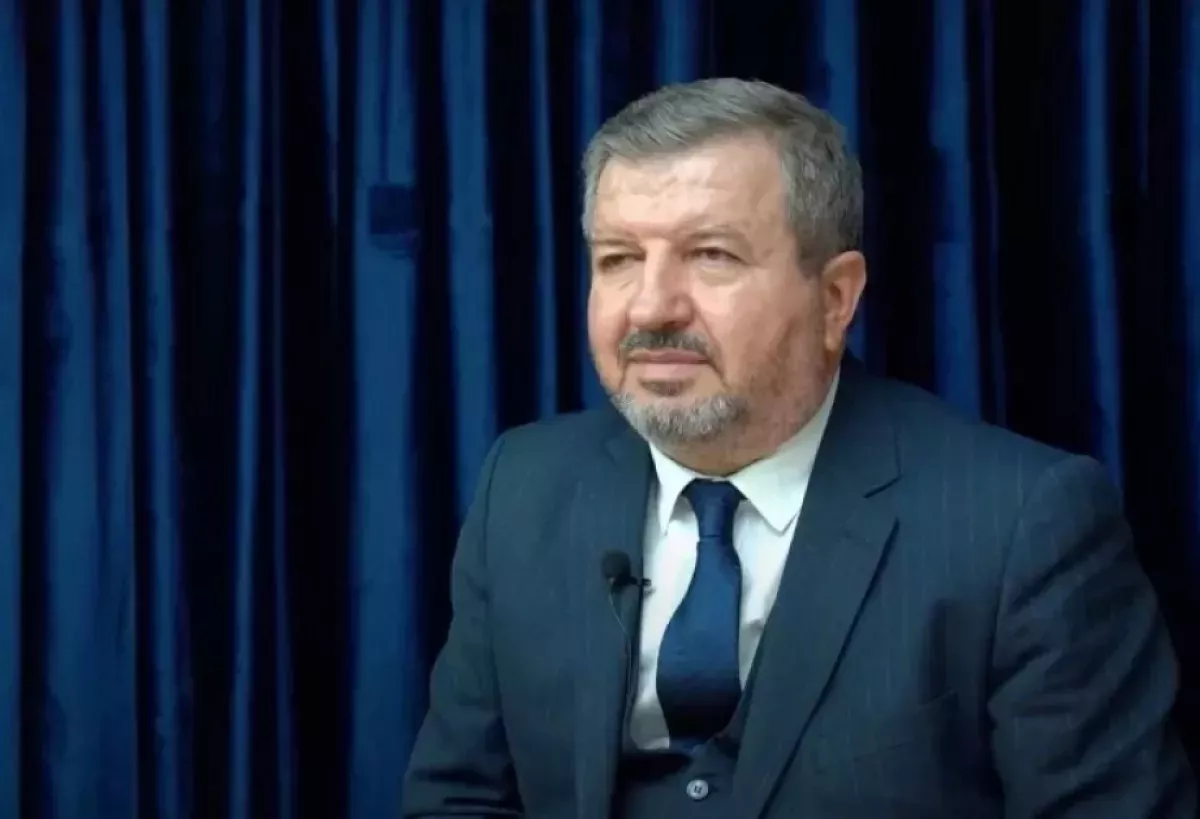
At the same time, Professor Toghrul Ismayil from Kahramanmaraş Sütçü İmam University (Türkiye) believes that, despite the sharp political disagreements between Ankara and Tel Aviv, there is now a limited but real potential for a cautious warming of relations. He also noted that Special Envoy Barrack’s statements reflect an important trend—the strategic logic of rapprochement is becoming stronger than current rhetoric.
“First, Türkiye has once again demonstrated its value as a mediator—its participation in negotiations on a ceasefire and the release of hostages has enhanced its diplomatic weight for all parties involved, including Israel.
Second, the geoeconomic perspective remains a powerful incentive: a potential connection of the Caucasus, Central Asia, the Caspian, and the Mediterranean through Türkiye and Israel could transform trade and reduce dependence on Iran-linked routes. This is a rare example of converging interests.
Finally, the external factor of Tehran simultaneously acts as both an obstacle and a motivator for coordination between Ankara and Tel Aviv. Both countries are interested in curbing the regional influence of the Islamic Republic.
In conclusion, it is still too early to speak of a full restoration of relations; however, the space for pragmatic dialogue is expanding. If the current dynamics continue, a cautious warming between Türkiye and Israel appears possible and strategically justified,” Ismayil concluded.







 editor@caliber.az
 +994 55 444-88-98
 Азербайджан, Баку, ул. Низами, 203, Af Business House, 5-й этаж