










US and Iran test each other’s resolve Review by Teymur Atayev
A new round of confrontation between the United States and Iran is unfolding on the global stage. At the same time, there has been no indication that the "technical" or any other negotiations between Washington and Tehran are being suspended. Consequently, as some analysts suggest, the two sides are probing each other's positions to assess their geopolitical resilience.
Notably, the current escalation is no coincidence, as it came immediately after U.S. Secretary of State Marco Rubio's visit to the Persian Gulf countries, which concluded at the end of last week.
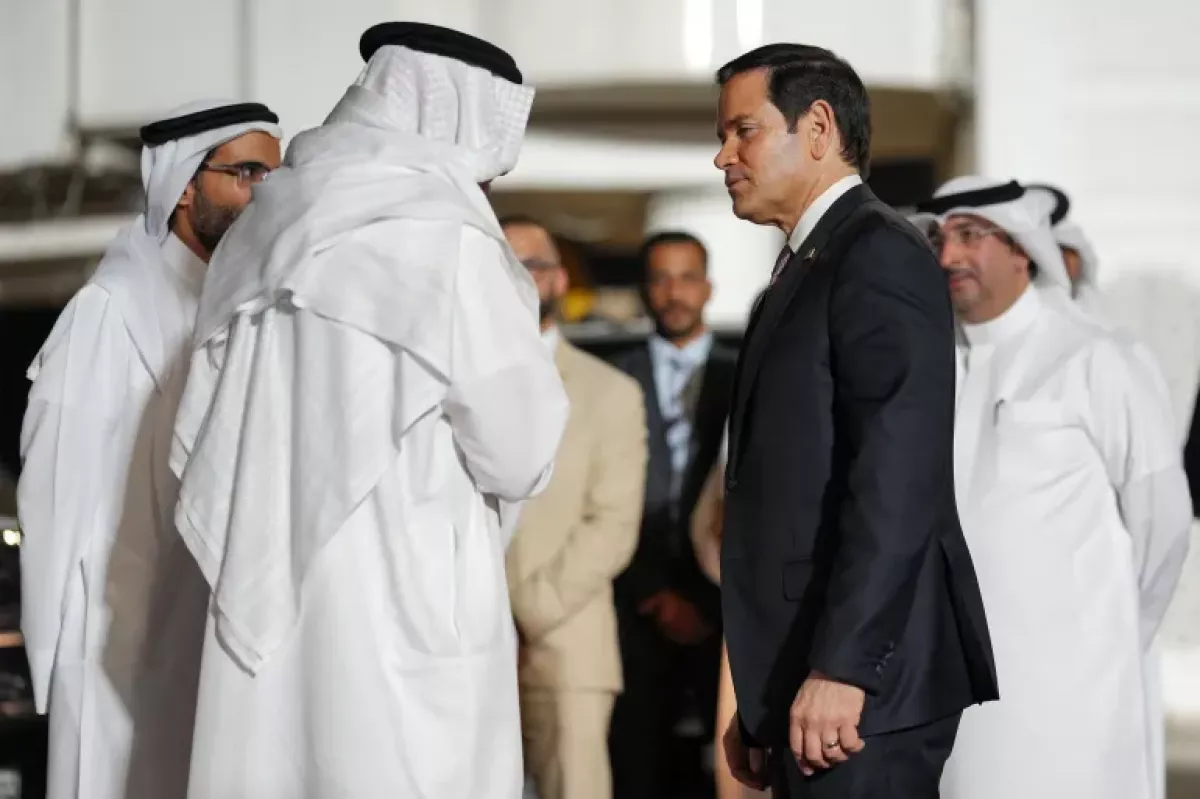
The U.S. Department of State initially said that the primary objective of Rubio’s trip was to discuss regional priorities with representatives of the Gulf Cooperation Council (GCC), including the U.S. memorandum of understanding with Iran and measures to safeguard freedom of navigation through the Strait of Hormuz.
Following the summit in Bahrain, Rubio described his talks with GCC leaders as, above all, “an important gathering of partners, allies, and friends.” He went on to recall the challenges the allies had overcome together and thanked those present “for all the help you’ve given us.”
At the same time, Rubio expressed hope that an agreement with Iran “leads to a very positive outcome.” However, he stressed that such an outcome would be possible only if Tehran abandoned the export of its ideology.
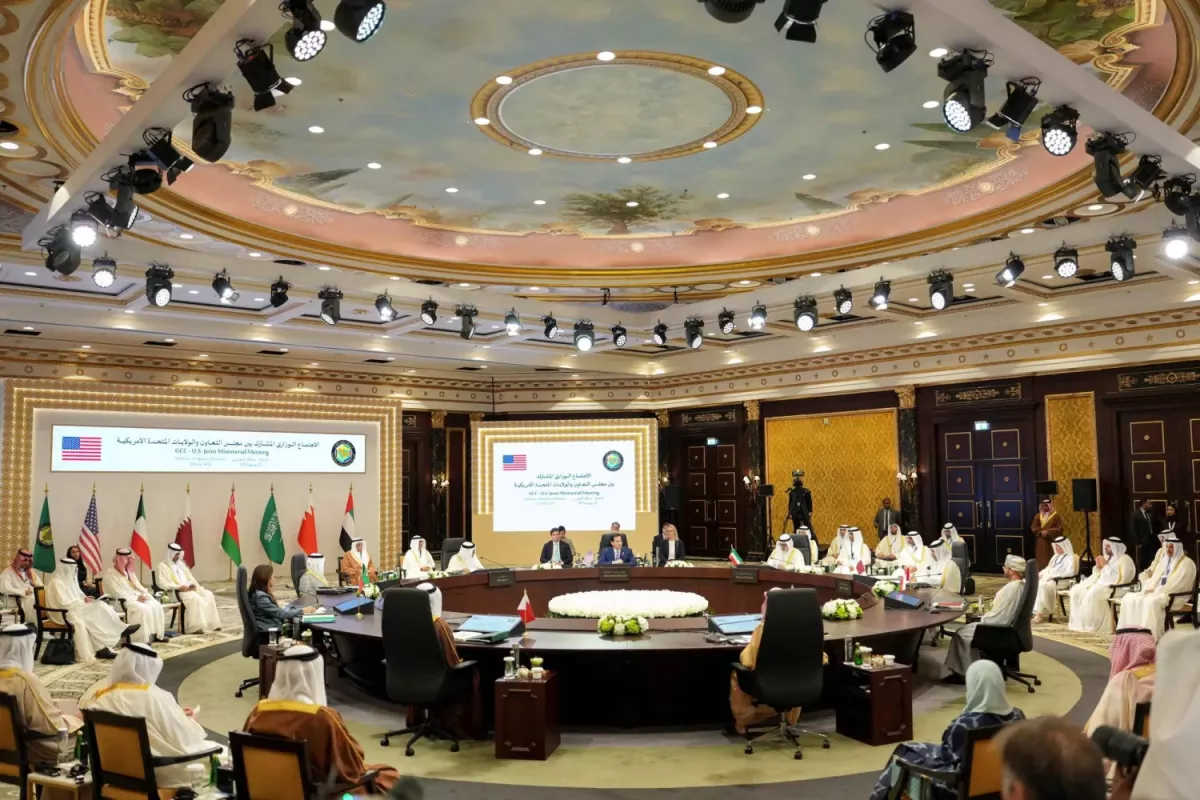
As the Secretary of State emphasised, if Iran focuses on improving the well-being of its own people, the United States is ready to work together with the GCC states in that direction, leaving past disagreements behind.
At the same time, Rubio described the imposition of fees for the use of the Strait of Hormuz as unacceptable and stressed that Iran must not acquire nuclear weapons. In this context, he assured those in attendance that the interests of their respective countries would be taken into account during the U.S.-Iran negotiations.
It was this particular point, highlighted by Rubio, that was widely perceived as the central message of his visit, although he also addressed developments in Syria and the negotiations between Israel and Lebanon.
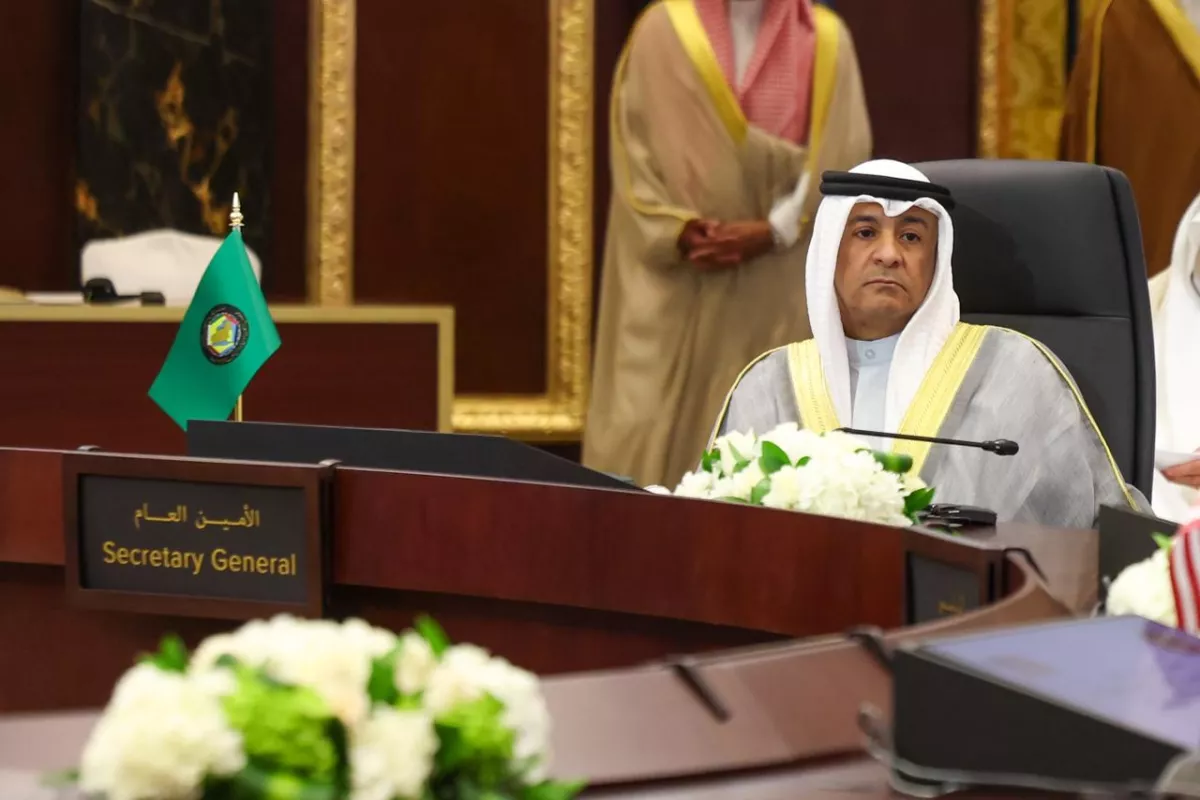
For his part, GCC Secretary-General Jasem Mohamed Albudaiwi also stressed that "any future understandings or arrangements must incorporate the requirements of the GCC countries in order to safeguard their interests," adding that such agreements should be based on the principles of international law, respect for state sovereignty, and non-interference in internal affairs. Against this backdrop, Albudaiwi underscored the importance of ensuring freedom of navigation through the Strait of Hormuz.
The subtlety lies in the fact that the issue of freedom of navigation through the Strait of Hormuz concerns America's allies in the Persian Gulf in a somewhat different context.
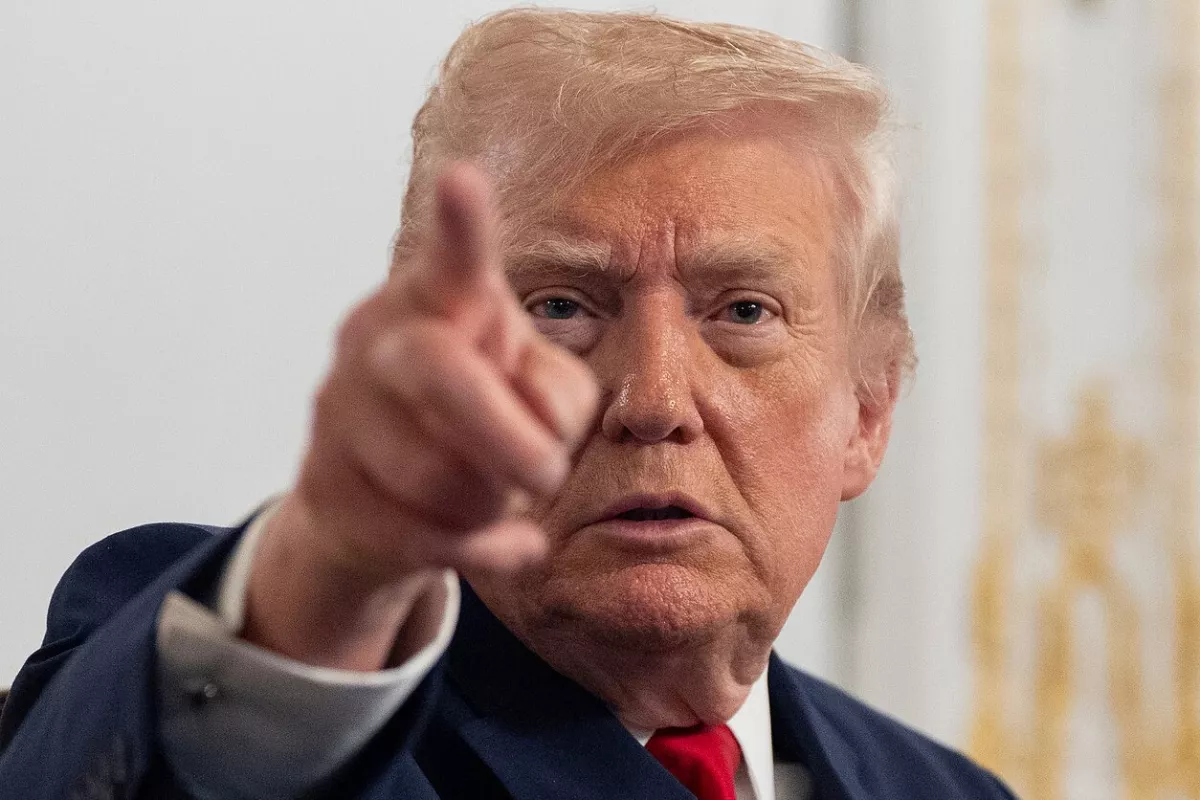
A few days earlier, U.S. President Donald Trump warned Tehran that if Iran were to block the Strait of Hormuz, "you won't have a country." At the same time, he suggested that "we may take over the Strait, if we have to." He also stated that "if they don't make a deal, we'll collect tolls."
The principle of freedom of navigation through the Strait of Hormuz was also reaffirmed in the joint statement issued by the United States and the GCC member states. Alongside reaffirming Washington's unwavering commitment to the security of the Persian Gulf countries, which in turn confirmed their "strong commitment to the U.S.-GCC strategic partnership," the document emphasised that Iran must not develop or acquire nuclear weapons. It also called for countering the "full spectrum of Iran’s threats," including its ballistic missiles, drones, and support for proxy forces across the region.
At the same time, the parties emphasised that any trade and investment relations with Iran are conditional and reversible, depending on Tehran's full compliance with all provisions of the memorandum of understanding and the final U.S.–Iran agreement.
Against this backdrop, a number of experts regard the United States as the principal beneficiary of the joint statement, arguing that Washington effectively signalled to Tehran that the GCC member states support its negotiating position. According to analysts, this largely explains the renewed escalation in U.S.–Iran tensions immediately following Rubio's visit. At the same time, observers acknowledge that the document also contains several provisions that, to a certain extent, reflect Iran's position.
The parties also reaffirmed the importance of preserving Syria's sovereignty and territorial integrity. In addition, the document states that the annexation of the West Bank is unacceptable and emphasises the need to reform the Palestinian Authority in order to create the conditions for "a credible pathway to Palestinian self-determination and statehood."
In this context, it was noted that "no one will be forced to leave Gaza, and those who wish to leave will be free to return." Regarding Lebanon, the parties stressed that full Lebanese sovereignty cannot be achieved as long as "non-state armed groups maintain military capabilities." They therefore called for restoring Beirut's monopoly on the legitimate use of force, while recognising the importance of supporting the Lebanese Armed Forces in this process. The underlying implication of this final point hardly requires further comment.

That said, the agreements reached highlighted the role of the American "security umbrella" for the Persian Gulf states as a key element of the regional agenda—one that is now effectively being put to the test amid the current escalation in U.S.–Iran tensions. This is particularly significant in light of Bahrain's Ministry of Foreign Affairs reporting that Iranian drones struck the kingdom's territory several days earlier, describing the incident as "a blatant violation" of Bahrain's sovereignty and international law.
Meanwhile, Tehran and Washington continue to accuse one another of violating their agreements, while interested regional and international actors are closely watching to see how effective the American "security umbrella" will prove under the current circumstances.







 editor@caliber.az
 +994 55 444-88-98
 Азербайджан, Баку, ул. Низами, 203, Af Business House, 5-й этаж