










US–Iran war and its global significance Analysis by Shershevskiy
The war with Iran is not developing very successfully for the U.S. The air forces of the American-Israeli coalition have already destroyed several thousand headquarters, defence enterprises, and other facilities, and have begun striking civilian industry and bridges. However, despite this, the Islamic Republic retains control over the Strait of Hormuz, gaining a powerful tool of influence over the global economy and politics. This is forcing Donald Trump to increase pressure on Iran in an attempt to compel it to abandon the blockade. The conflict continues to escalate.
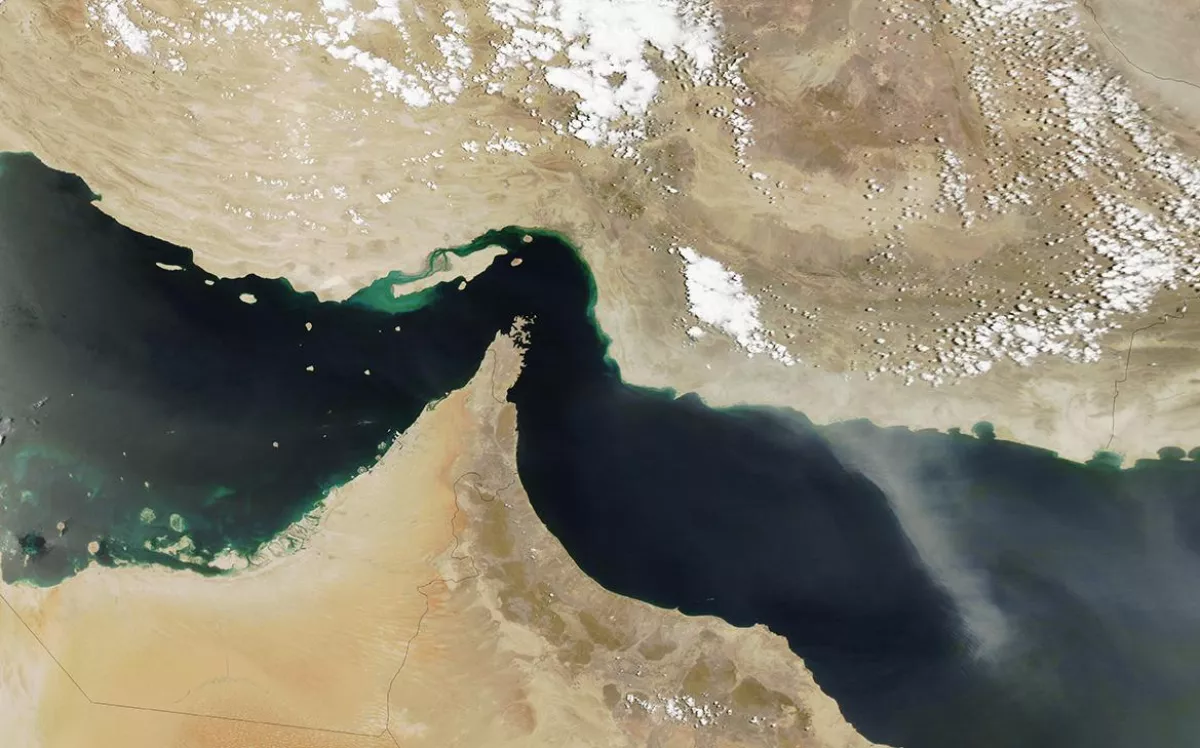
Despite growing dissatisfaction among voters, the U.S. president is not abandoning the course toward escalation. It has turned out that maintaining such control requires relatively little effort. It is enough to strike, once a week, a tanker attempting to pass through the narrow strait with a drone or missile to paralyse this vital waterway, which is of exceptional importance to the global economy. About 15 million barrels of oil, as well as significant volumes of liquefied gas, have been cut off from the market. This leads to rising oil prices and, consequently, fuel prices in the United States, which is fueling increasing discontent among Americans.
Iran has suffered serious losses due to the ongoing American-Israeli strikes; however, its economic and political influence in the world has even strengthened. Tehran does not intend to relinquish control over the Strait: it charges a fee of $2 million per tanker and allows passage only to those it deems appropriate.
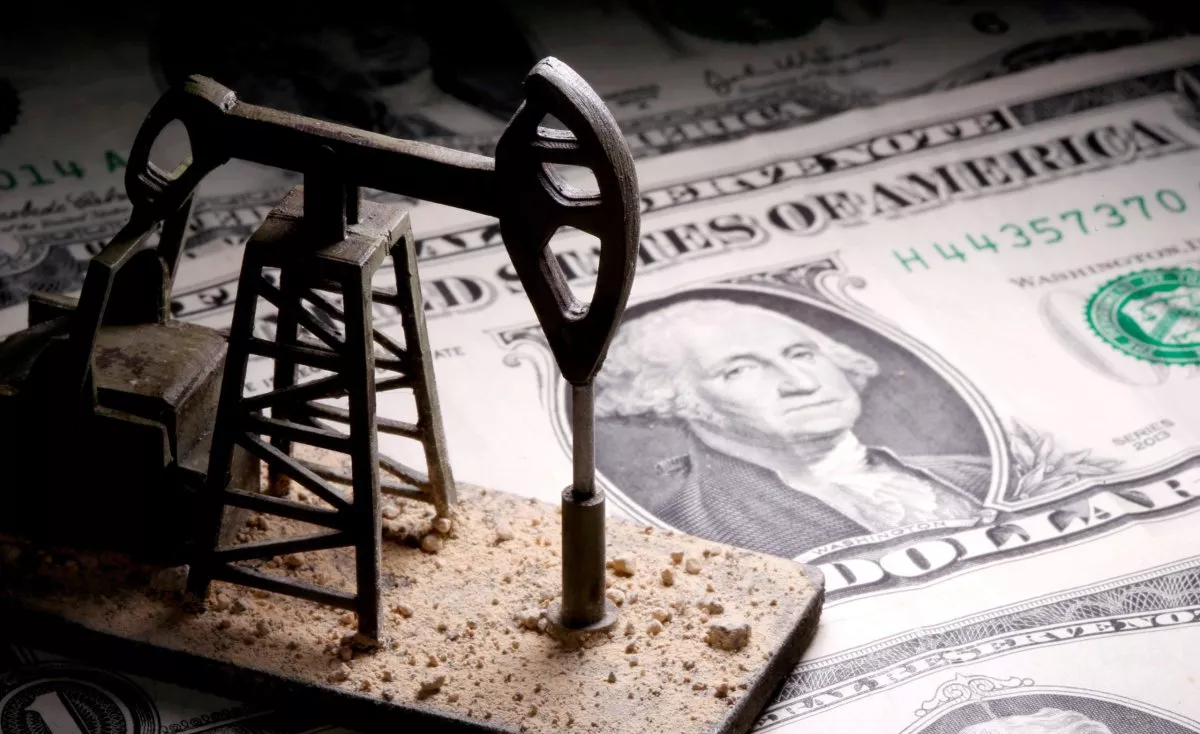
In effect, Iran, by keeping its hand on the “throat” of the global market and threatening it with recession, continues to export oil and even increases its revenues due to rising prices. As a result, it is now supplying more oil at higher prices than before the war. This circumstance, along with rising fuel prices, places the United States in an extremely uncomfortable political position.
In response, the American-Israeli coalition is preparing a ground operation while simultaneously increasing pressure on official Tehran. Oil refineries are burning, metallurgical enterprises are being destroyed — the United States and Israel are effectively dismantling entire production chains. Not only is the military and political leadership under attack, but also Iran’s multi-million working class. Until recently, hundreds of thousands of workers in the metallurgical and petrochemical industries were on strike, defending their economic interests: they held illegal protests, organised meetings, and attempted to form strike committees under conditions of harsh confrontation with the state and business. Now, however, their workplaces are simply being destroyed by external strikes.
Trump’s approval ratings are declining: today, only about 35 per cent of Americans support him, while the majority opposes his policies. The idea of a ground operation, which the U.S. president is threatening Tehran with, is supported by only 12 per cent, while 65 per cent are against it. However, Trump’s allies continue to stand by him. Why, then, does he retain the ability to pursue a largely unpopular policy?
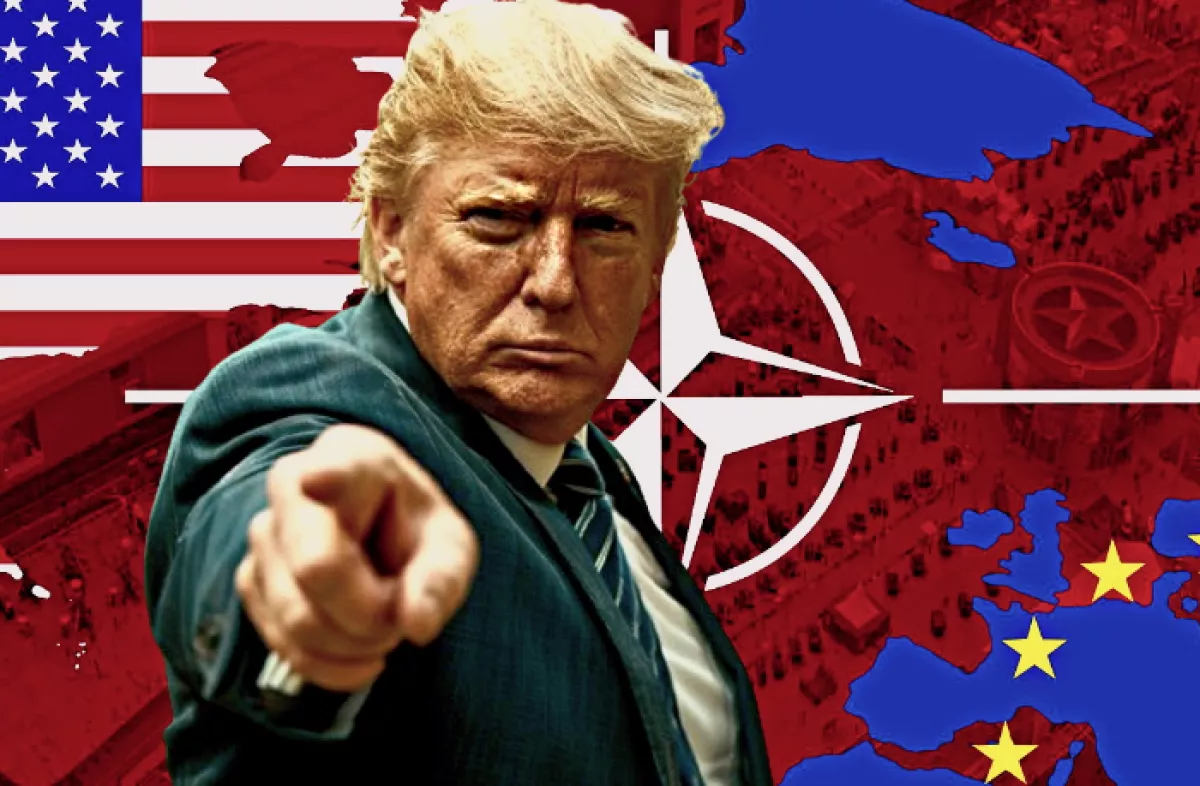
First, the war between the American-Israeli coalition and Iran is not taking place in a vacuum. It is part of a global confrontation between blocs of states. On one side are the United States under Trump, the NATO bloc, the global West, and Israel as a key instrument of American military policy in the Middle East. On the other is a bloc taking shape under the pressure of sanctions and tariffs, including China (the world’s second-largest economy), Russia, Iran, and, until recently, Venezuela—countries interested in revising the world order shaped by the West.
Both blocs find themselves in a contradictory position. Trump regularly enters into conflicts with European NATO allies, unwilling to increase spending on their support (a stance backed by part of the American electorate), while at the same time showing interest in a possible deal with Moscow, viewing Russia as a potential U.S. partner in confronting China.
For its part, Beijing is critically dependent on exports to the United States and European countries: its trade turnover with the West amounts to about $1.4 trillion. At the same time, a significant portion of China’s foreign exchange reserves is held in dollars and U.S. securities, and a sharp break with the West could lead to a serious economic crisis.
Beijing is not pleased with Iran’s policy of blocking the Strait. Under these conditions, it becomes critically important for Russia to position itself as the main energy base for China. This is especially relevant against the backdrop of the blockade of the Strait of Hormuz, from which China previously received about 40 per cent of the oil it needed—not only from Iran, but also from Saudi Arabia, the UAE, and other countries. Russia gains the opportunity to lobby for deeper integration with the Chinese economy, given that the war in the Persian Gulf creates conditions for a revision of Beijing’s energy policy.
Nevertheless, under the influence of Western sanctions and converging political and international interests, blocs are gradually taking shape, and the confrontation between them is intensifying. For China, regaining control over Taiwan is part of its national ideology and is seen as a restoration of state power and the suppression of separatism—something that is unacceptable to Washington as an ally of Taipei. Additional tension is created by tariffs imposed by the United States on Chinese companies.
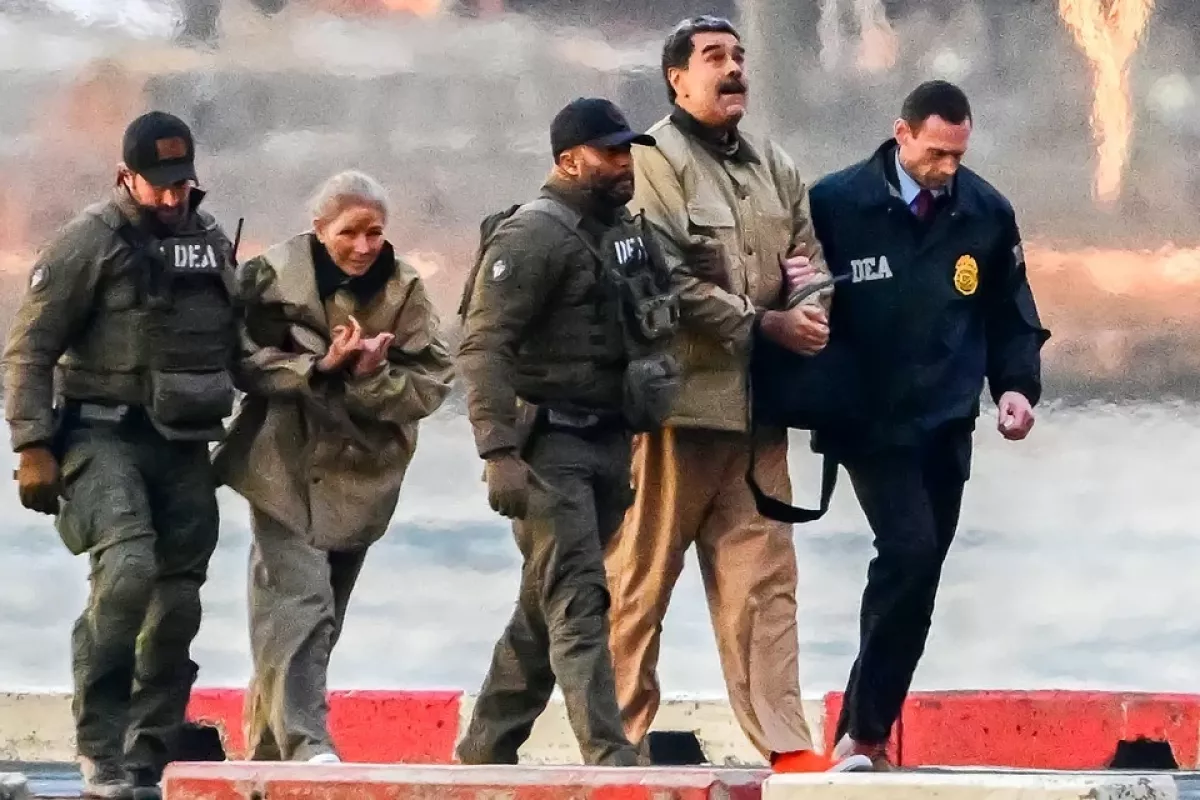
Initially, the abduction of Venezuelan President Nicolás Maduro led to the country’s new leadership moving toward cooperation with Washington and beginning to push out Chinese corporations. Then a strike was carried out against Iran. The United States is consistently seeking to weaken the emerging alliance of its opponents.
If we view what is happening through the prism of bloc confrontation, U.S. motives become clearer. Washington is striking at the most vulnerable elements of this chain of states. Thus, despite all of Trump’s originality and occasional inconsistency, his policy largely fits within the traditional logic of actions taken by American “hawks”—from Korea and Vietnam to Yugoslavia, Iraq, and Afghanistan. Regardless of voters’ attitudes, the U.S. ruling circles are thereby pursuing their geopolitical interests.
Second, U.S. policy is largely shaped by major corporations connected to the administration in Washington. Voters make decisions once every few years, but the rest of the time American politicians act based on their own priorities and interests. Lobbying structures exert significant influence.
Trump’s election campaign was financed by 52 billionaires, while his opponent, Democrat Kamala Harris, was supported by 70. It is obvious that these investments were not made out of altruism, but with the expectation of future political and economic dividends.
Trump and the leadership of the Republican Party are linked to a number of corporate groups that control traditional energy, the defence industry, and part of the technology sector in Silicon Valley. For them, the current situation is highly favourable.
Companies in the traditional energy sector are earning super-profits amid rising global oil prices, including in the United States. An additional factor is Venezuelan oil (about one million barrels per day), which can be redirected to American refineries adapted for its processing and owned by business structures close to the Republicans.
The military-industrial complex also expects significant gains: war has traditionally been a driver of its revenues. Trump intends to increase the military budget by one and a half times—to $1.5 trillion. This means hundreds of billions of additional dollars for defence companies and associated officials, not to mention tens of billions of dollars in orders from U.S. allies, primarily Israel.
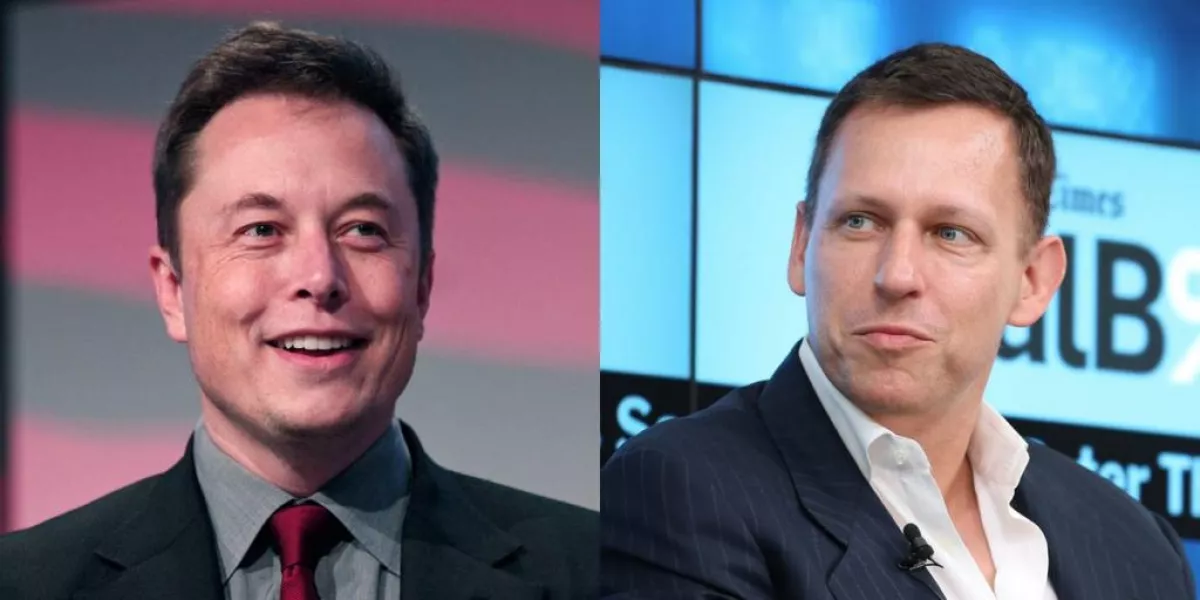
The Washington administration continues to collaborate with Elon Musk and Peter Thiel, providing Silicon Valley tech giants with government contracts and subsidies. Thiel’s wealth is growing thanks to Palantir, a company operating in the military technology sector and signing multi-billion-dollar contracts with the Pentagon.
Musk, the owner of Tesla and SpaceX, has topped Forbes’ list of the world’s richest people for the second consecutive year—his fortune is estimated at $839 billion, nearly 2.5 times the figure of 2025. His ties to the government remain a key factor in this growth: the conflict with Trump appears to have been resolved, and cooperation has resumed.
A significant portion of big business and the associated political elite are in a state of peculiar euphoria—such profits may prove to be unprecedented.
However, there is also a downside. The war could take an extremely unfavourable turn: it is already unpopular, and losses are mounting. Dissatisfaction among voters is increasing, which plays into the hands of Trump’s political opponents.
In the United States, a system has developed that allows wage workers and small businesses to participate in the turnover of corporate elites in power, and there are currently no signs that the ruling groups are willing to give it up. Some major corporations, as well as a significant number of voters, have expressed dissatisfaction with Trump. His high-ranking party colleagues are concerned about the risk of defeat in the midterm elections scheduled for the fall.
Thus, the U.S. president’s position is becoming increasingly difficult. However, one should not underestimate the level of support within the core Republican electorate and the resources of those forces that have invested significant sums in him. For now, he retains the ability to continue the chosen course and expand the scale of the war with Iran.







 editor@caliber.az
 +994 55 444-88-98
 Азербайджан, Баку, ул. Низами, 203, Af Business House, 5-й этаж