










US operation in Venezuela and the shifting regional balance Expert opinions on Caliber.Az
Today, the United States carried out a military operation against Venezuelan President Nicolás Maduro. CBS News’ senior White House correspondent Jennifer Jacobs was the first to report the development on her X social media account, stating that President Donald Trump had ordered strikes on targets in the country.
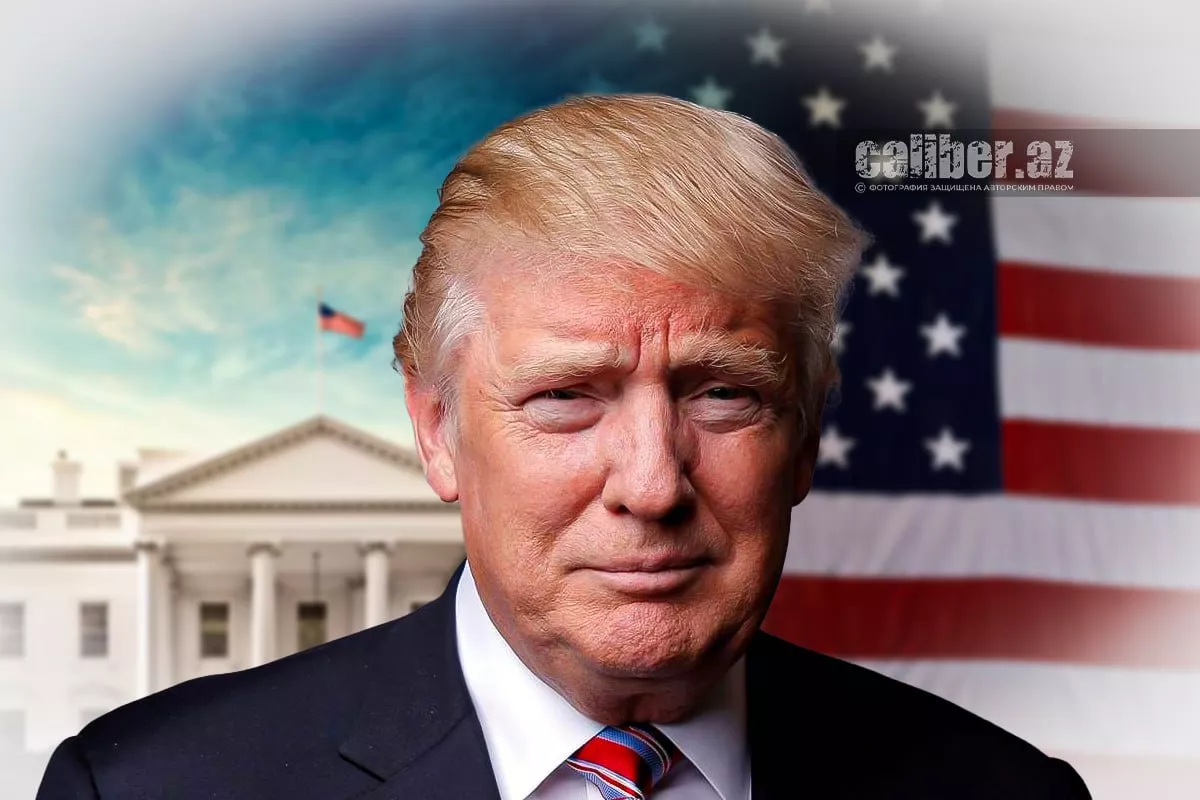
The situation evolved rapidly, and within just a few hours it became clear that U.S. actions had produced tangible results. In particular, Donald Trump announced the successful completion of the operation on his Truth Social page.
“The United States of America has successfully carried out a large scale strike against Venezuela and its leader, President Nicolas Maduro, who has been, along with his wife, captured and flown out of the Country. This operation was done in conjunction with U.S. Law Enforcement. Details to follow,” the White House chief wrote.
Caliber.Az reached out to an American expert and a Russian political analyst specialising in Latin America to comment on the events unfolding in Venezuela.

According to American political analyst Andrew Korybko, the U.S. military operation in Venezuela was a stunning and unequivocal success: American forces achieved air superiority, numerous military facilities were destroyed, and Maduro was captured. He believes the operation was likely designed to assert U.S. dominance in the Western Hemisphere as part of the Monroe Doctrine revived by Donald Trump and outlined in the recent National Security Strategy.
“The United States is striving for complete and uncontested control over the Western Hemisphere, which requires either the military subjugation of resistant countries such as Venezuela or their coercive submission—for example, through tariffs—as appears to have been achieved recently with Brazil.
The ultimate goal of this grand ‘Fortress America’ strategy is the survival, and even prosperity, of the United States in the event that it loses control over the Eastern Hemisphere, which could in the future fall under China’s dominance. At the same time, it is clear that Washington will continue to try to prevent such processes through pre-emptive actions. In any case, the most important conclusion to be drawn from this military operation is the following: the United States is prepared to use force to shape a sphere of its total influence in the region,” Korybko stated.
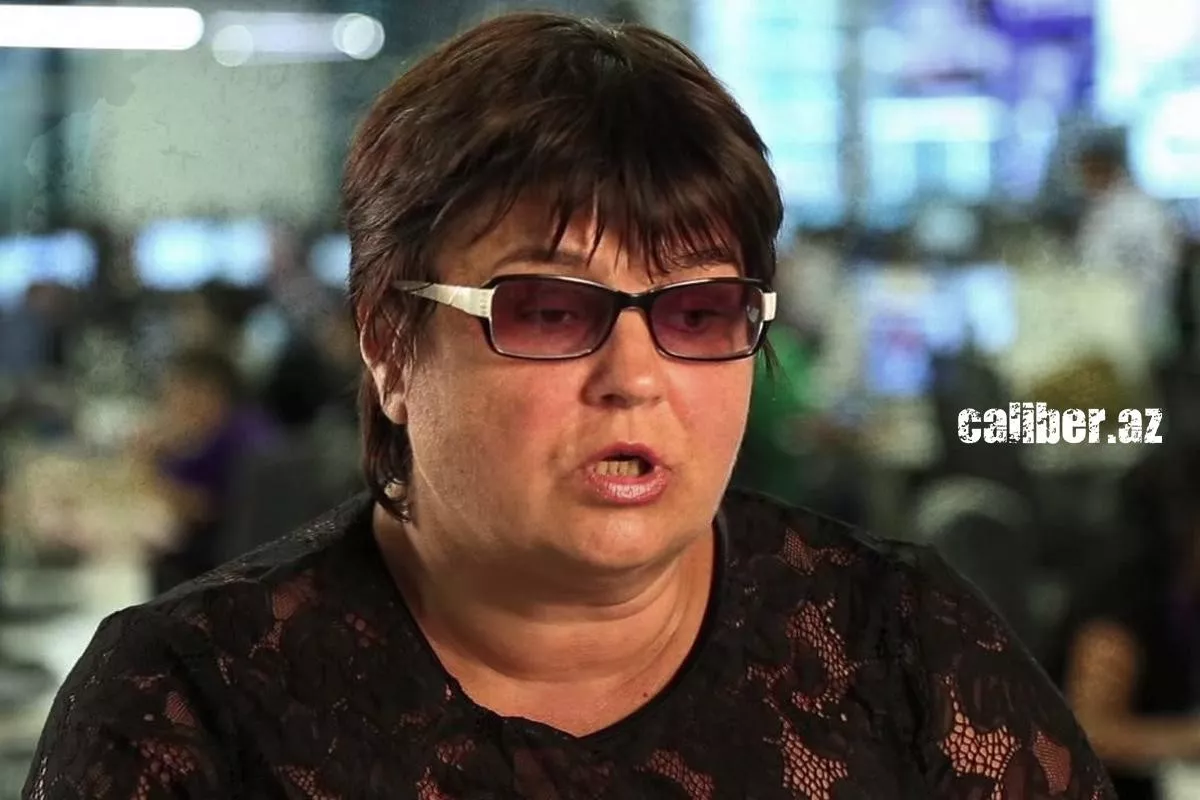
In turn, Dr Tatyana Poloskova, Doctor of Political Science, State Counsellor of the Russian Federation (1st class), and a specialist in Latin America, noted that—unlike many of her Russian colleagues—she had no doubt that Trump would initiate military action in Venezuela.
“Supporters and opponents of the Maduro regime, which has led the country into a deep economic collapse, were roughly equal in number, and there is no need to place all the blame on Chávez and the budgetary debts the country inherited from him. Under Chávez (I have been visiting Venezuela regularly since 2006), such economic problems did not exist, and improvements were evident, including in the fight against crime. In my view, it is unlikely that Venezuelans will ‘rise as one’ to defend the government, even though Maduro called for the mobilisation of self-defence forces.
Cuba’s leadership has naturally voiced support for Maduro, as a change of power could leave the island without oil supplies. For almost ten years, Venezuelan oil has been under the tight control of advisers from Cuban state security agencies, ensuring supplies to the Island of Freedom. Just a few hours before the military operation began, Maduro held talks on military cooperation with China, but it became clear that the PRC would not become involved in full-scale military action with the United States over its assets in Venezuela. As is well known, almost the entire retail trade sector in the United States is dominated by Chinese interests. Why would they want a confrontation?” the political analyst said.
In her view, oil is both Venezuela’s greatest wealth and its greatest curse: the number of those eager to “lay claim” to this resource is enormous, and in such a struggle, all means are considered fair.
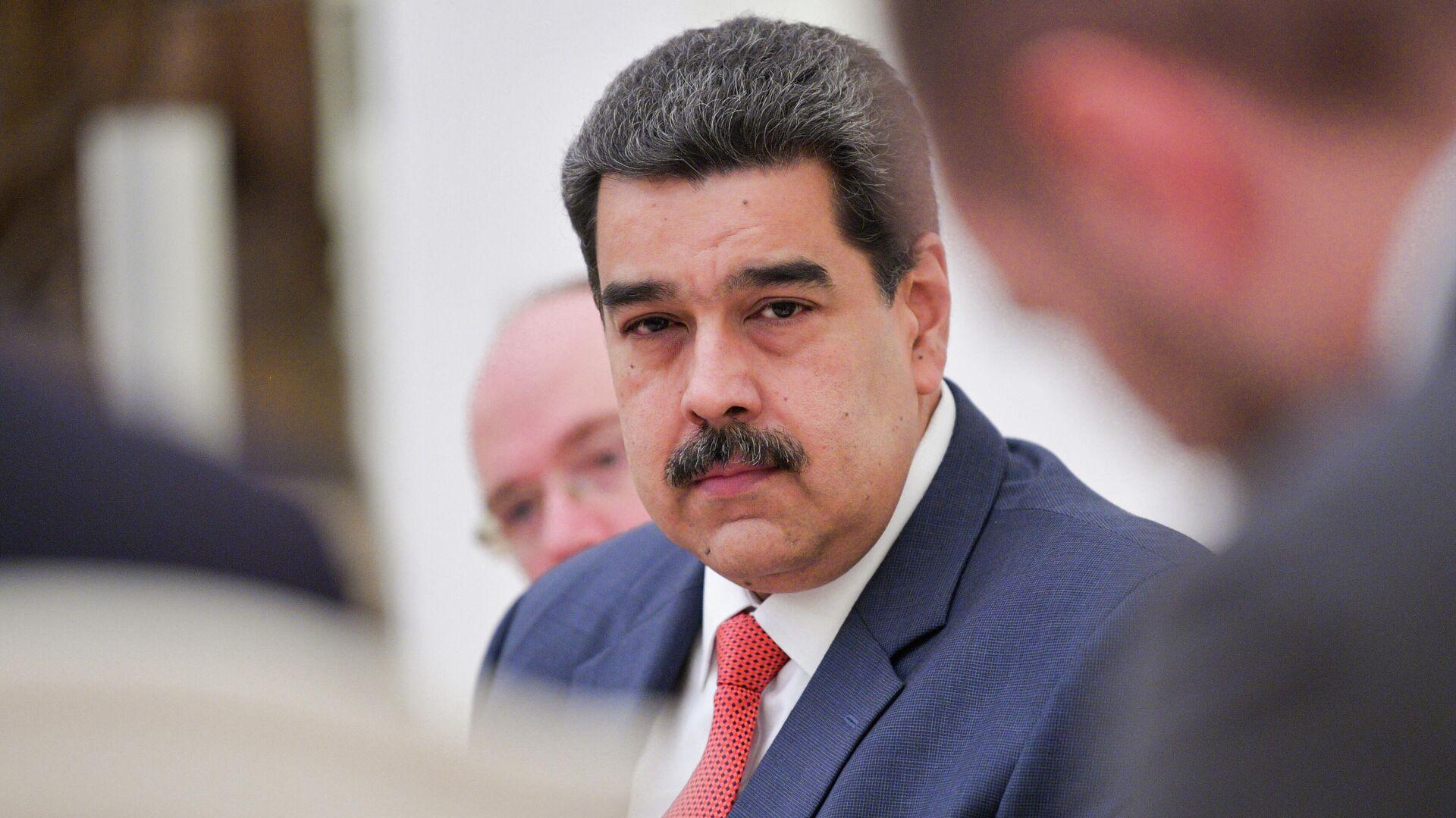
“Since Maduro has been captured, Vice President Delcy Rodríguez—a highly competent politician and administrator—is, if necessary, capable of replacing him in this position. I hope she will be able to prevent further escalation. I have met this woman personally, and she leaves nothing but positive impressions. As for Maduro, it seems to me that no one detained him by force; if he was indeed captured, it was most likely by his own consent, and this, too, was part of the bargaining process,” Poloskova concluded.







 editor@caliber.az
 +994 55 444-88-98
 Азербайджан, Баку, ул. Низами, 203, Af Business House, 5-й этаж