










African thunder in the Middle East Kampala vs Tehran
Amid the full-scale Middle Eastern war stemming from the US–Israel bloc’s confrontation with Iran, hardly any country in the world has remained untouched—even an African nation like Uganda. Recently, the head of Uganda’s People’s Defence Forces, General Muhoozi Kainerugaba, made a statement that sent a mild shock through the international community.
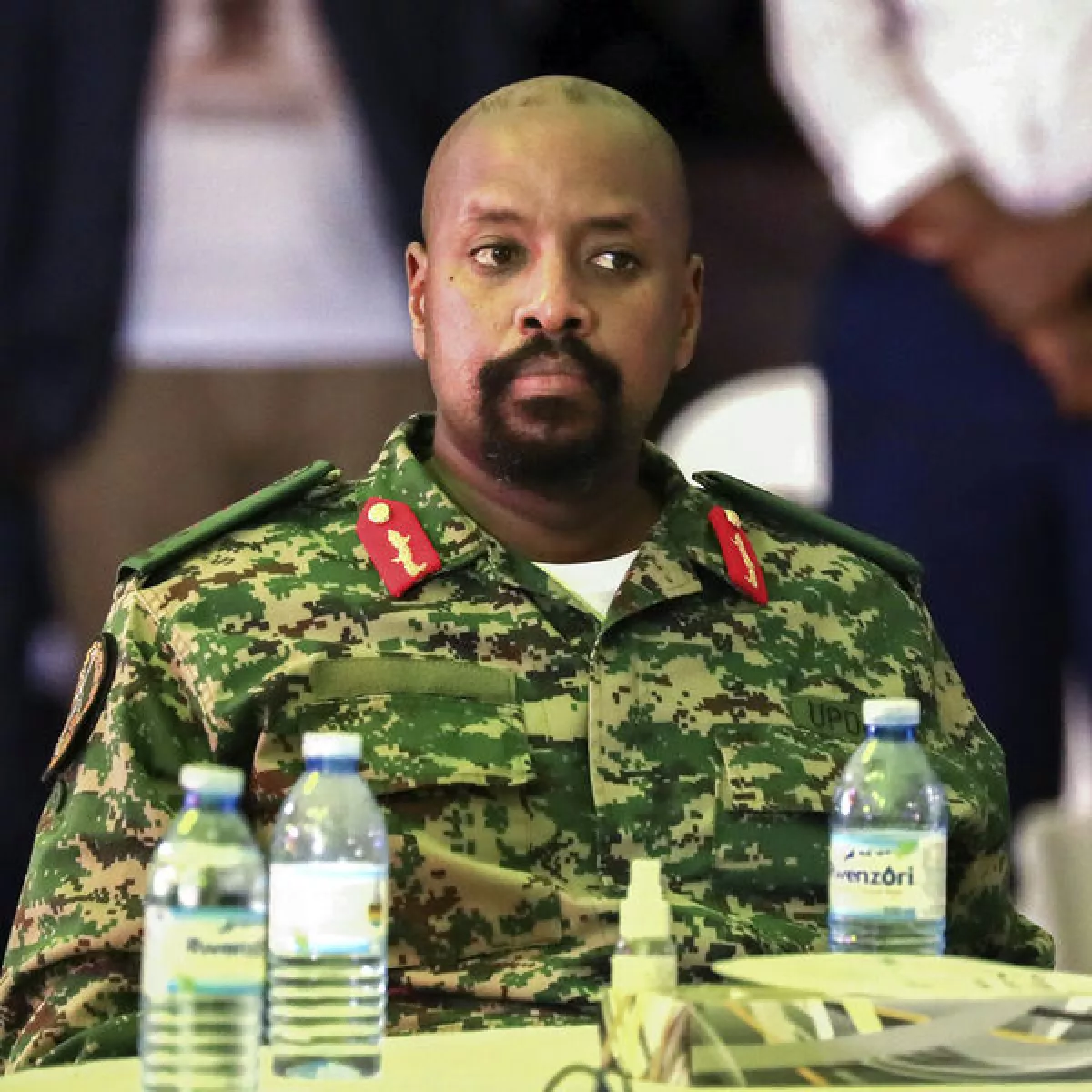
In particular, on his X (formerly Twitter) account, he published a post claiming that the Ugandan army could seize the Iranian capital in a flash. “It can't take us more than 2 weeks to capture Tehran,” Kainerugaba wrote, noting that a single brigade of the People’s Defence Forces would suffice.
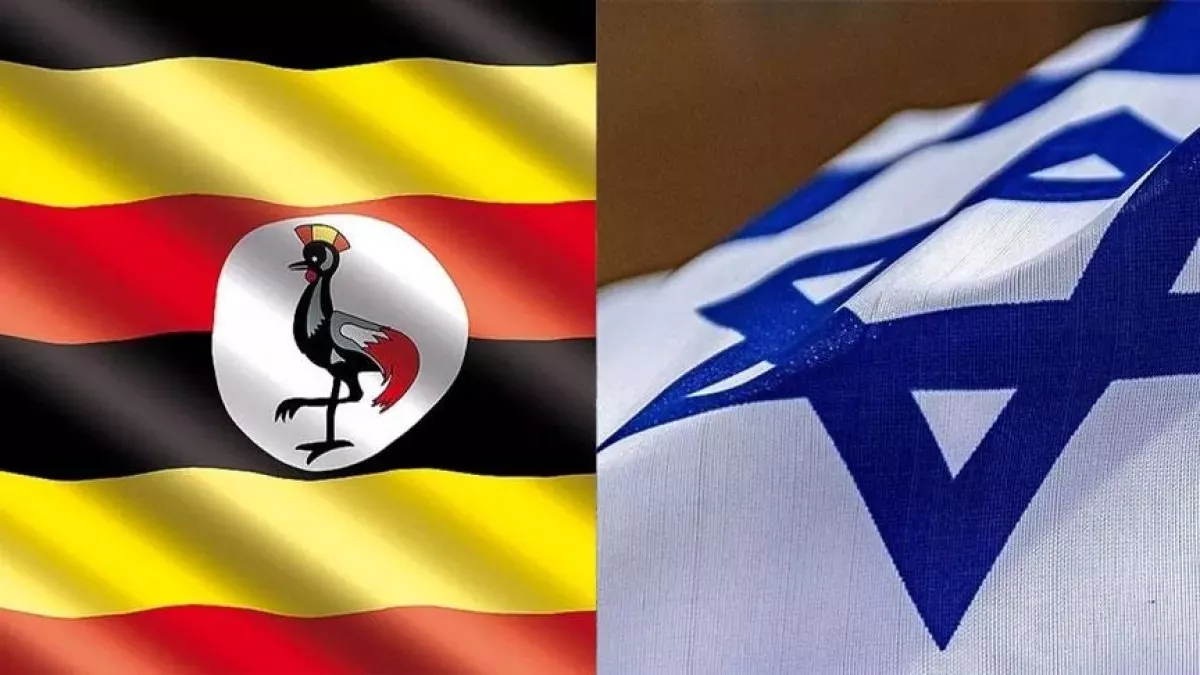
This post by the general continued a series of similar statements regarding the Middle Eastern conflict. For example, on March 26, Kainerugaba wrote that Uganda wants “the war in the Middle East to end now. The world is tired of it. But any talk of destroying or defeating Israel will bring us into the war. On the side of Israel!”
It is worth noting that the head of the People’s Defence Forces justifies his support for Israel by citing shared faith and gratitude for past assistance: “We are Christians. Israel stood with us when we were nobodies in the 1980s and 1990s. Why wouldn't we defend her now that our GDP is $100 billion?”
So, what is the background behind the statements made by the high-ranking Ugandan military officer, and what consequences could they lead to?
First, it should be noted that the religious framing the general gives to his statements is not entirely accurate. Israel’s state religion is Judaism, practised by more than 75 per cent of the population, while Christians make up a minority—about 2 per cent, according to publicly available data.
At the same time, the Israeli state did actively support Uganda in the 1980s and 1990s. During that period, Uganda received substantial military, technical, and advisory assistance from Israel in rebuilding and training its army after internal conflicts. According to international experts, this support was part of Israel’s strategy to restore ties in East Africa after a period of hostility under the dictator Idi Amin (1971–1979).
In addition, Israel’s assistance helped strengthen the position of Yoweri Museveni’s government, whose eldest son—and the real candidate for future leadership—is Muhoozi Kainerugaba. He currently also heads the “Patriotic League of Uganda,” an organisation promoting his rise to the presidency. Considering this, it can be argued that the general’s statements in support of Israel are linked to the personal interests of the Museveni family.
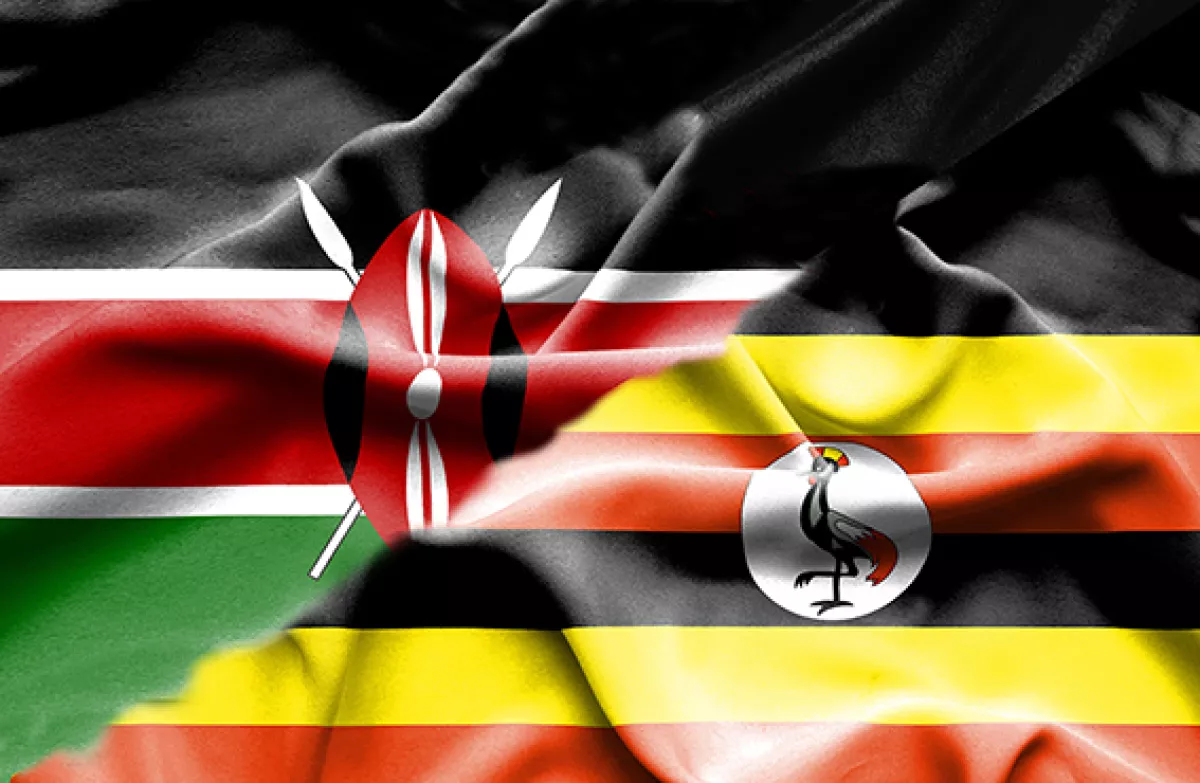
The second aspect is that Kainerugaba periodically makes provocative statements on social media, which have repeatedly complicated Uganda’s relations with other countries. For example, in October 2022, he threatened to seize Kenya’s capital, Nairobi, sparking a new wave of tension between the two nations. Ultimately, Kampala had to issue an apology to the Kenyan people.
On the other hand, the general’s expressed support for Israel is linked to several significant political factors. The first is that Kampala sees Israel as an ally in the fight against Islamist groups. Uganda participates in a number of security operations and programmes alongside the US and Israel. In particular, the country has been involved in the peacekeeping mission in South Sudan and has taken part in operations against the Somali group Al-Shabaab. In other words, here, as they say, the interests of the parties fully align.
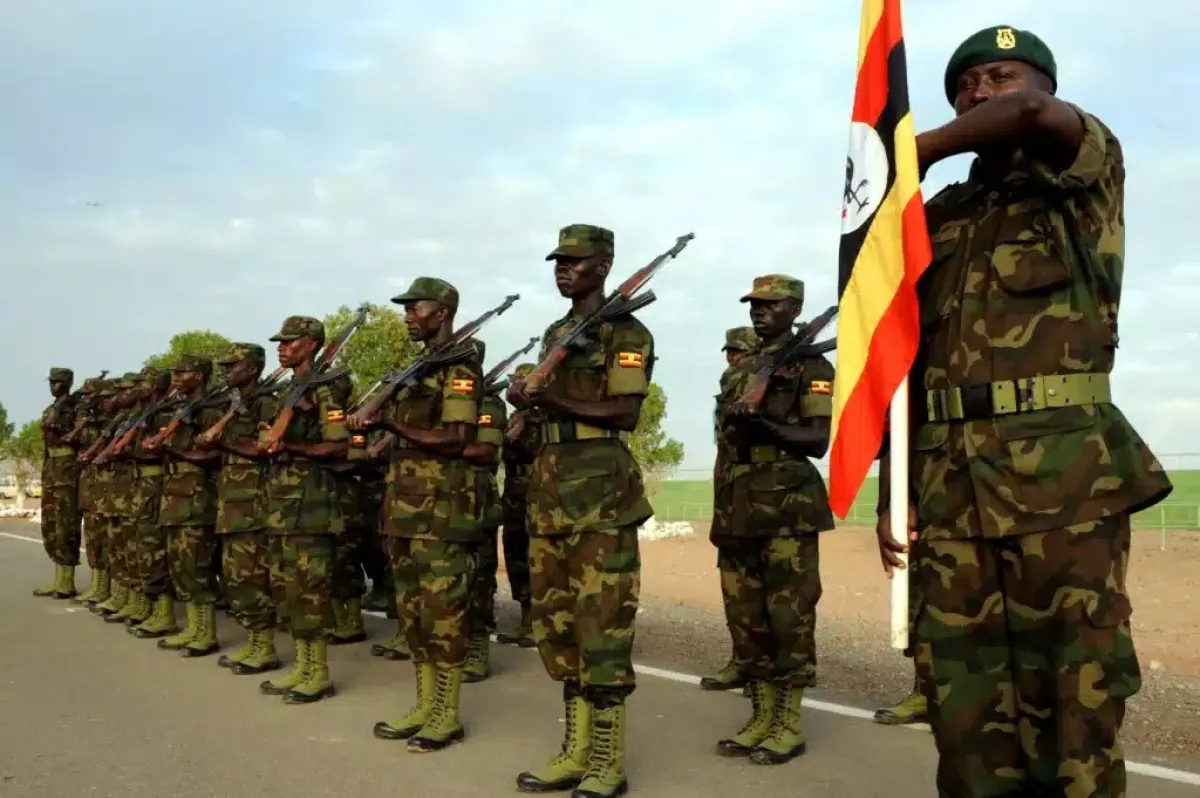
However, objectively, Kampala is not in a position to confront Tehran—geographically, logistically, or, even more so, militarily.
Given this, the statements of the Ugandan general are more of a message to the international community that Uganda aligns with Israel in the Middle Eastern confrontation. They also serve as a publicity move aimed at strengthening ties with the US and Israel and reinforcing Uganda’s image as a leading African ally. It is also possible that the remarks by the head of the People’s Defence Forces are intended for a domestic audience, aiming to cultivate the image of a decisive and tough leader, clearly with an eye toward the future.
As for Israel’s position, while the general’s words caused a stir, no official reaction followed. Thus, it can be concluded that the statements in support of Israel have hardly brought Uganda any significant political benefits. Nevertheless, there is no doubt that, in Tehran, Kampala has found a real adversary.







 editor@caliber.az
 +994 55 444-88-98
 Азербайджан, Баку, ул. Низами, 203, Af Business House, 5-й этаж