










Ankara-Yerevan: A step towards peace or two steps back to confrontation? Analysis by Nasibova
The Armenian-Turkish negotiating agenda seems to be progressing consistently according to the previously planned schedule. On May 3, the third round of talks within the framework of the Turkish-Armenian normalization process was held in Vienna with the participation of special envoys of Turkey and Armenia. At the end of the meeting, participants confirmed their agreement to continue the normalization process without preconditions.
Thus, the sides are trying to move toward each other. But will they reach the finish line together? Caliber.Az asked foreign experts to share their opinion on this issue.
Ankara stands for peaceful dialogue!
According to Salih Yilmaz, a professor at Yildirim Beyazit University in Ankara, this is a very favourable period for Armenia in terms of normalizing relations with its neighbours in the region. According to Yilmaz, Armenia could use Ankara's readiness for a normal political dialogue with Yerevan to its advantage.
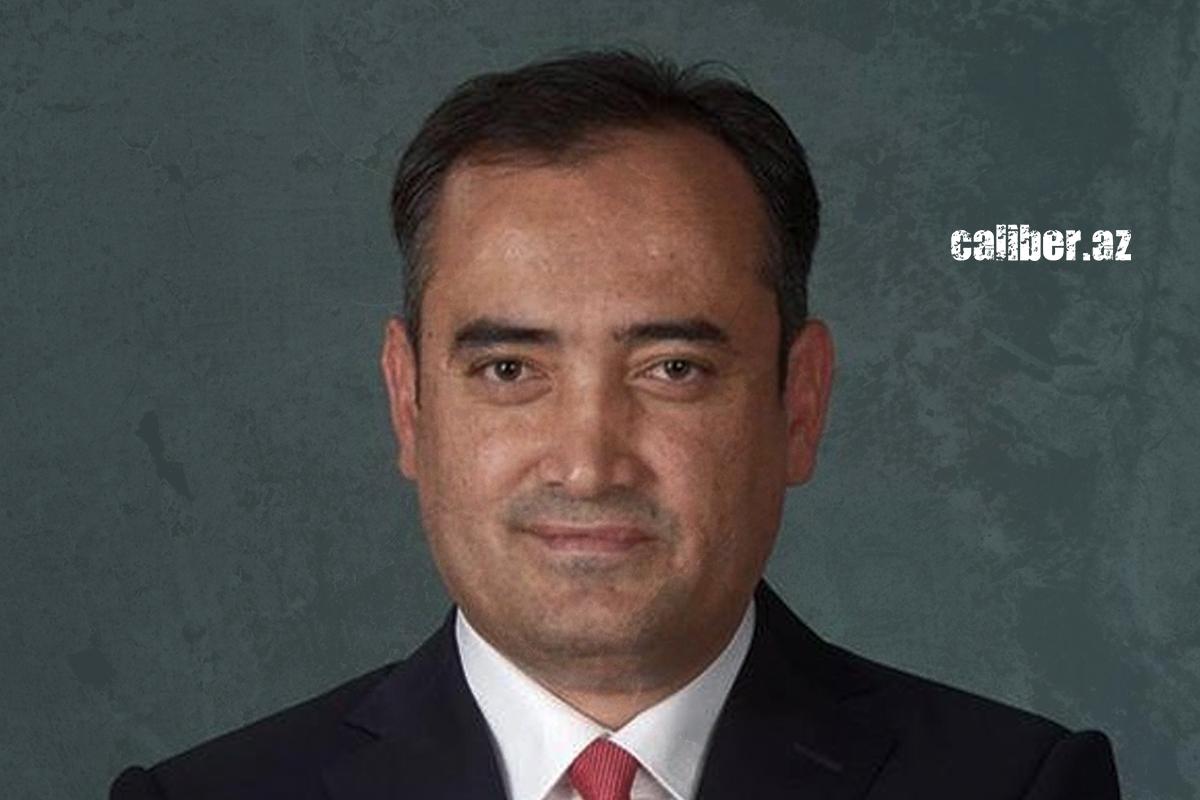
"In fact, both Turkey and Azerbaijan are offering Armenia an opportunity to get out of the long-standing economic deadlock, and this is primarily aimed at the interests of the Armenian state itself. Turkey has said earlier that it has no objection to the normalization of relations with Armenia and is ready to discuss any issue with Yerevan without preconditions. This already means Ankara is willing to gradually normalize relations with Yerevan. And here much will depend on the extent to which the Armenian society is ready for bilateral interaction," said Salih Yilmaz.
Is Armenia again playing a victim?
In his turn, Vladimir Grigoryan, Russian journalist, and deputy editor of "Vera-Eskom" newspaper, considers the process of normalization of Armenian-Turkish relations as a possibility for Armenia as an armistice, and for Turkey as a special case in its negotiations with Russia.

"Three million Armenians were not at enmity with eighty million Turks. Eighty thousand Armenians live in Turkey, not counting the several hundred thousand Turks who remember their Armenian roots. How was this enmity expressed by Armenia? If Turkey wants to stop enmity and make a bad peace, let it stop and make a bad peace. I do not understand what is required from Armenians in this situation. Should they sign something? Well, they will sign, if it doesn't come to the point that it would be good for Armenia to give up some more of its remnants of territory. My words may sound radical, but I am neither radical nor Dashnak. I'm just stating a fact," Grigoryan said.
Categorically NO!
Uzbek expert Shukhrat Barlas, discussing the normalization of Armenian-Turkish relations, categorically ruled out a positive outcome. According to him, this comes entirely from the stubborn position of Armenia.
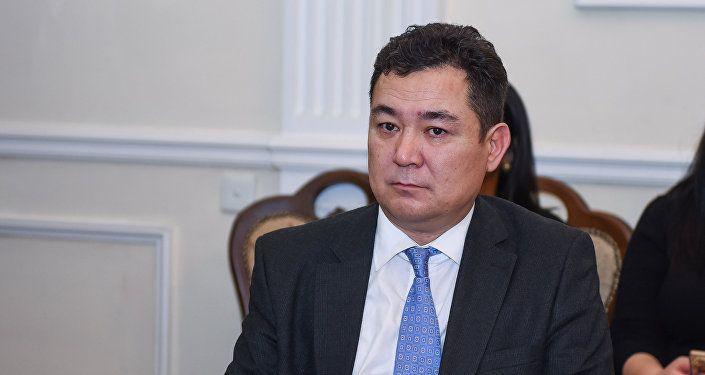
"The fact is that Armenia has no readiness for peaceful coexistence. Yerevan's policy is aggressive, and, importantly, it is unable to make political decisions on its own and constantly looks back at Russia. Roughly speaking, Armenia does not solve the issue of peace and war.
On the other hand, the whole idea of Armenian statehood is based on the Armenian-Turkic enmity. Without this idea, Armenians will disappear as a people and as a nation," Barlas stated, adding that this is the main problem of global Armenians.
Speaking of the Armenian-Turkish normalization, there is another important point worth noting.
To recall, last year official Yerevan asked Moscow to help in normalizing relations with Turkey. Given Russia's close partnership with Turkey, this step by Armenia was quite reasonable and logical, and, incidentally, many Turkish political technologists share this view.
Our interviewee Salih Yilmaz holds the same opinion, according to whom the rapprochement of Ankara's and Yerevan's positions is in the interests of Moscow.
According to him, the establishment of a peaceful environment in the South Caucasus can create favourable opportunities for the expansion of regional economic cooperation, as well as strengthen the EAEC. "At the same time, if diplomatic relations are established between Ankara and Yerevan, the influence of France and the United States in the region will significantly decrease, which is also directly in Russia's interests," the expert believes.
Curiously, the Russian expert community does not share this opinion at all.
Moscow doesn't care about Armenians and Turks
Thus, according to Aleksey Nezhivoy, head of the Laboratory of Political and Social Technologies of the Russian Federation, the objective political process is as follows.
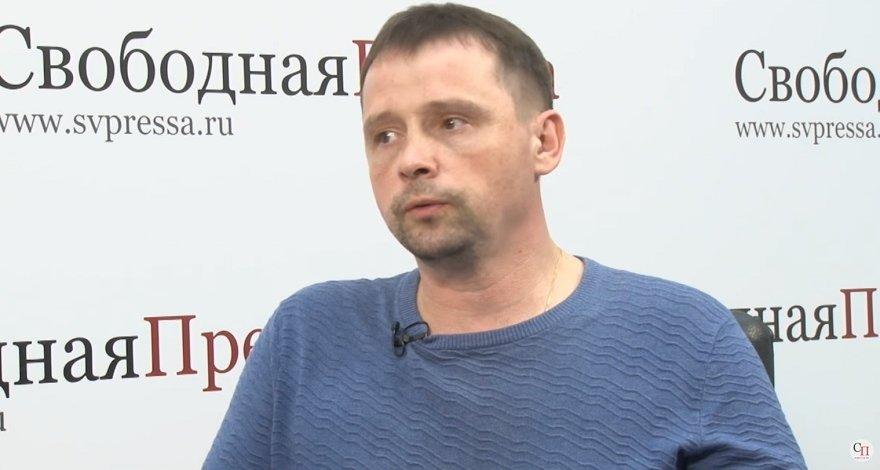
"Firstly, President Erdoğan is trying to negotiate with the most uncooperative force in the South Caucasus in order to take the region under the protectorate of Turkey. Second, the policy pursued by the Armenian leadership, namely to lean on the one who is more pitiful and promising, has led the country to its main historical geopolitical foe. I believe this will not end well for Armenia.
Third, Turkey now is a strong geopolitical player in the region, and the reason for this is Erdoğan. As for Russia's position on the issue of rapprochement between Turkey and Armenia, and Moscow does not care about that right now, as the war in Ukraine has a tendency to expand. Russia is busy with Ukraine, and Turkey is trying to solve the problem of Armenia against this background," Nezhivoy said.
Half a step away from a coup d'état?
According to Nezhivoy, Armenians will seek support everywhere. Including those who, perhaps out of despair, will also find it in Turkey, which, of course, is in Ankara's interest.
"The current situation in Armenia is quite explosive. The opposition continues to hold protests demanding Pashinyan's resignation, which later escalate into clashes between protesters and police officers. At the same time, the opposition members use all possible means to discredit the government. So far, the authorities have been acting on their usual practice of deploying security forces to detain protesters at rally venues. But this may not be enough to stabilize them. I don't rule out that the next step of the opposition will be an attempt at a coup d’état," the Russian political analyst said.
There is no doubt that in case of a coup d’état in Armenia, the process of normalization of relations with both Turkey and Azerbaijan can stagnate. It is not in the interests of Armenia itself, which may finally lose the remains of its statehood. But do those who are today in the streets of Yerevan demanding a change of government understand this?







 editor@caliber.az
 +994 55 444-88-98
 Азербайджан, Баку, ул. Низами, 203, Af Business House, 5-й этаж