










Architecture of the peace process 2025 as a turning point for the South Caucasus
The year 2025, which differed markedly from previous years due to major political developments in the South Caucasus, will be remembered above all for the fact that the region’s peace agenda acquired tangible form. Azerbaijan and Armenia, having reached the final stretch in the process of fully normalising relations, came very close to signing a comprehensive peace agreement.
Thus, from the perspective of the Armenian–Azerbaijani settlement, 2025 can be described with full confidence as a turning point, as the peace process moved beyond protracted negotiations, creating the conditions for a transition from discussion to the practical implementation of the agreements reached.

The first point to note in this regard is that the delimitation of the border between the two countries, which began on April 23 2024 with practical work in Armenia’s Tavush region, continued actively in 2025 through a series of bilateral meetings on the matter.
On January 16, the 11th meeting of the parties was held, at which an agreement was reached to begin delimitation from the northern section (the junction with Georgia) and proceed southwards, followed by the 12th meeting on November 28 in Gabala. In addition, delegation visits took place to discuss the further coordination of works, including demarcation and the establishment of communications. Naturally, the delimitation process is not yet complete, and, as the year’s results showed, the final determination of the borders still lies ahead.
The second point is that, already in the first half of the year, Baku and Yerevan confirmed their positions on all key provisions of the peace treaty, the content of which fully reflects Azerbaijan’s core demands. Meanwhile, high-level talks in Abu Dhabi between President Ilham Aliyev and Prime Minister Nikol Pashinyan effectively prepared the political and diplomatic groundwork for the Washington agreements.

On August 8, 2025 in Washington, in the presence of the leaders of Azerbaijan, Armenia, and the United States, the foreign ministers of the two countries, Jeyhun Bayramov and Ararat Mirzoyan, initialled the draft “Agreement on the Establishment of Peace and Interstate Relations between the Republic of Azerbaijan and the Republic of Armenia”, which in essence marked the culmination of the negotiation cycle. This document confirms the mutual recognition of borders and the renunciation of territorial claims, and it also includes agreements on the creation of a transport corridor to Azerbaijan’s Nakhchivan Autonomous Republic.
Thus, the Washington negotiations not only helped ease the long-standing tensions between Baku and Yerevan but also provided confidence that a new war—actively promoted by opponents of peace with Azerbaijan, both within Armenia and beyond—would not occur in the region. At the same time, in terms of the historical significance of the Washington agreements for the South Caucasus, the following aspects should be highlighted:
First, the administration of President Donald Trump, unlike its predecessor, demonstrated a clear commitment to establishing peace in the region by prioritising engagement with Baku and Yerevan. As a result, the intensive dialogue between Baku and Washington received a significant boost, marking yet another diplomatic success for Azerbaijan on the international stage.
By skillfully leveraging the heightened U.S. interest, Baku was able to diplomatically clarify to the American side the peace agenda that Azerbaijan has been consistently promoting since the start of the post-conflict period in the region. It is therefore no exaggeration to state that Azerbaijan itself played a major role in pushing the peace process toward a logical and successful conclusion.
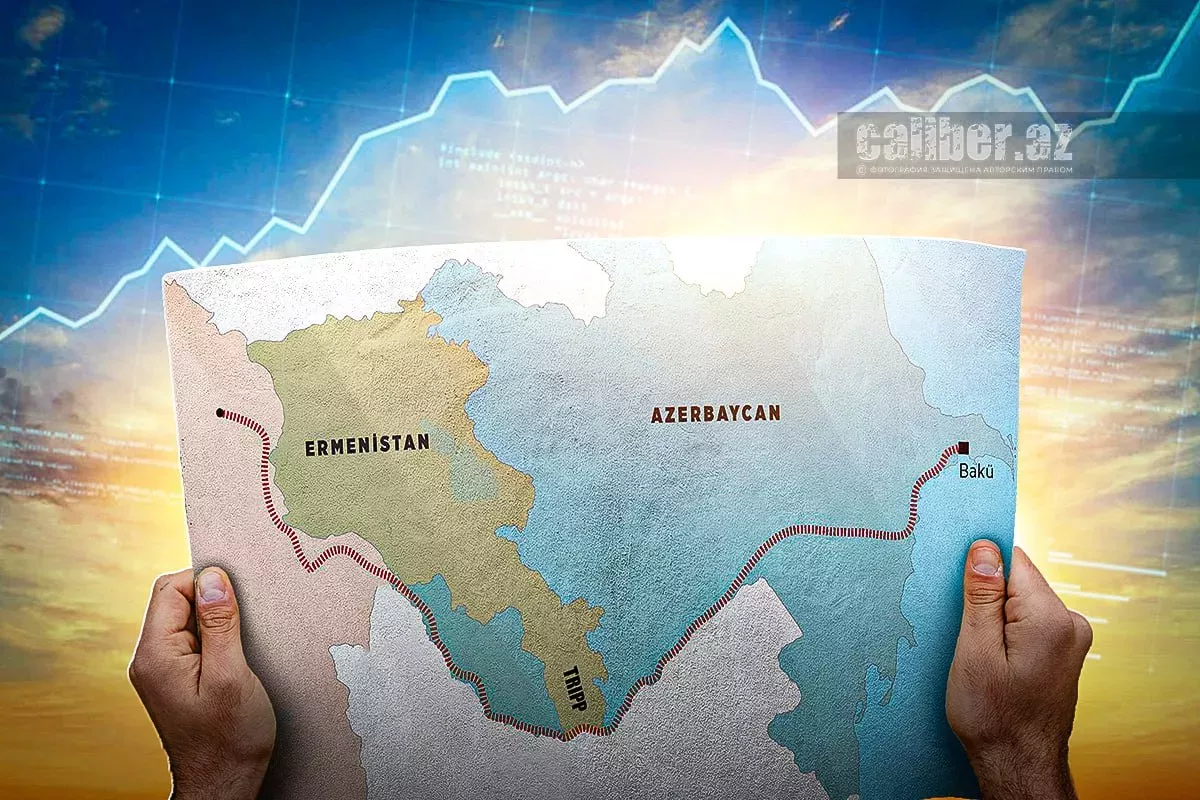
Second, particular attention should be given to the TRIPP initiative proposed by Washington, which, in addition to its economic benefits for the countries of the region, became an effective tool for the practical resolution of complex issues within the Azerbaijani–Armenian peace agenda—namely, the unblocking of communications and ensuring unhindered connectivity between Azerbaijan’s western regions and Nakhchivan. The United States’ role as an institutional participant in the TRIPP project serves Azerbaijan’s interests further, as the implementation of this project aligns with the broader logic of advancing the region’s peace process.
Third, in the context of the Washington agreements, particular attention should be given to another historic development, which rightly represents yet another diplomatic victory for Azerbaijan. On September 1, the Council of Ministers of the Organization for Security and Co-operation in Europe (OSCE) decided to close the Minsk Group and its associated structures. This marked the definitive end of the unproductive existence of the OSCE Minsk Group, whose stated task was to facilitate a peaceful settlement of the conflict between Armenia and Azerbaijan through co-chairs from the United States, Russia, and France.
However, throughout its existence, the Minsk Group, despite UN Security Council resolutions demanding the immediate withdrawal of Armenian armed forces from Azerbaijan’s occupied territories, consistently failed to implement these decisions. Instead of condemning the aggressor state, it limited itself to declarative statements calling for peace—addressed to both sides for reasons only it seemed to understand.
The dissolution of the OSCE Minsk Group removed one of the key obstacles to the signing of a peace agreement between Baku and Yerevan. Armenia now faces the final requirement of Azerbaijan’s peace agenda: to amend its constitution to eliminate territorial claims against Azerbaijan.
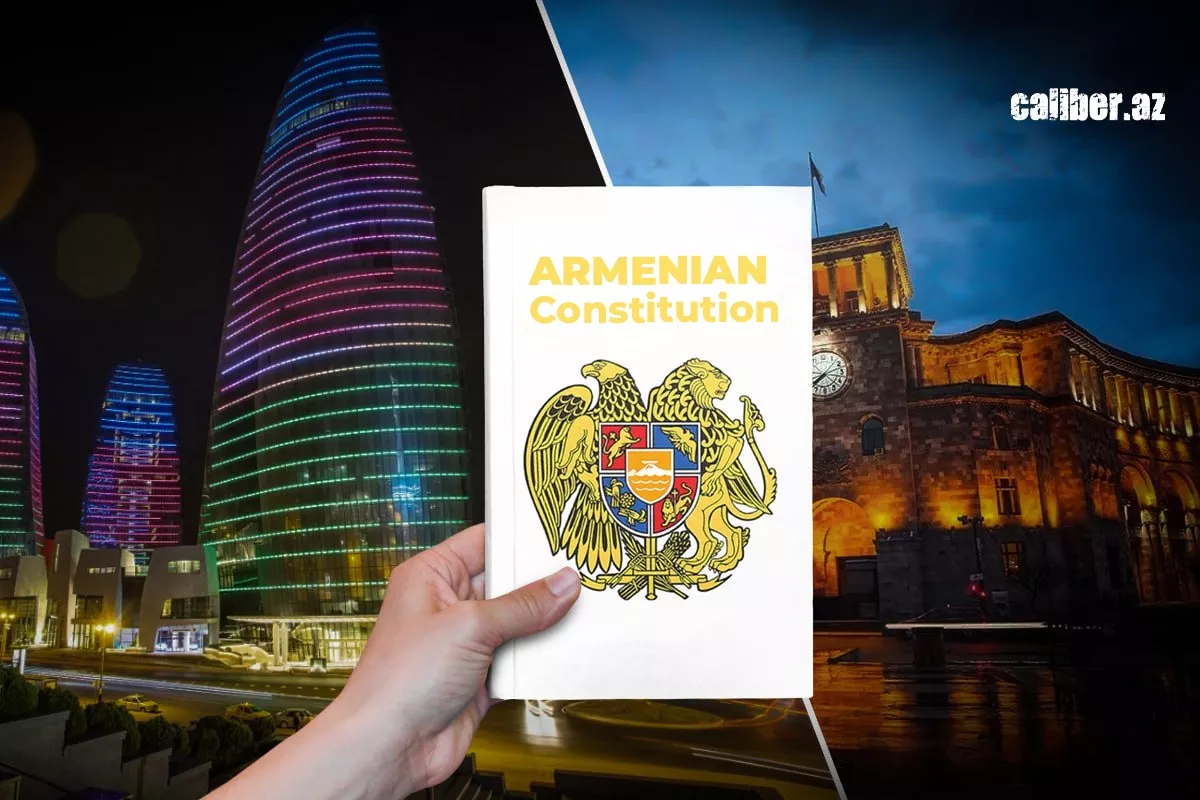
As is well known, parliamentary elections are scheduled to take place in Armenia in June 2026, followed by a nationwide referendum envisaging the adoption of a new constitution. The Armenian authorities are actively encouraging citizens to participate in these important political events. At the same time, however, opponents of the Armenian leadership’s policies have become increasingly active, and it is clear that, as summer approaches, efforts to fuel revanchist sentiments in Armenia are likely to intensify.
In this context, the Armenian leadership requires, now more than ever, firm political will and the ability to convince society of the necessity of achieving a comprehensive peace with Azerbaijan. Especially given that there are already very strong arguments in favour of peace, which have been practically demonstrated. For example, Prime Minister Nikol Pashinyan highlighted the fact that, over the course of one year and eight months, not a single serviceman has died along the Armenian–Azerbaijani border as a result of shootings, emphasising that such a prolonged period of peace has never occurred in the history of Armenia’s independence.

The Armenian leader also expressed gratitude to President Ilham Aliyev for Azerbaijan’s consistent steps in putting the peace agenda into practice. For instance, official Baku announced the lifting of the ban on transit of goods to Armenia through Azerbaijani territory, allowing Kazakhstan and Russian grain to reach the country. In December 2025, the first shipment of AI-95 gasoline produced in Azerbaijan arrived in Armenia. For the first time in post-Soviet history, Baku and Yerevan recorded official trade turnover, and expectations for significant growth in the future are already emerging.
Taken together, all of the above developments should serve as a strong incentive for Armenian society to make the right decisions in the upcoming parliamentary elections and constitutional referendum. The Armenian public needs to understand that the fate of not only their own country but the entire region—which is now on the brink of peace and prosperity—depends on this historic choice.







 editor@caliber.az
 +994 55 444-88-98
 Азербайджан, Баку, ул. Низами, 203, Af Business House, 5-й этаж