










Baku at the centre of European strategy Review by Teymur Atayev
How is the significance of political leadership defined? First and foremost, by fidelity to one’s word and the ability to consistently implement a declared agenda, despite any difficulties and external circumstances. However, in the context of the emerging new world order, we are increasingly witnessing how many heads of state, who position themselves as first-rank leaders, abandon their own promises or disavow previously made statements.
Azerbaijan is a country that has always fulfilled its commitments. As President Ilham Aliyev stated in this regard in 2020: “We are committed to our statements. Azerbaijan is a country that has always fulfilled its obligations. I have always said that our word is as valid as our signature.”
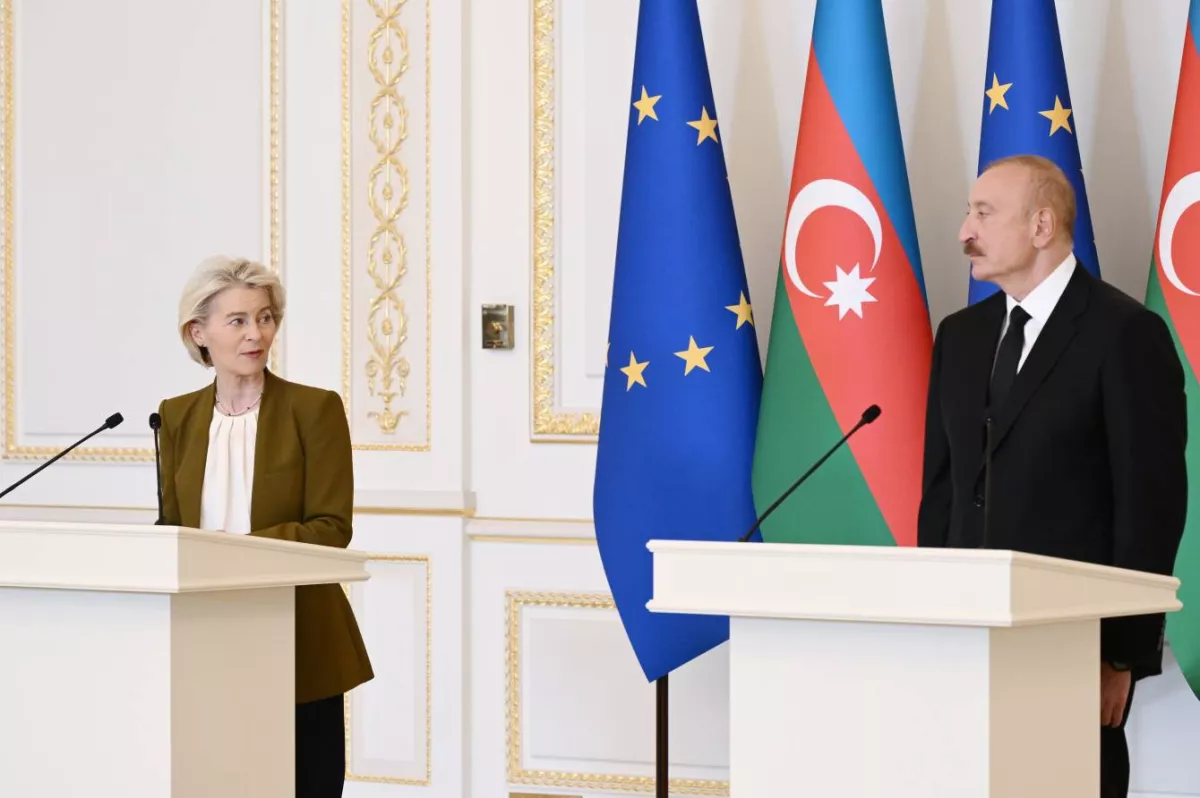
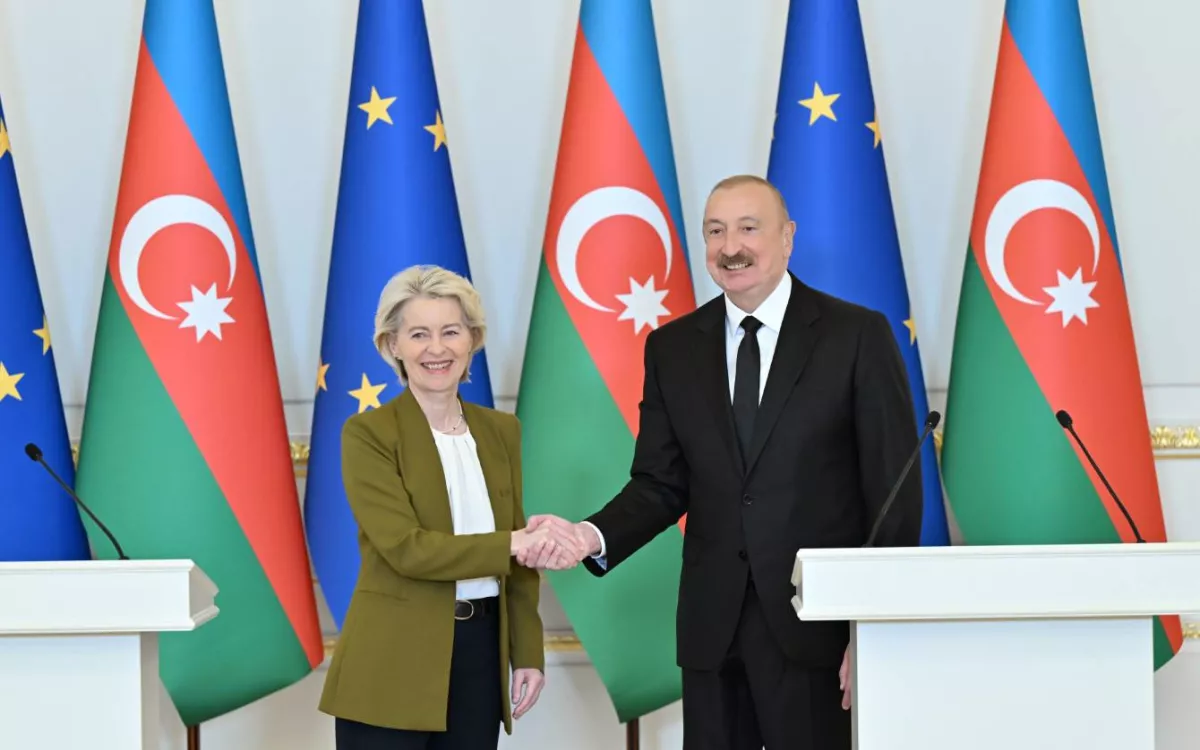
One of the key leitmotifs of the press statement delivered by the President of the European Commission (EC), Ursula von der Leyen, recently was the characterisation of Azerbaijan as a reliable and trustworthy energy partner of the European Union.
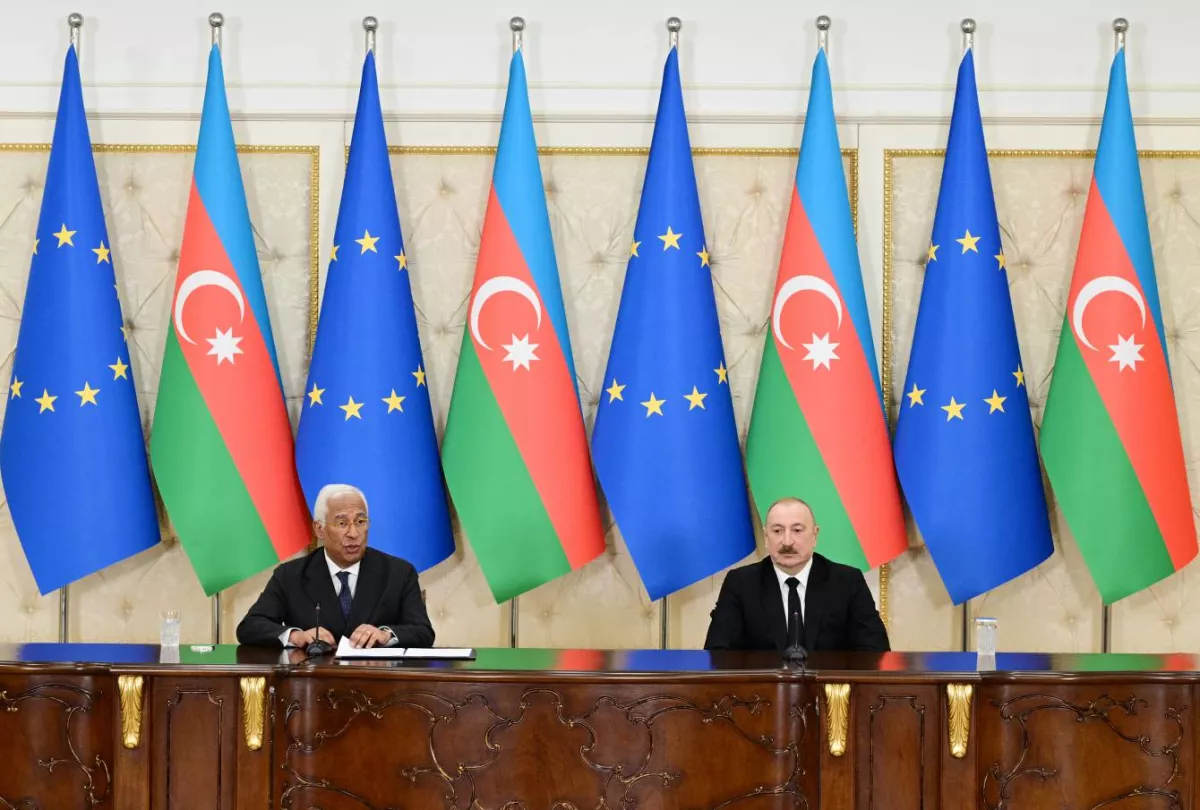
This effectively corresponds almost word for word to what European Council President António Costa stated in March of this year regarding cooperation between Brussels and Baku aimed at transforming today’s challenges into tomorrow’s opportunities. At that time, he emphasised the decisive importance of the leadership of President Ilham Aliyev, thanks to which strong partnership relations can be further expanded “for the benefit of both our peoples.”
Today, the strong partnership between the EU and Azerbaijan has become a historical reality, meeting the mutual interests of both sides and contributing to the strengthening of peace, stability, transport connectivity, and sustainable development in the wider regions of the Black Sea, the South Caucasus, and Central Asia.
EU leaders are fully aware of Azerbaijan’s key role in ensuring regional connectivity, primarily within the framework of the Middle Corridor, as well as its ongoing efforts to implement the TRIPP project. A High-Level Working Group on Economic Cooperation has been established to strengthen economic ties and investments between Azerbaijan and the EU under the Global Gateway initiative.
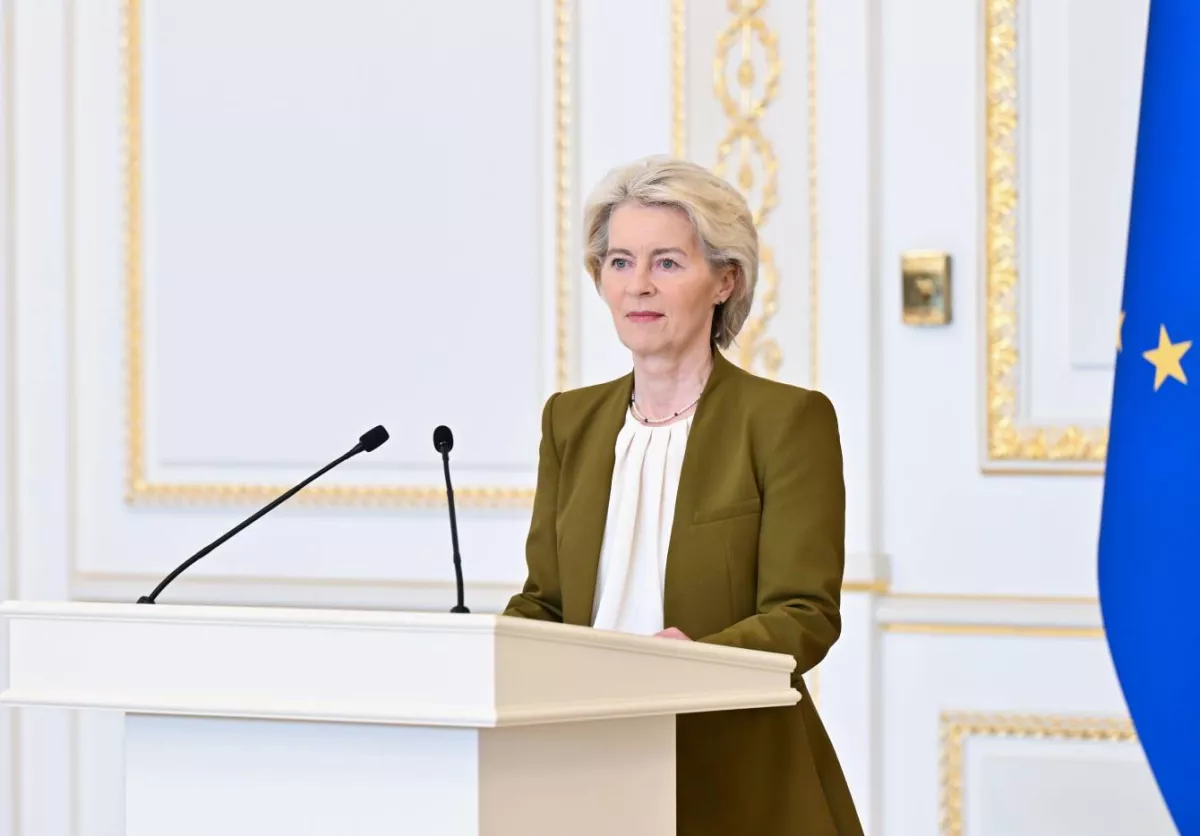
Ursula von der Leyen noted that the proposal to launch a transport connectivity partnership is driven by Baku’s skilful combination of its strategic geographic position with its growing political, economic, and regional influence. Azerbaijan’s location between Asia and Europe, at the crossroads of the East–West and North–South corridors, as well as the infrastructure it has developed, has secured this advantage.
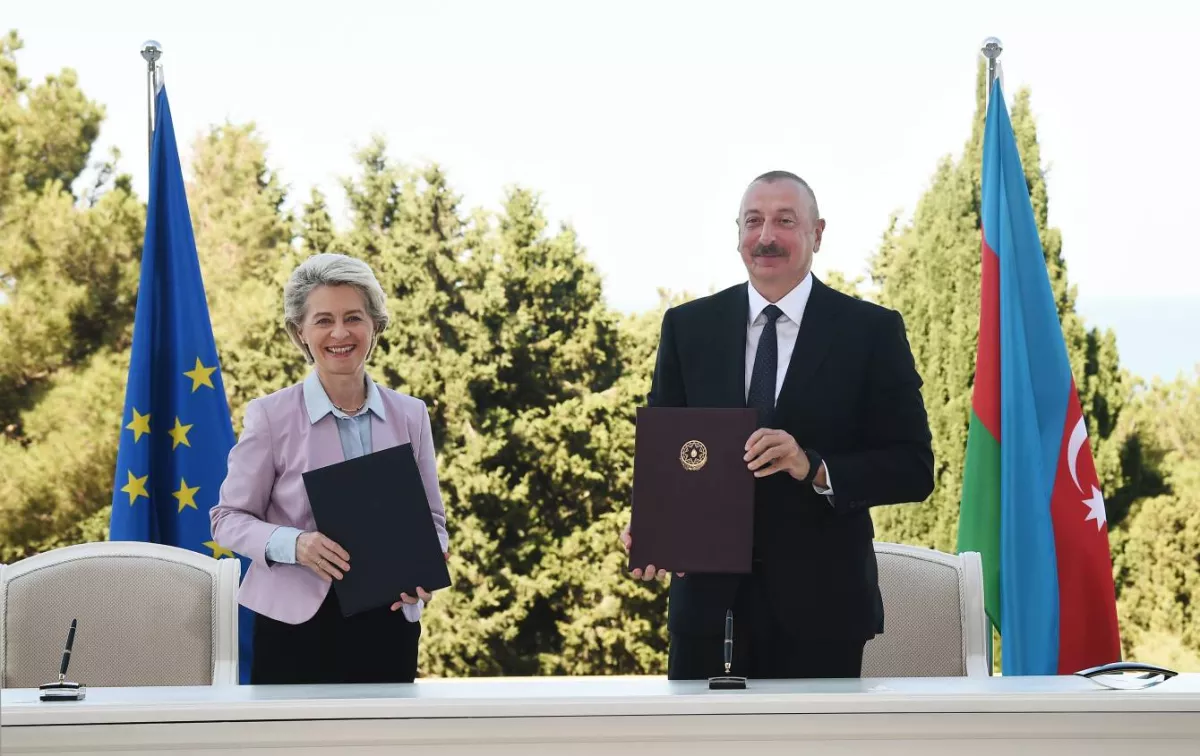
In the context of the special format of relations between Brussels and Baku, it is also important to note the Memorandum of Understanding on Strategic Partnership in the Field of Energy signed by the two sides in 2022. This took place against the backdrop of the EU’s difficulties with gas supplies to the continent, which led Europeans to turn to Azerbaijan, which has established itself as one of the key suppliers of “blue gold”, with guarantees of increased natural gas exports to Europe.
To date, this growth stands at 65%, which is explained not only by Azerbaijan’s significant political and diplomatic efforts, but also by financial investments in creating the necessary infrastructure for transporting its oil and gas resources to Europe.
Therefore, it is not surprising that over 70% of the EU’s trade with the South Caucasus falls on Azerbaijan. In this regard, the President of the European Commission notes that Baku has both “ambitions and potential” to become a hub of clean electricity.
In this context, it is also worth recalling the assessment made during the Baku Energy Week by David Reed, the UK Trade Commissioner for Eastern Europe and Central Asia. He emphasised Azerbaijan’s serious approach to the energy transition, reflected in the accelerated development of renewable energy generation, as well as in “ambitious solutions for transporting green energy across land and sea.”
It is evident that all of this did not emerge on its own. President Ilham Aliyev has emphasised that Baku has invested substantial funds in the development of transport infrastructure not only within the country, but also in neighbouring states. At the same time, this direction is long-term in nature and continues to show a tendency toward further expansion.
In this context, the leadership qualities of the Head of State are once again evident, as was also noted by Ursula von der Leyen. For its part, Brussels strongly supports the peace process between Azerbaijan and Armenia. The President of the European Commission expressed confidence that, through joint efforts, “we can indeed turn peace on paper into peace in practice.”
One cannot fail to acknowledge the validity of the Presidential assessment of a historical fact: Azerbaijan has achieved victory both in war and in the establishment of peace.
Azerbaijan, as one of the leading middle powers, demonstrates its commitment to peace and development, which distinctly sets the country apart and projects its positive potential far beyond the region. And although the world today is marked by fragmentation, Baku is undertaking concrete steps precisely in a unifying format.
Just as the Middle Corridor connects different continents, cultures, civilisations, and religions, Azerbaijan, through its multilateral foreign policy, also seeks to unite humanity in the political, economic, cultural, and humanitarian spheres.
Therefore, Azerbaijan maintains a special format of relations with China as well as the United States, while also preserving strong mutual understanding with countries of the Middle and Near East and achieving geopolitical proximity with states of the Global South. A separate emphasis should be placed on the significance of partnership, brotherhood, and alliance with the member countries of the OTS, the OIC, and the broader C6 format. This is without mentioning Baku’s readiness and concrete steps in carrying out mediation activities.
And, of course, a unique fact on a global scale remains that a victorious country extended a hand of assistance to defeated Armenia, acting simultaneously as both a transit state and a supplier of fuel.
Therefore, Azerbaijan is perceived in the world as a country that introduces new trends of modernity, even if its detractors prefer to remain silent about this. At international conferences held in various regions of Azerbaijan—whether diplomatic, political-economic, or cultural-spiritual in nature—alongside the discussion of contemporary challenges, geopolitical solutions to overcome them are also proposed. It is precisely these nuances that have elevated Azerbaijan into one of the new geopolitical centres shaping an increasingly important global agenda, far beyond the region itself.







 editor@caliber.az
 +994 55 444-88-98
 Азербайджан, Баку, ул. Низами, 203, Af Business House, 5-й этаж