










Belarus’ military shield: missiles, EW systems, and fortified zones Lukashenko unveils 2026–2030 defence plan
Belarusian President Alexander Lukashenko has approved the country’s defence plan for 2026–2030. Minsk intends to modernise the Polonez MLRS for the use of nuclear warheads, and at least 50% of all weapons are planned to be produced at Belarusian enterprises.
No room for complacency
On December 12, at a meeting of the Security Council, the president approved a new concept for the country’s defence. “Over the past few years, the military-political situation around the country has changed—and unfortunately, not for the better… It is no secret that the main trend at the moment is the accumulation of conflict potential in various regions of the world,” Alexander Lukashenko noted.
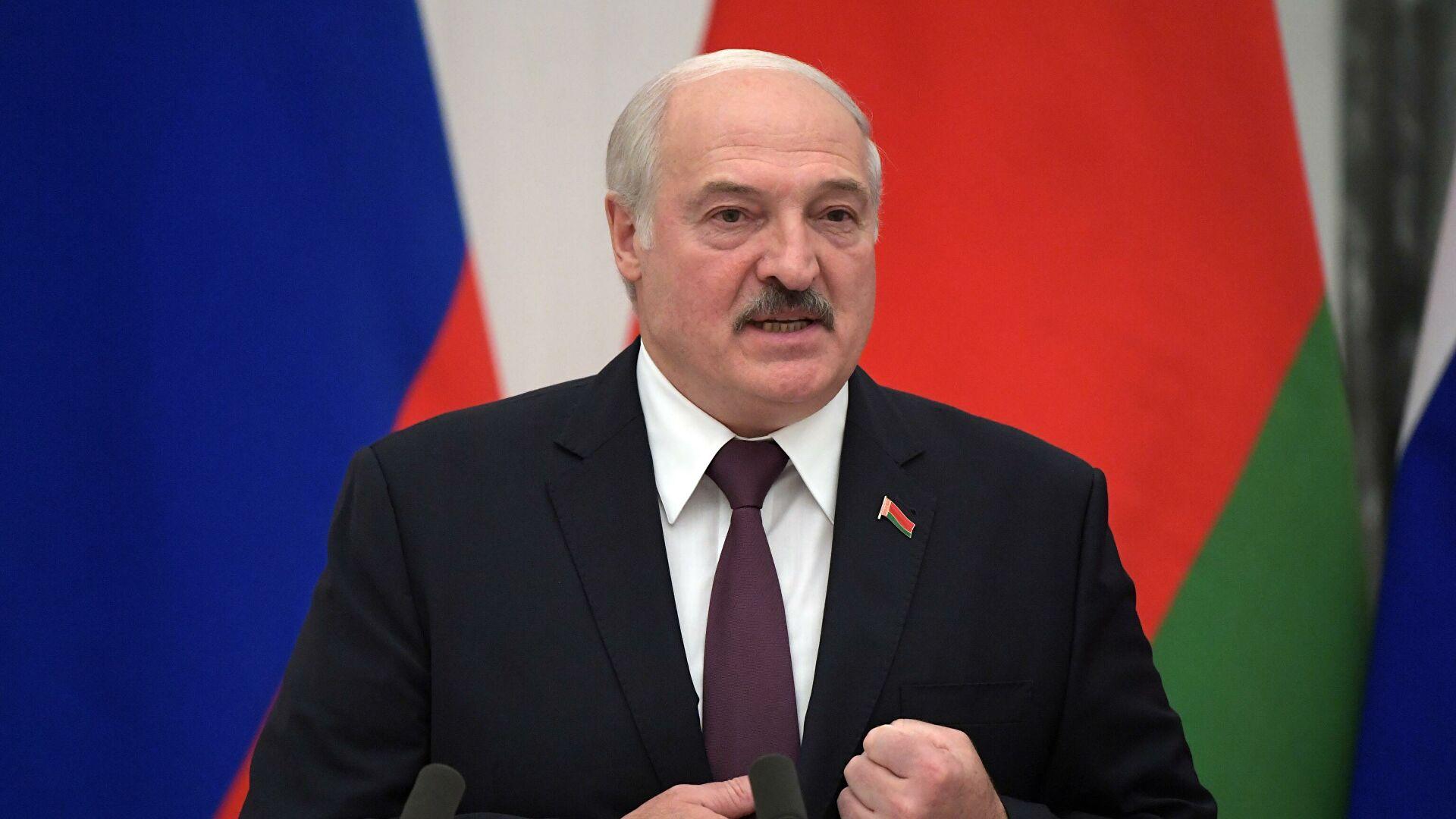
The president drew attention to NATO’s growing aggressiveness, as well as the military conflict in Ukraine, which continues along Belarus’ southern borders. Alexander Lukashenko described the situation within the country as follows: “Things may seem calm, people have understood and reassessed a lot. Many of those who thought differently in 2020 and earlier think very differently today… Under no circumstances should we become complacent. We should not assume that we are smart and have God on our side, while everyone around us—especially in NATO and America—is foolish. No, these are experienced people with immense strength, so we must not relax. We have to work with our people, persuade them, demonstrate, and, most importantly, act in a way that improves their lives. Then they will always support such a government.”
The Belarusian leader also warned external adversaries: “We will also take certain pre-emptive actions so that our potential opponents and rivals understand that it is better not to mess with us, that they need to live with us peacefully.”
State Secretary of the Security Council Alexander Volfovich emphasised that tensions continue to build at Belarus’ borders due to NATO leadership. According to him, previous Western efforts to politically and economically destabilise the republic have failed, and now the focus is on applying military pressure.
Belarusian Defence Minister Viktor Khrenin stated that, based on the defence plan presented to the head of state, a new plan will subsequently be developed to counter possible aggression. This document will define the responsibilities of every government body, as well as each Belarusian citizen, in the event of an enemy attack.
Reducing the level of threat
Following the Security Council meeting, Chief of the General Staff of the Armed Forces and First Deputy Defence Minister Pavel Muraveiko spoke about the main points of the defence plan. According to him, priority will be given to “reducing the level of military threat and preventing armed conflicts.” The country’s defence will rely not only on military means but also on political, economic, and informational measures. Various scenarios of armed defence are being considered, taking into account the realities of modern conflicts.
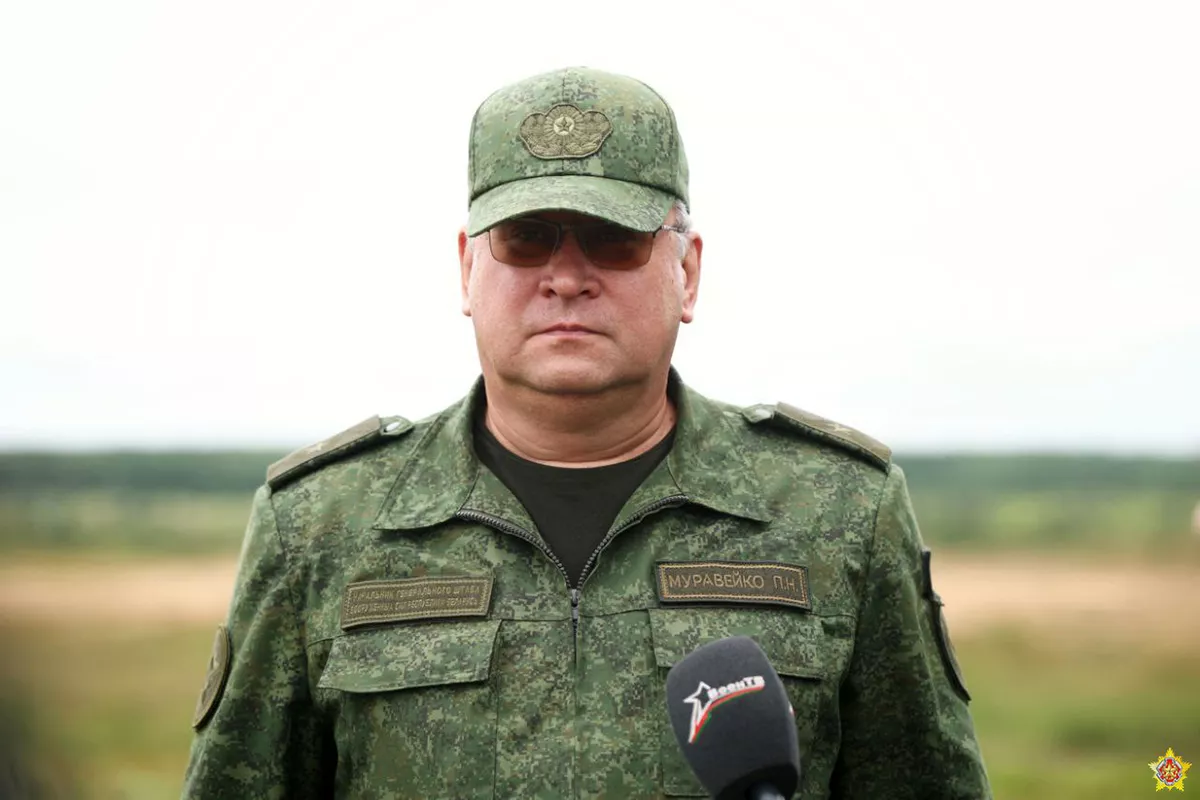
Pavel Muraveiko also drew attention to “issues related to preparing the state’s economy and the country as a whole to function under conditions of military operations.”
Some details of Belarus’ defence plan were revealed by Gennady Lepeshko, Chairman of the Standing Commission of the House of Representatives on National Security and a retired major general. In an interview with the PRO ARMY programme, he said that the defence plan provides for coordinated action by both military and civilian authorities based on a comprehensive approach:
“This includes the evacuation of civilians from areas where hostilities are expected. Of course, if everything begins suddenly, an algorithm for such a scenario has also been developed. In other words, the defence plan documents envisage multiple courses of action. It is impossible to foresee everything, but the main algorithms and scenarios for several possible situations certainly exist.
And, of course, there is the economic component — the evacuation of essential enterprises from areas of anticipated hostilities to other locations, where production of equipment, supplies, and food can be launched. The transition of the economy to a wartime footing, monthly financing — all of this is provided for. Everyone, from the President down to local authorities, knows which signal to respond to, at what time, where to report, where to obtain equipment and weapons, and even what exactly they are required to defend.”
Gennady Lepeshko also reported that, taking into account the experience of modern armed conflicts, the Belarusian Armed Forces are currently revising their approaches to individual combat training and tactical operations. The use of weapons and military equipment is being adapted to new realities. In addition, in preparation for possible hostilities and troop deployments within the country, territories and rear-area facilities have been operationally equipped.
Dry powder and modern electronic warfare
According to the chairman of the parliamentary commission on national security, over the next five years, the goal is to ensure that at least 50% of the Belarusian army’s weapons come from domestic production. In the future, this ratio in favour of weapons, ammunition, and military equipment produced in Belarus is expected to increase further. This approach, it is noted, will contribute both to economic development and to strengthening national sovereignty. Or, as the MP put it, in case of necessity, “we won’t have to go around the world with outstretched hands.”
He also highlighted that Belarus’ defence industry is under full state control, operates according to a unified policy, and functions under the guidance of the State Military-Industrial Committee (GVMK). Several programmes in this area are also being implemented within the framework of military cooperation under the CSTO.
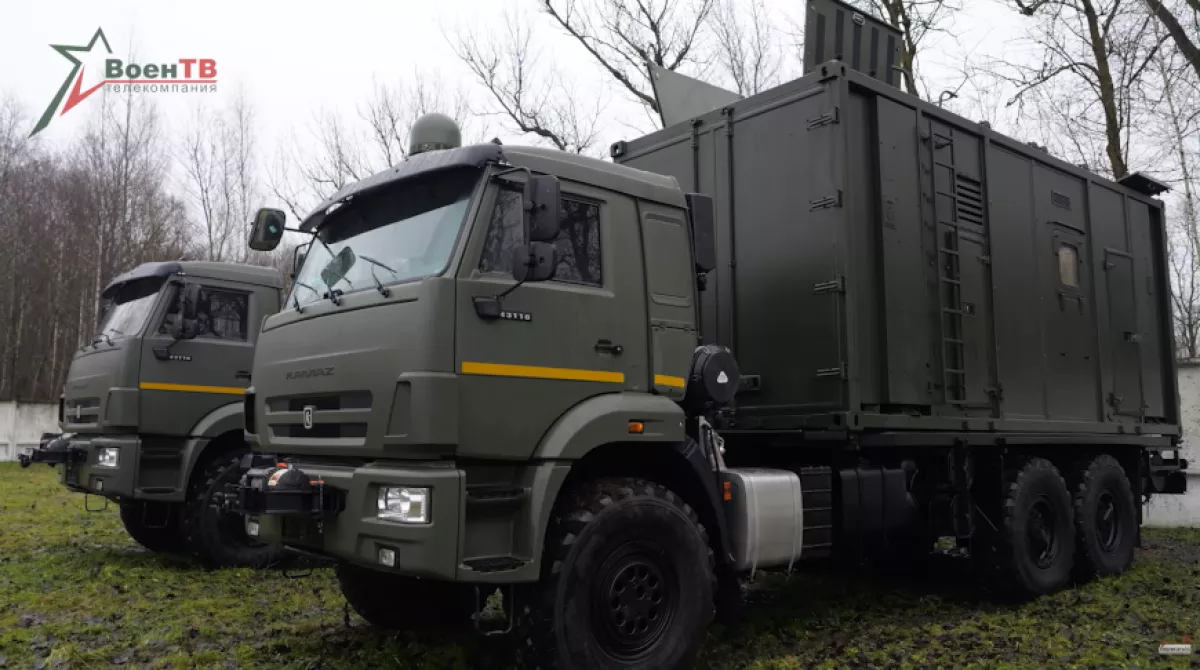
Recently, the troops received the latest electronic warfare systems developed by Belarus’ State Military-Industrial Committee (GVMK). These include the R-934UM2 Groza‑6, Groza‑Z1, R-936 Aero, and Optima‑2.2 electronic warfare complexes, designed to suppress UAVs, GPS/GLONASS signals, and conduct radio monitoring.
In particular, the Optima‑2.2 electronic intelligence and jamming station is capable of monitoring up to 100 radio-frequency channels, while the Aero suppression system is effective against small-sized drones. All of these systems were developed by the Belarusian Radar Design Bureau (KB Radar) and were delivered to units of the Polotsk garrison in December 2025.
Looking ahead, the armed forces are expected to receive electronic warfare systems at the tactical level.
As Gennady Lepeshko also noted, the future development of a nuclear warhead for the Belarusian Polonez multiple launch rocket system is possible (the Polonez is also in service with the Azerbaijani Armed Forces). On December 24, President Alexander Lukashenko was briefed that missile units had successfully completed exercises involving live-fire launches from the modernised Polonez‑M, conducted at increased range and with improved accuracy.
On the eve of the 7th All-Belarusian People’s Assembly, Alexander Lukashenko stated: “The situation has changed dramatically. The electronic warfare capabilities are extremely powerful. We need to protect this missile so that it becomes even more precise, so that it hits the target exactly, as I once said. In the coming years, we will receive an improved Polonez, but we must produce it ourselves. We made the latest versions of our own Polonez ourselves.”
Today, tactical nuclear weapons of the Russian Federation are already deployed on Belarusian territory. At the same time, the Belarusian leadership has repeatedly emphasised that the republic poses no threat to anyone, and all new weapons systems are viewed solely as a deterrent. On December 19, Belarus commissioned a mobile system equipped with a medium-range ballistic missile with a multiple independently targetable reentry vehicle (MIRV), called the Oreshnik. It was previously reported that the launcher for this system was planned to be produced at the Belarusian MZKT. On December 23, the Ministry of Defence of Belarus stated that Minsk will independently determine targets for the Oreshnik if necessary.
Speaking at the All-Belarusian People’s Assembly on December 18–19, Lukashenko also announced that Belarus is currently producing its own Buk air defence missile system.
In addition to equipping the professional army with everything necessary within the country’s economic capabilities, significant attention has recently been paid to retraining the mobilisation reserve, as well as developing territorial defence and the people’s militia. A series of defensive fortifications has been built along the western border. Experience from the Special Military Operation (SMO) has shown that fortified districts, previously abandoned, still play an important role in defensive operations. Currently, 5–6 fortified districts have been established along Belarus’ western borders, including in the Smorgon and Volozhin sectors.
Furthermore, the Belarusian Armed Forces are conducting a deep modernisation of Soviet-era military equipment, taking into account experience with UAVs, countermeasures, and other realities of modern warfare.
“We prepare for war so that it does not happen…”
“We are showing our unfriendly neighbours that we are ready for war. But all contentious issues will be resolved at the diplomatic table,” said the chairman of the parliamentary commission on national security.
On December 21, Chief of the General Staff of the Belarusian Armed Forces Pavel Muraveiko noted that regional security in the coming year will largely depend on the course of military operations in Ukraine, as well as on whether the United States and Russia can reach a peaceful agreement. He expressed confidence that the prospect of peace in Ukraine exists and that “common sense will prevail over militaristic ambitions.”
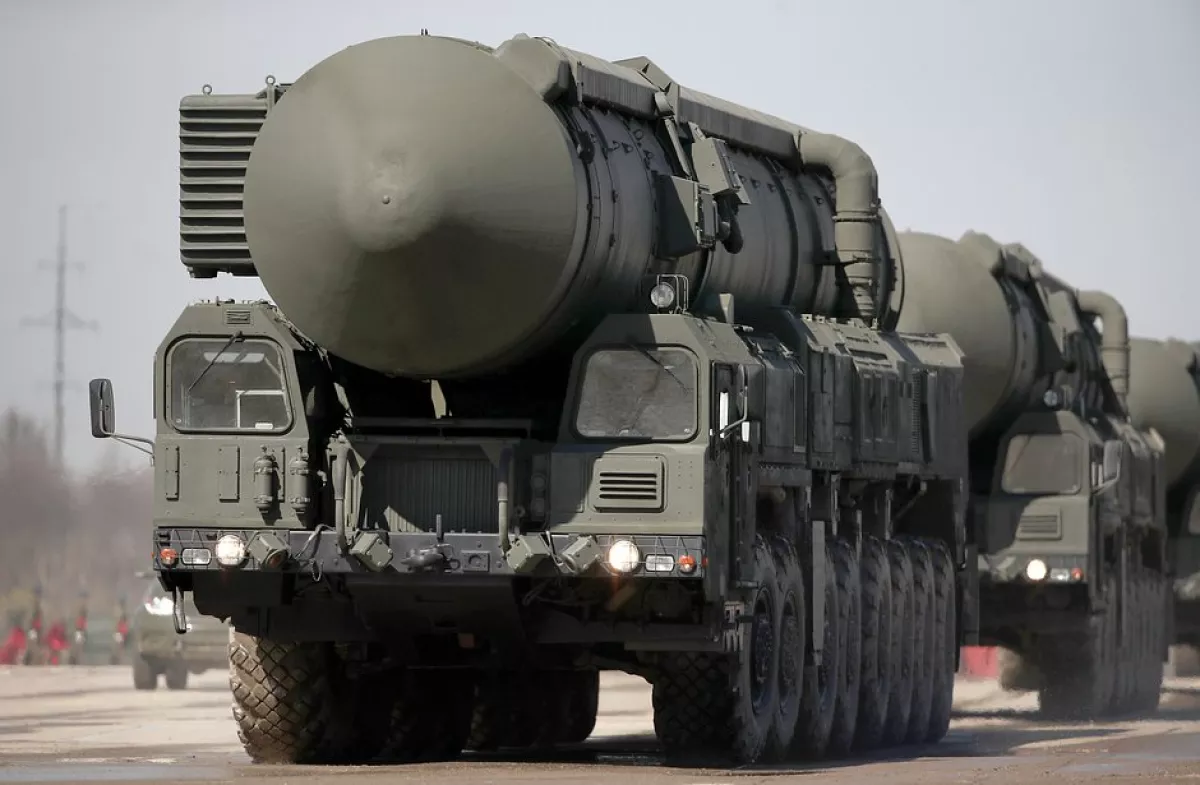
On December 24, in an interview with the Chinese television channel CGTN, the Chief of the General Staff stated that the deployment of the Oreshnik missile system in Belarus is a measure of preventive deterrence. According to him, this deployment is necessary to ensure that potential aggressors understand that, in the event of an attack on Belarus, they would suffer unacceptable damage. At the same time, the introduction of this medium-range missile, Muraveiko emphasised, does not disrupt the strategic balance in Europe.
The head of the Belarusian General Staff noted: “We openly say: we do not intend to fight you, we are not a threat to you. On the contrary, we are offering dialogue, a return, at least, to the kind of relations that should exist between neighbours.”
Currently, both supporters of the government and many of its former opponents in Belarus recognise the special role of Alexander Lukashenko, whose measured politics and diplomacy have so far allowed the republic to avoid involvement in war. Belarus intends to continue doing everything in its power to de-escalate military tensions in the region.







 editor@caliber.az
 +994 55 444-88-98
 Азербайджан, Баку, ул. Низами, 203, Af Business House, 5-й этаж